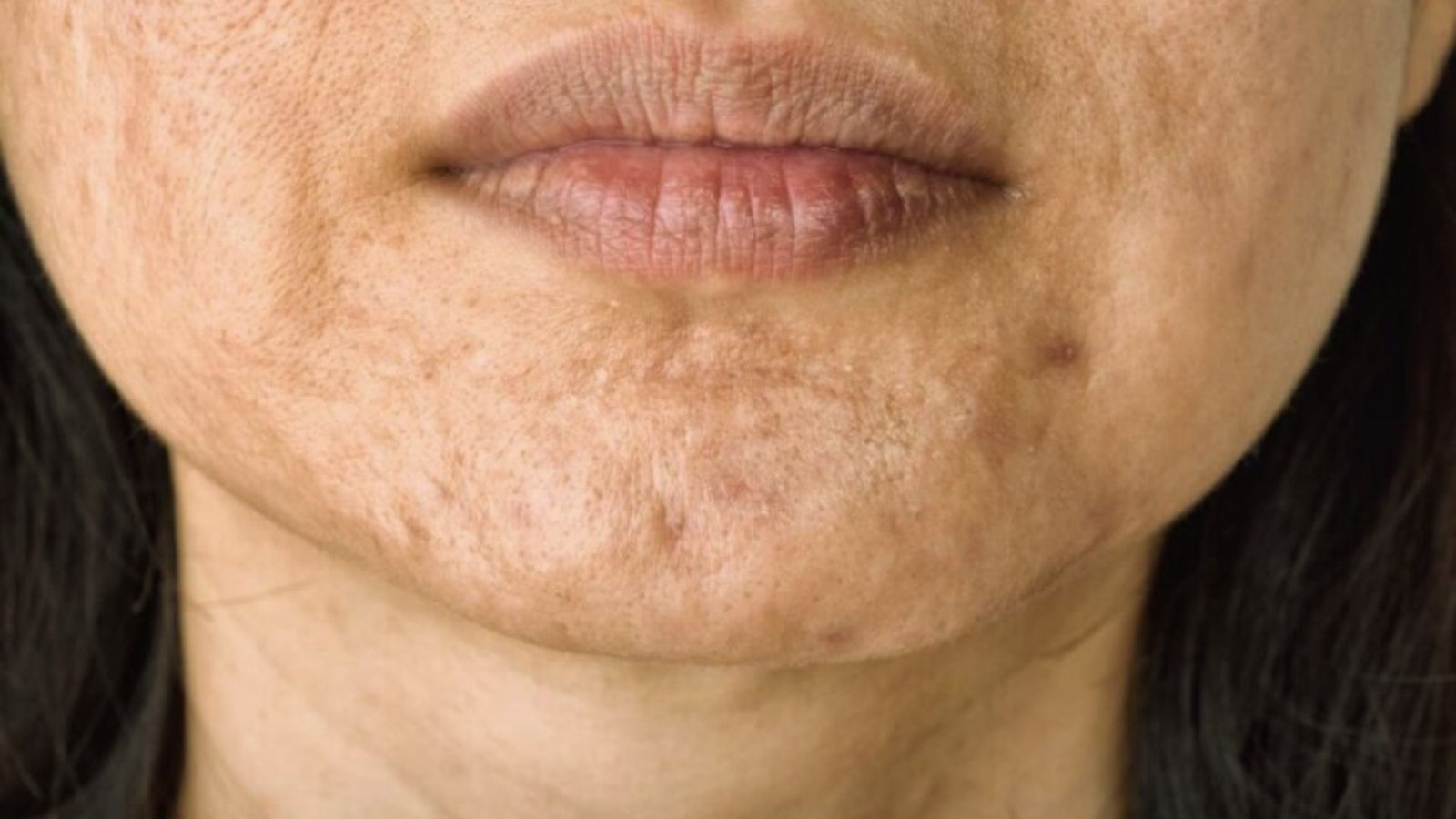

I’ve been there spending time on my makeup only to see it look uneven an hour later. Patchy makeup is one of the most common problems people face, and honestly, it has nothing to do with skill level.
In this blog, I’ll walk you through; What causes patchy makeup, How skin, products, and habits play a role, Simple ways to fix it
Whether you’re a beginner or have years of practice, this guide will help you get a smoother finish. I’ve tried and tested these insights myself.
What Is Patchy Makeup?
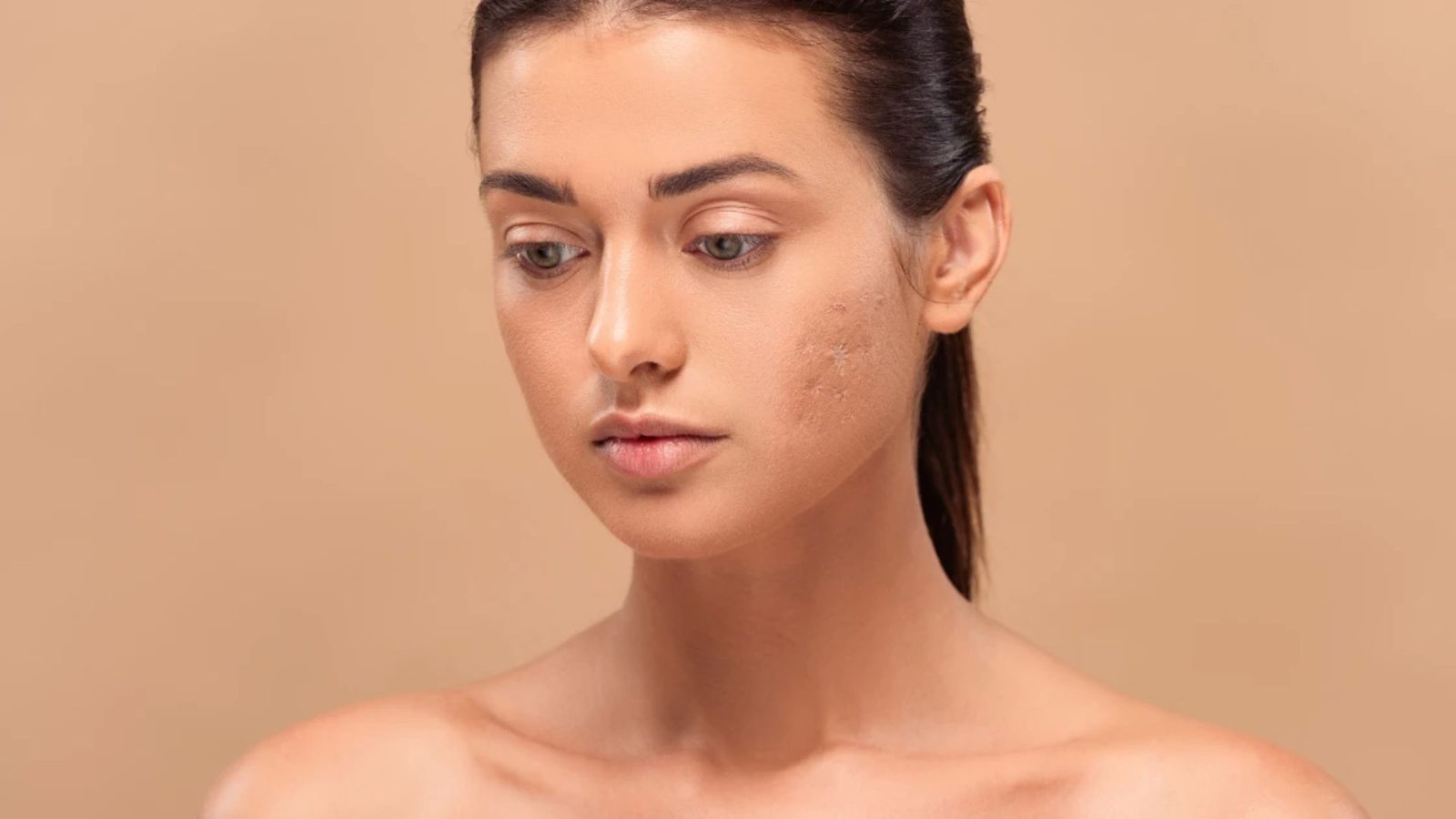
Patchy makeup doesn’t always look the same on everyone. Sometimes foundation clings to dry or flaky areas, leaving rough spots that stand out.
Other times, your skin tone looks uneven or blotchy no matter how much you blend. You might also notice your makeup feeling cakey or starting to separate as the day goes on.
If any of this sounds familiar, you’re not alone. These signs are more common than you think, and they almost always point to a fixable cause.
Skin-Related Causes of Patchy Makeup
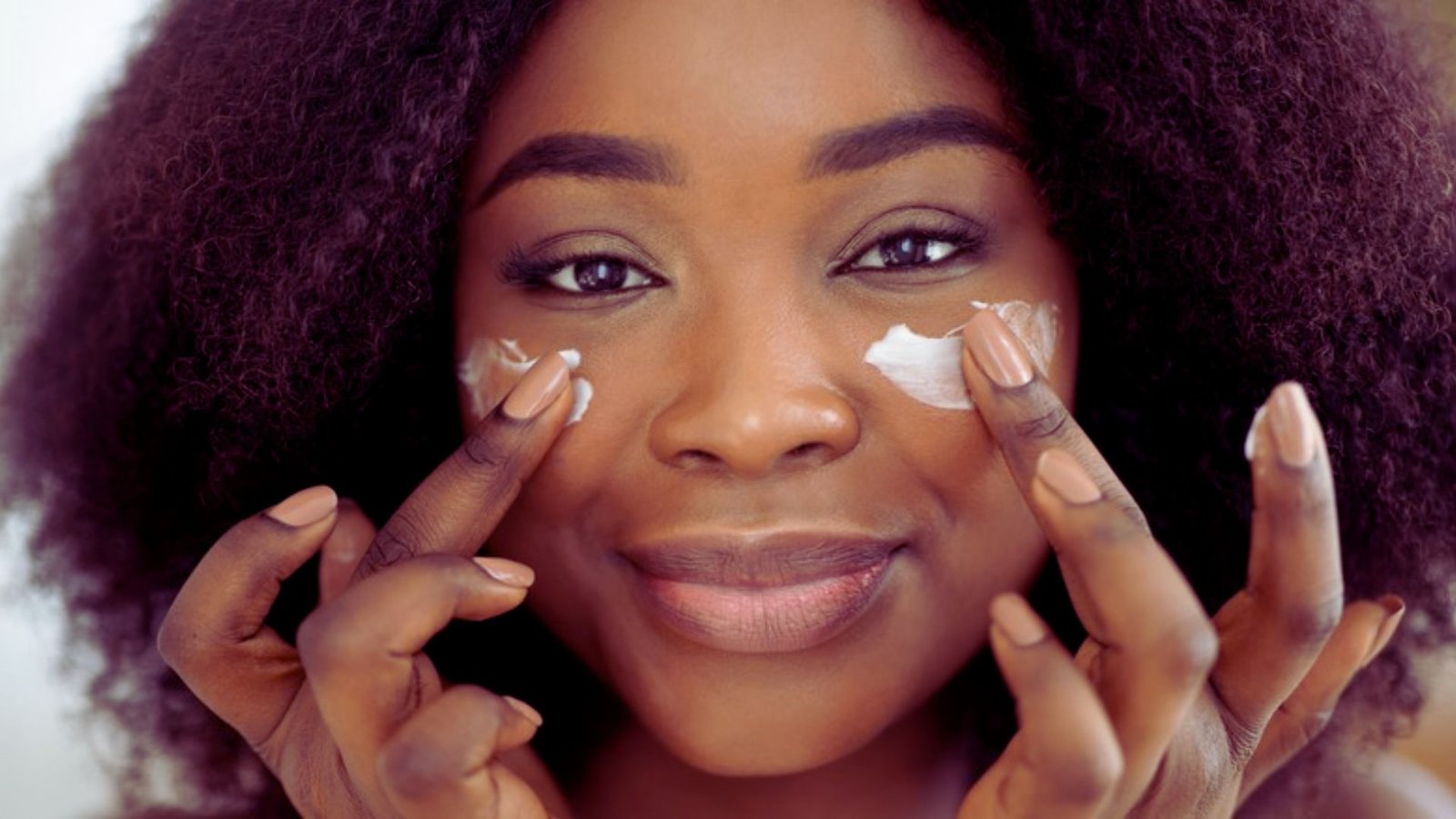
Your skin’s condition before you apply makeup plays a huge role in how it looks after.
Dry or Dehydrated Skin
Dry skin is one of the biggest reasons makeup looks patchy. When your skin lacks moisture, foundation clings to flaky patches instead of spreading smoothly.
The skin’s surface becomes uneven, and no matter how good your foundation is, it will settle into dry spots and look off.
Fix: Moisturize well before applying any makeup. Your skin needs hydration to hold a smooth base.
Lack of Exfoliation
Dead skin cells build up over time. When you skip exfoliation, the product sits on top of rough, uneven skin instead of blending in.
This creates a patchy or bumpy finish that no primer or foundation can fully cover.
Fix: Exfoliate 2 to 3 times a week to keep skin smooth and ready for makeup.
Unbalanced Skin Prep Routine
Skipping cleansing or skipping moisturizer before makeup is a common mistake. Skin that hasn’t been prepped properly cannot hold makeup evenly.
Cleansing removes oil and buildup. Moisturizing creates a smooth layer. Without these steps, your makeup has nothing solid to grip onto.
Product-Related Causes Behind Patchy Makeup
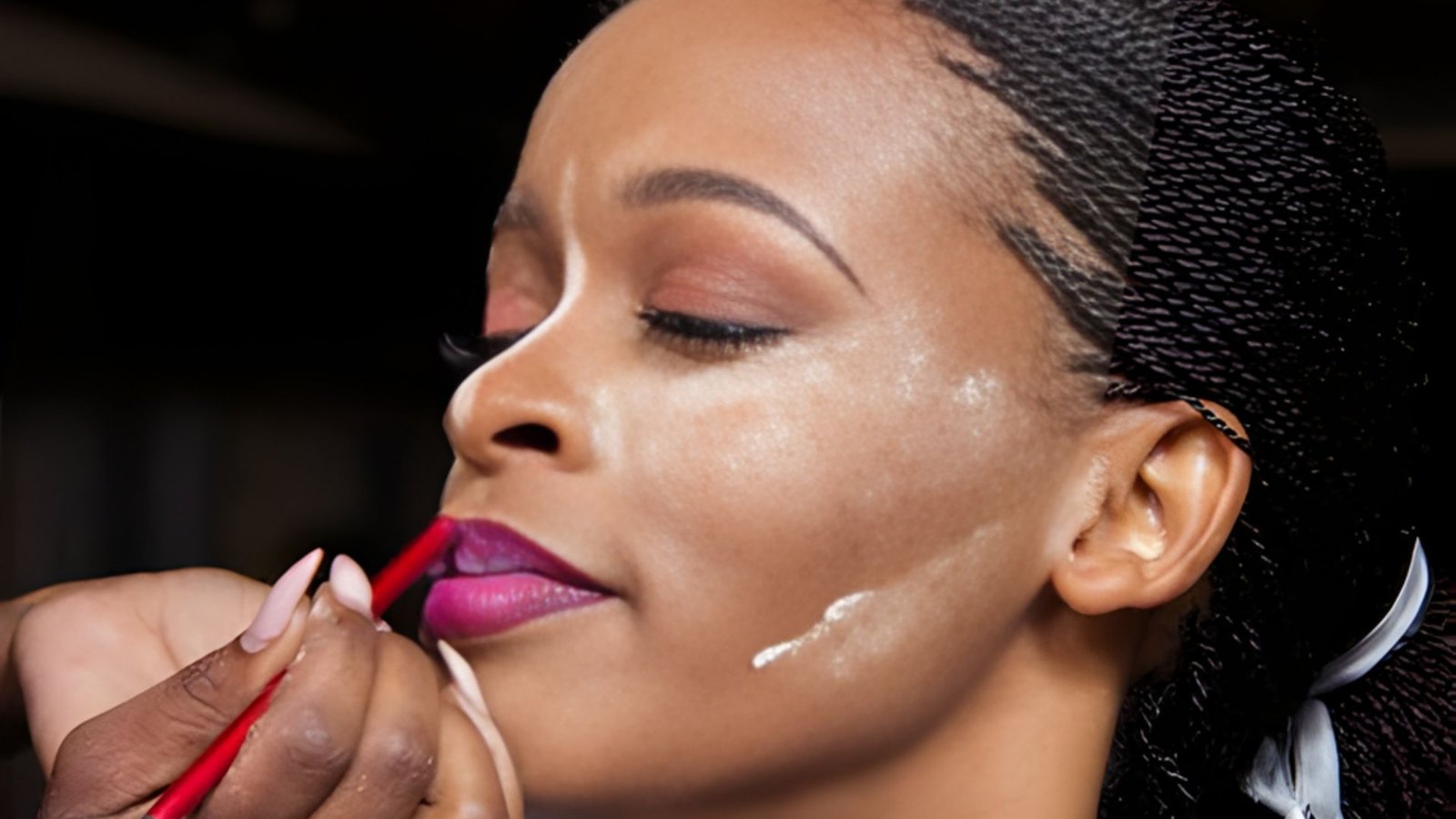
Sometimes the problem isn’t your skin, it’s the products you’re using or how they work together.
Using the Wrong Foundation Type
Not all foundations work for all skin types. A matte formula on dry skin will highlight every dry patch on your face. A heavy coverage foundation on textured skin can make skin look worse, not better.
Choosing the wrong formula is one of the most overlooked causes of patchy makeup.
Mismatch Between Skin Type and Makeup Products
Oily skin and overly rich, creamy foundations don’t mix well. The extra oils cause makeup to slide and separate.
Dry skin and non-hydrating foundations create the opposite problem. The skin pulls moisture from the foundation, causing it to cling and crack.
Match your foundation to your skin type. This one change can make a big difference.
Poor Product Compatibility
Sometimes your skincare and makeup products simply don’t layer well together. Silicone-based primers with water-based foundations, for example, can cause separation on the skin.
This leads to a patchy, uneven finish that gets worse as the day goes on.
Application Mistakes That Lead to Patchiness
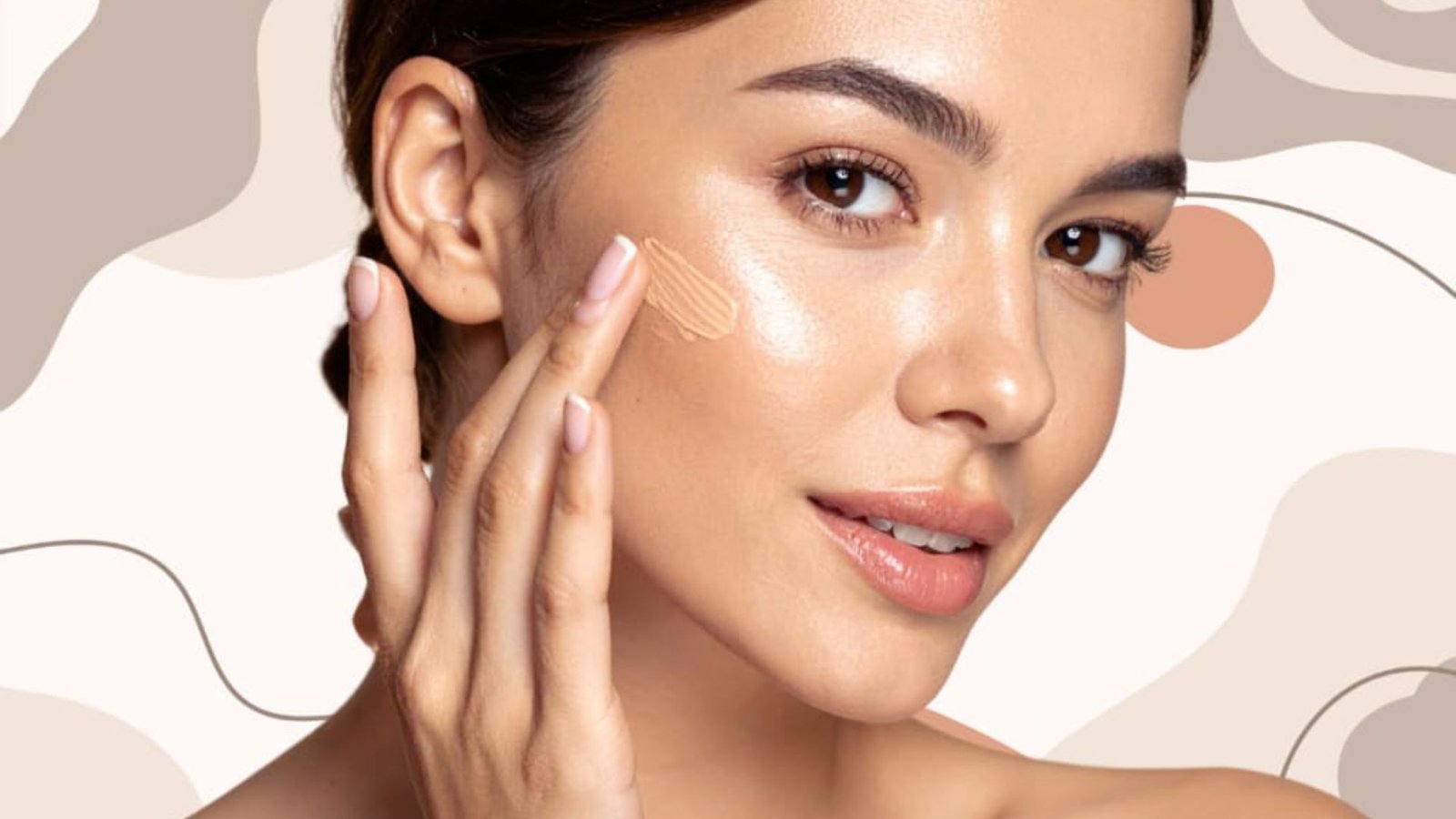
How you apply your makeup matters just as much as what you put on your face.
Applying Too Much Product at Once
More product doesn’t mean better coverage. Applying too much foundation at once causes buildup, which leads to a cakey, uneven texture.
Thin layers work better. They blend more smoothly and look more natural.
Inadequate Blending
Rushing through blending leaves, streaks and visible patches. Makeup needs time and proper motion to blend into the skin evenly.
Take a few extra minutes. It makes a visible difference.
Incorrect Tools or Techniques
Using a dry sponge, the wrong brush, or uneven pressure affects how foundation sits on skin. A dry sponge can drag the product instead of pressing it in. The wrong brush can leave streaks.
Tools matter. A damp beauty sponge or a flat foundation brush used in light, circular motions gives a smoother result.
Why Proper Skin Prep Matters Most
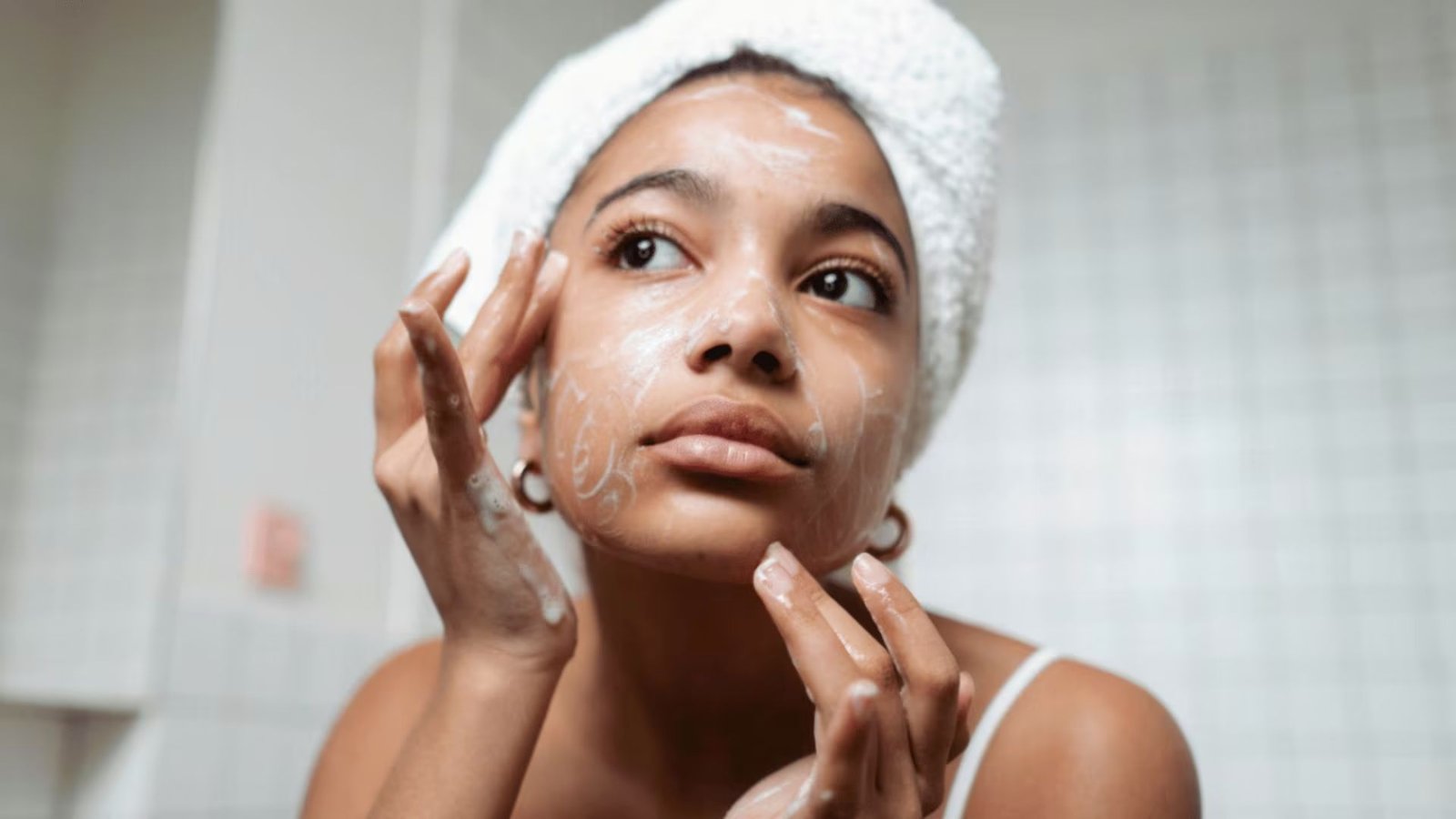
Skin prep is the step most people skip and it’s also the one that changes everything.
Role of Hydration in Smooth Makeup
Hydrated skin has a smooth, even surface. Foundation spreads easily and blends without catching on dry patches.
When skin is well-moisturized, makeup sits on top of it evenly. It looks natural, not forced.
Importance of Primer in Preventing Separation
Primer fills in pores and fine lines. It gives your foundation something to grip onto, which helps makeup last longer without breaking apart.
A good primer also creates a barrier between your skincare and makeup, reducing the chance of separation.
If you’re skipping primer, this could be why your makeup looks patchy by midday.
How to Prevent Patchy Makeup (Quick Fix Overview)
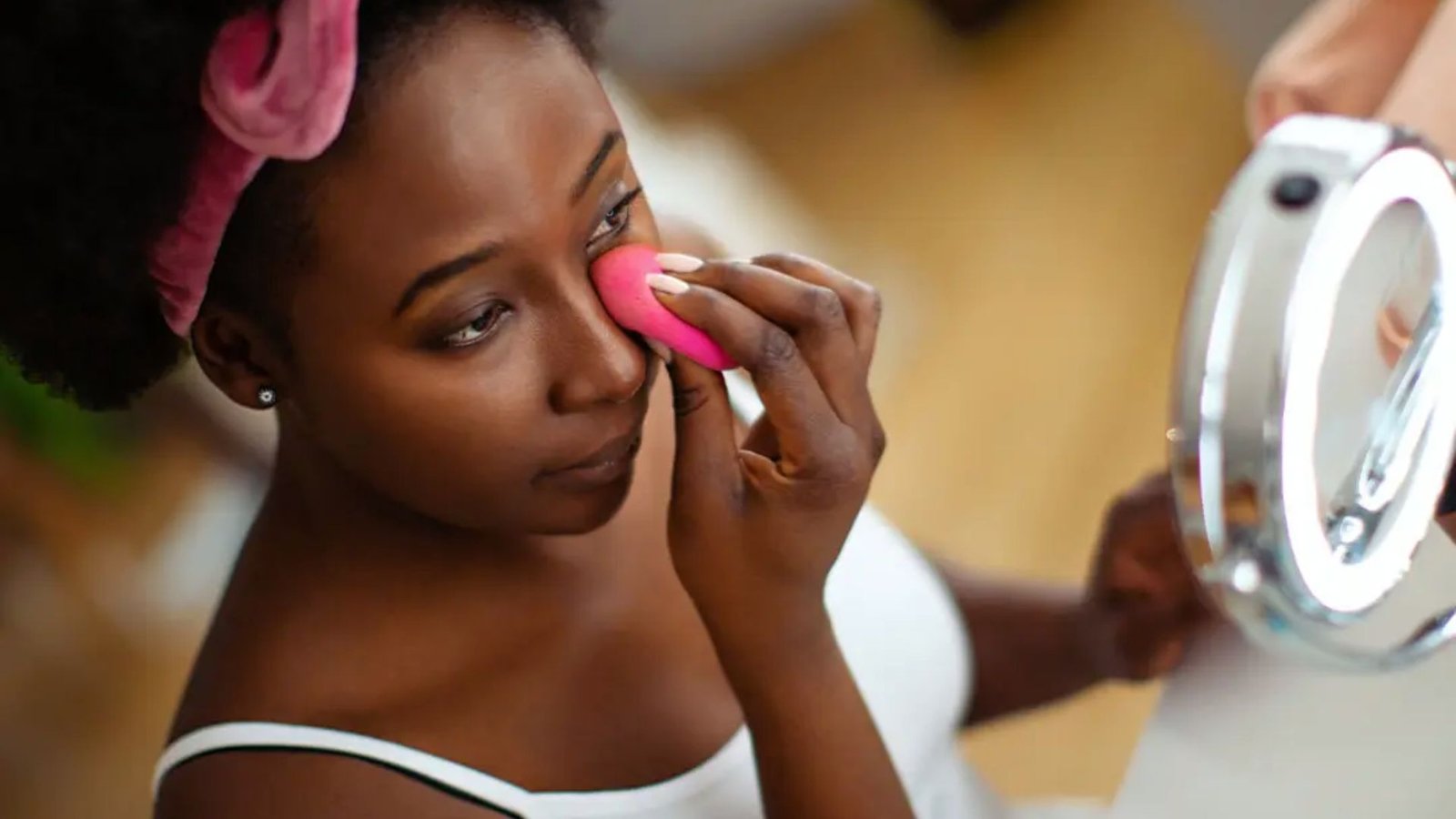
Small changes to your routine can give you a noticeably smoother finish.
Follow a Consistent Skincare Routine
Cleanse, moisturize, and exfoliate regularly. Consistent skin care keeps your skin’s surface smooth and ready for makeup.
You don’t need a complicated routine. Even a basic three-step routine makes a real difference over time.
Choose the Right Foundation for Your Skin Type
For oily skin, go for lightweight or oil-free foundations. For dry skin, pick hydrating formulas that won’t cling or crack.
Reading the label before buying saves a lot of frustration later.
Apply Makeup in Thin, Even Layers
Start with a small amount of product. Build coverage slowly. Thin layers blend better and look more natural than one thick layer.
This simple habit can change how your makeup looks from the very first try.
Quick Tips for a Smoother Makeup Finish
Five simple habits that can make a big difference in how your makeup looks every day.
- Moisturize your skin well before applying any makeup
- Exfoliate 2 to 3 times a week to remove dead skin buildup
- Always use a primer to create a smooth, even base
- Apply foundation in thin layers and build coverage slowly
- Use a damp sponge or the right brush for even blending
Conclusion
Patchy makeup usually comes down to skin prep, product choice, and application habits. Once you fix these, the difference is clear.
I used to think it was just bad luck, but after paying attention to my routine and switching to the right foundation, things changed fast. Start small.
Moisturize well, exfoliate regularly, and build coverage in thin layers. Small changes really do add up. If this helped you, drop a comment below or share it with a friend who’s dealing with the same thing.
Frequently Asked Questions
Why does my foundation look patchy after a few hours?
Your foundation may be separating due to oily skin, incompatible products, or skipping primer. Using a primer and setting spray can help it last longer.
Can dry skin cause patchy makeup?
Yes, dry skin is one of the main causes. Foundation clings to dry patches and creates an uneven finish. Moisturizing well before applying makeup helps a lot.
Does primer really help with patchy makeup?
Yes. Primer creates a smooth base and helps makeup grip the skin evenly. It reduces separation and keeps your look intact throughout the day.
What type of foundation is best for avoiding patchiness?
Hydrating foundations work well for dry skin, and oil-free or lightweight formulas are better for oily skin. Matching the formula to your skin type reduces patchiness.
How often should I exfoliate to prevent patchy makeup?
Exfoliating 2 to 3 times a week is usually enough. This removes dead skin buildup and keeps your skin smooth so makeup applies more evenly.