Setting powder confuses a lot of people. Some swear by it. Others skip it completely and their makeup still looks great. So who is right?
The answer depends on your skin type, your makeup goals, and your daily routine.
In this article, I’ll break down exactly when setting powder helps, when you can leave it out, and what works best for different skin types.
I’ve tested this across different climates and skin concerns, so everything here comes from real experience.
By the end, you’ll know exactly what works for your skin.
What Is Setting Powder and What Does It Do?
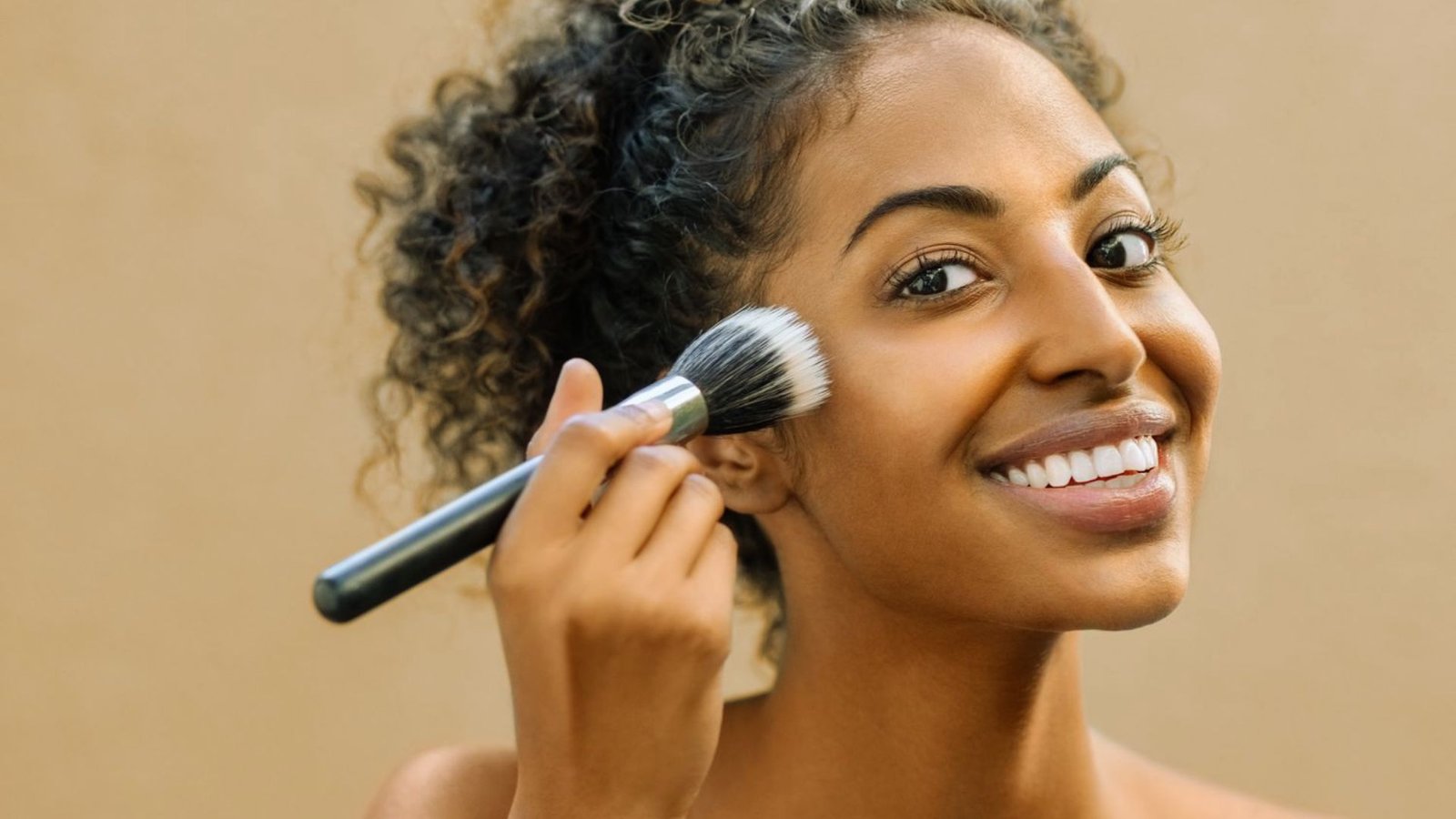
Setting powder is a finely milled powder applied after foundation and concealer.
It locks your base in place, controls shine, and helps your makeup last longer throughout the day.
It works by absorbing excess oil on the skin surface and reducing movement in your base products. Most formulas come in translucent or tinted options and can be applied with a brush or sponge.
Setting powder is different from finishing powder, which goes on at the very end just to add polish rather than actually holding your makeup in place.
Is Setting Powder Necessary for Makeup?
Not everyone needs setting powder, and your skin type makes all the difference.
When Setting Powder Is Important in a Routine
Setting powder works best when your skin gets oily fast or when your makeup needs to last for long hours.
It stops your base from sliding, fading, or breaking down in heat or humidity. Full-coverage looks much better when setting powder is part of the routine.
When You Can Skip Setting Powder Completely
Dry or normal skin with a light makeup routine does not need setting powder at all.
Tinted moisturizer or sheer coverage products wear just fine without it. Using powder in these cases can make your skin look dry and unnatural.
Everyday Makeup vs Full Glam: Does It Matter?
For casual, everyday makeup, setting powder is completely optional and often unnecessary.
Full glam looks with multiple product layers do benefit from it since it holds everything together. Think about how long you will be wearing your makeup before making the call.
Is Setting Powder Necessary for Different Skin Types?
Your skin type plays the biggest role in whether setting powder helps or hurts your look.
Is Setting Powder Necessary for Oily Skin?

Oily skin produces extra sebum that causes makeup to slide and break down within hours. A matte setting powder absorbs that oil and keeps your base looking fresh for longer.
For oily skin types who wear makeup regularly, it is one of the most useful steps in the routine.
Is Setting Powder Necessary for Dry Skin?
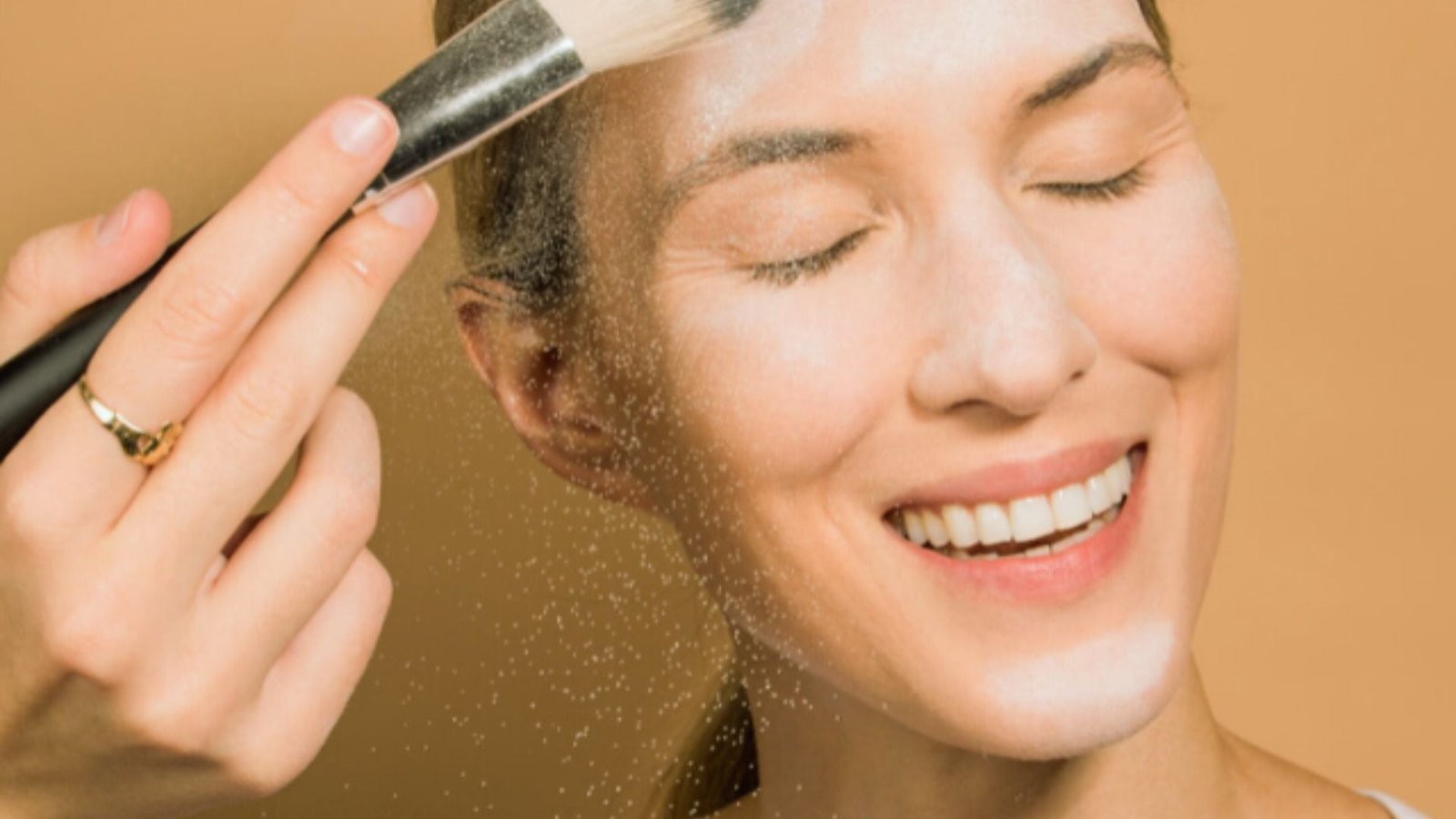
Dry skin already lacks moisture, and adding powder on top can make it look flaky, tight, or patchy.
Setting powder is usually not needed for this skin type and can actually make your makeup look worse. If you still want to use it, go for a hydrating formula and apply only on the oiliest spots.
Is Setting Powder Necessary for Combination Skin?
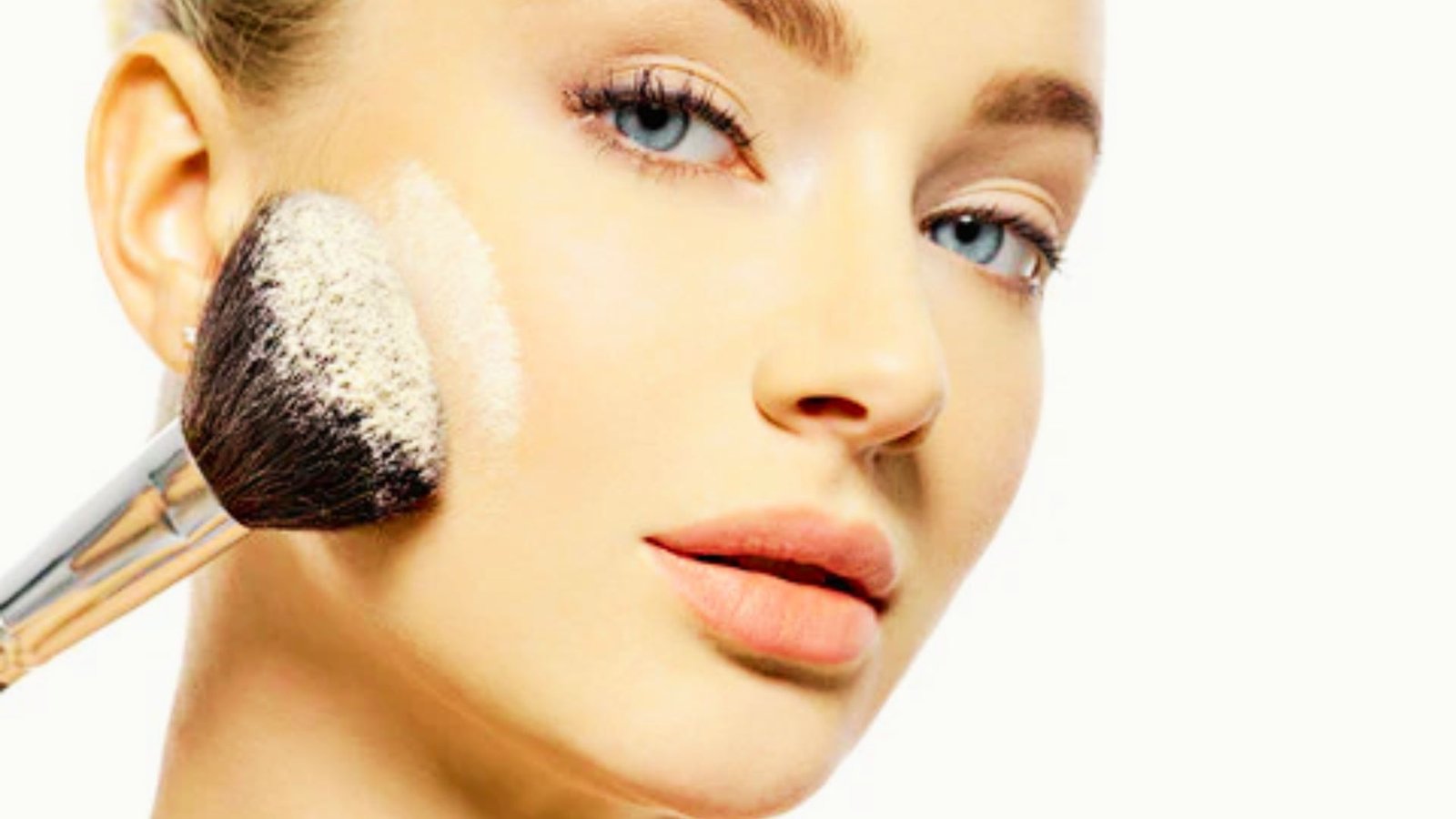
Combination skin has both oily and dry areas, so setting powder should only go on the oily zones.
Apply it on the T-zone and skip the drier areas completely to avoid patchiness. A light, translucent powder works best here since it controls shine without over-drying.
Alternatives If You Don’t Want to Use Setting Powder

There are other reliable products that can keep your makeup lasting longer without the drawbacks of powder.
Setting Sprays for Long-Lasting Makeup
Setting sprays mist a fine layer over finished makeup to hold it in place without adding any powder texture.
They work well for dewy or natural looks and are a great option for dry skin types who want longer wear. Look for a formula suited to your skin type, either matte or hydrating.
Blotting Papers for Quick Oil Control
Blotting papers absorb excess oil throughout the day without disturbing the makeup sitting underneath.
They are easy to carry and quick to use, making them a practical on-the-go option. Unlike powder, they do not add any texture or coverage, so your skin stays looking natural.
Skincare-Based Solutions (Primers and Oil Control)
A good mattifying primer before foundation controls oil from the start and keeps your base lasting longer.
Niacinamide serums and oil-control moisturizers help reduce sebum production over time with regular use. A strong skincare routine means your makeup naturally lasts longer without relying on powder.
Common Mistakes to Avoid When Using Setting Powder
A few small errors with setting powder can affect your entire makeup look by midday.
- Applying too much powder creates a heavy, cakey finish that settles into pores and fine lines.
- Using the wrong shade makes your skin look mismatched, especially under flash photography.
- Setting your entire face, including dry areas, leads to patchiness and a dull finish.
- Using a heavy matte formula on dry skin makes your makeup look flaky and overdone.
- Rubbing powder into the skin instead of pressing it on lightly disturbs your base and causes uneven patches.
Perspectives from Makeup Enthusiasts and Professionals
Honest opinions from real users and professionals show how differently setting powder fits into various routines.
What Makeup Artists Say About Setting Powder
Most professional makeup artists apply setting powder selectively, focusing on high-oil and high-movement areas.
They prefer finely milled, translucent formulas that do not alter the base color. Those working in film and photography use it more heavily due to bright lights and flash.
Makeup Enthusiasts’ Real-Life Experiences
People with oily skin say setting powder is what keeps their makeup in place through the day. Those with dry skin often stopped using it after noticing dullness and flaking.
Normal skin users are more divided, with opinions varying based on routine and preference.
Is Setting Powder Necessary: Discussions and Trends
Reddit communities consistently show that oily skin users rely on setting powder while dry skin users find it unnecessary.
Opinions shift based on season, skin type, and personal makeup style. The overall pattern makes it clear this is a very individual decision.
Tips to Use Setting Powder the Right Way
Using the right technique makes a big difference in how your makeup looks and lasts.
- Always tap off excess powder from your brush before applying it to your face.
- Press or dust the powder lightly onto the skin instead of rubbing it in.
- Apply only on oily zones like the T-zone, under eyes, and smile lines.
- Choose a formula that matches your skin type, matte for oily and hydrating for dry.
- Blend well after applying to avoid any patchy or heavy spots on the skin.
Conclusion
Setting powder is not a must for everyone. If your skin is oily or you need long-lasting makeup, it is genuinely worth using.
If your skin is dry or you prefer a natural, glowing finish, you can skip it without missing out on anything.
I used to think everyone needed it until I stopped using it on dry days and my skin actually looked better.
Know your skin, keep it simple, and do what works for you. Found this helpful? Drop a comment and share your experience below.
Frequently Asked Questions
Is Setting Powder Necessary?
Setting powder is not necessary for everyone. It is most useful for oily skin or long-wearing makeup, but many people with dry or normal skin can skip it without any issues.
Is Setting Powder Necessary for Makeup Beginners?
Beginners do not need to use setting powder right away. Start with the basics like foundation and concealer, then add setting powder only if you notice your makeup fading or getting shiny too fast.
Is Setting Powder Necessary for Concealers?
Setting powder over concealer is very helpful, especially under the eyes where creasing is common. A small, light application keeps concealer in place and prevents it from fading throughout the day.
Is Setting Powder Necessary for Dry Skin?
No, setting powder is not necessary for dry skin. In fact, it can make dry skin look worse by pulling out moisture and making the finish look patchy or overly matte.
Can You Wear Makeup Without Setting Powder?
Yes, you can absolutely wear makeup without setting powder. Many people with dry, normal, or combination skin do this daily. Use a setting spray or blotting papers as alternatives if needed.