Not every color belongs to you, and that is perfectly fine. After years working with color theory, I have seen the right shade change how someone looks instantly.
The 16 season color analysis goes deeper than basic seasonal typing.
It considers your skin tone, undertone, and contrast level together to pinpoint your exact palette.
In this guide, you will learn how the system works, what each of the 16 seasons means, and how to find yours with complete clarity and zero confusion.
What Is the 16 Season Color Analysis System?
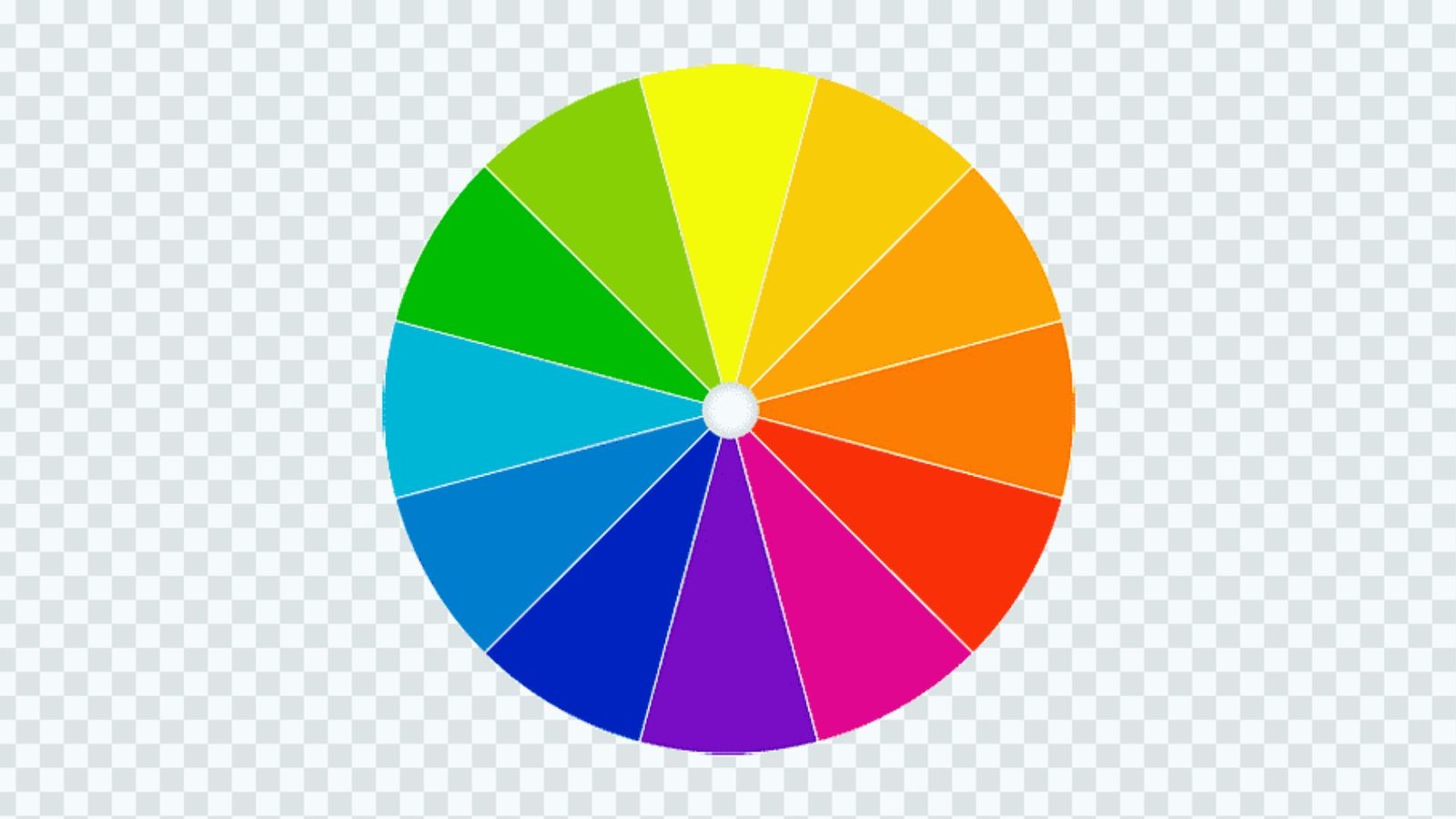
A more detailed color system built to give you a precise match for your natural coloring.
The 16 season color analysis places every person into one of 16 specific categories based on their natural features.
Expanded from the original four-season model, it accounts for greater variation in skin tone, depth, and chroma.
The system relies on three core factors: undertone, value, and chroma. Undertone reveals whether your skin leans warm, cool, or neutral.
Value covers depth of coloring, and chroma distinguishes bright from muted. Together, these three factors pinpoint exactly where you land.
How Does 16 Season Color Analysis Work? (Step-by-Step Guide)
A simple five-step process that takes you from guessing to knowing your exact color season.
Step 1: Identify Your Skin Undertone
The vein test checks if your veins look blue-purple for cool or green for warm. The jewelry test compares how gold and silver look against your skin.
Together these two tests give a clear picture of your undertone direction.
Step 2: Determine Your Value (Light vs Deep)
Value describes how light or dark your natural coloring appears overall. Light skin, hair, and eyes indicate a light value.
Dark hair and deep eyes place you in the deep value range.
Step 3: Analyze Your Chroma (Bright vs Soft)
Bright chroma means vivid, high-contrast features that stand out clearly. Soft chroma means your features blend together with less sharp contrast.
Identifying this helps narrow down which sub-season fits you best.
Step 4: Draping Method Explained
Draping involves holding colored fabrics near your face to observe how your skin reacts.
Certain shades even out your complexion while others bring out shadows or redness. This is the most reliable method professionals use to confirm your season.
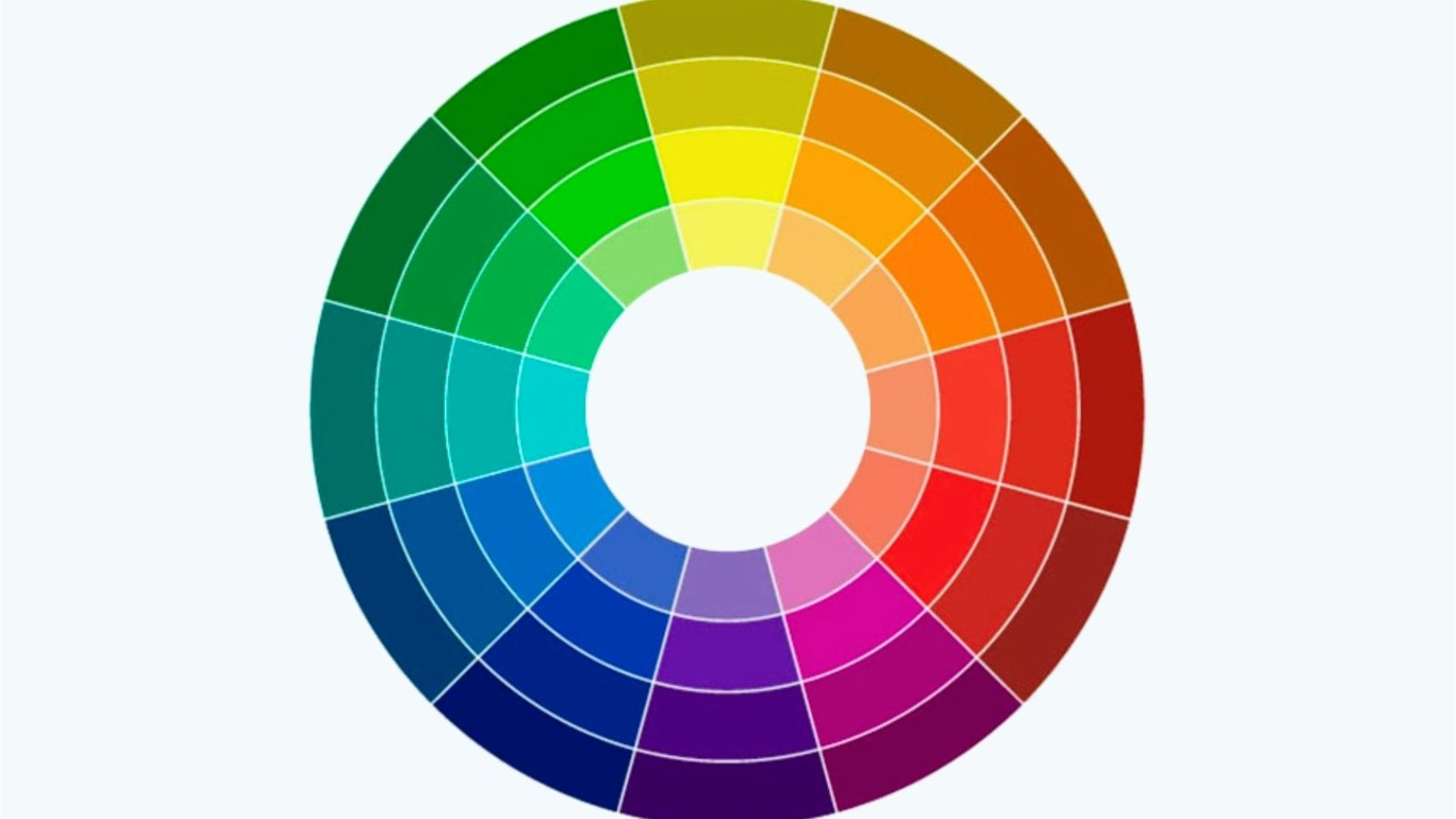
Step 5: Use the Color Analysis Wheel
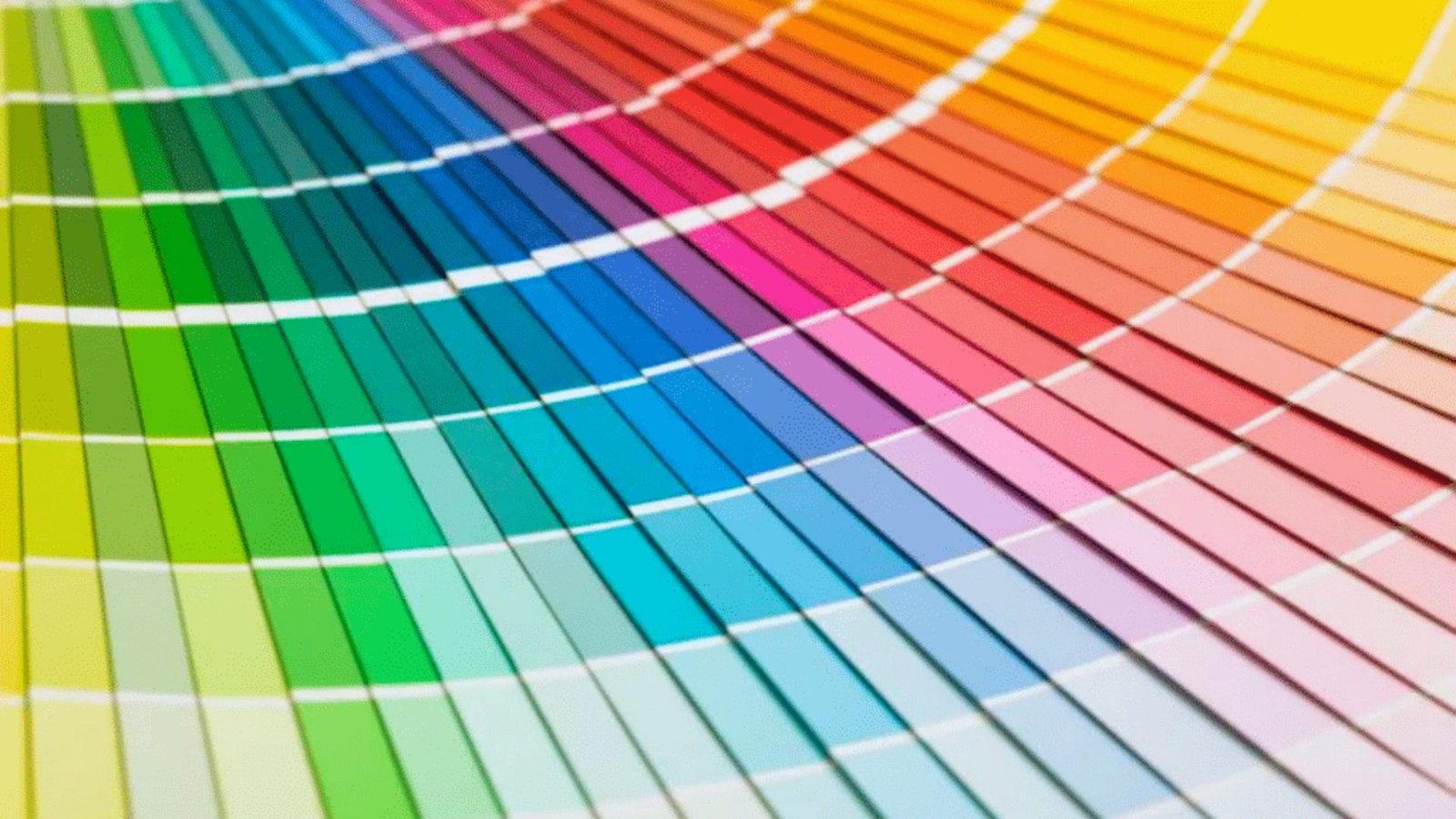
The color analysis wheel shows how hues, tones, and shades relate to each other visually.
It identifies which colors sit in harmony with your season and which create unwanted contrast. Professionals use it to build a balanced and wearable palette for you.
16 Season Color Analysis Test & Quiz Options
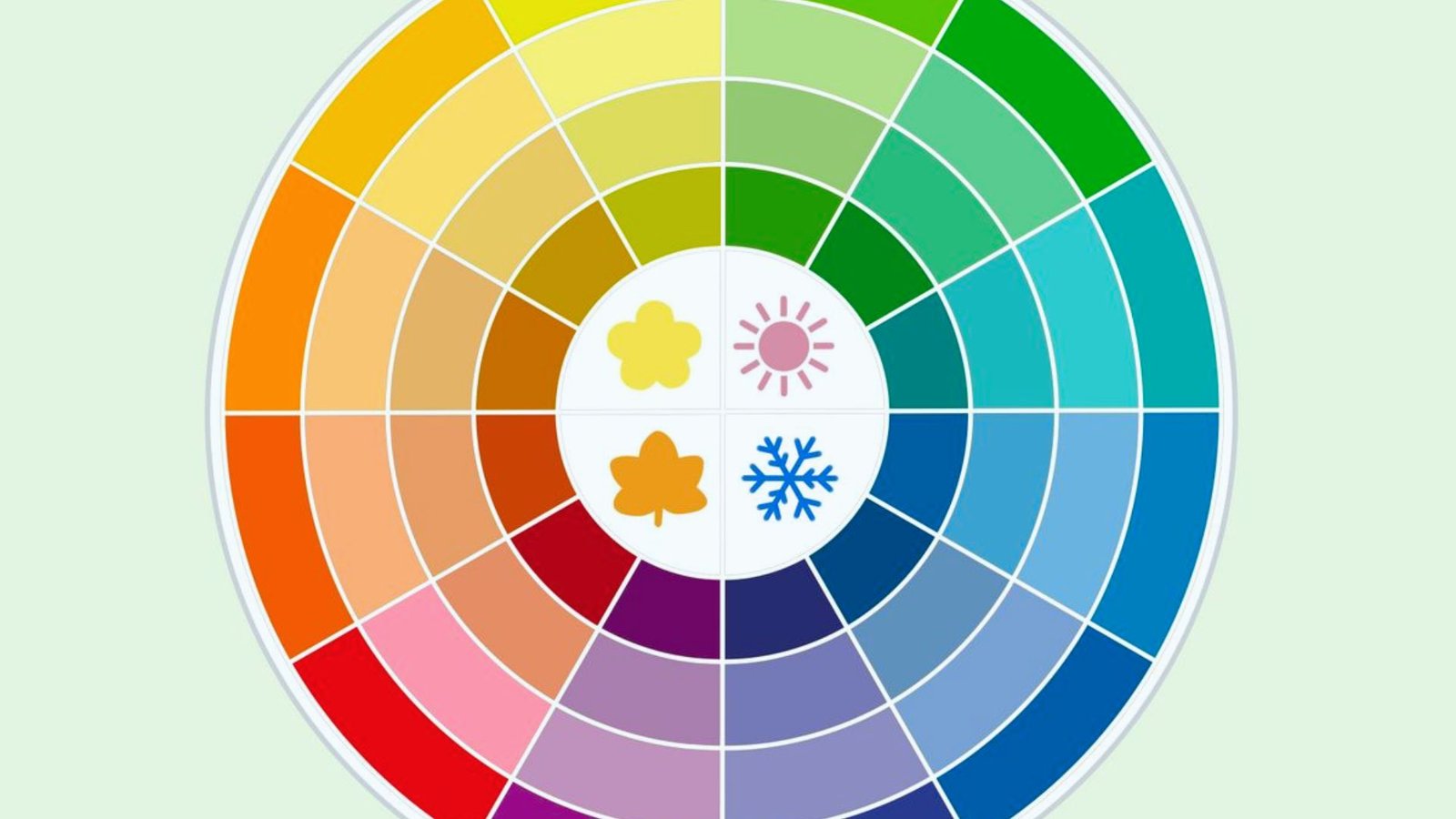
Several ways to find your season before booking a professional session.
16 Season Color Analysis Quiz (Online Tools)
Online quizzes ask about your skin tone, eye color, hair color, and color reactions.
They suggest a likely season from the 16-season chart based on your answers. Results work as a helpful starting point but may not replace physical testing.
Skin Tone 16 Season Color Analysis Test at Home
Test fabric swatches near your bare face in natural daylight for the clearest reading.
Avoid artificial lighting, makeup, and tinted windows during this process. A mix of warm, cool, bright, and muted swatches gives you the best comparison.
Professional vs DIY Results
A trained analyst spots subtle differences in coloring that are hard to catch on your own.
DIY methods help narrow things down but often miss finer details. For a definitive answer, a professional session gives the most accurate result.
Benefits of 16 Season Color Analysis
Real advantages that go beyond just picking prettier colors for your wardrobe.
More Accurate Than Basic Color Systems
The 16-season system covers variations that the 4-season and 12-season models miss.
People with neutral undertones or moderate contrast get a far better category match. This precision leads to better results across clothing, makeup, and accessories.
Improves Your Personal Style
When your wardrobe shares a common color direction, putting outfits together becomes much easier.
Your colors work with each other and with your natural features. This leads to a more consistent and intentional personal style.
Improves Appearance & Confidence
Wearing your season’s colors makes your skin look healthier and more even. People often notice how fresh and awake you look in the right shades.
That visible difference has a direct effect on your confidence day to day.
Saves Time & Money
A clear palette stops you from buying shades that never get worn.
Every purchase becomes more intentional because you know what works for your coloring. Over time this reduces wardrobe waste and saves real money.
Common Mistakes to Avoid in Color Analysis
Small errors during the process can push you toward the wrong season entirely.
- Testing colors under artificial or yellow-tinted lighting instead of natural daylight
- Relying only on skin tone while ignoring undertone, value, and chroma
- Skipping chroma and contrast analysis which are just as important as undertone
- Trusting online quizzes that use vague questions and give broad inaccurate results
- Forcing yourself into a season that feels close but does not fully match your features
How to Apply Your Color Season in Real Life

Practical ways to use your season across your wardrobe, makeup, and accessories.
Wardrobe Styling Tips
Start with the neutrals in your palette and build your everyday basics around them. Add accent shades through tops, outerwear, and statement pieces to bring color in.
Always test new purchases under natural light and keep a small swatch card of your palette when shopping.
Makeup Based on Your Season
Your season guides which foundation undertones, blush shades, and lip colors suit your skin. Warm seasons work well with peachy, golden, and bronze tones.
Cool seasons look better with pinks, berries, mauves, and soft cool browns.
Accessories & Jewelry Guide
Gold jewelry suits warm seasons like Spring and Autumn, while silver works better for Summer and Winter.
Neutral seasons can often wear both depending on the outfit. Accessories in your palette shades pull a look together without clashing.
Pro Tips for Accurate 16 Season Color Analysis
A few simple habits during testing can make your results far more reliable and precise.
- Always test colors in natural daylight near a window for the most accurate reading
- Use a plain white or gray background behind swatches so no surface color skews your results
- Remove all makeup before testing so your natural skin tone and undertone show clearly
- Compare warm versus cool and bright versus muted shades side by side at the same time
- Pay attention to which colors consistently get you compliments as real-life feedback rarely lies
Conclusion
The 16 season color analysis genuinely changed how I approach getting dressed.
Instead of guessing, I finally had a clear direction that made everything easier.
Once you know your season, choosing clothes, makeup, and accessories starts to feel natural rather than overwhelming.
It is one of those things that seems small but makes a real difference in how you look and feel every day.
Try a quiz or do a simple drape test at home and see what you find. Drop your season in the comments and let me know how it went.
Frequently Asked Questions
What is 16 season color analysis?
It is a color system that places you into one of 16 categories based on your undertone, value, and chroma. It gives a more precise palette match than the traditional four-season model.
How does a 16 season color analysis test work?
It evaluates your undertone, depth, and chroma through methods like draping, vein tests, and jewelry comparisons. Your results are then matched to one of the 16 seasonal palettes.
What is the difference between 12 vs 16 season color analysis?
The 12-season system leaves gaps for people with complex or mixed coloring. The 16-season system adds extra categories to cover those in-between types more accurately.
Can I do a 16 season color analysis quiz at home?
Yes, online quizzes and DIY swatch testing give you a solid starting point for finding your season. Natural light and makeup-free skin give you the most accurate result at home.
Which 16 season color analysis palette is best for me?
The best palette matches your specific undertone, value, and chroma rather than what simply appeals to you visually. Testing fabric swatches in natural light is the most reliable way to find your correct match.