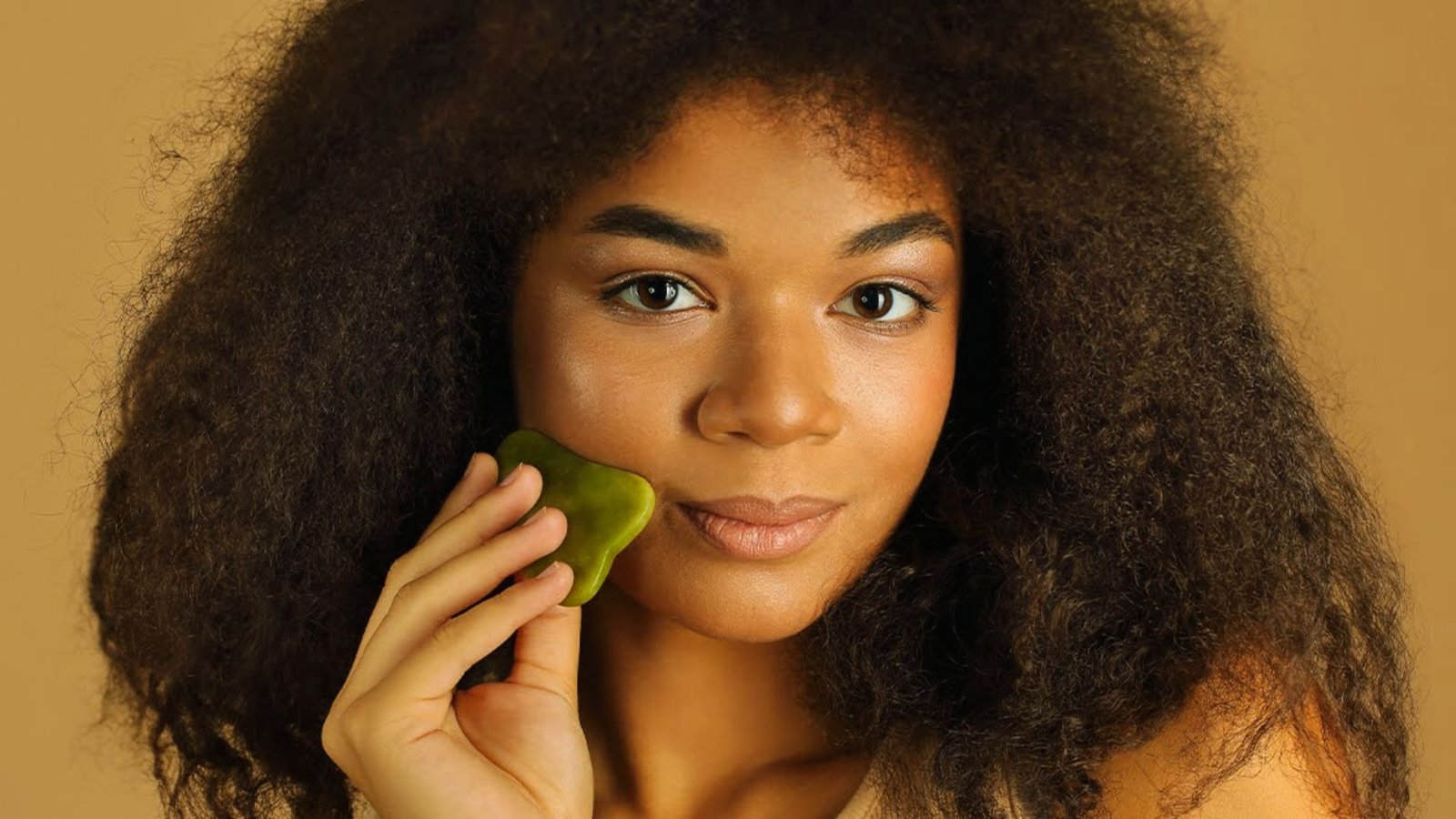
Is caramel skin tone light or dark? This question trips up a lot of people, and I completely understand why.
I spent way too long searching for a clear answer and kept finding vague, conflicting opinions that left me more confused than before.
In this blog, you will find out exactly where caramel skin tone falls on the spectrum, why it sparks so much debate, and how to identify your own tone at home.
I have pulled together real, reliable information so you leave with actual clarity, not more confusion.
What Is Caramel Skin Tone?
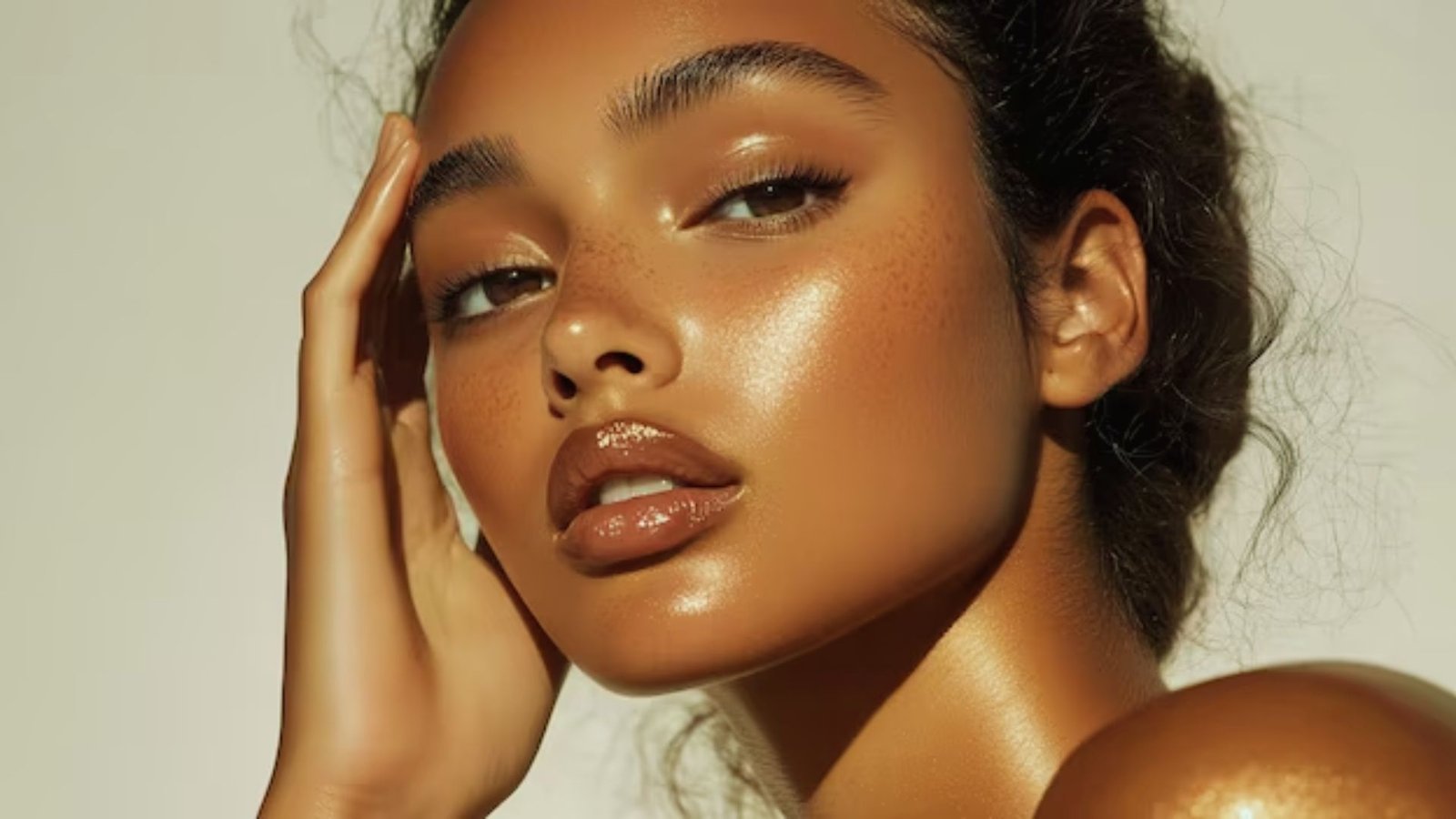
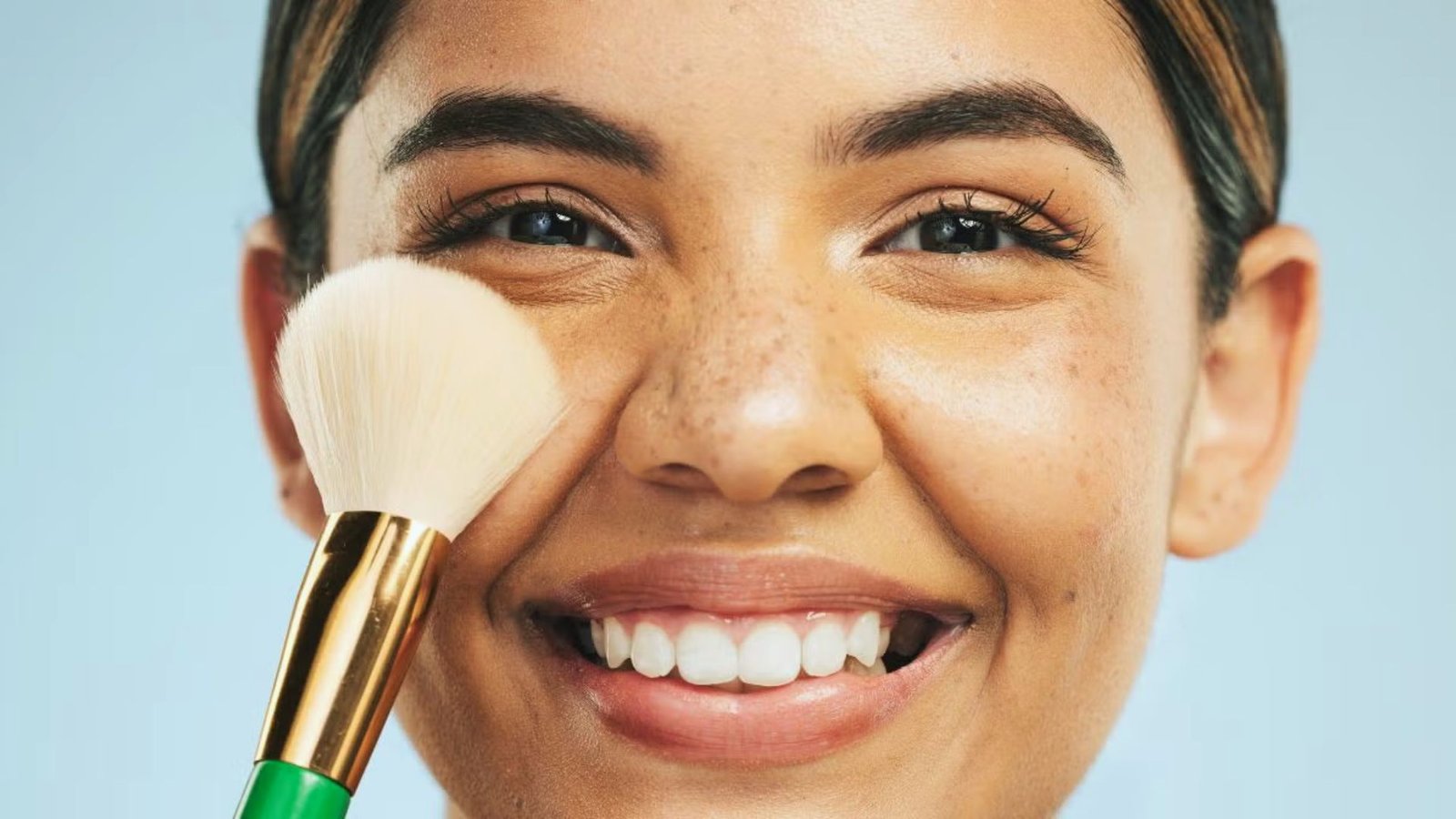
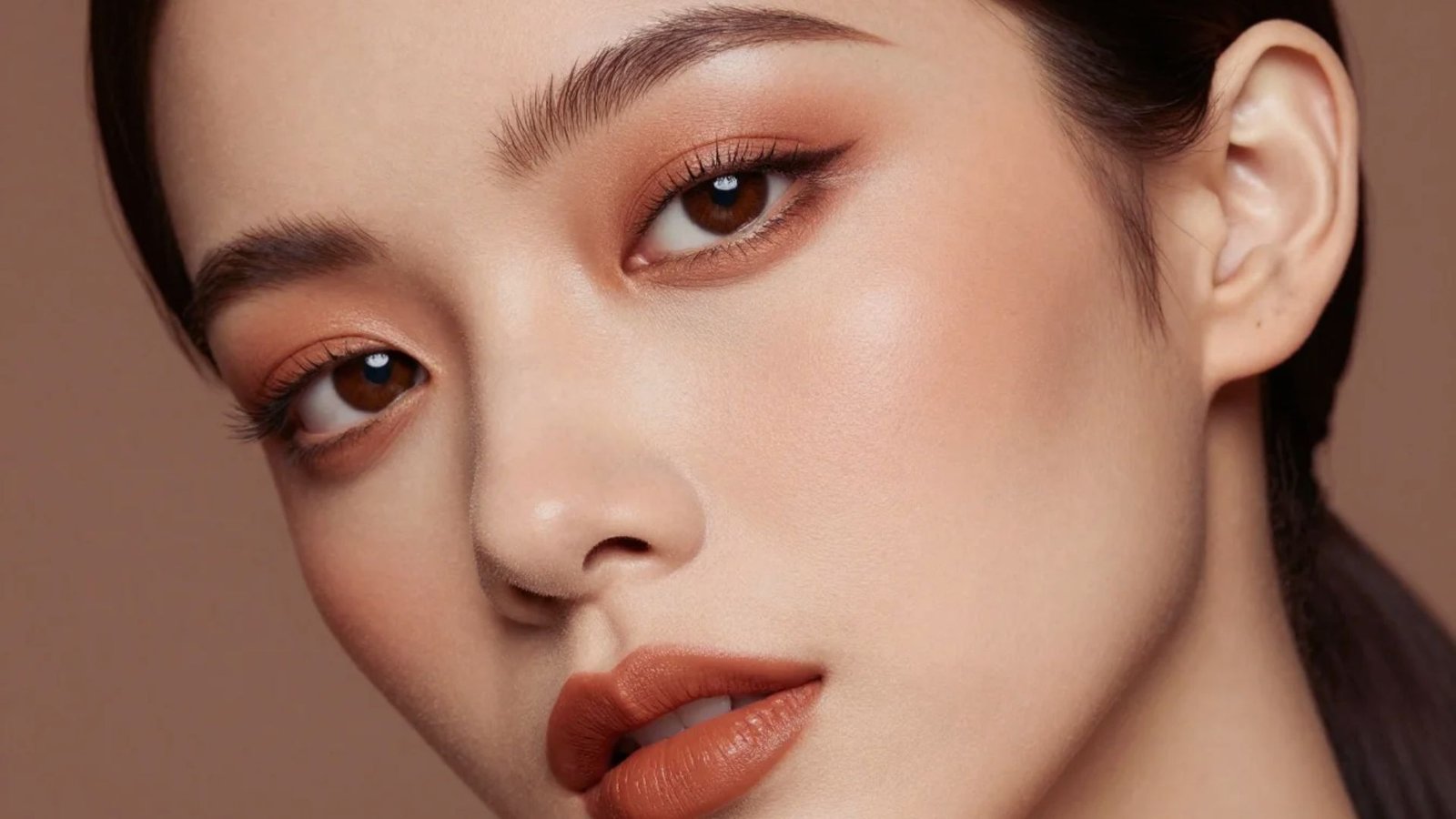
Caramel skin tone is a warm, golden-brown complexion that sits in the medium range of the skin tone spectrum.
It is often compared to the color of light caramel candy, with a honey-like quality that looks rich but not deep.
On the Fitzpatrick scale, it typically falls between Type III and Type IV. This tone appears naturally across many ethnicities worldwide.
It is warmer and deeper than fair skin but lighter than what most people call brown or dark skin.
The word itself means different things to different people, which is where most of the confusion begins.
Is Caramel Skin Tone Light or Dark?
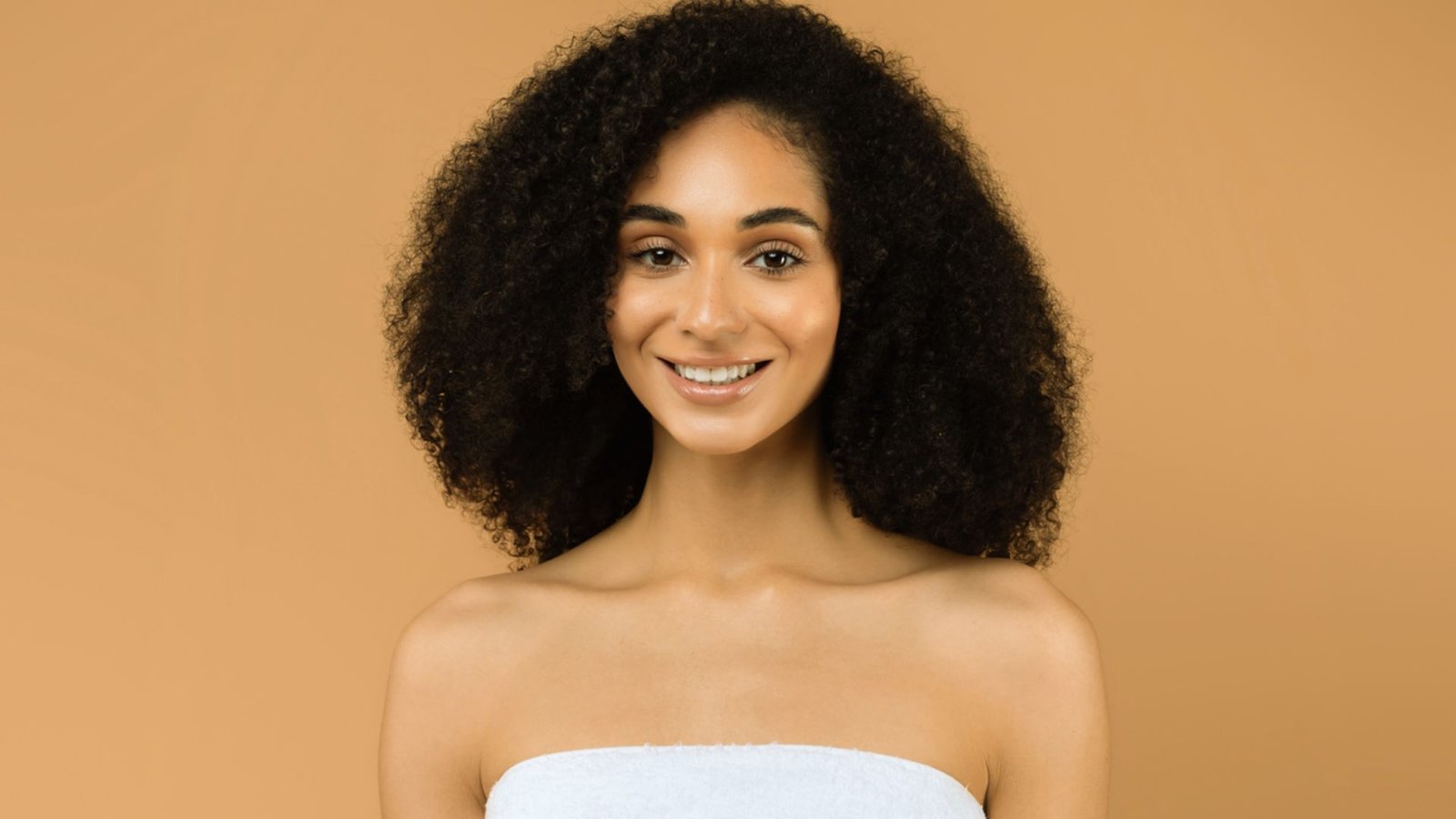
The answer depends on who you ask, and here is why everyone seems to disagree.
Why People Disagree on Caramel Skin Tone Classification
Caramel is a food word, not a scientific term for skin. When applied to skin, it means something slightly different to everyone.
Someone with a lighter complexion and someone with a deeper complexion can both call their skin caramel, and that overlap is where the debate starts.
Arguments for Caramel Skin Tone Being Light
Compared to chocolate or mahogany skin tones, caramel clearly appears lighter. Many beauty product lines place caramel shades in the light to medium category.
This is why a portion of people firmly believe caramel leans on the lighter side.
Arguments for Caramel Skin Tone Being Medium or Dark
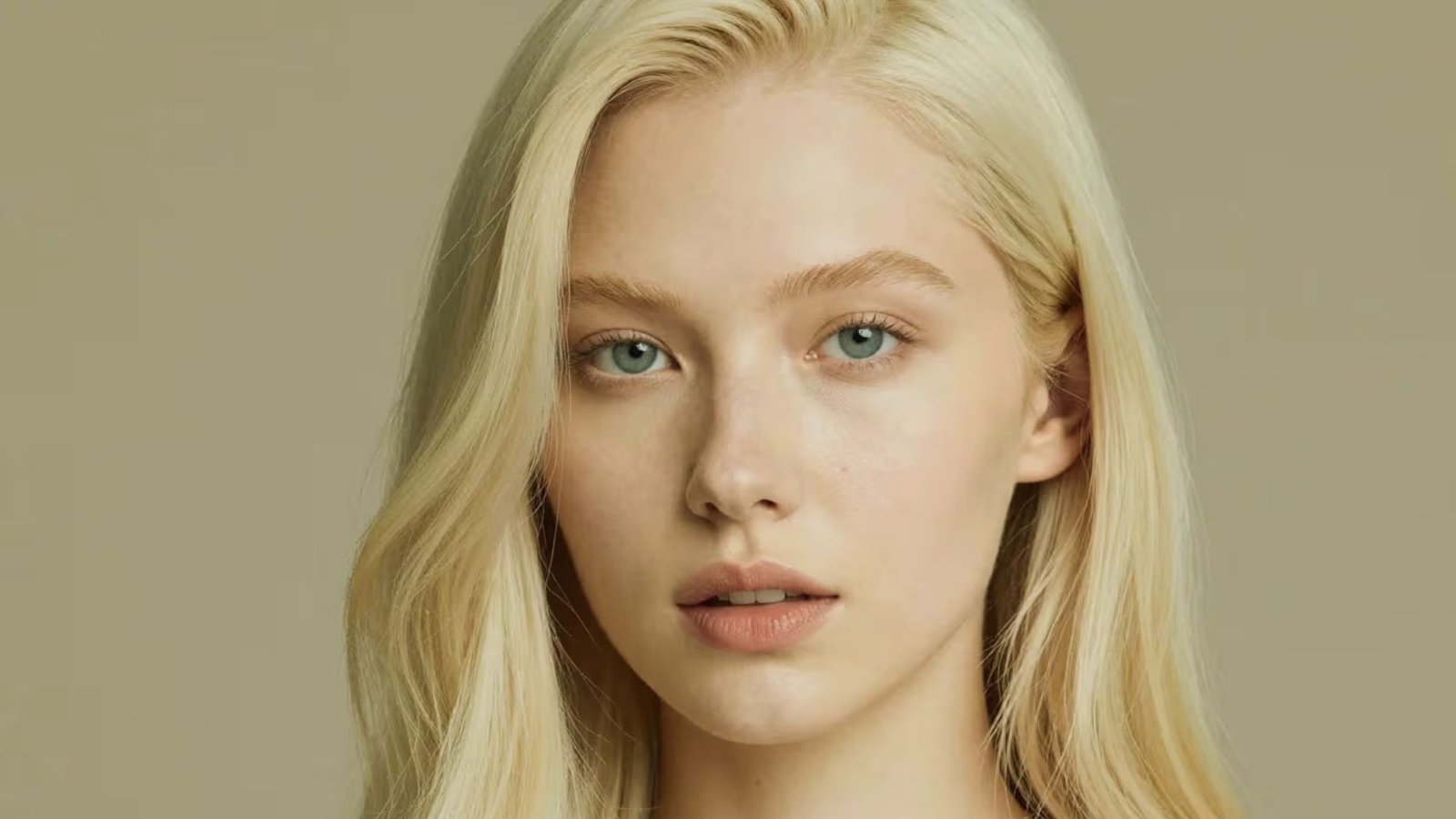
People with fair or pale skin see caramel as several shades deeper than their own tone. In many foundation ranges, caramel is placed in the medium to medium-deep category.
For a large group of consumers, caramel is far from light.
Role of Undertones in the Light vs Dark Debate
A caramel tone with golden undertones looks brighter and therefore lighter. The same tone with reddish undertones can appear deeper and richer.
Two people with the same base shade can look very different because of undertones alone.
What Experts and Color Theory Say
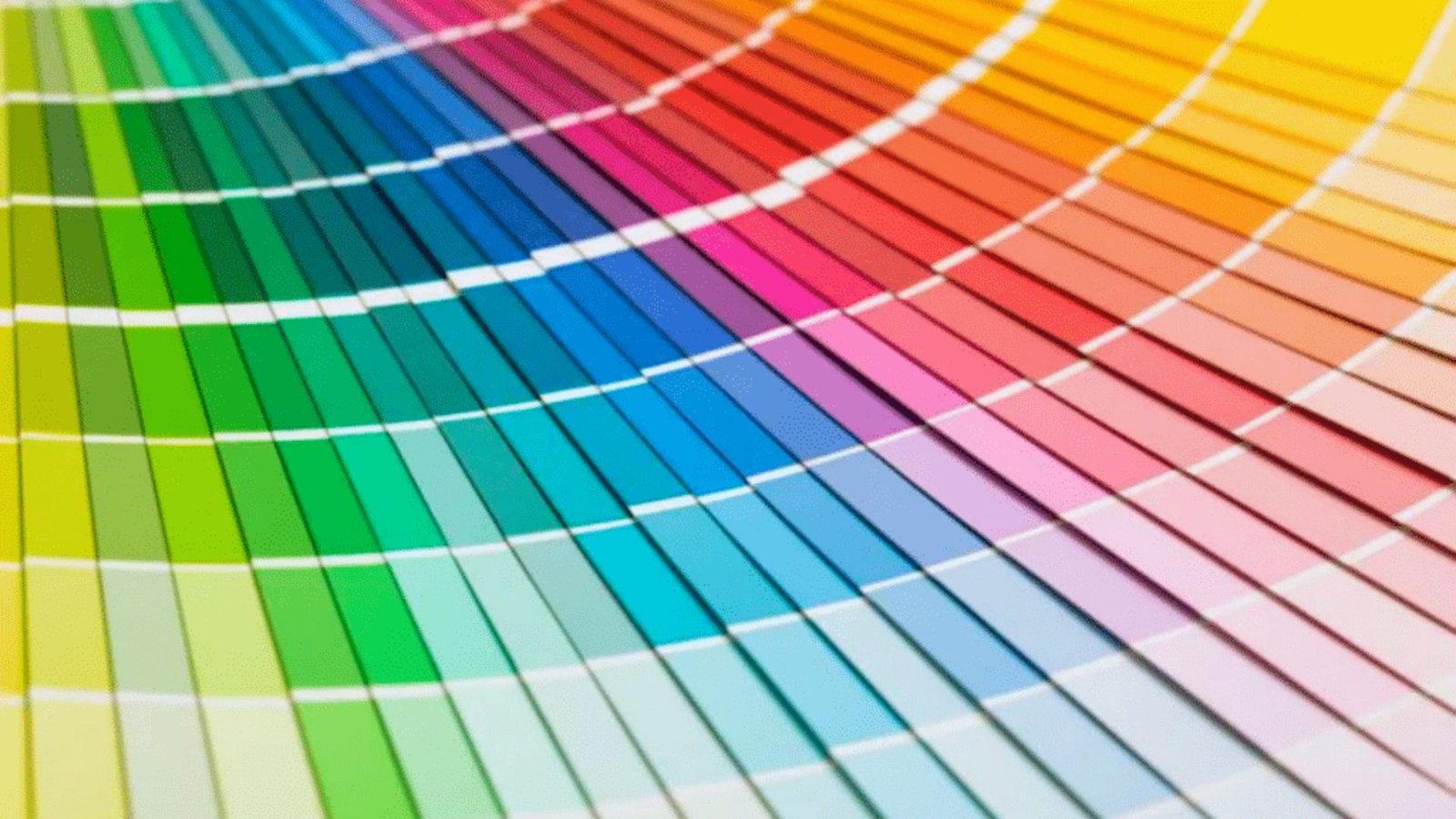
Color theory places caramel firmly in the medium range of the spectrum. Makeup artists and dermatologists describe it as a warm medium tone with golden or bronze undertones.
It has too much pigmentation to be light but lacks the depth needed to be called dark.
Final Answer: Is Caramel Skin Tone Light or Dark?
Caramel skin tone is medium. It is not light and it is not dark.
In most professional and beauty-industry classifications, caramel sits in the middle of the spectrum with a warm, golden quality.
Public Opinions on Caramel Skin Tone Classification
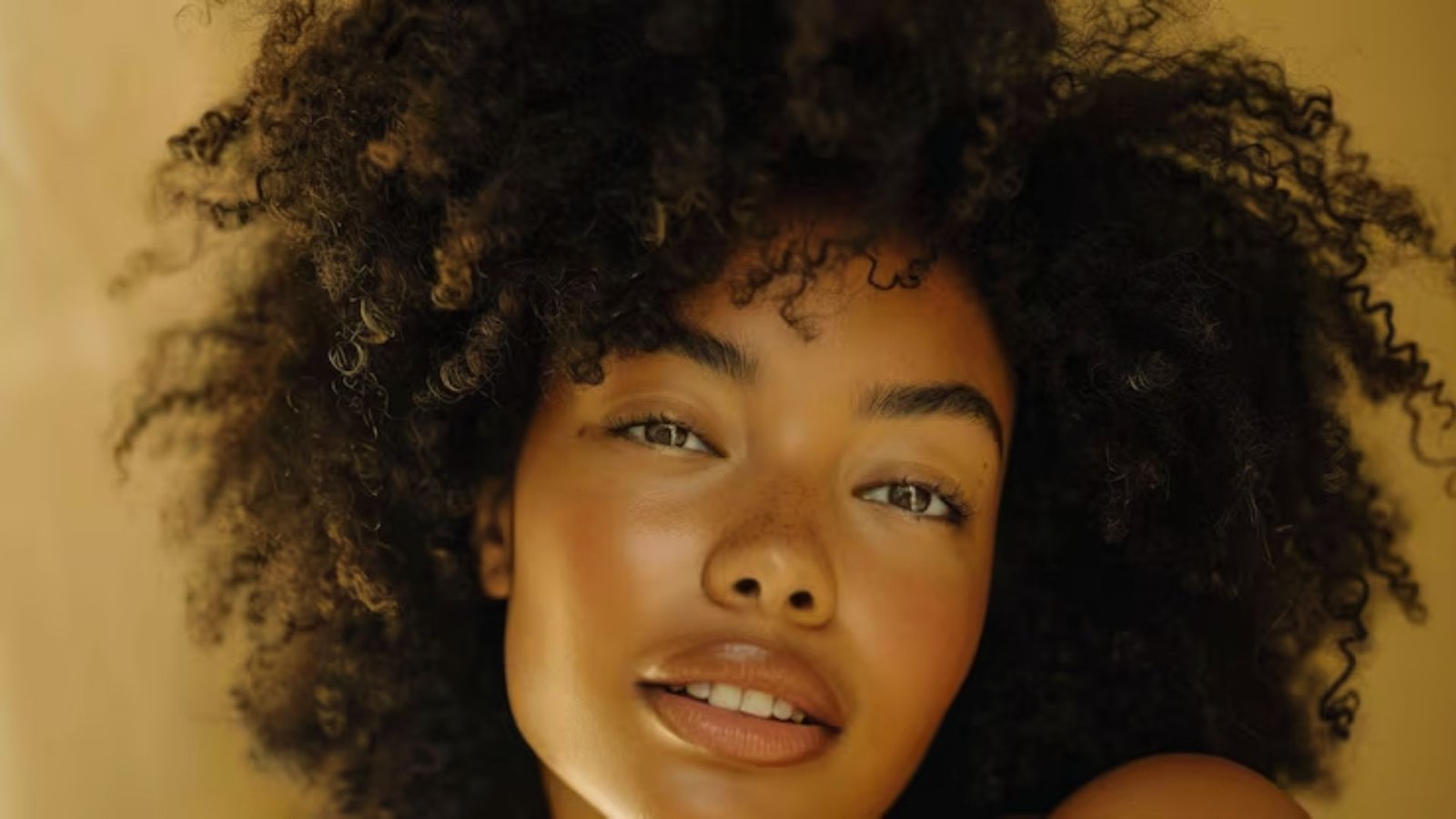
People online have strong opinions about this, and the conversation gets personal very quickly.
How People Perceive Caramel Skin Tone
Perception always depends on your own skin tone as a reference point. People with very fair skin see caramel as dark, while people with very deep skin see it as light.
Skin tone perception is always relative to what someone is used to seeing.
Social Media and Beauty Industry Views
Beauty brands regularly use the word caramel in product names to appeal to medium skin tone buyers.
Influencers with caramel skin tones have helped build a positive image around the shade. In the beauty industry, caramel is consistently placed in the medium tier of foundations and concealers.
Why Caramel Skin Tone Sparks Debate Online
People feel personally connected to their skin tone identity, which makes the debate emotional.
When someone calls caramel light or dark, those who identify with the label often push back. There is no single authority on what caramel means, so the conversation keeps going.
Common Misconceptions About Caramel Skin Tone
Many people believe caramel refers to just one specific shade, but it actually covers a range.
Others assume caramel skin always comes with warm undertones, which is not always true. Caramel and tan are also frequently confused, even though they are different in origin and quality.
Why Caramel Skin Tone Is Hard to Classify
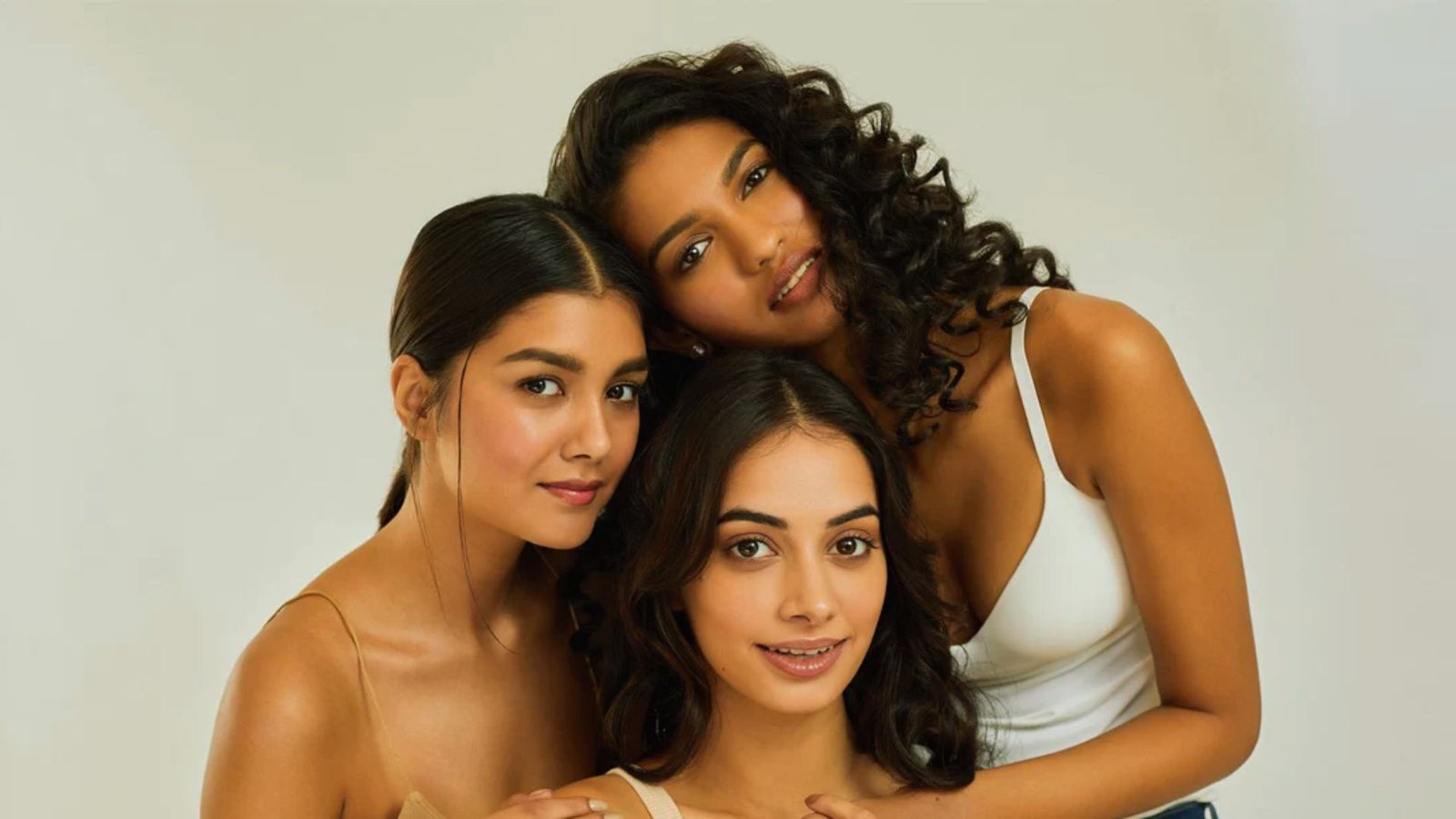
Several real factors make caramel skin tone difficult to place in one fixed category.
Confusion Between Skin Tone and Undertone
Skin tone is the surface color you see at first glance, while undertone is the color sitting beneath it.
Many people mix these two up when describing their complexion. Without knowing both, any skin tone classification will always feel incomplete or off.
Lighting, Filters, and Seasonal Changes
Caramel skin can look darker under yellow indoor light and lighter under natural white light.
Social media filters distort the true shade further, making classification from photos unreliable. Sun exposure in summer deepens caramel skin, while winter often makes it appear a shade or two lighter.
Cultural Perception and Beauty Standards
Different cultures define light, medium, and dark skin in very different ways. In some communities, caramel is considered light, while in others it is considered dark.
These deeply rooted beauty standards make a single universal classification nearly impossible to agree on.
Why the Same Skin Tone Looks Different on Different People
Genetics, diet, skincare, and lifestyle all affect how skin appears day to day. Hair color and eye color also change how a skin tone reads visually.
The same caramel shade can look lighter next to dark hair and deeper next to lighter hair.
Tips to Maintain and Care for Caramel Skin Tone
Simple daily habits go a long way in keeping caramel skin healthy and glowing.
- Apply SPF 30 or higher every morning to prevent dark spots from deepening
- Use a gentle cleanser and lightweight moisturizer with niacinamide or hyaluronic acid
- Add a vitamin C serum to your routine to keep your tone even and bright
- Exfoliate two to three times a week to remove dead skin buildup
- Match your foundation to your neck color and choose warm or neutral-based shades
Conclusion
Caramel skin tone is medium. It is not strictly light and it is not strictly dark. It lives on a spectrum, and where you fall within that range depends on your shade, undertones, and context.
I used to get caught up in labels, but once I focused on understanding my own tone and what worked for it, everything became easier.
Stop chasing a category and start learning your skin. If this helped you, drop a comment, share it with a friend, or check out our related skincare guides.
Frequently Asked Questions
Is caramel skin tone considered light or dark?
Caramel skin tone is classified as medium on the skin tone spectrum. It is darker than fair skin and lighter than deep brown skin.
Can caramel skin tone change with seasons?
Yes, sun exposure in summer can deepen caramel skin into a richer tan. In winter, with less sun, it may appear slightly lighter or more golden.
What undertone is most common in caramel skin tone?
Warm undertones are the most common in caramel skin tone. Most people with this shade have golden, yellow, or orange tints beneath the surface.
How is caramel skin tone different from tan skin tone?
Tan skin is a color gained through sun exposure, while caramel is a natural complexion. Caramel has a golden warmth to it that goes beyond just sun-darkened skin.
Does caramel skin tone look different on different people?
Yes, undertones, hair color, eye color, and lighting all affect how caramel skin appears. Two people with the same base tone can look quite different because of these individual factors.