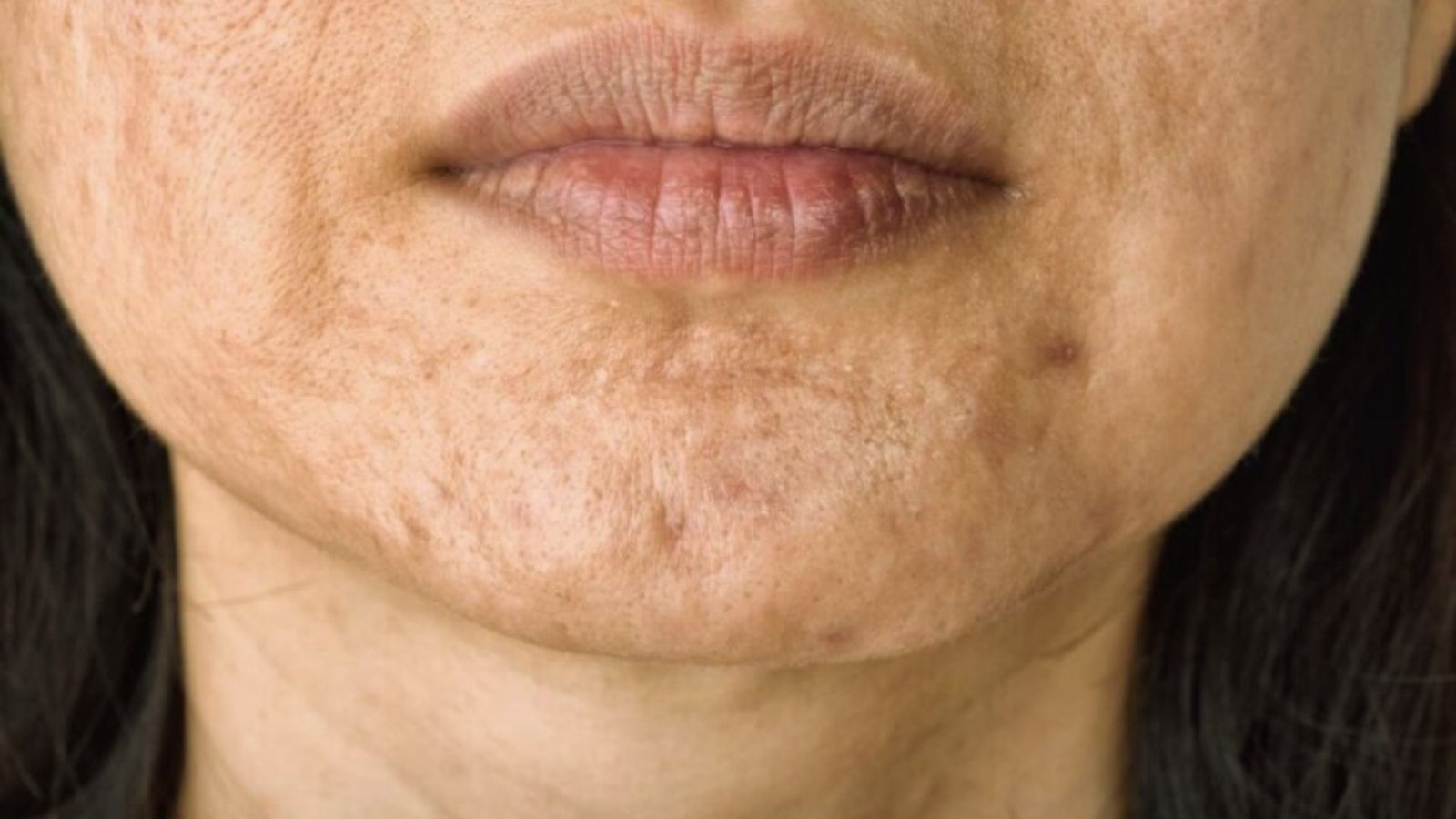
Scars can be stubborn, and finding something that actually works feels overwhelming.
I have tried many products myself, and exfoliation was one that genuinely helped, but only when
I understood what it could and could not do. In this article, you will learn how exfoliation works on acne scars, which ingredients are most effective, and how to use them safely.
We will also cover realistic expectations and when to consider professional help. This guide gives you clear, honest answers backed by research and real experience.
What Is Exfoliation and How Does It Work?

Understanding how exfoliation works helps you use it the right way for better skin results.
Exfoliating removes the top layer of dead skin cells that build up over time.
This buildup makes skin look dull and uneven. Once cleared away, new skin cells rise to the surface faster, leaving your skin brighter and smoother.
Your skin naturally replaces old cells through a process called cell turnover. When this slows down, scars and dark spots linger longer.
Exfoliation speeds that process up, helping your skin repair itself more quickly.
Does Exfoliating Reduce or Remove Acne Scars?
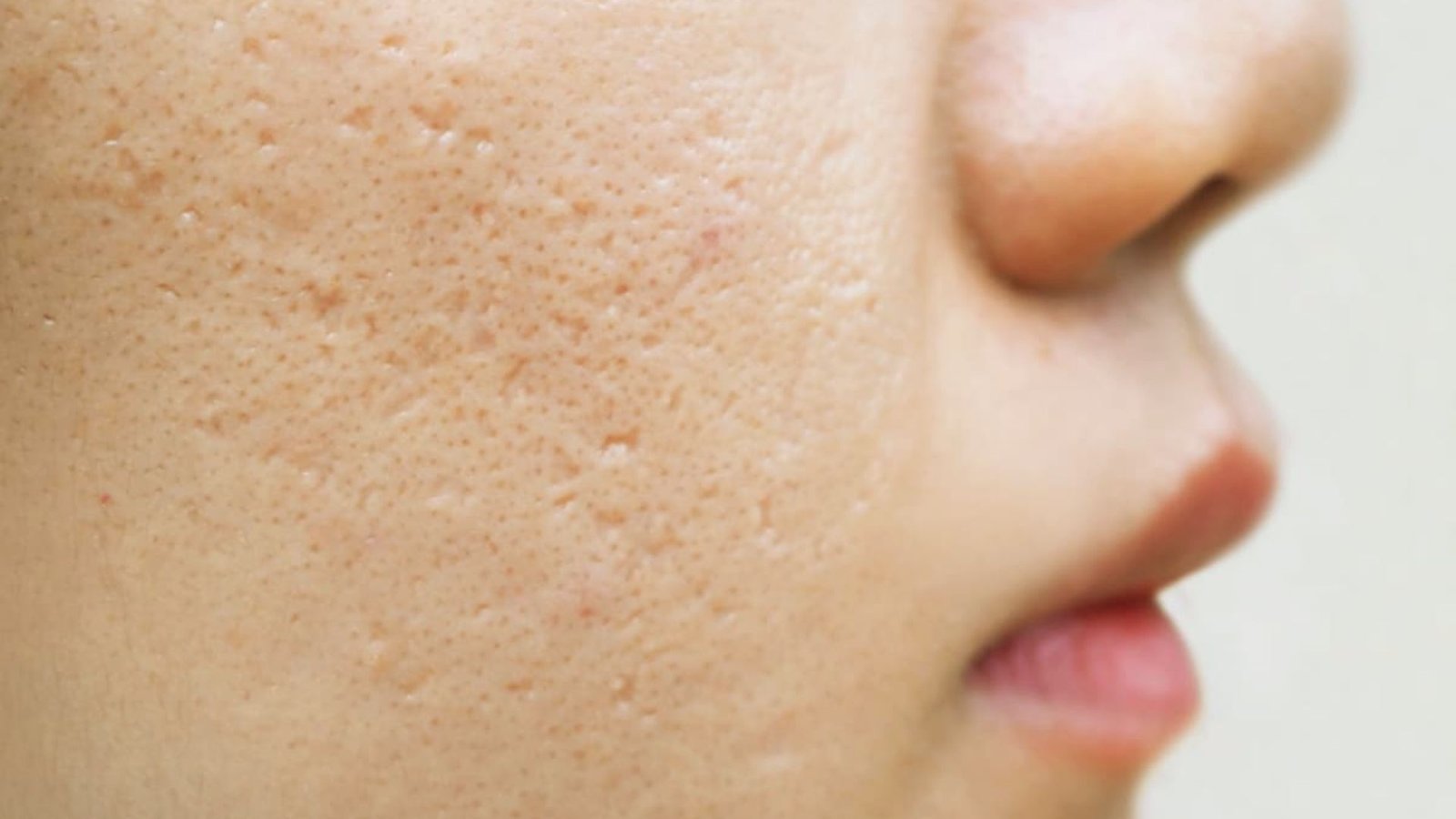
Here is the honest breakdown of what exfoliation can and cannot do for acne scars.
Can Exfoliation Reduce Acne Scars?
Yes, exfoliation can reduce surface-level acne scars and dark spots left after breakouts. It works by removing dead skin cells and evening out skin tone. Many people notice a visible difference after a few weeks of consistent use.
Can Exfoliation Completely Remove Scars?
No, exfoliation cannot completely remove scars. Deep scars like icepick or boxcar scars form in the lower layers of skin tissue, and no topical exfoliant can reach there. These require professional treatments to see real results.
What Results Can You Realistically Expect?
Expect gradual improvement over four to six weeks of regular use. Dark spots may fade and skin may feel softer and look more even. Deeper scars may appear slightly less visible, but full removal is not realistic with exfoliation alone.
How Exfoliating Helps Improve Skin Appearance

Exfoliation does more than just target scars. It improves your overall skin health in several ways.
Smoothing Rough and Uneven Texture
Dead skin cells pile up and create a rough, uneven surface over time. Regular exfoliation removes this buildup and leaves skin feeling noticeably softer.
For acne scars, this smoothing effect helps the skin look more even and less marked.
Fading Dark Spots and Hyperpigmentation
Chemical exfoliants like AHAs and BHAs speed up the shedding of pigmented skin cells. This encourages fresher, lighter skin to grow in its place. With consistent use, dark spots become less visible and skin tone looks more even.
Boosting Collagen Production
Some chemical exfoliants signal the skin to produce more collagen, the protein that keeps skin firm. More collagen means better skin structure and a smoother surface.
Over time, this adds to the overall improvement in mild scarring.
Types of Exfoliation for Acne Scars
Not all exfoliation methods are the same. Knowing the differences helps you choose what works best for your skin.
Chemical Exfoliation
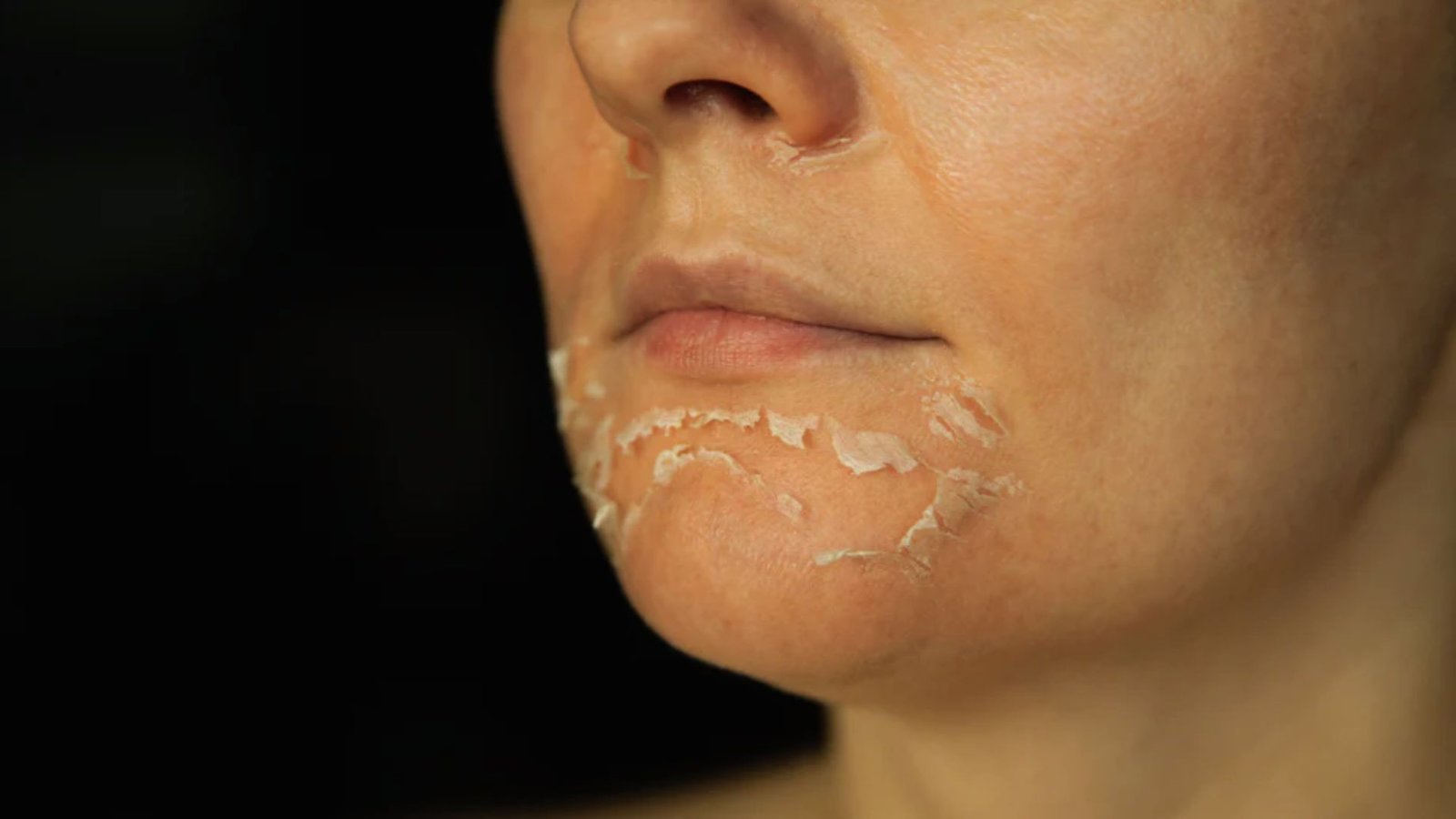
Chemical exfoliants use acids to dissolve dead skin cells from the surface.
AHAs like glycolic and lactic acid target dark spots, while BHAs like salicylic acid go deeper into pores. They give more consistent results than physical scrubs when used correctly.
Physical Exfoliation
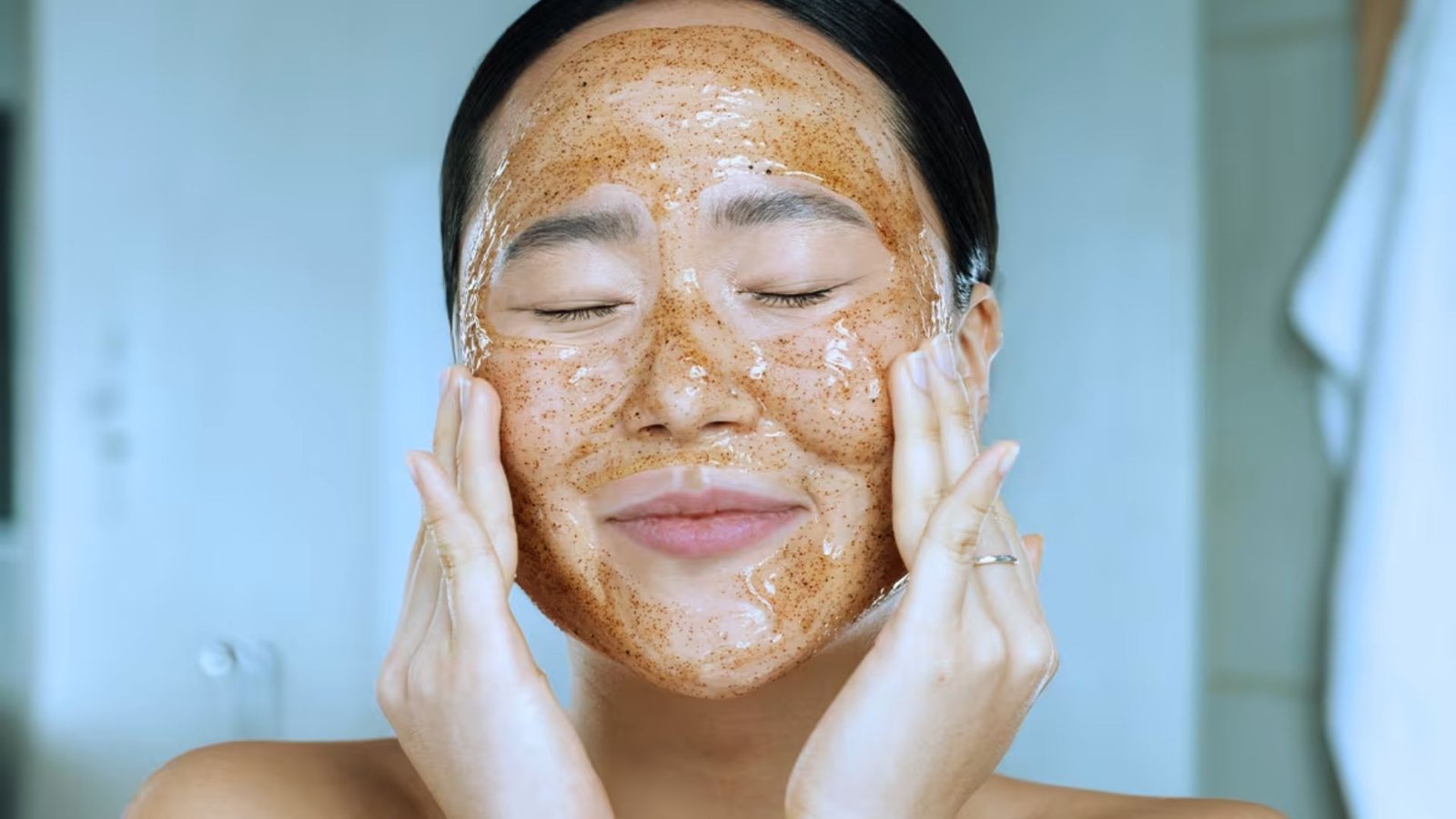
Physical scrubs and brushes remove dead cells through friction but come with risks.
Using them too hard or too often causes irritation, redness, and new breakouts. For acne-prone skin, always use fine-grain scrubs with very light pressure.
Enzyme Exfoliation
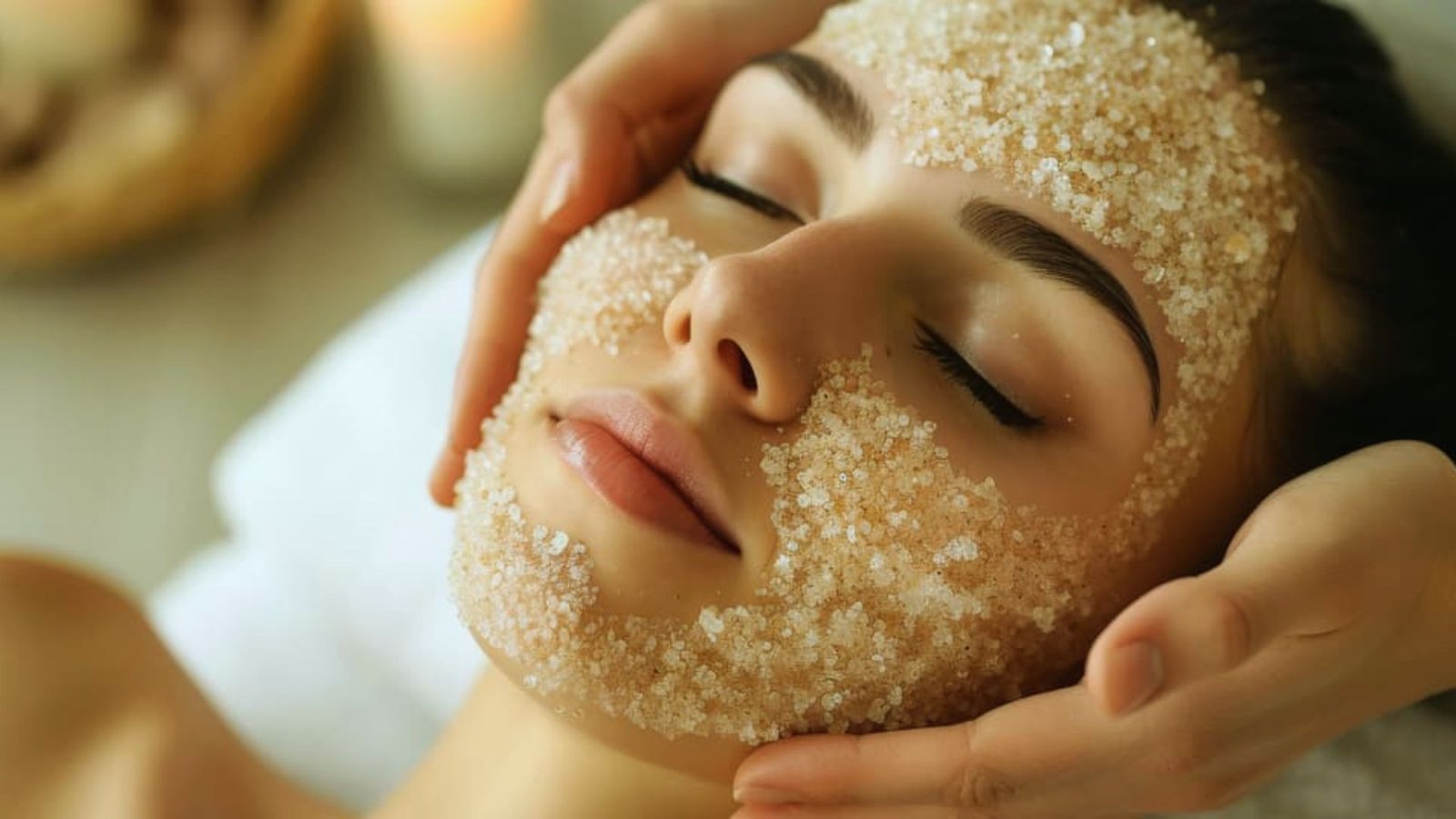
Enzyme exfoliants from papaya and pineapple break down dead skin cells without strong acids or scrubbing.
They are the gentlest option and work well for sensitive skin types. Results are slower but much safer for reactive skin.
How Often Should You Exfoliate for Best Results?

Using exfoliation the right way matters just as much as choosing the right product.
Ideal Frequency by Skin Type
Oily skin can handle exfoliation two to three times a week, while dry or sensitive skin does better once a week.
Normal skin usually works well with two sessions per week. Always start slow and increase only if your skin responds without irritation.
Signs You Are Over-Exfoliating
Watch for redness that does not settle, skin that stings after washing, increased breakouts, or a raw shiny look.
Flaking beyond normal shedding is also a warning sign. If any of these appear, reduce frequency and give your skin barrier time to recover.
When to Consider Professional Treatments for Acne Scars
Sometimes exfoliation is not enough. Professional options go deeper and deliver stronger results.
Chemical Peels
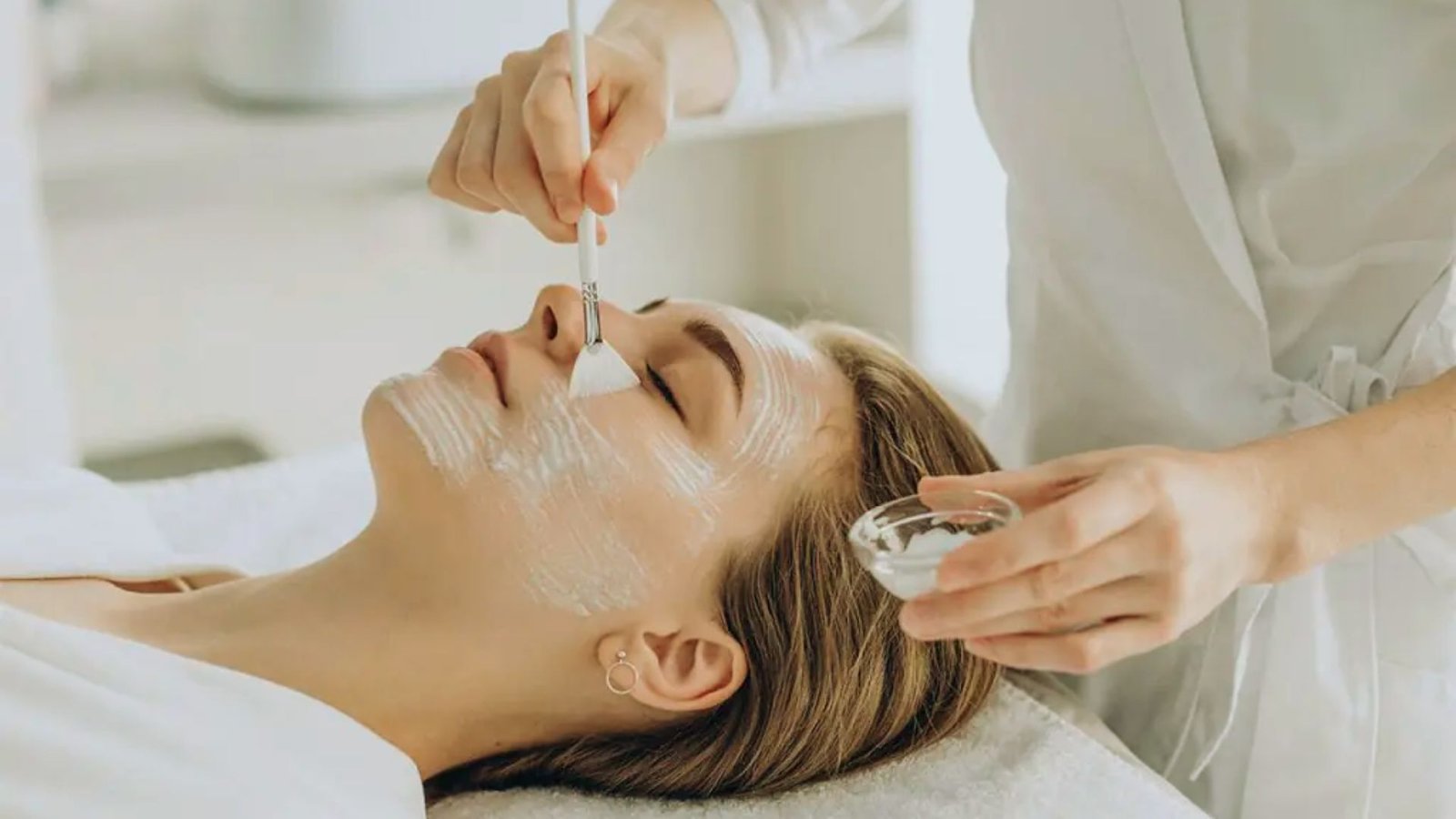
A dermatologist applies a concentrated acid solution that removes multiple layers of skin at once.
This stimulates new skin growth and significantly improves the appearance of acne scars. Results are more dramatic than anything you can achieve with at-home products.
Laser Treatments
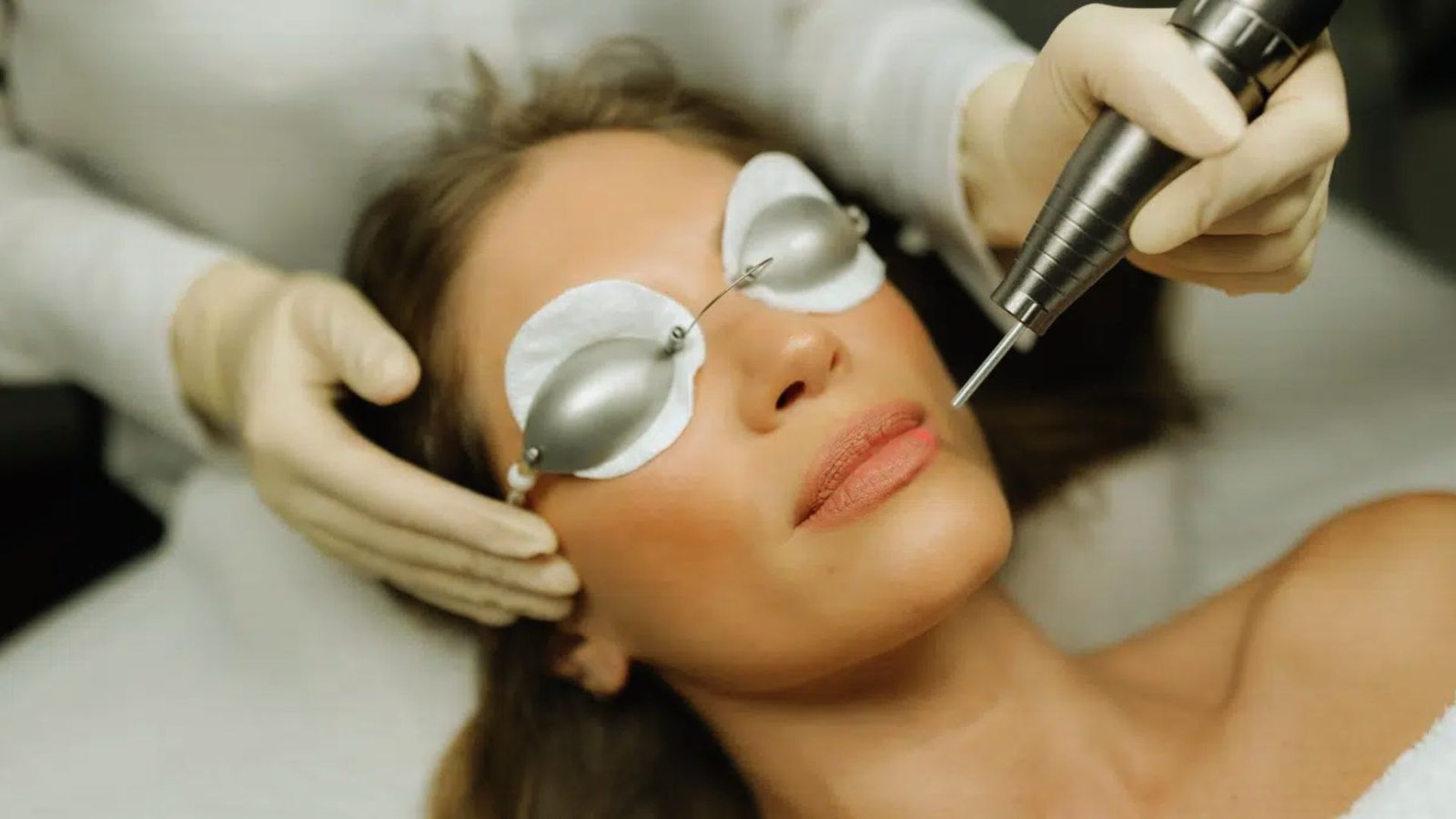
Laser treatments use focused light energy to target scar tissue and boost collagen production.
A dermatologist will choose the right laser based on your skin type and scar depth. Results can be long-lasting and noticeably improve both skin texture and tone.
Microneedling
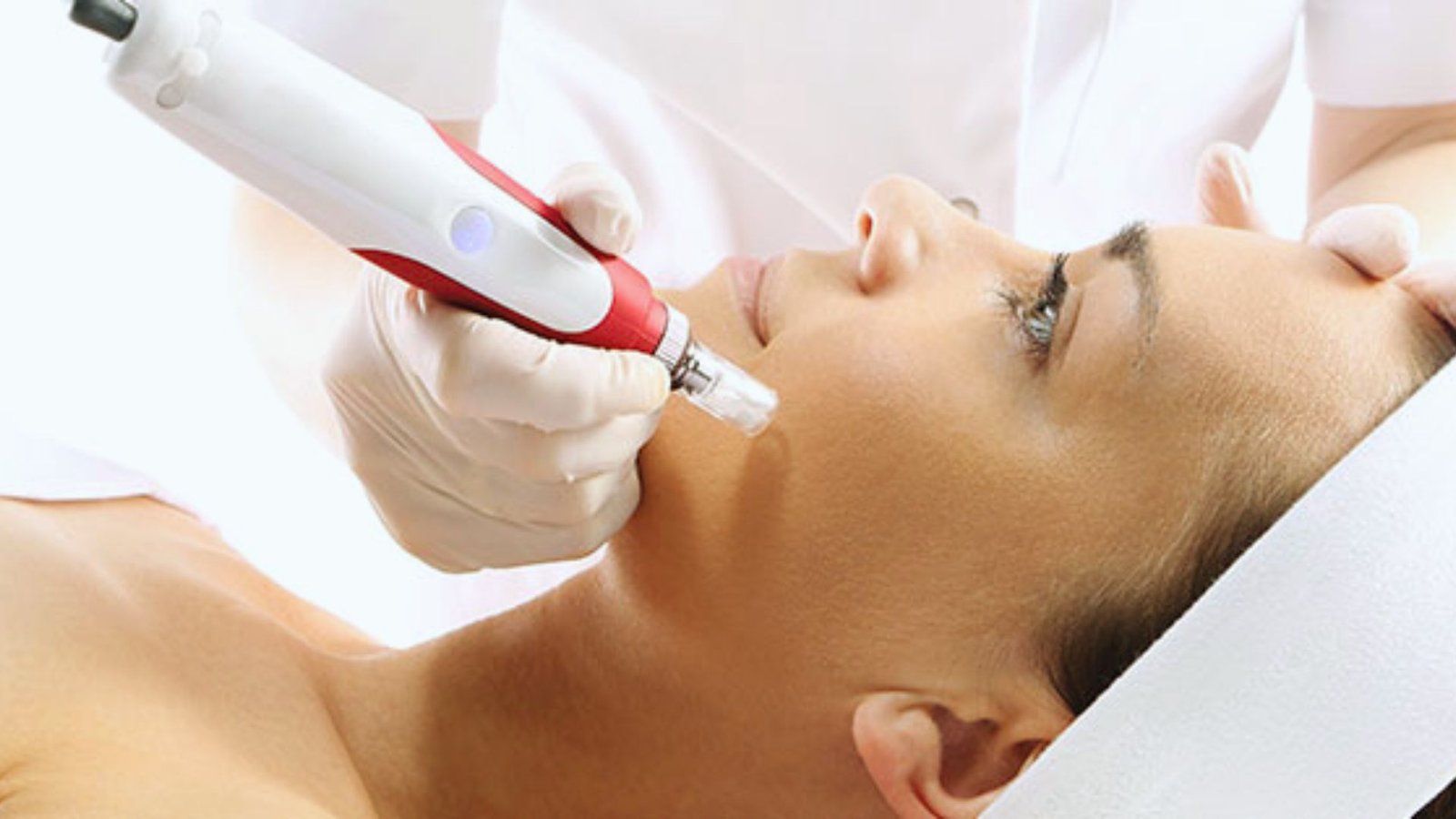
Microneedling uses tiny needles to create controlled injuries that trigger collagen and elastin production.
It works especially well for rolling and boxcar scars. Professional sessions give far better results than at-home rollers and a series of treatments is usually recommended.
Tips to Use Exfoliation Safely for Acne Scars
Follow these simple steps to get better results while protecting your skin from damage.
- Start with a patch test before applying any new exfoliant to your full face
- Begin with a low concentration and use it once a week before building up
- Choose gentle formulations, especially if your skin is sensitive or prone to reactions
- Always moisturize after exfoliating to keep the skin barrier healthy
- Apply sunscreen every morning without fail, as exfoliated skin is more sensitive to sun damage
Conclusion
Exfoliating for acne scars has been part of my own skincare routine for a while now, and I can honestly say it made a real difference for my dark spots.
Not overnight, but steadily. Exfoliation helps improve skin texture and fade mild acne scars, but it does not completely remove deep ones.
Consistency and the right ingredients are what make it work. Start with a gentle chemical exfoliant and give it time. Drop a comment below and share what has worked for you!
Frequently Asked Questions
Does exfoliating remove scars permanently?
No, exfoliation cannot permanently remove scars, especially deep ones. It can gradually fade mild scars and dark spots with consistent use over time.
Is chemical exfoliation better than physical exfoliation?
For acne scars, chemical exfoliation is generally more effective and works more evenly. It also carries less risk of skin irritation compared to physical scrubs.
Can exfoliating worsen acne scars?
Yes, over-exfoliating or using harsh products can irritate skin and make scars look worse. Always start slow and choose gentle formulas suited for your skin type.
How long does it take to see results?
Most people begin to notice improvements after four to six weeks of regular exfoliation. Deeper or more stubborn scars may take several months to show visible change.
Can sensitive skin use exfoliation safely?
Yes, sensitive skin can exfoliate safely by choosing gentle options like lactic acid or enzyme exfoliants. Always patch tests first and keep usage to once a week to start.