More people are rethinking what they put on their skin. Vegan beauty is no longer a passing phase. It’s a shift that’s here to stay.
In this blog, I’ll cover the benefits of vegan makeup for your skin, for animals, and for the environment.
I’ve researched this carefully so you can make confident, informed choices. You’ll also find tips on how to make the switch, what to look for on labels, and clear answers to common questions.
I’ve been following the clean beauty space for years, and this guide has everything you need.
Why Vegan Makeup Matters Today

Vegan makeup is gaining ground as more people choose products that are kind to skin, animals, and the planet.
More people are making thoughtful choices about what they put on their skin. Shoppers are reading labels and picking brands that match their values.
Awareness around animal welfare is growing, and so is the demand for sustainable products.
Vegan makeup answers both concerns with cleaner, plant-based formulas. When consumers shift their buying habits, brands respond.
That’s how individual choices end up reshaping an entire industry.
What Is Vegan Makeup?

Vegan makeup contains no animal-derived ingredients, and understanding that difference is key to making smarter beauty choices.
Definition and Key Characteristics
Vegan makeup is made without any ingredients sourced from animals.
This includes beeswax, lanolin, carmine, and collagen. A product is only vegan if no animal ingredient went into making it.
Vegan vs Cruelty-Free Makeup Explained
Cruelty-free means no animal testing. Vegan means no animal-derived ingredients.
A product can be cruelty-free but still contain animal ingredients. Look for both certifications for the most ethical choice.
Common Animal-Derived Ingredients to Avoid
Carmine, lanolin, beeswax, collagen, and keratin are the most common animal-derived ingredients in makeup.
They show up in lipsticks, mascaras, moisturizers, and anti-aging formulas. Checking the ingredient list is the only way to be sure.
Benefits of Vegan Makeup for Your Skin
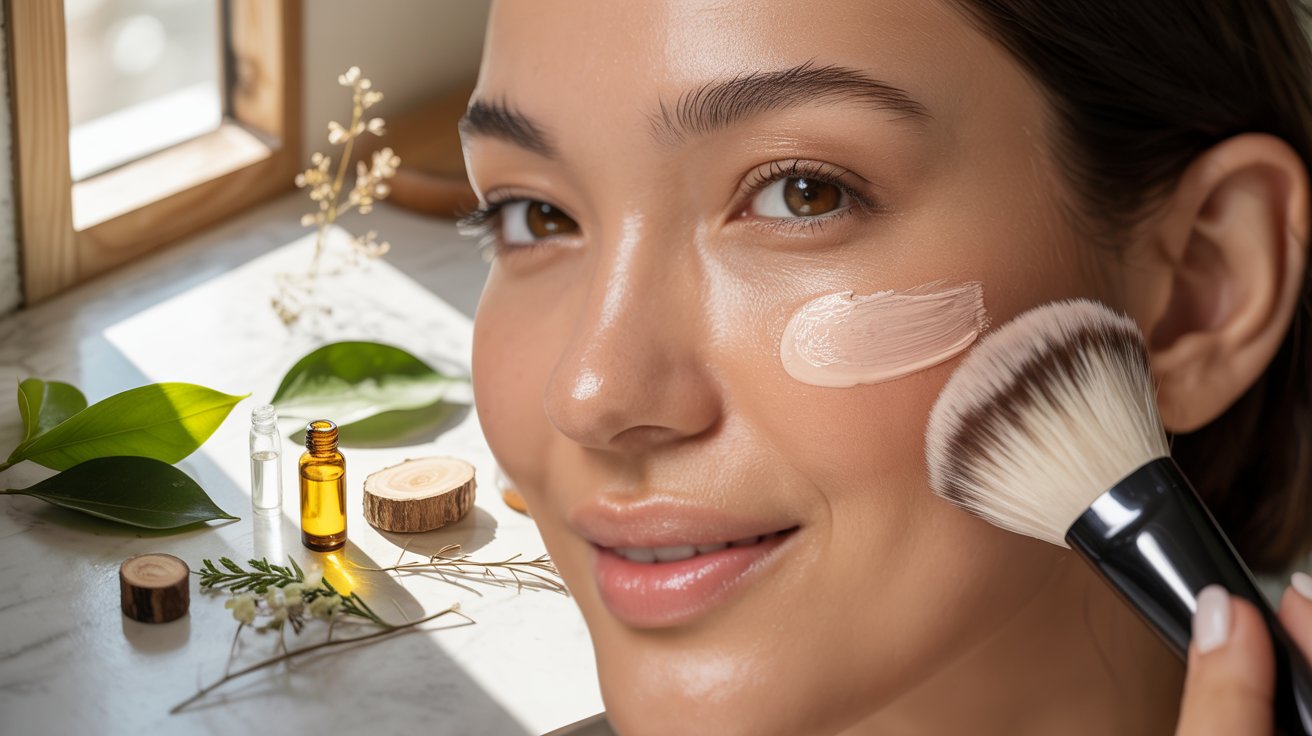
Vegan makeup can be kinder to your skin, especially if you deal with sensitivity, breakouts, or reactions to harsh chemicals.
Gentle and Suitable for Sensitive Skin
Vegan formulas have fewer synthetic additives and shorter ingredient lists.
This makes them easier to tolerate for sensitive or reactive skin. People with eczema or rosacea often see a real difference after switching.
Rich in Natural and Plant-Based Ingredients
Aloe vera, shea butter, jojoba oil, and vitamin E are common in vegan makeup.
These ingredients nourish your skin as you wear the product. You’re covering and caring for your skin at the same time.
Free from Harsh Chemicals and Irritants
Traditional makeup often includes parabens, sulfates, and synthetic fragrances.
These disrupt your skin barrier and can trigger breakouts. Vegan formulas skip most of these, leaving fewer chemicals on your face.
Supports Healthy, Radiant Skin
Plant-based ingredients help maintain your skin’s natural balance over time.
You may notice less redness and fewer breakouts with regular use. It’s a small change with a noticeable long-term result.
Benefits of Vegan Makeup for Animal Welfare

Choosing vegan makeup means no animals are harmed or used in the production of your products.
No Animal-Derived Ingredients Used
No animals are killed or farmed for vegan makeup ingredients. That includes insects, bees, and sheep used in conventional beauty.
Every vegan purchase cuts demand for animal-sourced materials.
Reduces Demand for Animal Exploitation
The beauty industry has long relied on animal ingredients, but vegan makeup breaks that cycle.
When more people choose vegan, fewer animals are used in production. The impact grows with every purchase.
Supports Cruelty-Free Beauty Practices
Many vegan brands commit to cruelty-free testing as well. Supporting them puts pressure on the wider industry to raise its standards.
Both certifications together represent the strongest ethical choice.
Ethical Beauty Choices That Make an Impact
Buying vegan makeup sends a clear message to brands and retailers.
It shows consumers care about how products are made. Consistent demand like this leads to real, lasting industry change.
Benefits of Vegan Makeup for the Environment

Vegan makeup tends to have a smaller environmental footprint, from how ingredients are sourced to how products are packaged.
Lower Environmental Impact of Plant-Based Ingredients
Plant-based ingredients need less land, water, and energy to produce.
This makes vegan formulas more sustainable from the start. Choosing them lowers the environmental cost of your daily routine.
Reduces Pollution from Synthetic Chemicals
Conventional makeup chemicals can pollute waterways when washed off.
Vegan makeup is more likely to use biodegradable or naturally derived alternatives. This means less chemical runoff reaching rivers and water systems.
Helps Minimize Deforestation and Habitat Loss
Certain animal farming practices drive deforestation and habitat loss.
Reducing demand for animal ingredients eases pressure on those ecosystems. It’s a small but meaningful step toward protecting natural environments.
Supports Sustainable and Eco-Friendly Packaging
Many vegan brands use recycled materials, refillable containers, and reduced plastic.
This adds another layer of environmental benefit beyond the formula itself. Choosing these brands supports greener practices at every level.
How to Choose Vegan Makeup Products

Picking the right vegan makeup takes a little research, but it gets easier once you know exactly what to look for.
Look for Certified Vegan Labels
Certifications from The Vegan Society or PETA are the most reliable indicators. These logos confirm independent verification, not just a brand’s own claim.
Always look for the logo rather than trusting marketing copy alone.
Check Ingredient Lists Carefully
Don’t rely on front-of-pack claims when shopping. Scan for carmine, beeswax, lanolin, and collagen on every label.
A quick search on any unfamiliar ingredient will confirm if it’s animal-derived.
Choose Brands That Are Transparent
Ethical brands are upfront about their sourcing and production methods.
Look for brands that clearly state their commitments online. Transparency is a strong sign a brand actually backs up its values.
Combine Vegan and Cruelty-Free for Best Results
Products that are both vegan and cruelty-free cover all the bases.
It means no animal ingredients and no animal testing in one purchase. Many brands now carry both certifications, making it easier to shop confidently.
Tips for Switching to Vegan Makeup
Making the switch to vegan makeup doesn’t have to happen all at once. These simple tips will help you get started without feeling overwhelmed.
- Replace products one at a time as they run out
- Research brand certifications before buying
- Patch-test every new product before applying to your face
- Pick multi-use products to keep things simple
- Use up existing makeup before replacing it
Conclusion
I made the switch to vegan makeup a couple of years ago and honestly never looked back. My skin felt calmer, and I felt better about what I was applying to my face every single day.
The benefits of vegan makeup go beyond what you see in the mirror.
You’re making a choice that’s kinder to animals and gentler on the planet. Small changes in your beauty routine really do add up over time.
Start small, go at your own pace, and pay attention to how your skin responds.
Drop a comment below and share which vegan products you’ve tried or want to try. Pass this post along to someone who’s curious about making the switch.
Frequently Asked Questions
What are the main benefits of vegan makeup?
Vegan makeup is free from animal-derived ingredients and harsh chemicals. It’s better for your skin, animals, and the environment.
Is vegan makeup better for sensitive skin?
Yes. Cleaner ingredient lists mean fewer irritants. It’s a reliable option for sensitive or reactive skin types.
How does vegan makeup help the environment?
It uses plant-based ingredients that are more sustainable to produce and often comes in eco-friendly packaging.
Does vegan makeup last as long as regular makeup?
Yes. Wear time depends on the formula, not the ingredient source. Many vegan products perform just as well.
Is vegan makeup always cruelty-free?
Not always. Vegan refers to ingredients only. Always check for both certifications separately to be sure.