
You wash your face daily. Still breaking out. That is more common than you think, and I have been there too.
The problem is usually not your face wash. It is everything around it.
With years of skincare experience, I know exactly where routines go wrong.In this article, you will learn.
What actually causes post-wash breakouts, which ingredients are quietly making things worse, and simple fixes that work fast.
No guesswork. No complicated routines. Just clear answers and real solutions that make a difference.
Understanding How Face Washing Affects Your Skin

Cleansing removes dirt, oil, and daily buildup, but it also affects your skin barrier. When done right, it keeps your pores clear and your skin balanced.
When done wrong, it causes more harm than good. Washing too little allows buildup that leads to breakouts.
Washing too much strips your natural oils and triggers excess oil production. Your full skincare routine plays a major role too.
Every step, from cleanser to moisturizer, either supports or works against your skin.
Skin Purging vs Breakouts: What Is the Difference?
Not every breakout after trying something new means it is bad for your skin.
What Is Skin Purging?

Skin purging happens when active ingredients like retinol or acids speed up your skin’s cell turnover.
Old buildup rises to the surface, causing temporary pimples or flaking. Breakouts tend to appear in areas where you already get pimples and cycle through faster than usual. It typically clears up within four to six weeks as your skin adjusts.
What Is a Breakout Reaction?

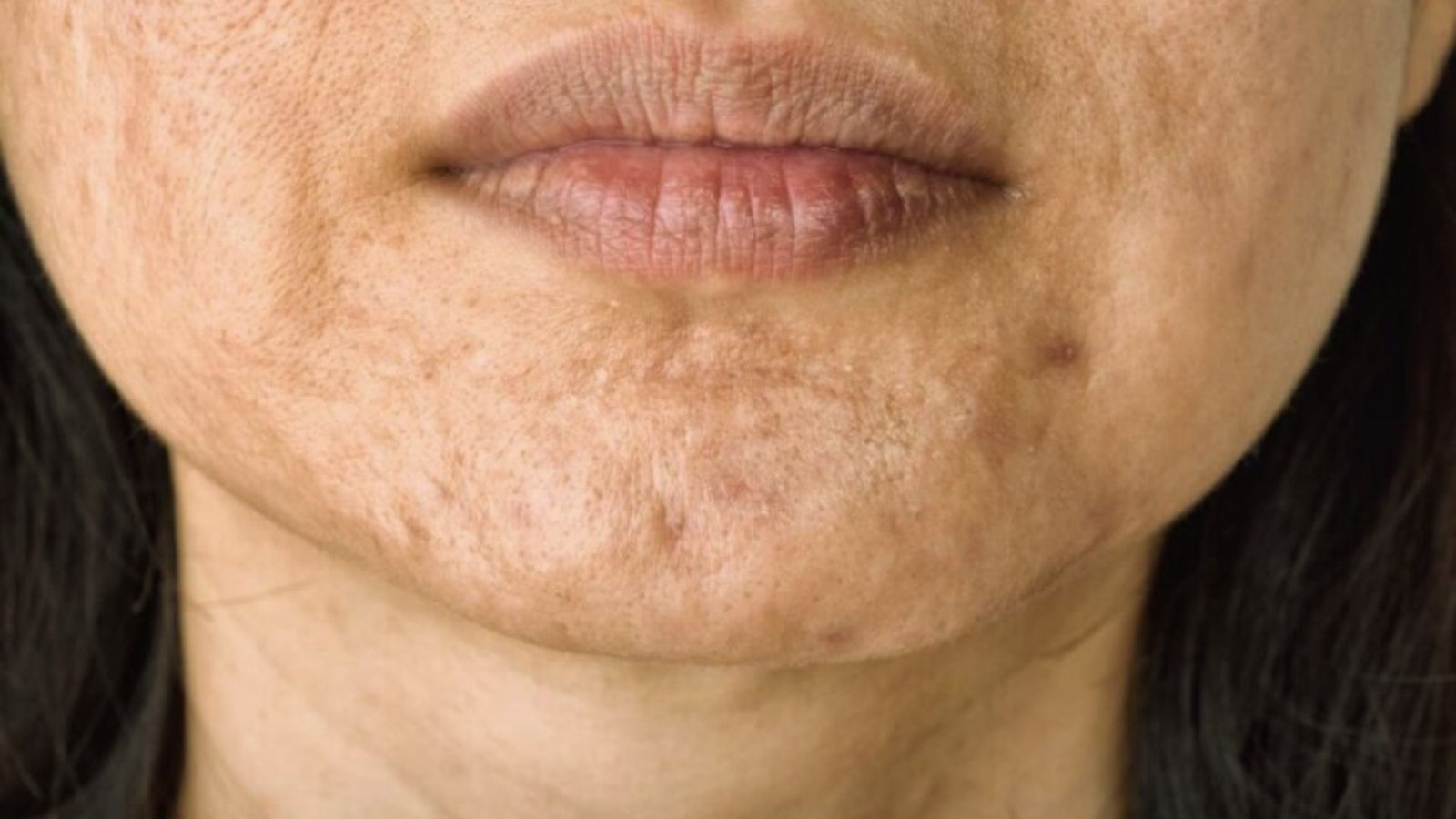
A breakout reaction happens when a product irritates your skin or clogs your pores. Unlike purging, it can occur with any product, including moisturizers and sunscreens.
Comedogenic oils, heavy silicones, and fragrances are frequent culprits. Redness, burning, or new spots in unusual areas are clear signs to stop using the product.
How to Tell the Difference
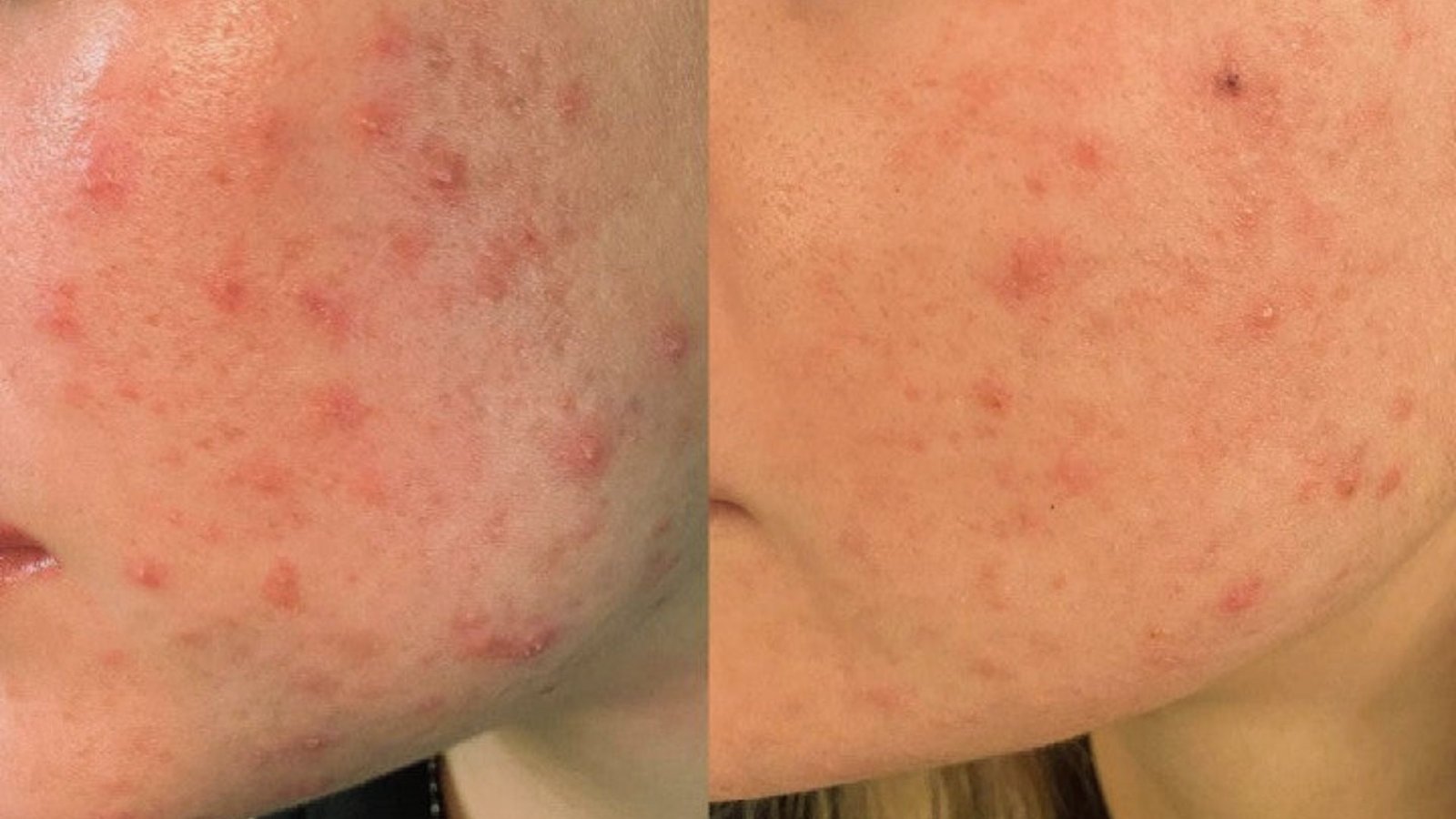
Purging gets better with each passing week, while a bad reaction stays the same or gets worse.
If breakouts are spreading after four weeks, the product is likely not right for your skin. Taking weekly photos can help you track progress objectively.
If you introduced several new products at once, pause them all and reintroduce each one separately to find the cause.
Top Reasons Your Face Breaks Out After Washing
Knowing the exact cause is the first step to stopping breakouts before they start.
Using the Wrong Face Wash
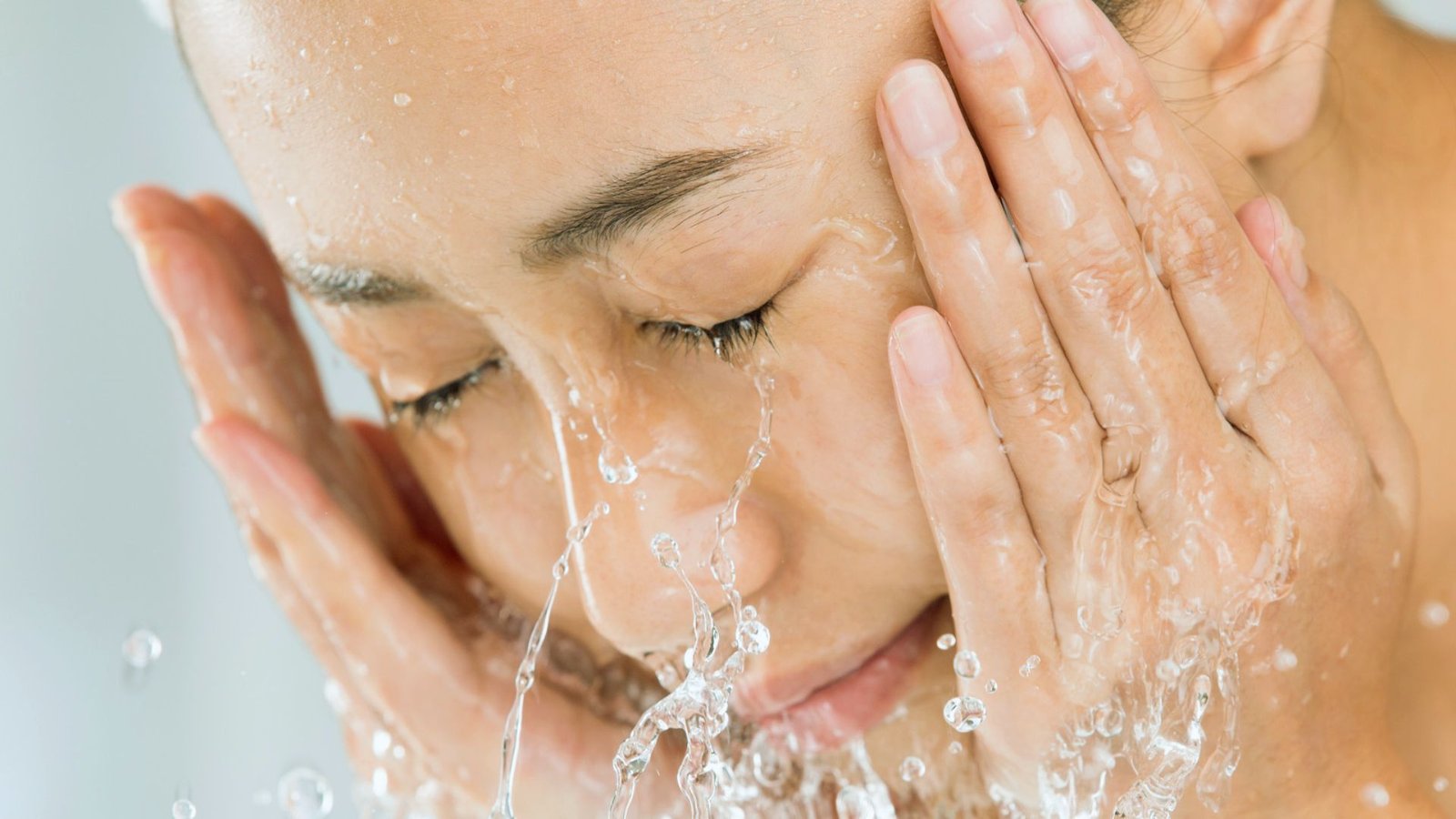
Not every cleanser works for every skin type. A foaming cleanser made for oily skin can dry out and irritate sensitive skin.
That dryness triggers more oil production, which leads to more breakouts.
Harsh or Irritating Ingredients
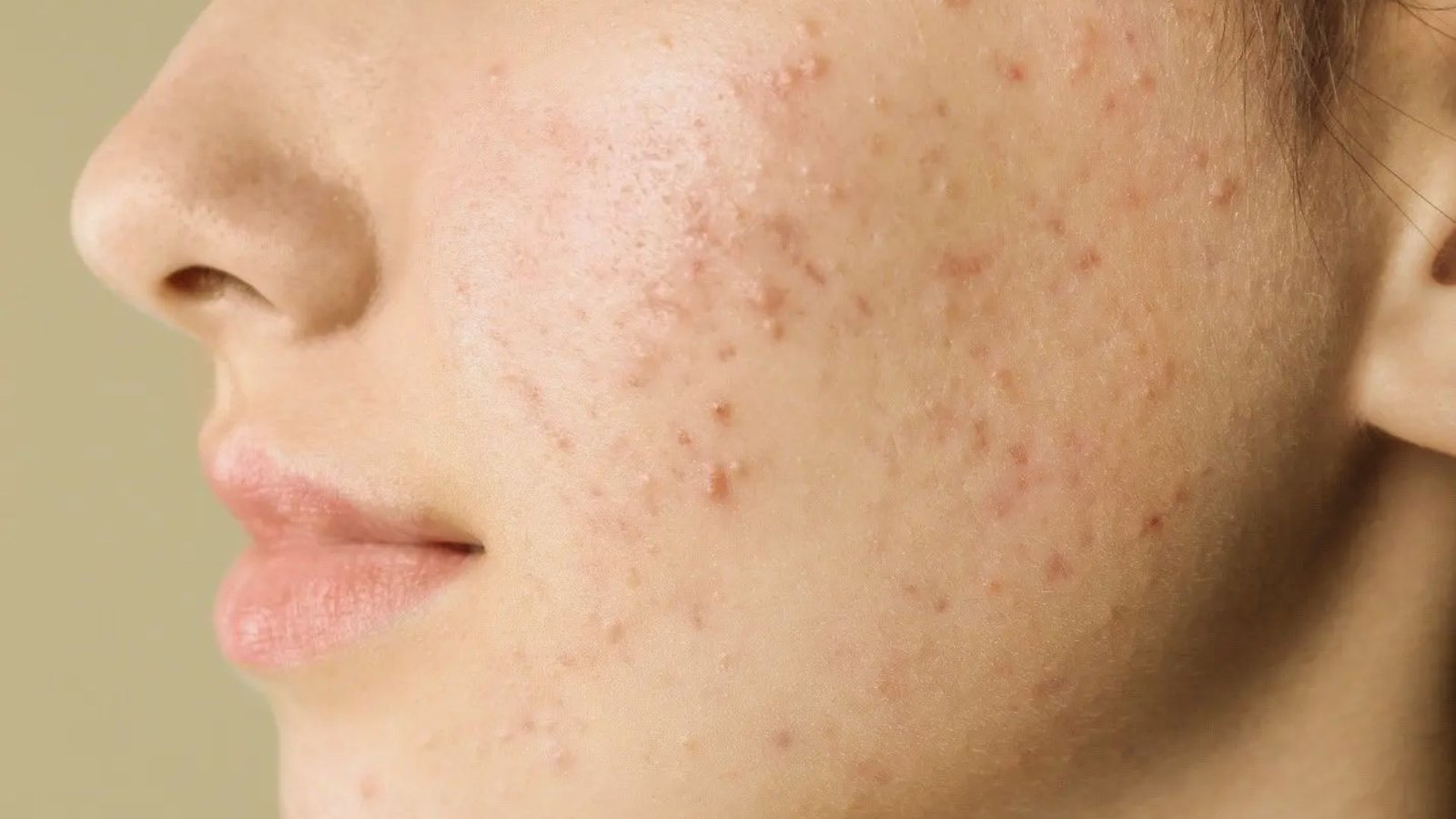
Alcohol, sulfates, and fragrance are common irritants found in many cleansers. These ingredients strip your skin barrier and cause inflammation.
Check your ingredient list and avoid these, especially if your skin is sensitive.
Pore-Clogging Ingredients
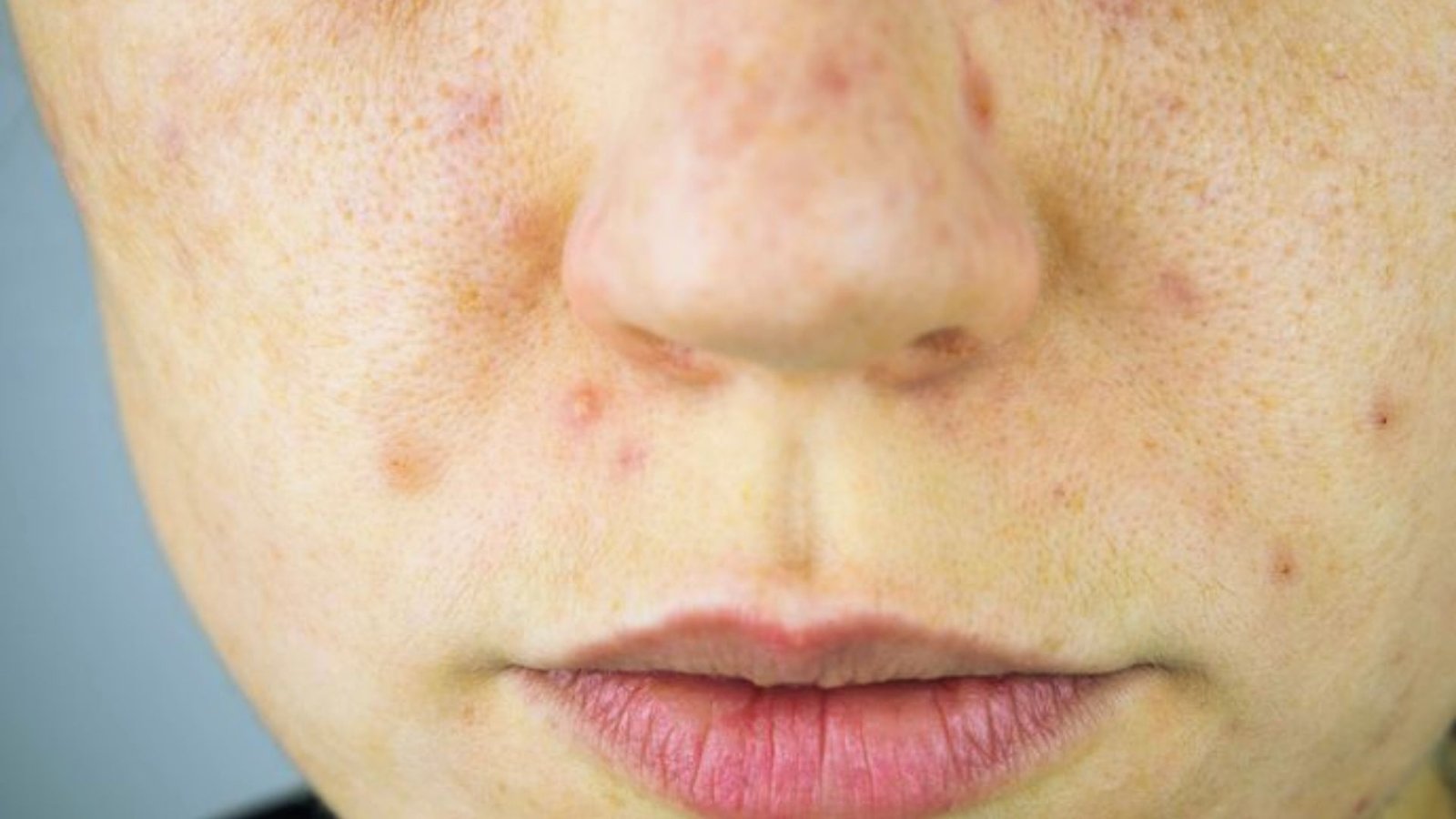
Some cleansers contain heavy oils or silicones that block pores over time. Even if a product feels good, it may be working against you. Always look for products labeled non-comedogenic.
Not Rinsing Properly
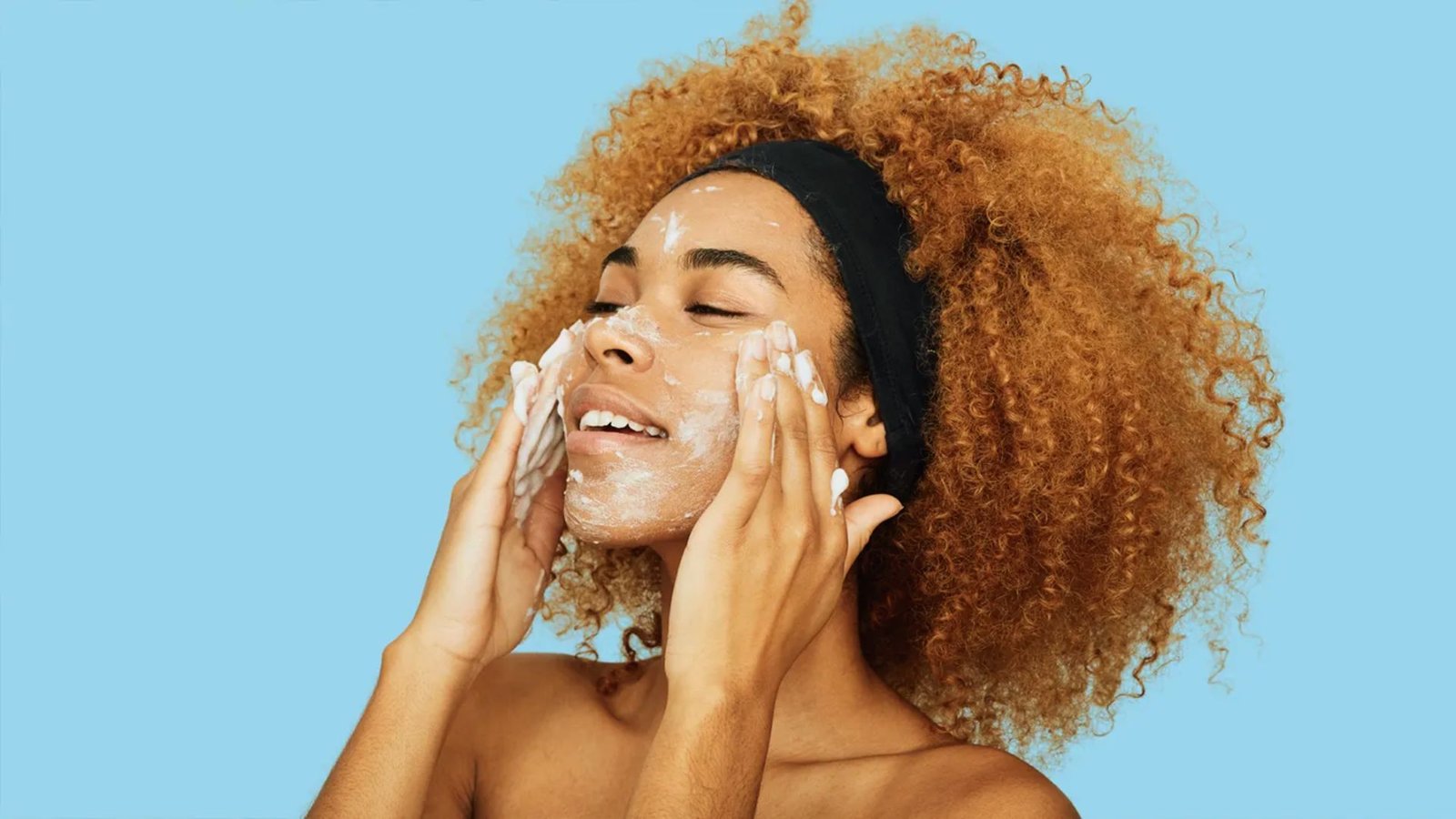
Leftover cleanser residue on your skin builds up and clogs your pores. Take extra time rinsing with lukewarm water after each wash.
Make sure no product is left on your face before patting it dry.
How Your Skincare Routine Might Be Causing Breakouts
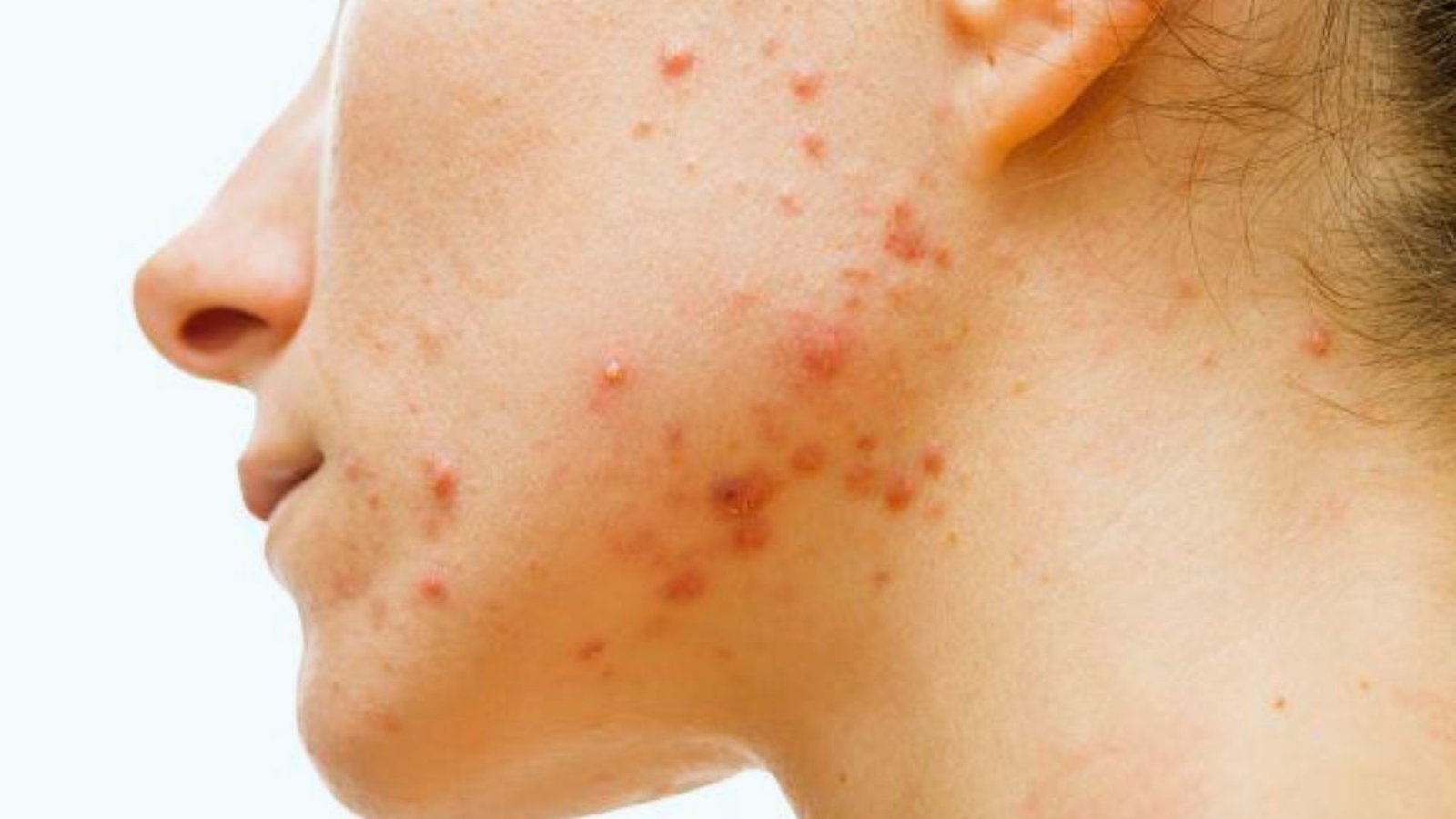
Your face wash is just one part of the problem. Your full routine can be making things worse.
Washing Your Face Too Often or Too Little
Overwashing strips your natural oils and causes your skin to produce even more oil to compensate.
Underwashing lets dirt and dead skin cells build up and block your pores. Finding the right balance is what keeps your skin clear.
Incorrect Washing Method
Scrubbing too hard or using hot water damages your skin surface and causes inflammation. Being too rough when drying with a towel adds to the irritation.
Wash gently with your fingertips and always pat your face dry.
Skipping Important Skincare Steps
Skipping moisturizer leaves your skin dry and more prone to breakouts. Not removing makeup before cleansing traps dirt inside your pores.
Skipping sunscreen slows down your skin’s ability to heal during the day.
Overusing Active Ingredients
Using too many acids or treatments at once breaks down your skin barrier. A damaged barrier cannot fight off bacteria or hold in moisture.
Stick to one or two activities and introduce them slowly over time.
How Often Should You Wash Your Face?

Washing at the right frequency keeps your skin clean without causing damage or dryness.
For most people, twice a day works best. Once in the morning to remove overnight oil and sweat, and once at night to clear away makeup, sunscreen, and daily buildup.
If you have dry or sensitive skin, once at night may be enough.
Overwashing dries out your skin and triggers excess oil production. Underwashing allows buildup that clogs pores. Find what works for your skin type and stay consistent with it.
When to Stop Using Your Face Wash
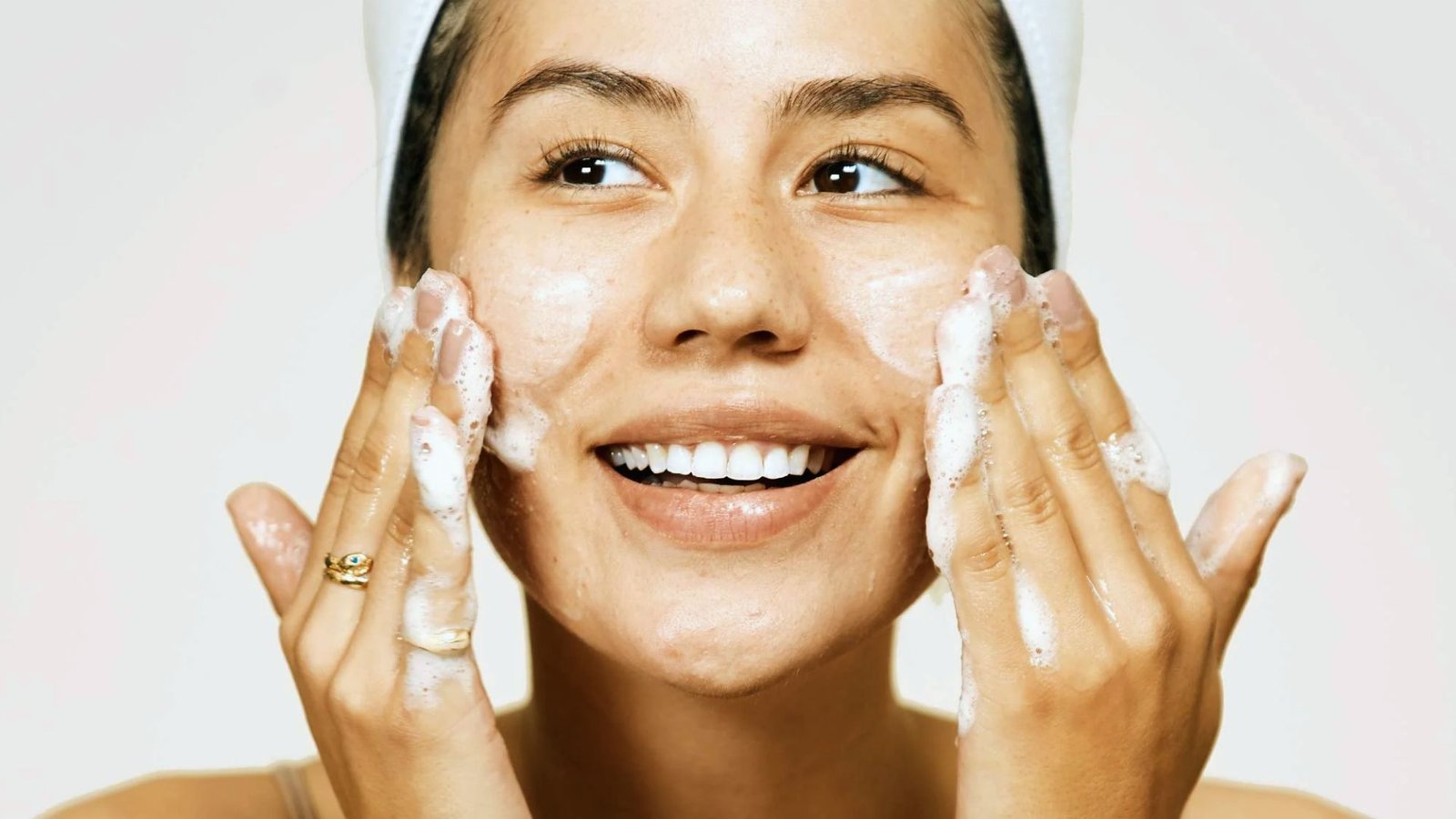
Knowing when to quit a product can save your skin from weeks of unnecessary damage.
Stop using a cleanser if your breakouts are getting worse, your skin feels red, tight, or burns after washing, or new pimples are appearing in unusual areas.
If there is no improvement after four to six weeks, it is time to move on.
Not every product works for every skin type. That is normal. Try something gentler and give your skin a fresh start.
Tips to Prevent Breakouts From Your Washing Routine
Small, consistent changes to how you wash your face can make a big difference over time.
- Use a gentle cleanser that suits your skin type
- Wash your face no more than twice a day
- Always moisturize after cleansing, even on oily skin
- Use cool or lukewarm water, never hot
- Pat your face dry with a clean towel, never rub
Conclusion
Breakouts after washing can feel discouraging, but they are very fixable.
I used to switch products constantly thinking the next one would fix everything.
It never did, until I slowed down, simplified my routine, and paid attention to what my skin actually needed.
The right cleanser, the right frequency, and a little patience go a long way.Start small. Make one change at a time.
If this helped you, leave a comment below and share what has been causing your breakouts. I would love to hear how it goes.
Frequently Asked Questions
Why does my face break out when I wash it?
Breakouts after washing are usually caused by the wrong cleanser, overwashing, or irritating ingredients. Your skin may also be purging if you recently started a new active ingredient.
Can washing your face too much cause acne?
Yes, overwashing strips your skin’s natural oils and triggers excess oil production to compensate. That extra oil clogs your pores and leads to more breakouts.
How many times should I wash my face?
Twice a day is ideal for most people, once in the morning and once at night. Those with dry or sensitive skin may do fine with just one wash in the evening.
How do I know if my cleanser is causing acne?
If your breakouts started or worsened shortly after using a new cleanser, it could be the cause. Stop using it for two weeks and see if your skin improves.
Is it normal to break out when starting a new skincare routine?
Yes, some breakouts when starting a new routine can be skin purging, especially if the products contain retinol or acids. Purging typically settles within four to six weeks as your skin adjusts.