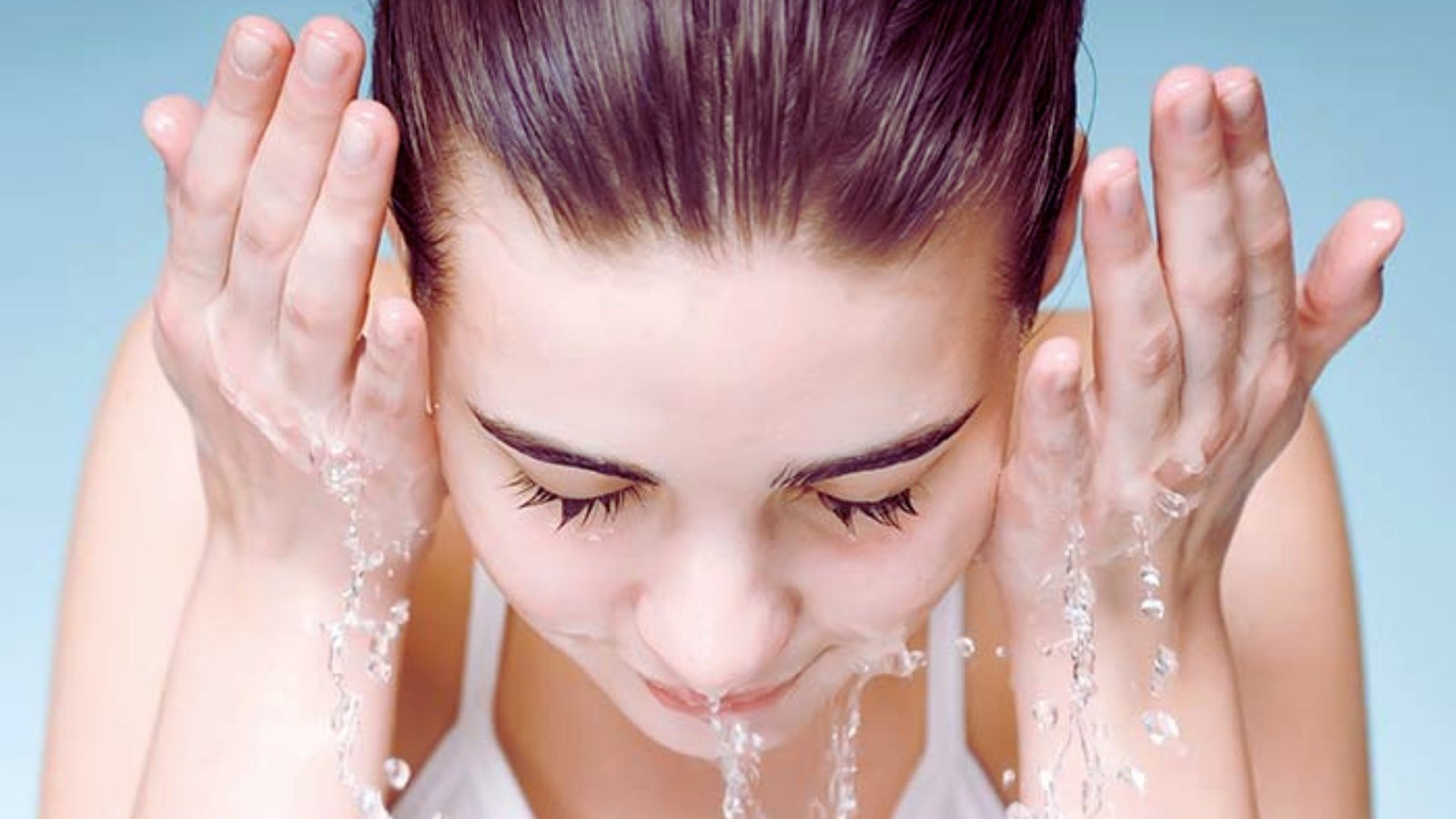
I used to think long showers were giving my skin a hydration boost. Turns out, I was wrong. Many people believe water soaks into the skin and keeps it soft.
But science tells a different story. In this blog, I will explain how your skin absorbs water, how skin hydration actually works, and what you can do to keep your skin healthy.
You will also learn why drinking water alone may not be the answer. I have spent time researching this so you get clear, honest answers.
Does Your Skin Absorb Water?
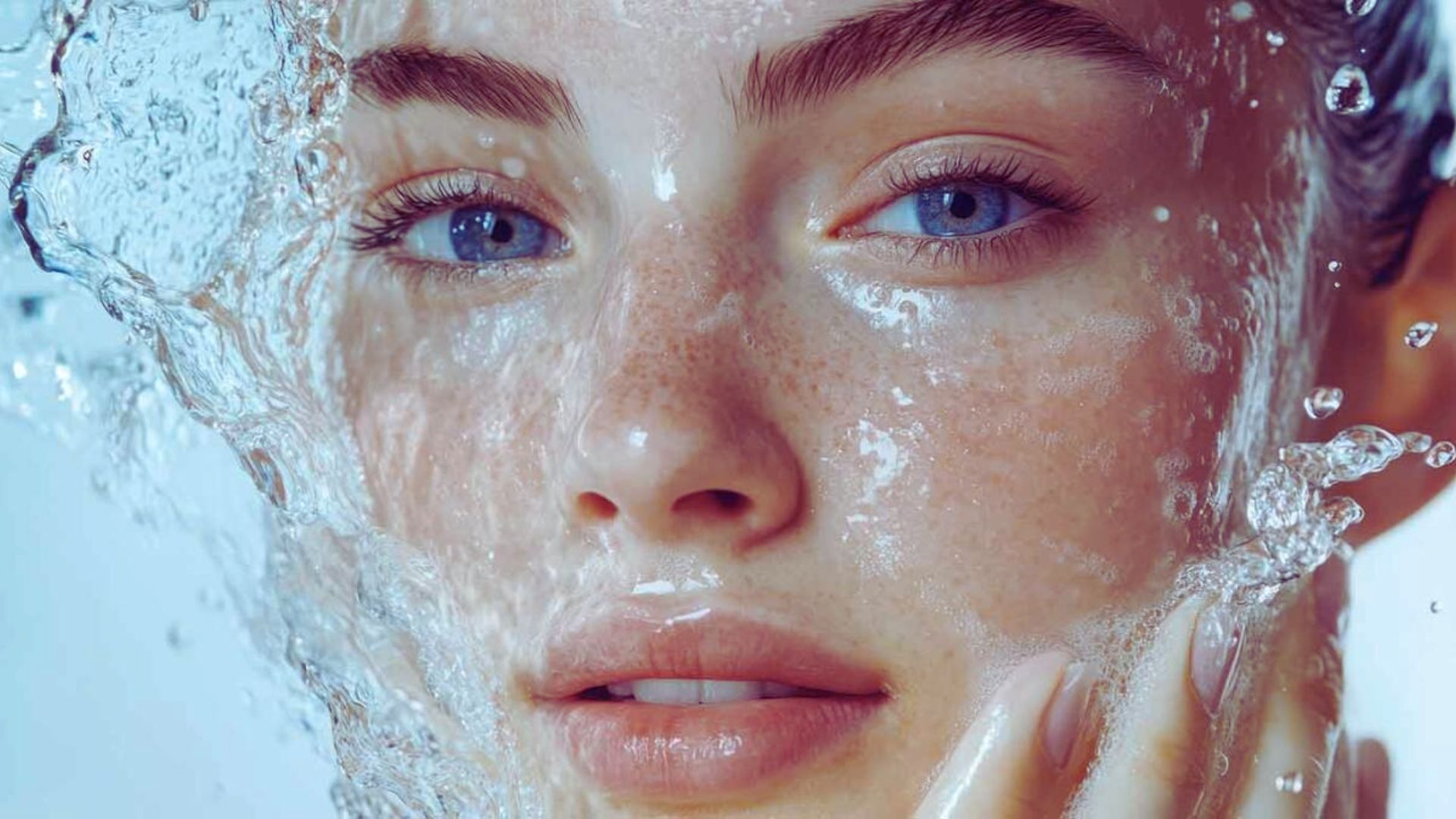
A straight answer for those who want it fast, backed by science.Your skin does not significantly absorb water.
Only the outermost layer, called the stratum corneum, takes in a tiny, temporary amount. This does not count as true hydration.
Real skin hydration depends on your skin barrier, not how long you stay in contact with water. The soft feeling after a shower fades quickly because the effect is surface-level only.
Your skin is built to keep water out, not soak it in.
Understanding How Skin Hydration Works
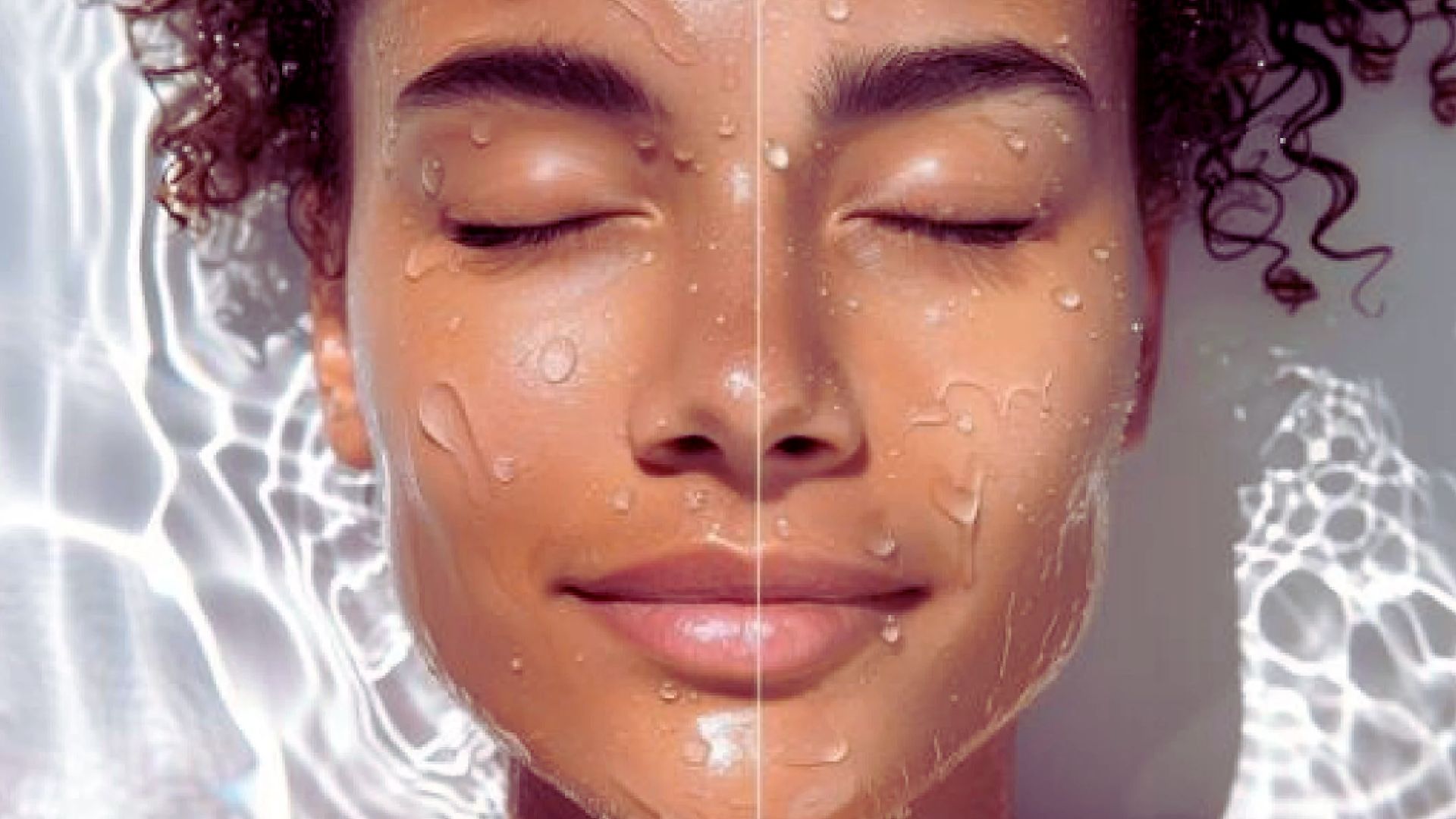
Before diving into myths, it helps to understand how your skin is actually built.
The Structure of Skin Layers
Your skin has three main layers. The top layer is the epidermis. Below that is the dermis. The deepest layer is the hypodermis.
Each layer has a job. The epidermis acts as a shield. The dermis holds moisture, collagen, and blood vessels. The hypodermis stores fat and provides support.
The Skin Barrier and Water Retention
The skin barrier works like a brick wall. Skin cells are the bricks. Lipids act as the mortar. This structure stops outside elements from getting in and keeps moisture from escaping.
When this barrier is healthy, your skin stays soft and hydrated. When it is damaged, water escapes faster, and skin becomes dry and irritated.
This is called transepidermal water loss, or TEWL.
Does Your Skin Absorb Water? The Scientific Truth
Here is what research actually says about water and your skin.
Can Skin Actually Absorb Water?
The short answer is barely. The stratum corneum can absorb a small amount of water, but this is not meaningful hydration. Skin is built to act as a barrier, not a sponge.
Its main job is to block things from entering the body, including water. So when you sit in a bath, your skin is not drinking water. It is just getting wet on the surface.
What Happens When Skin Is Exposed to Water
When skin stays in water for a while, it swells slightly. This is why your fingertips wrinkle in the bath.
The outer layer takes in some water and puffs up. But as soon as you dry off, this effect disappears.
The skin returns to its normal state. No lasting hydration happens from water exposure alone.
Does Your Skin Absorb Water When You Shower?
Showers feel refreshing, but what is actually happening to your skin?
What Really Happens During a Shower
Water touches the surface of your skin, but it does not pass through the skin barrier in any meaningful amount.
The barrier is doing its job by keeping that water out. So while a shower cleans your skin and feels good, it is not a hydration method.
Why Skin Feels Hydrated After Showering
Right after a shower, your skin may feel soft and smooth. This is because the outer layer has absorbed a bit of surface moisture temporarily.
If you apply a moisturizer on damp skin right after showering, you lock that moisture in. That is what makes the real difference, not the shower itself.
Why Long or Hot Showers Can Dry Your Skin
Hot water strips away your skin’s natural oils. These oils are part of the skin barrier. When they are removed, moisture escapes more easily.
Long, hot showers can actually leave your skin drier than before. This is why dermatologists often suggest lukewarm water and shorter shower times.
If Skin Doesn’t Absorb Water, What Keeps It Hydrated?

Real skin hydration comes from within and from the right skincare habits.
Natural Moisture in the Skin
Your skin makes its own moisture. Sebum is an oil produced by your skin that protects the barrier. Hyaluronic acid holds water inside the skin.
Collagen keeps the skin firm and helps it retain moisture. These are the real drivers of soft, healthy-looking skin.
Role of the Skin Barrier
A healthy skin barrier locks moisture inside and stops water from evaporating. When the barrier is damaged, even well-hydrated skin can feel dry.
Keeping your barrier healthy is the key to lasting skin hydration.
Water Movement Inside the Skin
Water moves from the deeper layers of your skin up to the surface through a process called diffusion.
The dermis is rich in water, and this slowly moves upward through the epidermis. This is internal hydration, not anything that comes from outside.
Does Drinking Water Help Hydrate Your Skin?
The link between water intake and skin health is more complicated than you think.
How Water Reaches the Skin
When you drink water, it goes through digestion, enters the bloodstream, and eventually reaches the dermis.
It does not go directly to the skin’s surface. So drinking water does support skin health, but in a slow and indirect way.
What Research Actually Shows
Studies show that drinking water helps skin mainly when a person is already dehydrated. If you are well-hydrated, drinking extra water has very little effect on how your skin looks or feels.
It will not make your skin noticeably softer or clearer on its own.
Common Myths About Water and Skin
Many people believe that drinking more water clears acne, reduces wrinkles, or shrinks pores. There is no strong scientific evidence for any of these claims.
Skin conditions depend on many factors, including genetics, skincare habits, and diet. Water alone is not a cure.
Tips to Keep Your Skin Hydrated Effectively
Simple, science-backed steps that actually make a difference for your skin.
- Use a gentle cleanser that does not strip your skin
- Apply moisturizer on damp skin right after washing
- Do this both morning and night for best results
- Avoid skipping moisturizer even if your skin feels oily
- Consistency matters more than expensive products
Conclusion
So now you know the truth about how your skin absorbs water. It really does not, at least not in any way that truly hydrates it.
I used to think more water meant better skin, but the real answer lies in a healthy skin barrier and the right skincare habits.
Small changes, like moisturizing after a shower or switching to a gentle cleanser, make a bigger difference than any amount of soaking.
Try one tip this week and see how your skin responds. Share this with a friend who needs it!
Frequently Asked Questions
Does your skin absorb water when you shower?
No, your skin does not absorb water during a shower in any meaningful way. Water stays on the surface and evaporates once you dry off.
Can soaking in water hydrate your skin?
Soaking can temporarily puff up the outer layer, but it does not provide lasting hydration. It may actually dry your skin out over time by stripping natural oils.
How much water should you drink for healthy skin?
Around 8 glasses a day is a general guideline, but exact needs vary. Staying well-hydrated supports overall health, though it has a limited direct effect on skin appearance.
Why does skin feel dry after bathing?
Hot water removes the natural oils that protect your skin barrier. Once those oils are gone, moisture evaporates quickly, leaving skin feeling tight and dry.
What is the best way to keep skin hydrated?
Use a moisturizer on damp skin after washing, stick to gentle cleansers, and avoid habits that damage your skin barrier like harsh scrubbing or very hot showers.