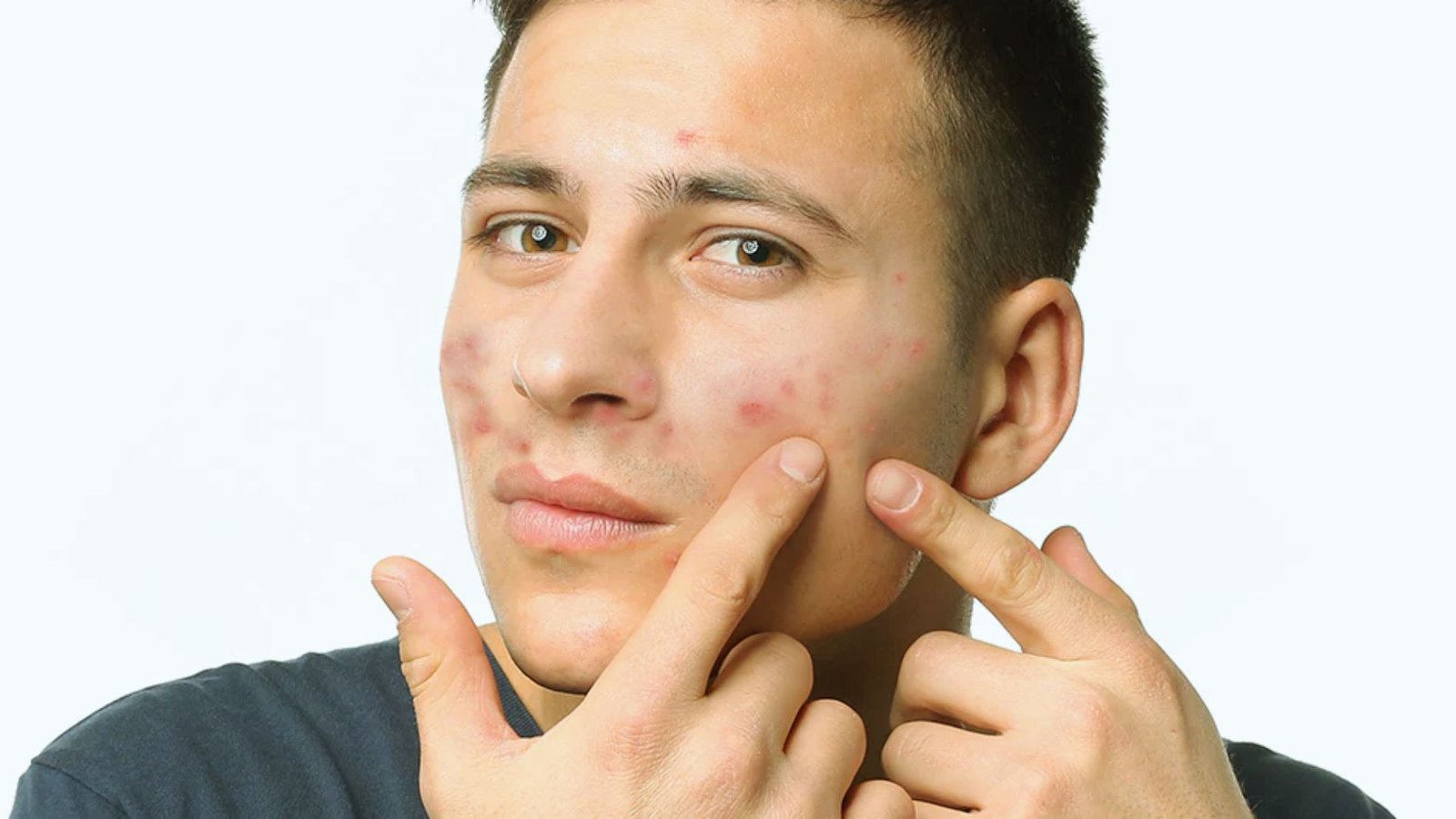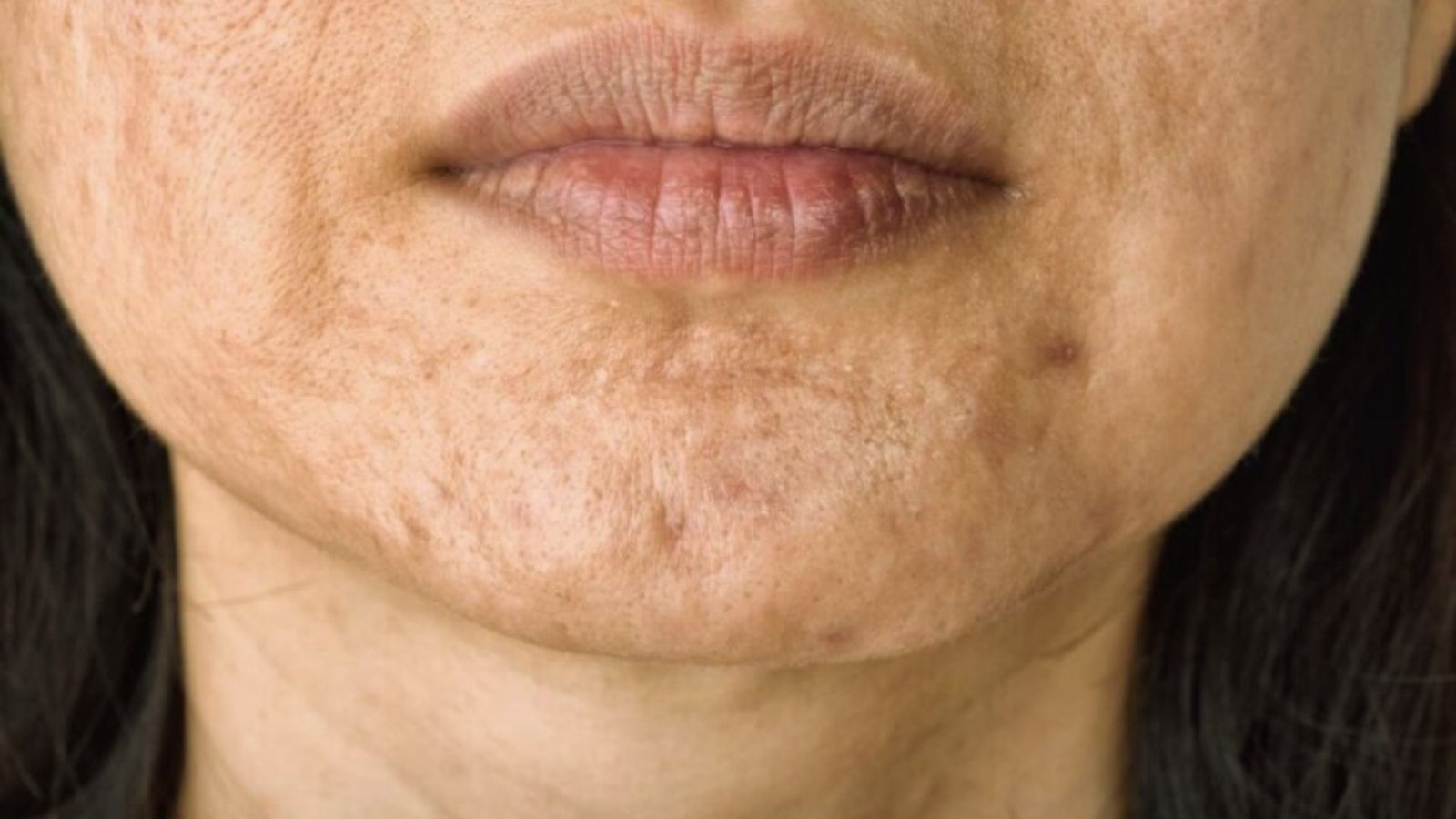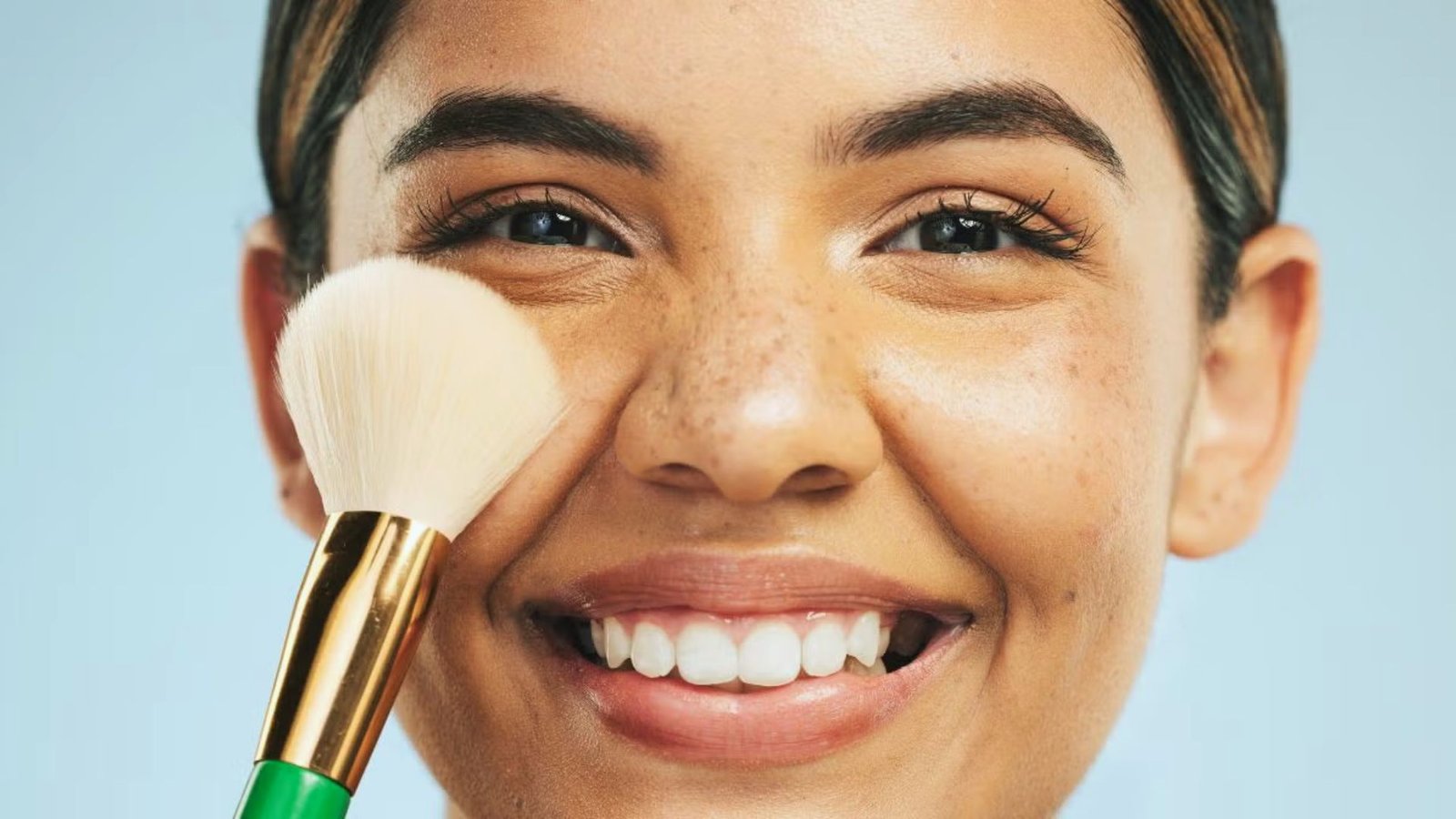
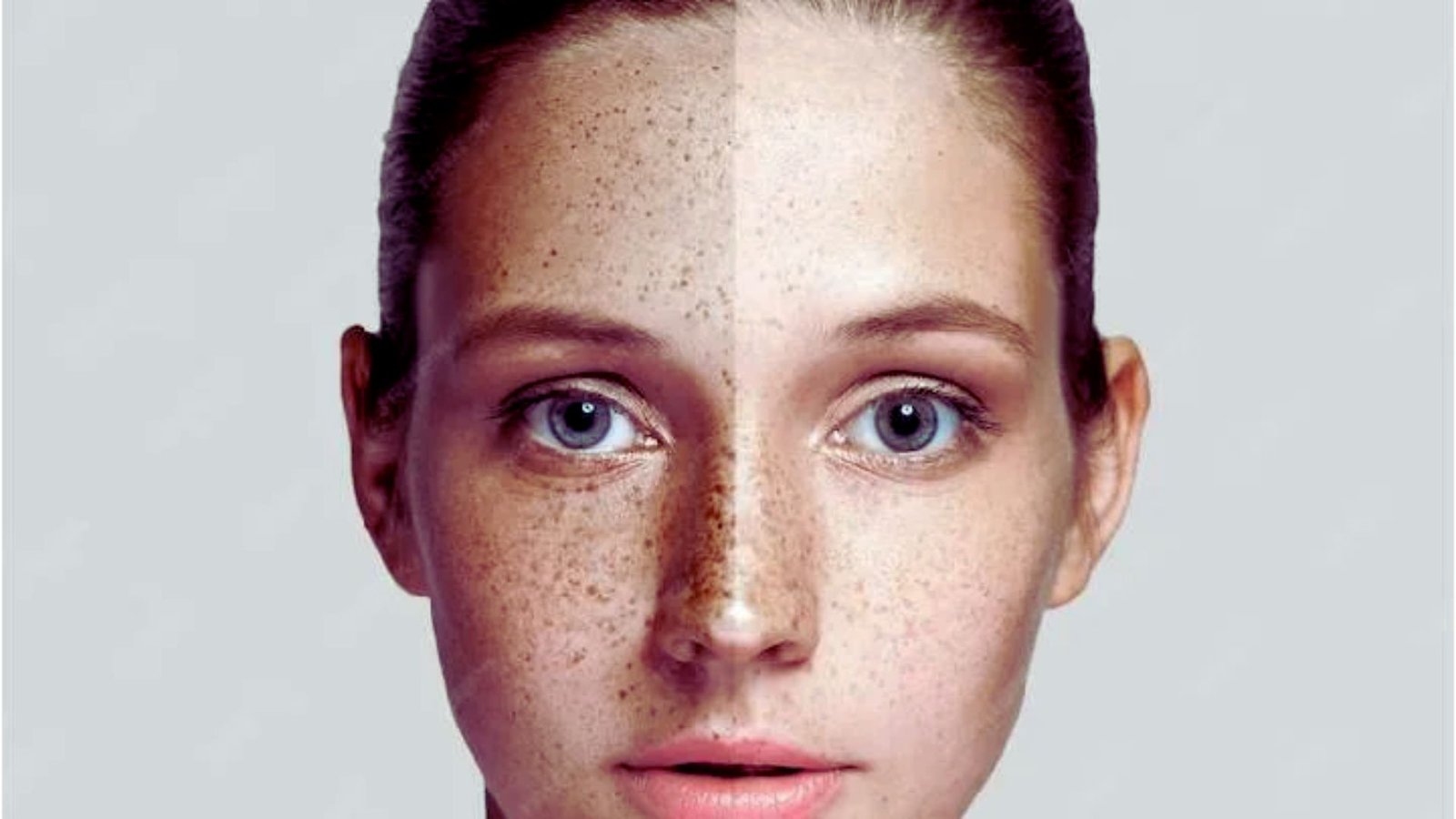
Freckles are small flat spots that form when melanin builds up in one area of the skin, triggered by genetics and sun exposure.
The MC1R gene influences how skin reacts to UV rays, which is why freckles often run in families.
They’re most common on sun-exposed areas like the face, arms, and shoulders, and tend to darken in summer and fade in winter.
Many adults find their freckles behave differently over time, some fading after their 20s while others persist or multiply depending on skin type and sun habits.
Do Freckles Go Away With Age?

Freckles, or ephelides, often appear in childhood and may fade with age, particularly if sun exposure is limited.
Slower skin cell turnover over time can naturally lighten them, and many adults notice their childhood freckles becoming less visible in their 30s and 40s.
However, some freckles persist into adulthood, especially with ongoing UV exposure, which keeps melanocytes active and pigmentation darker.
Hormonal changes, such as pregnancy or birth control use, can also darken existing freckles or trigger new ones.
Individual genetics and lifestyle strongly influence whether freckles fade or remain.
Types of Freckles Adults Notice
Not every spot on your skin is the same type of freckle, so knowing the difference matters.
Ephelides: The Classic Fading Freckles
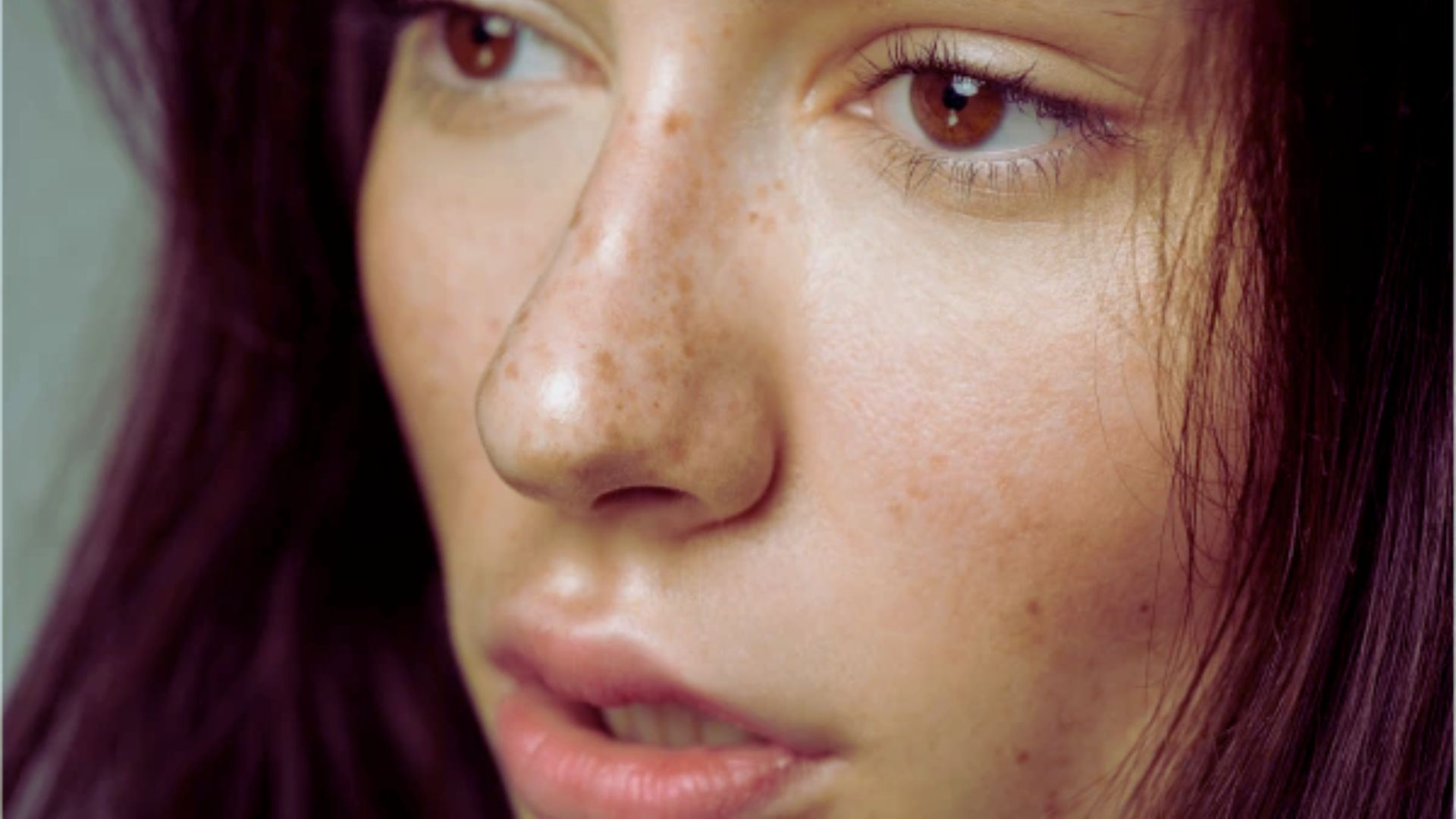
Ephelides are light brown or tan spots. They usually appear in spring and summer, then fade in colder months.
These are the freckles most linked to genetics and UV sensitivity. They tend to fade on their own as you get older.
Lentigines: Age Spots That Usually Stay
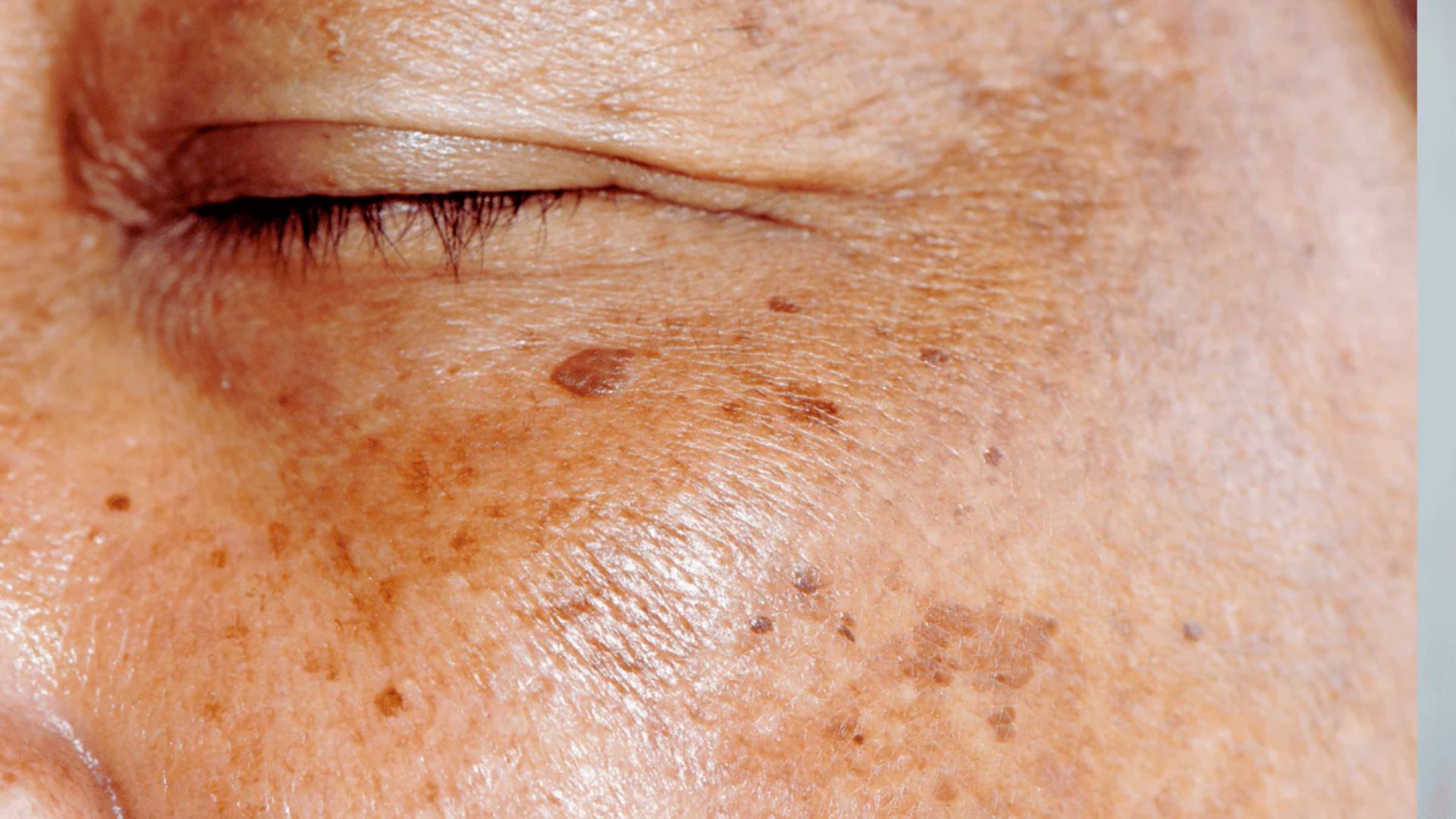
Lentigines, often called age spots or liver spots, are different. They are darker, larger, and do not fade with the seasons.
They develop after years of repeated sun exposure. Unlike ephelides, lentigines tend to be permanent without treatment.
How to Identify Your Freckles
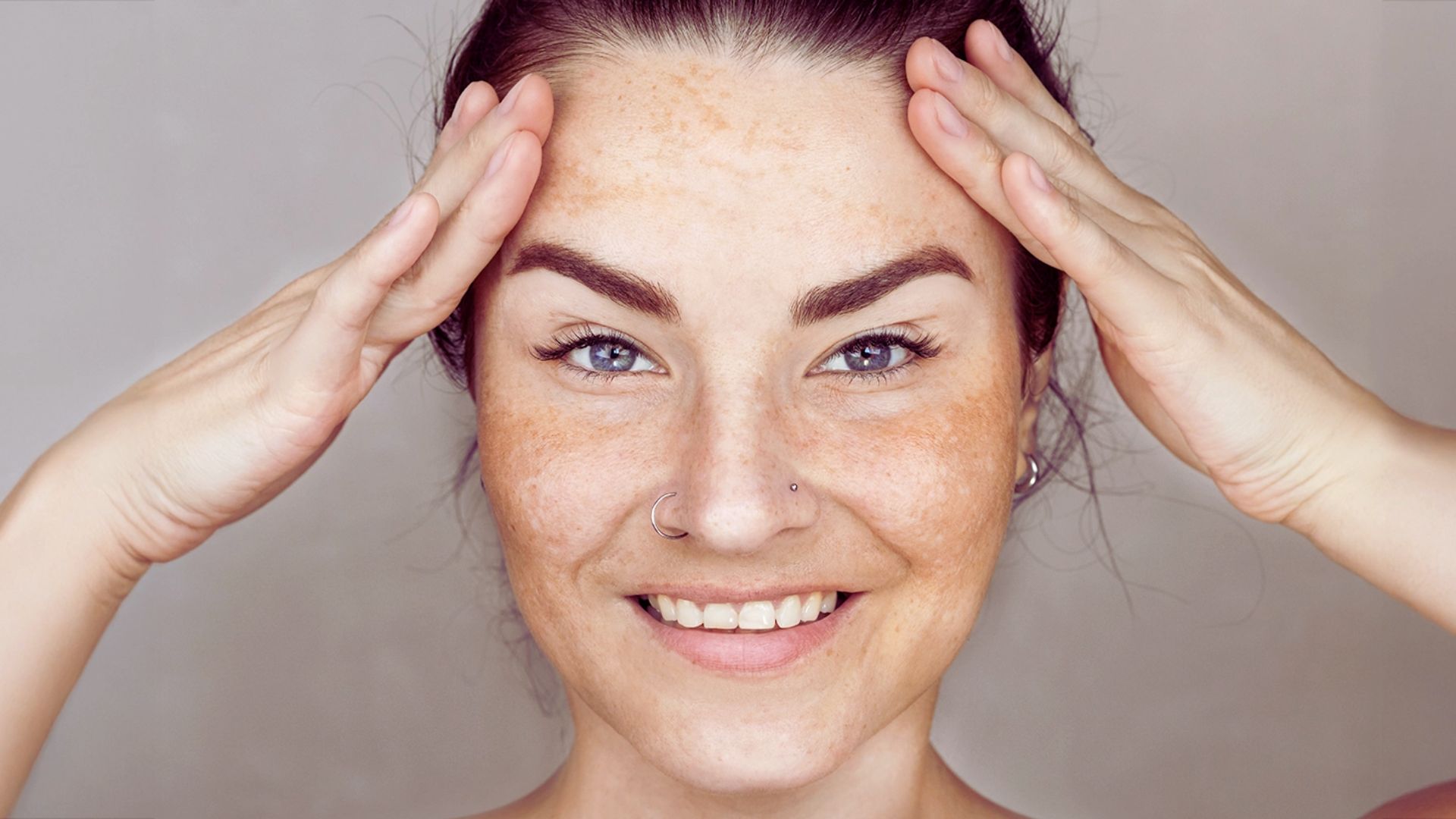
Look at how your spots behave throughout the year. If they fade in winter, they are likely ephelides.
If they stay the same color year-round, they could be lentigines. A dermatologist can give you a proper diagnosis if you are unsure.
Real-Life Experiences: Do Freckles Go Away Over Time?
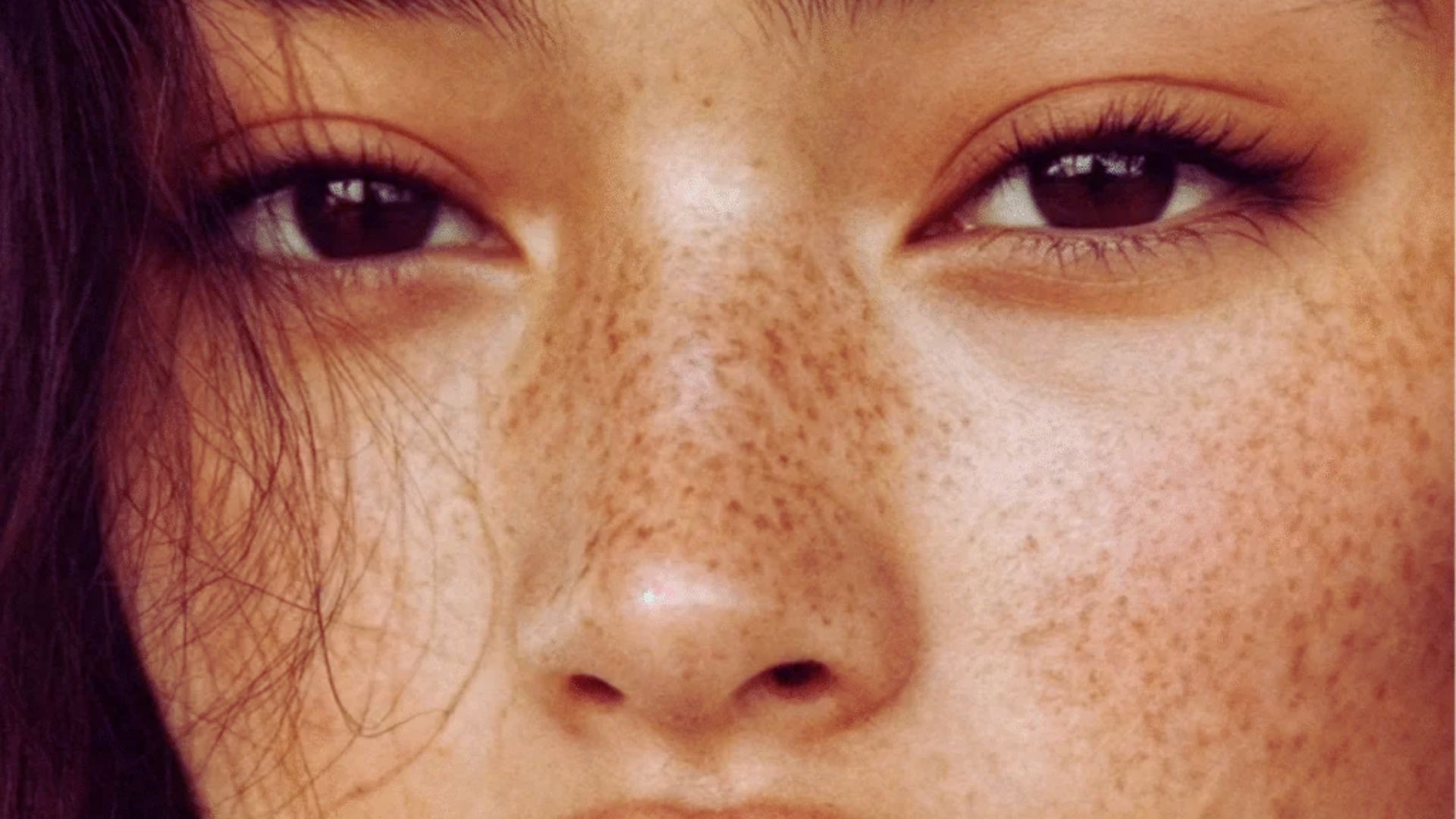
Hearing what other adults have gone through with their freckles can be both reassuring and informative.
Seasonal Changes and Fading in Adults
Many adults notice a clear seasonal pattern. Freckles get darker in summer and lighter in winter.
This is completely normal and ties back to UV exposure. Wearing sunscreen consistently during sunny months can reduce this seasonal darkening.
Freckles That Darken or Multiply
Some adults find that their freckles actually increase over time. This usually happens with ongoing sun exposure without protection.
Spending long hours outdoors, tanning, or skipping sunscreen all contribute to more freckles appearing.
Community Stories and Adult Perspectives
Online skin care communities are full of people sharing their freckle stories. A common theme is that freckles fade naturally after the late 20s, especially for those who stay out of direct sunlight.
Others share that consistent SPF use made a visible difference within months.
Freckles on Different Skin Tones: What to Expect

Appearance and visibility of freckles vary with skin tone and sun exposure.
Freckles on Fair Skin
Fair skin has less melanin overall, so freckles tend to stand out more. They can appear darker and multiply faster with even small amounts of sun exposure.
SPF is non-negotiable if you have light skin and want to keep them from spreading.
Freckles on Medium Skin Tones
People with medium skin tones do get freckles, but they often blend in more naturally. They may be harder to notice at first but can still deepen with summer sun.
Consistent skincare with niacinamide or vitamin C helps keep them in check.
Freckles on Darker Skin
Freckles on darker skin tones are less common but not rare. They usually show up as subtle patches that are only slightly darker than the surrounding skin.
A dermatologist can help tell the difference between freckles and other forms of hyperpigmentation.
When to See a Dermatologist About Your Freckles

Consult a dermatologist if freckles change in size, color, or shape, or if new spots appear suddenly.
Your Freckles Are Changing Shape or Color
A freckle that shifts in shape, grows unevenly, or changes color is worth getting checked.
Most freckles are harmless, but these changes can sometimes signal something more serious. Getting a professional opinion early is always the safer move.
You Want a Personalized Treatment Plan
Over-the-counter products work for many people, but not everyone sees the same results.
A dermatologist can assess your skin type, freckle type, and recommend the most effective targeted treatment.
This saves you time and money spent on products that may not suit you.
Your Freckles Are Affecting Your Confidence
Skin concerns that impact how you feel day to day are worth talking about with a professional.
A dermatologist can walk you through both treatment options and realistic expectations. There is no wrong reason to seek help for something that bothers you.
Can Freckles Go Away Permanently?

There are real options available if you want to reduce or remove freckles for good.
Over-the-Counter Skin Care Solutions
Several ingredients in skincare products can help lighten freckles over time.
Look for products with: Vitamin C, which brightens skin and reduces melanin production Niacinamide, which helps even out skin tone Alpha arbutin, which targets dark spots Retinol, which speeds up skin cell turnover
These take time and patience. Results usually show after several weeks of regular use.
Professional Treatments: Lasers, Peels, Cryotherapy
If you want faster results, professional treatments are worth considering.
Laser therapy targets melanin directly and can significantly lighten or remove freckles. Chemical peels remove the top layer of skin, taking pigmentation with it. Cryotherapy uses cold to destroy pigmented cells.
These treatments are effective but come with recovery time and cost. Always consult a board-certified dermatologist before choosing a treatment.
What Adults Typically Experience After Treatment
Most adults see good results after professional treatment. Freckles may return if sun protection is not maintained. The key is following up with daily SPF and avoiding excessive sun exposure after treatment.
Tips for Managing and Preventing Freckles
Small daily habits can go a long way in controlling how visible your freckles become over time.
- Apply broad-spectrum SPF 30+ daily, reapplying every 2 hours outdoors.
- Wear wide-brimmed hats, long sleeves, and seek shade between 10 AM–4 PM; avoid tanning beds.
- Use a gentle cleanser and moisturize daily to protect your skin barrier.
- Include a Vitamin C serum in your morning routine and exfoliate 1–2 times weekly.
- Visit a dermatologist annually for a skin check and personalized guidance.
Conclusion
Do freckles go away? Sometimes yes, sometimes no. Ephelides may fade with age, while lentigines often persist. Your habits, especially sun protection, make a big difference.
Embracing your skin rather than fighting it can change your routine daily sunscreen is a game-changer.
Freckles tell your story, and you decide how to care for them. If you want to reduce their appearance, options exist; if you love them, protect your skin and enjoy them.
Share your freckle journey in the comments, I’d love to hear your experience.
Frequently Asked Questions
Do freckles go away naturally without treatment?
Some freckles, especially ephelides, can fade on their own as you age. However, without sun protection, they are likely to return or darken during summer months.
At what age do freckles typically start to fade?
Many people notice their freckles begin to lighten in their late 20s to early 30s. This is more common in those who reduce sun exposure and use daily SPF.
Are freckles a sign of skin damage?
Freckles themselves are not skin damage, but they do indicate that your skin has responded to UV rays. Protecting your skin from the sun is always a good idea regardless of freckles.
Can freckles turn into something more serious?
Most freckles are harmless. However, any spot that changes shape, color, or size should be checked by a dermatologist to rule out skin conditions.
Does sunscreen actually help prevent freckles from forming?
Yes, daily broad-spectrum sunscreen is one of the most effective ways to stop new freckles from forming and to keep existing ones from getting darker.