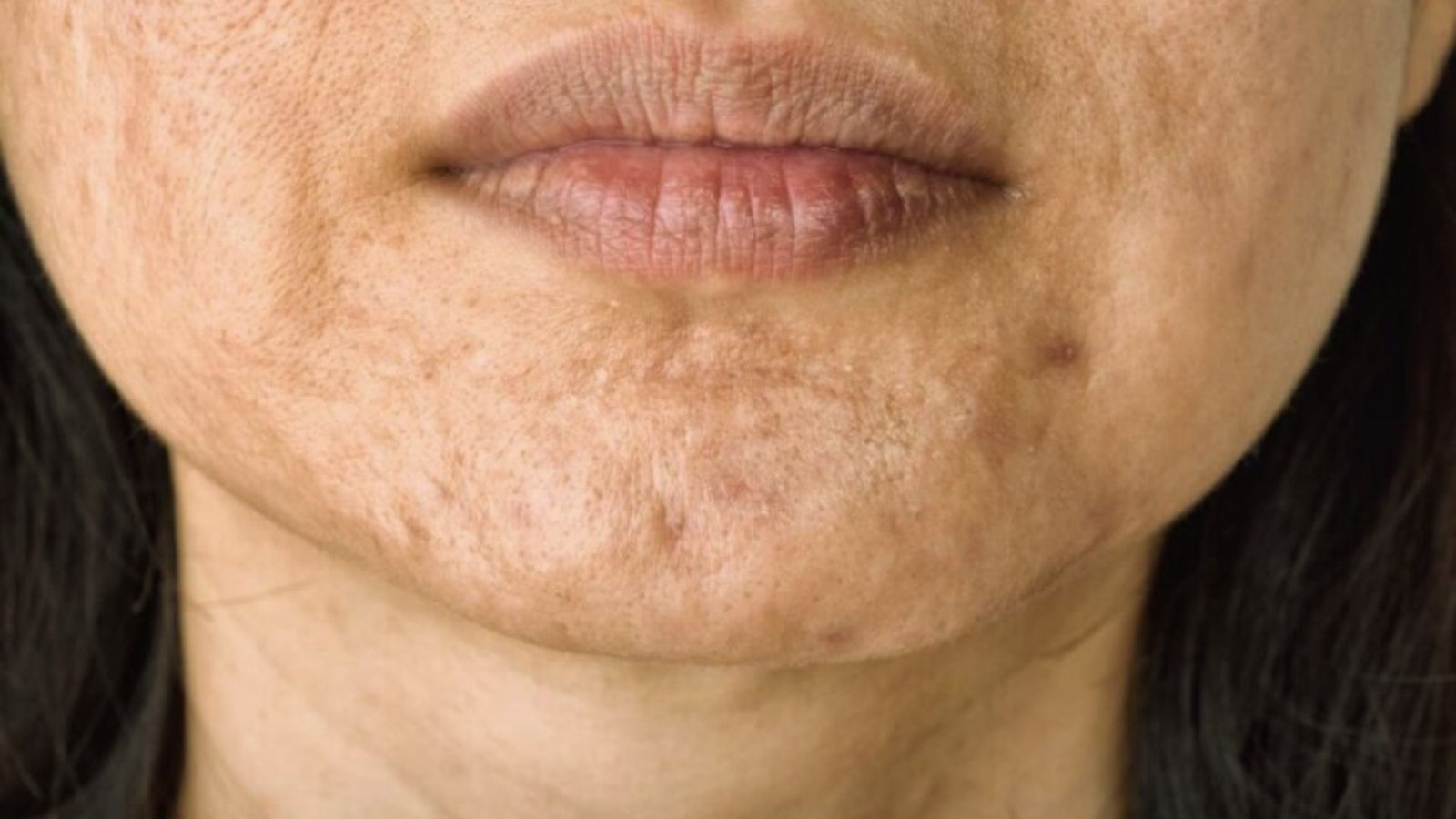

If your face burns when you wash it, you are not alone. I have been there too standing at the sink, rinsing off cleanser, and feeling that sharp sting that makes you pull back fast.
It is uncomfortable, confusing, and honestly a little scary. In this blog, I will walk you through why this happens and how to fix it.
You will learn about the real causes, quick relief steps, and how to build a routine that actually feels good on your skin.
I have spent time researching and testing what works, and I am here to help you find your answer.
How Your Skin Works: Understanding the Skin Barrier

Your skin barrier is the first line of defense between your face and the outside world.
Think of your skin like a brick wall. The skin cells are the bricks, and the natural oils and lipids between them act like mortar.
This “wall” keeps moisture locked in and keeps irritants, bacteria, and pollution out. When the barrier is healthy, your skin feels soft and calm.
But when the barrier gets damaged or weakened, gaps form. Moisture escapes. Irritants get in easily. That is when burning, stinging, tightness, and redness start to happen.
A compromised skin barrier is one of the most common reasons your face burns when you wash it.
Common Causes of Facial Burning When Washing

There are several reasons why your face reacts with a burning sensation during or after washing. Knowing the cause helps you fix the problem faster.
Harsh Cleansers and Irritating Ingredients
Many cleansers on the market contain ingredients that are too strong for everyday use.
Alcohol, sodium lauryl sulfate (SLS), synthetic fragrances, and certain preservatives are the biggest offenders.
These ingredients strip away your skin’s natural oils. When those oils are gone, the skin loses its protective layer. What is left is raw, exposed skin that stings and burns at the slightest contact.
If your cleanser lathers heavily or leaves your face feeling “squeaky clean,” it may be too harsh for your skin type.
Over-Exfoliation and Strong Acids
Exfoliating is good but too much of it causes real damage.
AHAs like glycolic acid and lactic acid, and BHAs like salicylic acid, are popular in skincare. They remove dead skin cells and help with texture.
But using them too often, or in high concentrations, strips the skin barrier and causes stinging skin. Many people use these acids daily without knowing the harm it causes over time.
Healthy exfoliation means once or twice a week at most for most skin types.
Potent Actives: Retinoids and Vitamin C
Retinol and vitamin C are loved in the skincare world, but they come with a learning curve.
Retinoids speed up skin cell turnover, which can cause peeling, redness, and burning especially in the beginning.
High-concentration vitamin C serums are also acidic and can irritate skin that is not used to them. If you use these products on compromised or sensitive skin, the stinging feeling is your skin telling you it needs a break.
Start with low concentrations and use them only a few times a week.
Allergic Reactions and Sensitivities
Sometimes the burning is a sign that your skin is reacting to a specific ingredient.
An allergic reaction can show up as redness, swelling, itching, or burning. It does not always happen right away.
Some people develop a sensitivity after using a product for months. Common culprits include fragrance, certain preservatives like parabens, and plant extracts that sound natural but can still irritate the skin.
If you notice the same reaction to a product every time, it is worth checking the ingredient list carefully.
Product Combinations and pH Imbalance
Mixing too many active products at once can overwhelm the skin completely.
Layering acids with retinoids, or using too many active ingredients in one routine, creates a chemical environment your skin cannot handle.
pH imbalance is another issue. Your skin has a slightly acidic pH, usually between 4.5 and 5.5. If you use products that are too alkaline or too acidic, your skin barrier gets thrown off and reacts with burning or irritation.
Simple routines with fewer products often work better than complex layered ones.
Immediate Steps to Stop the Burn
When your face is burning, act fast to calm the skin and reduce further damage.
1. Rinse With Cool Water

Hot water opens pores and increases blood flow to the surface, which makes irritation worse. Switch to cool or lukewarm water right away.
Hold cool water on your face for a minute or two. This helps slow down the inflammatory response.
2. Stop Using the Irritating Product

Take a break from whatever product triggered the reaction. Write down or photograph the ingredient list so you can compare it with other products and spot the problem ingredient.
3. Apply Cold Compress

A clean cloth soaked in cool water placed gently on your face can reduce inflammation. Do not rub. Just press lightly and hold for a few minutes.
4. Moisturize to Repair the Barrier

After cooling the skin, apply a gentle moisturizer. Look for ingredients like aloe vera, chamomile, glycerin, ceramides, and hyaluronic acid. These help rebuild the skin barrier and lock moisture back in.
5. Protect From Sun and Avoid Other Irritants

While your skin heals, skip all active ingredients like exfoliants, retinoids, and fragranced products. Use a mineral-based sunscreen if you need to go outside. Chemical sunscreens can sting already irritated skin.
Choosing Skincare That Won’t Burn Your Face

The right products can make a big difference in how calm and healthy your skin feels every day.
Gentle, Fragrance-Free Formulas
Fragrance is one of the top causes of skin irritation. Choose cleansers and moisturizers labeled fragrance-free or unscented. Products with shorter ingredient lists are often safer for sensitive skin.
Skin-Soothing Ingredients to Look For:
Aloe vera, Chamomile, Hyaluronic acid, Glycerin, Ceramides, Niacinamide, Centella Asiatica (Cica)
These ingredients calm inflammation, restore the barrier, and keep the skin hydrated without irritating it.
Patch Testing New Products
Before putting anything new on your face, apply a small amount behind your ear or on your inner arm. Wait 24 to 48 hours. If no redness or irritation appears, it is safer to use on your face.
When to Consult a Dermatologist
If the burning keeps happening no matter what products you use, it may be a sign of a skin condition like eczema, rosacea, or contact dermatitis.
A dermatologist can give you a proper diagnosis and a plan that actually works for your skin.
Tips to Stop Your Face from Burning When You Wash It
Follow these simple tips to prevent facial burning and keep your skin calm, clean, and irritation-free.
- Patch test first Always test a new cleanser on a small area before using it on your whole face.
- Use lukewarm water. Hot water strips your skin’s natural oils and triggers that burning sensation.
- Less is more. A pea-sized amount of cleanser is enough and over-cleansing makes burning worse.
- Check the ingredients. Avoid fragrances, alcohol, and sulfates if your skin is sensitive or reactive.
- Rinse thoroughly Leftover cleanser residue on your skin is a common and overlooked cause of burning.
Conclusion
Dealing with burning skin while washing your face is more common than most people think. I know how frustrating it feels when something as simple as washing your face causes pain.
The good news is that most causes are fixable with small changes. Switch to gentler products, slow down your routine, and give your skin time to heal.
If the burning keeps coming back, please see a dermatologist.
Drop a comment below and tell me what has worked for you. Share this with someone who needs it!
Frequently Asked Questions
Why does my face burn when I wash it with water only?
Plain water can still sting if your skin barrier is damaged or you have a condition like rosacea. Even water can irritate raw or compromised skin and cause a burning sensation.
Can my face burn from using too many skincare products?
Yes, layering multiple active ingredients at once can overwhelm the skin. This often leads to burning, redness, and increased sensitivity, especially when acids and retinoids are mixed together.
Is it normal for a new cleanser to burn my face?
A mild tingling can sometimes happen with new products, but a burning sensation is not normal. It usually means the cleanser is too harsh or contains an ingredient your skin does not tolerate well.
How long does it take for irritated skin to heal?
Most minor skin irritation heals within a few days with proper care. Keeping the skin moisturized, avoiding harsh products, and protecting it from the sun speeds up the recovery process significantly.
What ingredients should I avoid if my face burns easily?
Avoid alcohol, SLS, synthetic fragrance, high-strength acids, and strong preservatives. These are the most common triggers for burning and irritation in people with sensitive or reactive skin.