
Honey has been used on skin for centuries. But if you have acne-prone skin, you are probably wondering, does honey clog pores or actually help? I have been there too, standing in the skincare aisle, unsure if honey belongs on my face or not.
In this article, you will find clear answers about honey’s effect on pores, acne, and breakouts. We cover dermatologist insights, comedogenic ratings, and safe use tips.
With research-backed information and real skincare experience, this guide helps you make the right choice for your skin.
Does Honey Clog Pores on Face?
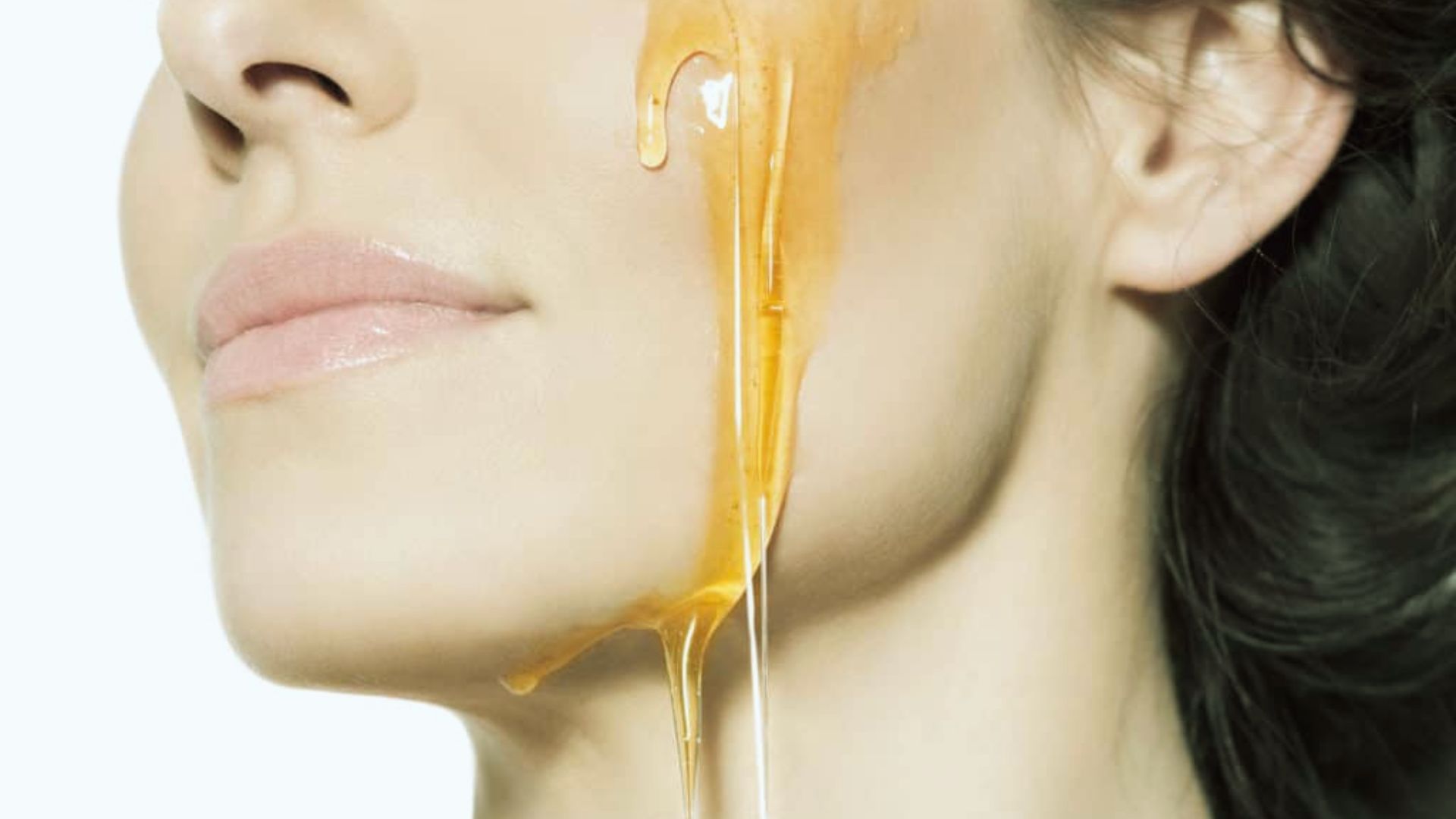
Honey does not clog pores for most people. Its comedogenic rating sits between 0 and 1, which means the risk of pore blockage is very low.
Honey also carries natural antibacterial and anti-inflammatory properties that can actually calm active breakouts rather than worsen them.
That said, using too much or leaving it on for too long can mix with sweat and dead skin cells, which may cause mild congestion.
The type of honey you use also matters. Choosing medical-grade or pasteurized honey reduces the risk of irritation significantly.
Does Honey Clog Pores Comedogenic Rating Explained

Understanding comedogenic ratings helps you choose the right ingredients for acne-prone skin.
Understanding Comedogenic Rating
A comedogenic rating tells you how likely an ingredient is to clog pores, on a scale of 0 to 5. A score of 0 means no risk, while 4 to 5 means high risk of blockage.
If you have acne-prone skin, stick with ingredients rated 0 to 2 for safer results.
Can Honey Cause Pore Blockage?
A common myth is that honey clogs pores because it feels thick and sticky. In reality, texture has nothing to do with comedogenic rating, and honey scores between 0 and 1.
To stay safe, always rinse it off fully, avoid mixing it with heavy oils, and limit mask time to 15 minutes.
Does Honey Clog Pores Dermatology Insights

Dermatologists offer clear guidance on when and how to use honey safely for acne-prone skin.
Dermatologists’ Advice on Using Honey
Dermatologists consider honey safe for sensitive, oily, and acne-prone skin when used correctly.
For masks, they recommend applying a thin layer two to three times a week and rinsing after 10 to 15 minutes. For daily use, honey-infused cleansers or serums are a gentler option.
Risks to Watch For
Since honey comes from pollen, people with pollen or bee allergies should avoid it on skin.
It can also cause mild irritation or increase sun sensitivity, especially when used in the morning. Skip honey entirely if your skin is broken, freshly exfoliated, or actively infected.
Benefits of Honey for Acne-Prone Skin Explained

Honey offers more than just sweetness. Its natural compounds make it a solid choice for acne-prone skin.
How Honey Helps Treat Acne
Honey’s natural hydrogen peroxide and anti-inflammatory compounds help reduce redness and calm swollen pimples.
It also creates a moist healing environment that speeds up recovery and lowers the chance of scarring. Unlike many acne products, it does not strip the skin or cause excess dryness.
Preventing Future Breakouts
Honey reduces the bacteria that lead to congested pores, making it helpful for preventing future breakouts.
It balances oil production without the harsh side effects of salicylic acid or benzoyl peroxide. Over time, this gentler approach supports a cleaner, calmer skin environment.
Hydration and Skin Health
Honey is a natural humectant, meaning it draws moisture from the air and locks it into your skin.
This makes it especially helpful for people who deal with dry patches alongside breakouts. Regular use can gradually leave skin looking clearer and more even-toned without any irritation.
Effectiveness and Potential Risks of Honey for Acne
Honey can be helpful for acne, but knowing its risks helps you use it with confidence.
Potential Risks and Side Effects
Honey can trigger allergic reactions in some people, showing up as redness, swelling, or a burning feeling on the skin.
Misuse, such as leaving it on too long or mixing it with pore-clogging ingredients, can also cause new breakouts. Some people also notice increased sun sensitivity after use, especially without sunscreen.
Tips for Safe Use
Always do a patch test before applying honey to your face, and use medical-grade or pasteurized honey for the best results.
Keep masks to 15 minutes maximum and rinse thoroughly afterward. If going outdoors, apply sunscreen to protect against increased sun sensitivity.
How to Use Honey Safely for Acne-Prone Skin

Using honey the right way makes all the difference between clear skin and a new breakout.
Choosing the Right Type of Honey
Medical-grade honey, like Manuka honey, is the safest option for skin use as it is free from harmful bacteria and contaminants.
Pasteurized honey from a trusted brand is also a reliable choice. Raw honey carries a higher risk of irritation due to pollen and other impurities, so it is best avoided.
Application Methods for Maximum Benefit
For daily use, honey-infused cleansers are gentle enough to use without residue or buildup. For masks, apply a thin layer to clean skin and rinse after 10 to 15 minutes.
For spot treatment, dab a small amount directly on a pimple and cover overnight with a small bandage.
Follow-Up Skincare Practices
After rinsing off honey, follow up with a gentle toner and a non-comedogenic moisturizer to keep your skin barrier intact.
In the morning, always apply a broad-spectrum SPF 30 or higher sunscreen before heading outside. This step is especially important since honey can increase your skin’s sensitivity to UV rays.
Tips for Safe Use of Honey on Acne-Prone Skin
Simple habits make honey safer and more effective for breakout-prone skin.
- Always do a patch test on your inner arm before applying honey to your face and wait 24 hours to check for any reaction.
- Use medical-grade or pasteurized honey only, as raw honey can carry impurities that irritate acne-prone skin.
- Keep masks and spot treatments to 15 minutes maximum, then rinse thoroughly with lukewarm water to avoid congestion.
- Never mix honey with heavy, high-comedogenic oils in the same application, as this can increase the risk of clogged pores.
- Always follow up with a non-comedogenic moisturizer and apply broad-spectrum sunscreen if you are heading outside after use.
Conclusion
So, does honey clog pores? For most people, no. It has a low comedogenic rating and offers real benefits for acne-prone skin when used correctly.
I personally used Manuka honey as a spot treatment during stubborn breakout phases, and the redness would calm down noticeably by morning.
It is not a miracle fix, but it is a gentle, natural option worth trying. Use the right type, patch test first, and rinse thoroughly.
Have you tried honey on your skin? Drop a comment below and share your experience. If this helped, share it with someone dealing with stubborn breakouts.
Frequently Asked Questions
Can honey cause acne?
Honey itself does not cause acne. However, misuse such as leaving it on too long or mixing it with pore-clogging ingredients can sometimes trigger breakouts.
How often can I use honey on my face?
You can use honey two to three times a week as a mask. For honey-based cleansers or serums, daily use is generally safe for most skin types.
Is raw honey safe for skin?
Raw honey can be used on skin, but it carries a higher risk of irritation or allergic reaction due to impurities. Medical-grade or pasteurized honey is a safer choice for acne-prone skin.
Does honey help with blackheads and whiteheads?
Honey has mild antibacterial properties that can reduce congestion over time. However, it is not strong enough to clear blackheads on its own and works best as part of a broader skincare routine.
How long does it take to see results?
Most people notice reduced redness and calmer skin within a few uses. For more visible improvements in acne or skin texture, consistent use over two to four weeks is usually needed.