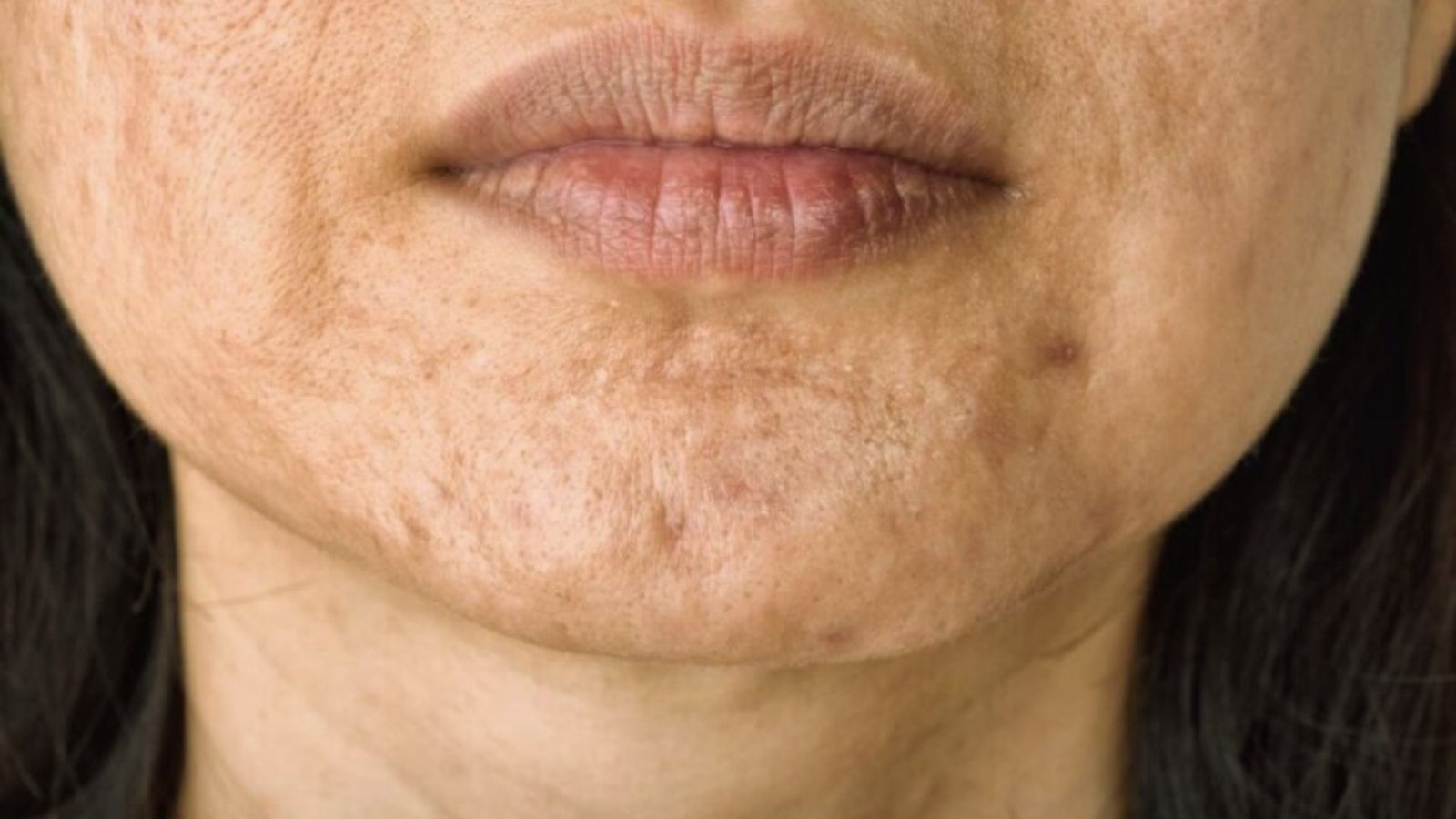

Dry skin is more than just a seasonal annoyance. It can crack, flake, and even hurt. I’ve seen this firsthand, and so have millions of people who struggle with it year-round.
What vitamin deficiency causes dry skin is one of the most searched skin health questions today, and for good reason.
In this blog, I’ll walk you through the exact vitamins your skin needs, which deficiencies lead to dryness, and what you can do about it.
With over a decade of research-backed content on skin health, you’re in the right place.
Common Causes of Dry Skin

Dry skin doesn’t always have one clear cause. Cold weather, low humidity, and harsh soaps strip away your skin’s natural oils fast.
Conditions like eczema and psoriasis make it harder for skin to hold onto moisture, often needing more than just a basic moisturizer.
Your daily habits matter too. Not drinking enough water, eating poorly, and living with constant stress all show up on your skin. When your body is under pressure, your skin feels it first.
What Vitamin Deficiency Causes Dry Skin?
Your skin health is directly tied to what you eat. Here’s a breakdown of the key vitamins your skin depends on.
Vitamin A

Vitamin A supports cell regeneration and oil production. Without enough of it, your skin can’t replace old cells fast enough. This leads to rough, flaky patches and a dull look.
Vitamin B Complex (B3, B5, B6, B7, B12)

The B vitamins work together to keep your skin hydrated and your barrier strong. B3 (niacinamide) reduces inflammation.
B5 helps lock in moisture. B7 (biotin) supports healthy skin cells. A deficiency in any of these can break down your skin’s ability to stay soft and calm.
Vitamin C

Vitamin C is key for collagen production. Without it, your skin loses firmness and starts to dry out faster. It also protects against free radical damage that speeds up aging.
Vitamin D

Vitamin D regulates your immune response in the skin. When levels are low, skin inflammation can increase. This often shows up as persistent dryness and sensitivity.
Vitamin E

Vitamin E preserves the lipids in your skin. These lipids act like a protective seal. Without enough vitamin E, that seal weakens and moisture escapes more easily.
What Vitamin Deficiency Causes Dry Skin on Face?

Facial skin is thinner and more exposed, making it react faster to vitamin deficiencies.
Recognizing Facial Dryness vs. General Body Dryness
Facial dryness often shows up around the nose, cheeks, and forehead. It can feel tight after washing.
General body dryness tends to appear on the legs, arms, and elbows. Facial dryness is usually more visible and harder to hide.
Key Vitamin Deficiencies Impacting Facial Skin
Vitamins A, B3, C, and E are most closely tied to facial skin health. A lack of vitamin A makes the face look rough and flaky.
Low vitamin C causes dullness and fine lines. B3 deficiency can trigger redness and a weakened skin barrier. Vitamin E loss makes the skin more prone to irritation.
When to Consult a Dermatologist for Facial Dryness
If your facial dryness doesn’t improve with diet changes and good skincare, see a dermatologist.
Persistent redness, peeling, or cracking that won’t heal needs professional attention. A doctor can run tests to check for specific deficiencies.
Symptoms of Vitamin Deficiency-Related Dry Skin

Not all dry skin looks the same. Deficiency-related dryness has some specific signs to watch for.
Persistent Dryness or Flaking
If your skin stays dry no matter how much you moisturize, a vitamin deficiency could be the root cause. This kind of dryness doesn’t respond well to just topical care alone.
Redness or Inflammation
Skin that stays red or inflamed is often dealing with a breakdown in its barrier. This is linked to low levels of vitamin B3 or vitamin D. The skin becomes reactive and sensitive.
Slow Healing or Scarring
Cuts and blemishes that take longer than usual to heal can point to low vitamin C. Vitamin C plays a direct role in how fast your skin repairs itself.
Premature Fine Lines, Dullness, or Rough Texture
A lack of vitamin A or vitamin C can speed up the aging process. Your skin may look older than it should. Fine lines appear earlier, and the overall texture feels rough to the touch.
How to Treat Dry Skin Caused by Vitamin Deficiencies

Fixing dry skin from within is possible. A few focused changes go a long way.
Dietary Changes and Supplementation
Start by adding vitamin-rich foods to your daily meals.
- Vitamin A: carrots, sweet potatoes, spinach, eggs
- Vitamin B complex: whole grains, legumes, nuts, dairy
- Vitamin C: citrus fruits, bell peppers, strawberries
- Vitamin D: fatty fish, egg yolks, fortified foods, sunlight
- Vitamin E: almonds, sunflower seeds, avocado, olive oil
If your diet alone isn’t enough, supplements can help. Always talk to a doctor before starting any supplement.
Skincare Products to Support Hydration and Barrier Repair
Look for moisturizers with niacinamide (B3), retinol (vitamin A), or ascorbic acid (vitamin C).
These ingredients work directly on the skin’s surface while you address the root issue internally. Use a gentle, fragrance-free moisturizer twice a day.
Lifestyle Tips:
- Drink at least 8 glasses of water daily
- Use mild, soap-free cleansers
- Apply sunscreen every morning to protect against further damage
- Avoid very hot showers, which strip away skin oils
- Get tested for vitamin levels if dryness doesn’t improve
Tips for Maintaining Healthy Skin
Small daily habits can keep your skin in good shape over the long term.
- Eat colorful vegetables, lean proteins, and healthy fats every day to feed your skin from within.
- Avoid skipping meals and cut back on processed foods that offer little nutritional value.
- Cleanse gently, moisturize while your skin is still damp, and use products made for dry or sensitive skin.
- Get a blood panel done once a year to catch any vitamin deficiencies before they affect your skin.
- Work with a nutritionist or dermatologist to build a plan based on your actual test results.
Conclusion
I know how frustrating it is to deal with dry skin that just won’t improve. Trust me, I’ve been there. Understanding what vitamin deficiency causes dry skin changed how I looked at skincare completely.
It’s not always about what you put on your skin. Sometimes, it’s what you put in your body.
If your skin is constantly dry, flaking, or feeling tight, it might be time to look deeper. Talk to a dermatologist or nutritionist.
Drop a comment below and share what’s worked for you. Your experience might help someone else too.
Frequently Asked Questions
Can low vitamin D really cause dry skin?
Yes, vitamin D plays a role in skin immune function. Low levels can lead to increased inflammation and persistent dryness that’s hard to treat with just moisturizers.
How long does it take to see improvement after fixing a vitamin deficiency?
Most people start noticing skin improvements within 4 to 8 weeks of consistent dietary changes or supplementation, depending on how severe the deficiency was.
Is dry skin on the face always caused by a vitamin deficiency?
Not always. Environmental factors, hormones, and skin conditions can also cause facial dryness. However, a deficiency in vitamins A, B3, C, or E is a common and often overlooked reason.
Which vitamin deficiency is most commonly linked to dry skin?
Vitamin A and vitamin D deficiencies are the most commonly linked to dry skin. Both affect how the skin regenerates and protects itself from moisture loss.
Can I get enough vitamins for healthy skin through food alone?
In many cases, yes. A balanced diet rich in fruits, vegetables, and whole foods can cover most of your vitamin needs. However, some people may need supplements based on their blood test results.