Do people with alopecia lose eyelashes? Find out what really happens and what you can do about it.
Do people with alopecia have eyelashes or do they lose them too? I get why you’re asking. It feels personal, and the answer isn’t always straightforward.
In this article, I’ll walk you through how alopecia affects eyelashes, which types are most likely to cause lash loss, and what options are available to help.
With years of research into hair loss conditions, I’m here to give you clear, honest answers.
No fluff, just everything you need to know, all in one place.
Do People With Alopecia Have Eyelashes? (Quick Answer)
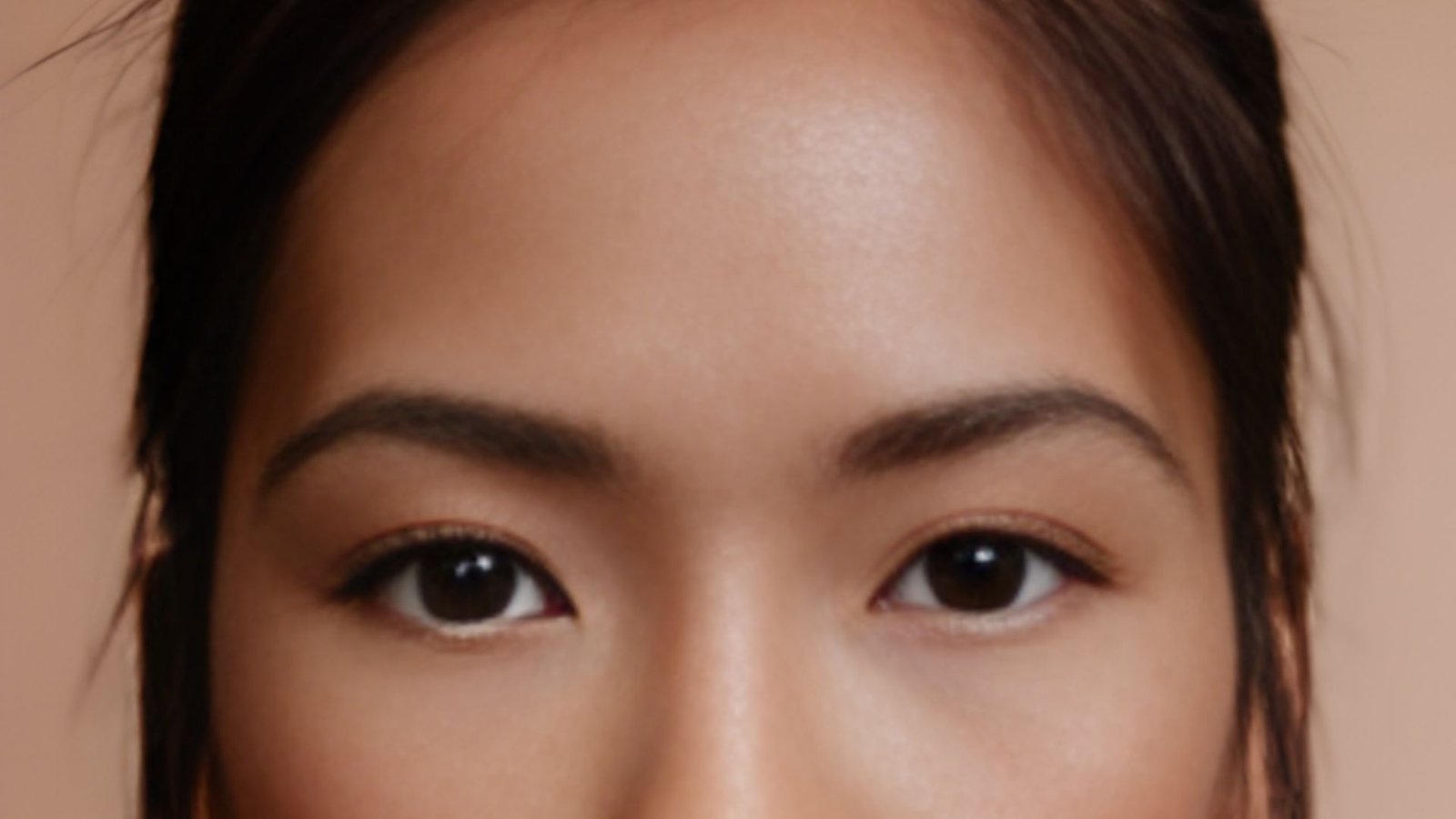
It depends on the type and severity of the condition. Many people with milder forms, like alopecia areata, retain some or all of their eyelashes, as eyelash follicles can respond differently to immune triggers.
However, complete eyelash loss is possible in more severe cases, such as alopecia totalis or universalis, where the immune response targets follicles across the entire body.
Individual biology, genetics, stress, and overall health also play a role, meaning two people with the same diagnosis can have very different experiences.
Why Do People With Alopecia Lose Eyelashes?

Alopecia causes eyelash loss when the immune system mistakenly attacks hair follicles, with certain triggers and risk factors determining how severe that loss becomes.
Autoimmune Attack on Hair Follicles
People with alopecia lose eyelashes because the immune system mistakenly attacks hair follicles, including those along the eyelid, causing them to stop producing hair.
Unlike scalp follicles, eyelash follicles may not always be targeted, but in moderate to severe cases, the autoimmune response becomes widespread enough to affect them.
The more aggressive the immune reaction, the greater the chance of eyelash loss alongside other body hair.
Common Triggers and Risk Factors
Several factors can trigger or worsen this autoimmune response. Chronic stress is a common culprit, as it disrupts immune function and can accelerate hair loss.
Genetics also play a significant role, making those with a family history of alopecia more susceptible.
Additionally, having other autoimmune conditions, such as thyroid disease or vitiligo, increases the likelihood of more widespread follicle involvement across the body.
How Alopecia Affects Eyelashes
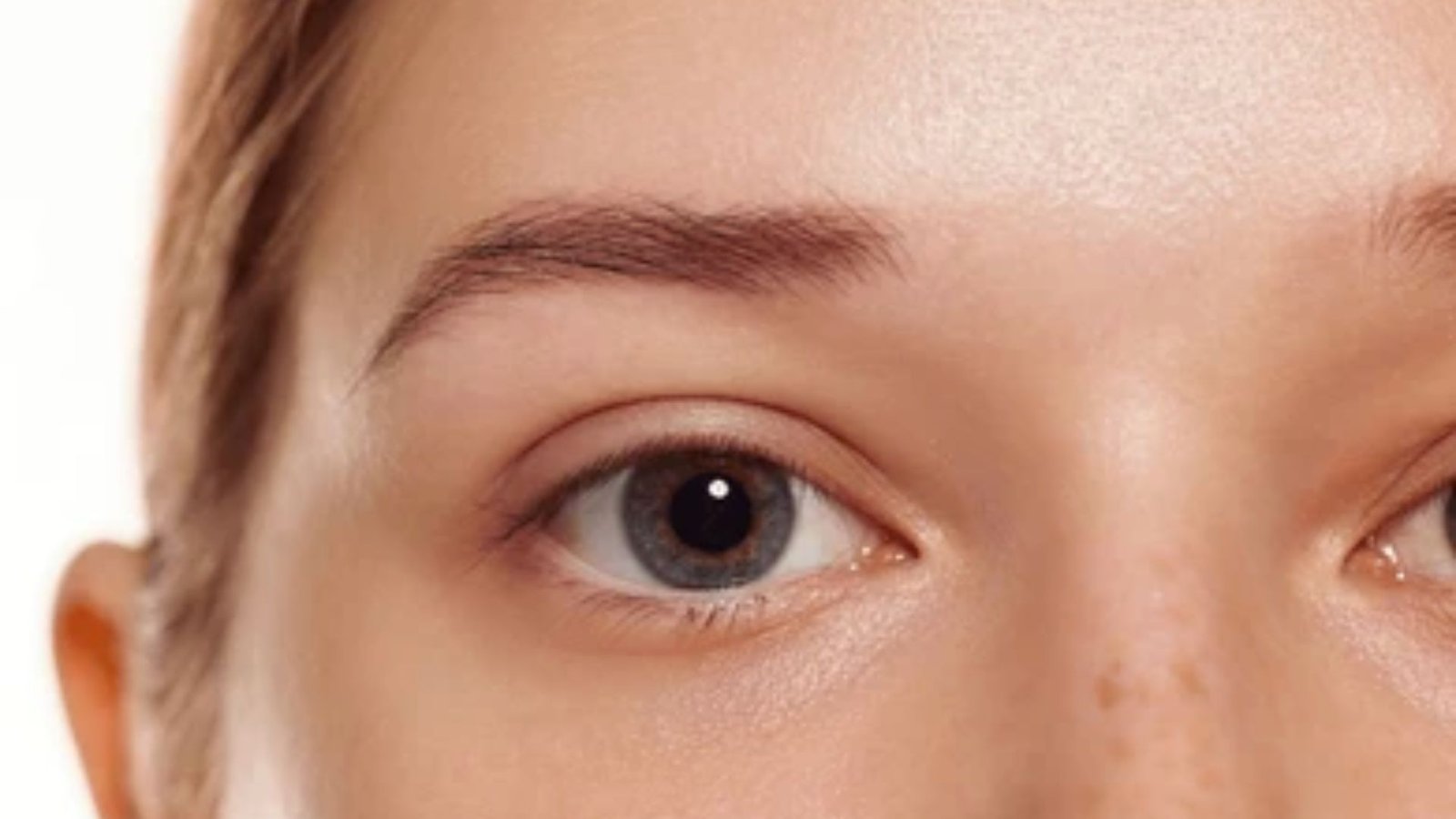
Alopecia can affect eyelashes in varying degrees from mild thinning to complete loss with more severe cases often signaling widespread disease progression.
Partial vs Complete Eyelash Loss
Alopecia can affect eyelashes in different ways depending on how the condition progresses.
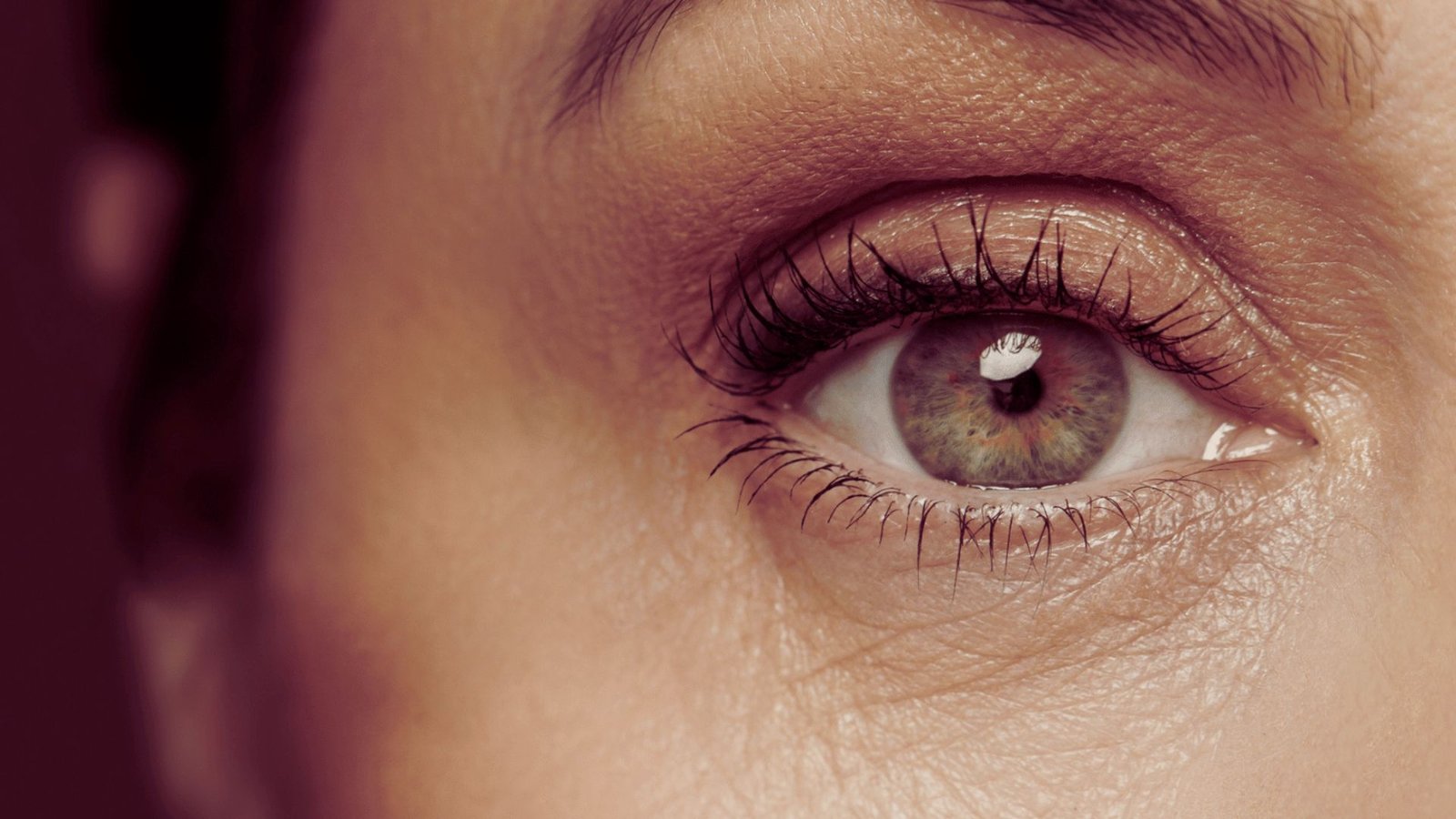
Some people experience mild thinning or patchy loss, where only certain sections of the lash line are affected.
Others may lose eyelashes entirely, particularly when the autoimmune response becomes more aggressive.
Just as scalp hair loss can range from small bald patches to complete baldness, eyelash loss follows a similar spectrum; no two cases look exactly the same.
How Common Is Eyelash Loss in Alopecia?
Eyelash loss is not universal among people with alopecia, but it is not uncommon either.
It tends to appear more frequently in those with moderate to severe forms of the condition, such as alopecia totalis or universalis.
Those with mild or early-stage alopecia areata are less likely to notice significant eyelash changes, though some thinning can still occur over time.
Eyelash Loss and Disease Severity
When eyelash loss does occur, it is often a sign that the condition has become more widespread.
Losing eyelashes alongside eyebrows or body hair typically indicates that the immune system is targeting follicles beyond the scalp, which may point to a more advanced stage of the disease.
For this reason, noticeable eyelash loss is something worth discussing with a dermatologist, as it can help guide treatment decisions.
Can Eyelashes Grow Back After Alopecia?
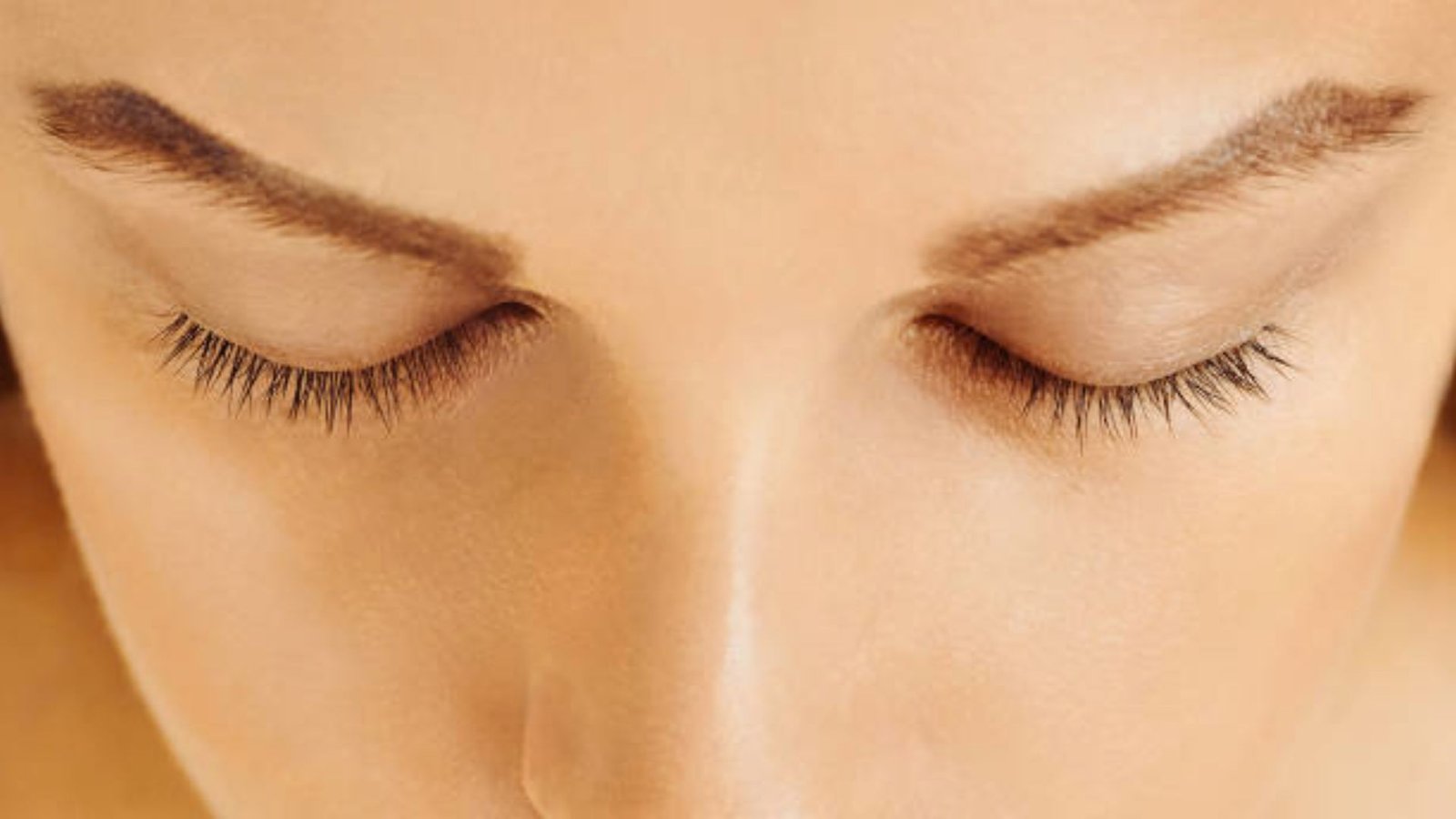
In many cases, eyelashes can regrow after alopecia, though the timeline and likelihood depend on the severity of the condition and how well it responds to treatment.
Is Eyelash Loss Permanent or Temporary?
Eyelash loss from alopecia is often temporary, but it can be unpredictable. Many people do see regrowth, especially those with milder forms of the condition.
However, in more severe or long-standing cases, the follicles may become increasingly difficult to reactivate, making regrowth less certain.
The condition can also cycle through phases of loss and regrowth, meaning eyelashes may return only to fall out again later.
Eyelash Regrowth Timeline
When regrowth does occur, it typically begins within three to six months, though this varies from person to person.
Some may notice fine, lighter lashes appearing first before fuller regrowth follows.
In cases where treatment is involved, regrowth may begin sooner or progress more steadily, depending on how well the body responds.
Factors That Affect Regrowth
Several factors influence whether and how quickly eyelashes grow back.
The type of treatment being used plays a significant role, as certain therapies are more effective at calming the immune response and stimulating follicle activity.
The severity of the condition also matters; milder cases tend to recover more easily than advanced ones.
Overall health, including nutrition, stress levels, and the presence of other medical conditions, can further impact the body’s ability to support healthy hair regrowth.
Treatment Options for Eyelash Loss in Alopecia

Several medical and cosmetic options are available to help manage eyelash loss from alopecia, ranging from immune-targeting therapies to practical appearance-based solutions.
Medical Treatments
A number of medical treatments can help address eyelash loss by targeting the underlying autoimmune response.
Corticosteroids, applied topically or injected near the lash line, work to suppress the immune attack on follicles. Minoxidil, though more commonly associated with scalp hair, can also help stimulate lash follicle activity.
JAK inhibitors are a newer class of medication showing promising results by blocking the immune signals responsible for follicle damage.
Bimatoprost, originally developed for glaucoma, has also been found to promote eyelash growth and is sometimes used specifically for lash-related hair loss.
Cosmetic Solutions
For those looking for immediate results while pursuing medical treatment or for those who prefer non-medical approaches several cosmetic options can help restore the appearance of fuller lashes.
False eyelashes are a popular and versatile choice, available in a range of styles to suit different preferences. Strategic eyeliner techniques, such as tightlining or using soft pencil along the lash line, can create the illusion of density and definition.
Lash enhancements, including semi-permanent options like lash extensions or tinting, offer longer-lasting results for those wanting a lower-maintenance solution.
Tips to Manage Eyelash Loss Safely
Managing eyelash loss takes a little extra care, but small daily habits can make a big difference.
- Wear glasses or sunglasses outdoors to keep dust and debris away from your eyes
- Use a clean, soft cloth to gently wipe around the eye area instead of rubbing
- Choose mild, fragrance-free products when cleaning around the eyes
- Avoid pulling or touching the lash line too often, as this can irritate sensitive skin
- Add protein, iron, and vitamin D to your daily diet to support healthy hair follicles
Conclusion
Whether or not people with alopecia lose their eyelashes varies from person to person. Some retain them fully, while others experience partial or complete loss depending on the severity of their condition.
The good news is that eyelash loss is often temporary, and regrowth is possible with the right care and treatment.
Seeking help early can make a real difference in managing the condition effectively.
Everyone’s experience with alopecia is different, so working closely with a dermatologist is the best step toward finding what works for you.
Frequently Asked Questions
Do all people with alopecia lose their eyelashes?
No, not everyone with alopecia loses their eyelashes. Many people, especially those with milder forms like alopecia areata, retain some or all of their lashes. Eyelash loss is more common in moderate to severe cases.
Can eyelashes grow back after alopecia?
Yes, in many cases eyelashes do grow back. Regrowth often begins within three to six months, though it depends on the severity of the condition, the treatment used, and the individual’s overall health.
What causes eyelash loss in alopecia?
Eyelash loss occurs when the immune system mistakenly attacks hair follicles along the eyelid. Stress, genetics, and other autoimmune conditions can all trigger or worsen this response.
Is eyelash loss from alopecia permanent?
Not always. Eyelash loss is often temporary, though it can be unpredictable. Some people experience cycles of loss and regrowth, while others with more severe cases may find regrowth harder to achieve.
What treatments are available for eyelash loss from alopecia?
Options include corticosteroids, minoxidil, JAK inhibitors, and bimatoprost for medical treatment. Cosmetic solutions like false lashes, eyeliner techniques, and lash extensions can also help in the meantime.