Skin comes in hundreds of shades, and telling them apart can feel confusing without the right visual guide.
I have spent time studying color theory and skin diversity, and one thing is clear: most people mix up tone and undertone.
That small confusion leads to wrong foundation picks, inaccurate portrait colors, and missed representation in education.
This article covers what a skin tones chart is, why it matters, and how tone differs from undertone. By the end, you will see every complexion clearly and confidently.
What Is a Skin Tones Chart?
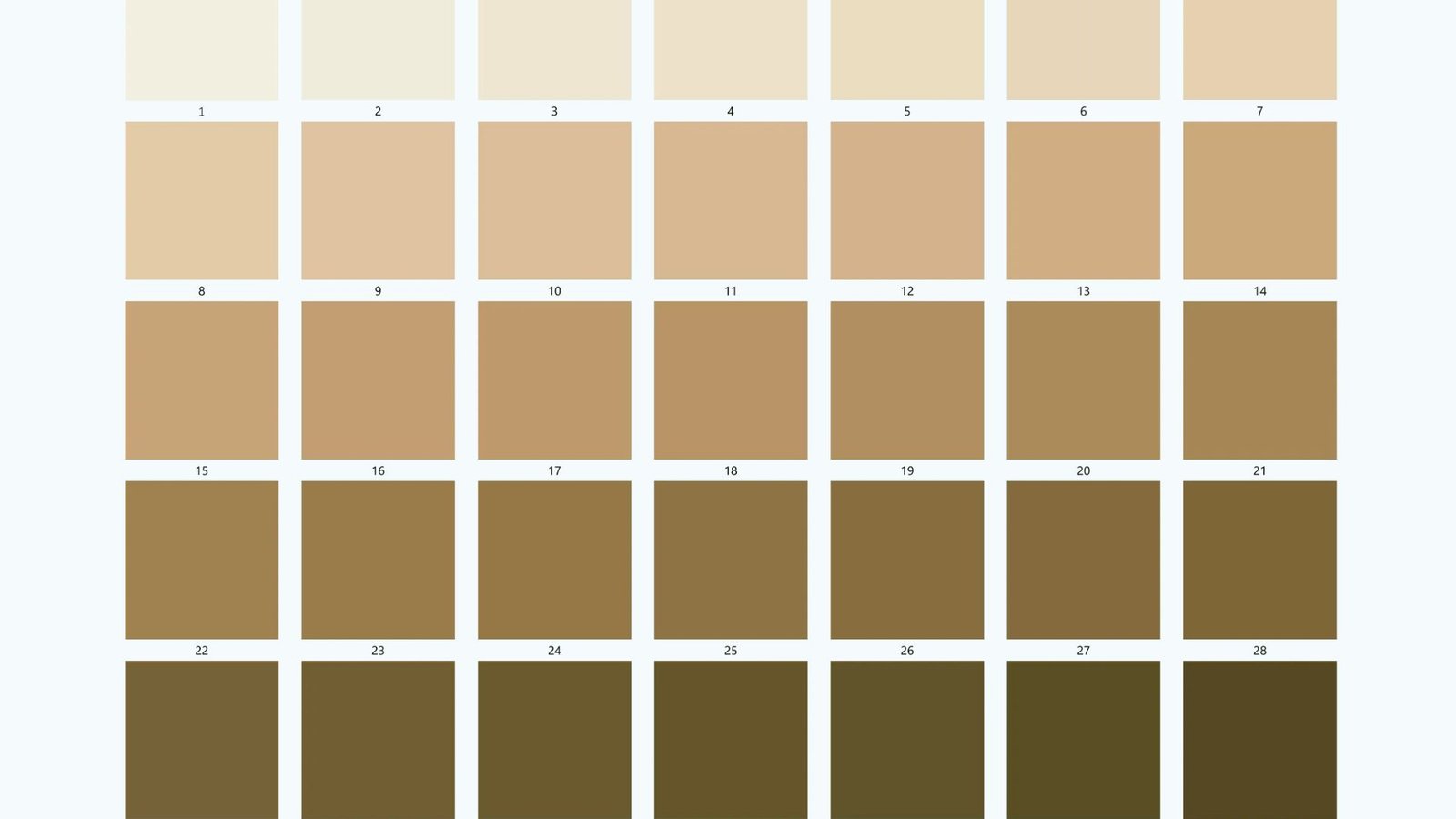
A skin tones chart puts every complexion in one clear place.
Skin Tones Chart with Names Explained
Skin tones fall into six main groups: fair, light, medium, tan, brown, and deep. Each name covers a visible range of complexion. These labels are used across art, beauty, and education for clearer communication.
Types of Skin Tones Chart
The Fitzpatrick scale is one of the most widely used classification systems, grouping skin by color and sun response. Other systems focus on visual matching for cosmetics and portrait work. The right system depends on what field you are working in.
Different Skin Tones Chart Overview
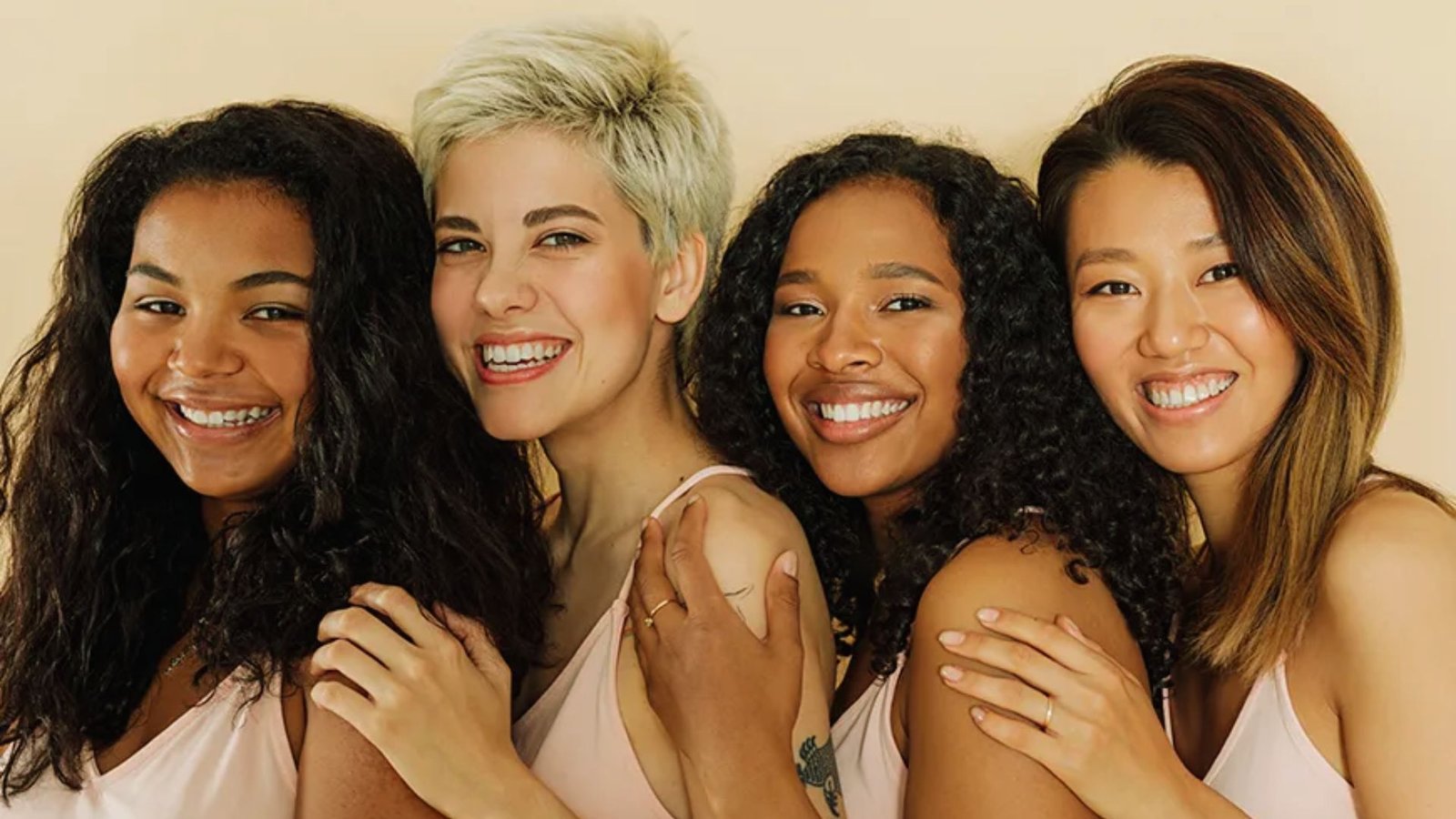
Genetics, sun exposure, and natural pigmentation make every skin tone slightly different. A good chart reflects this by showing a wide spectrum rather than just a few fixed shades. No two people share the exact same complexion, even within the same broad category.
Skin Tones Chart Visual Breakdown
Every shade has a place, and this section shows exactly where each one falls.
Light Skin Tones Chart (Fair to Light)
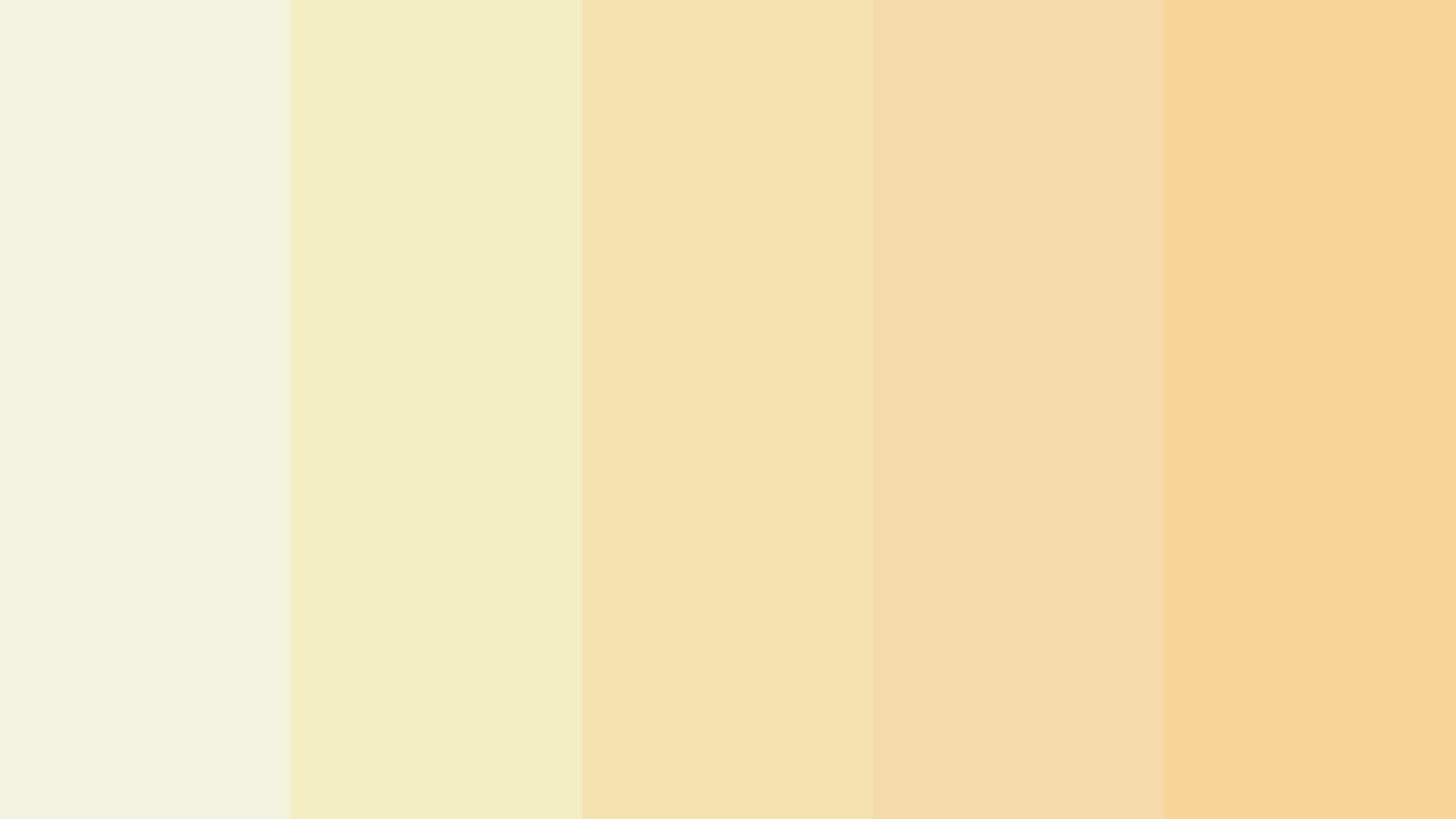
Fair skin has very little melanin and often appears pink or ivory in tone. Light skin sits one step deeper with a soft peachy appearance. Both shades tend to carry cool or neutral undertones.
Medium and Olive Skin Tones Chart
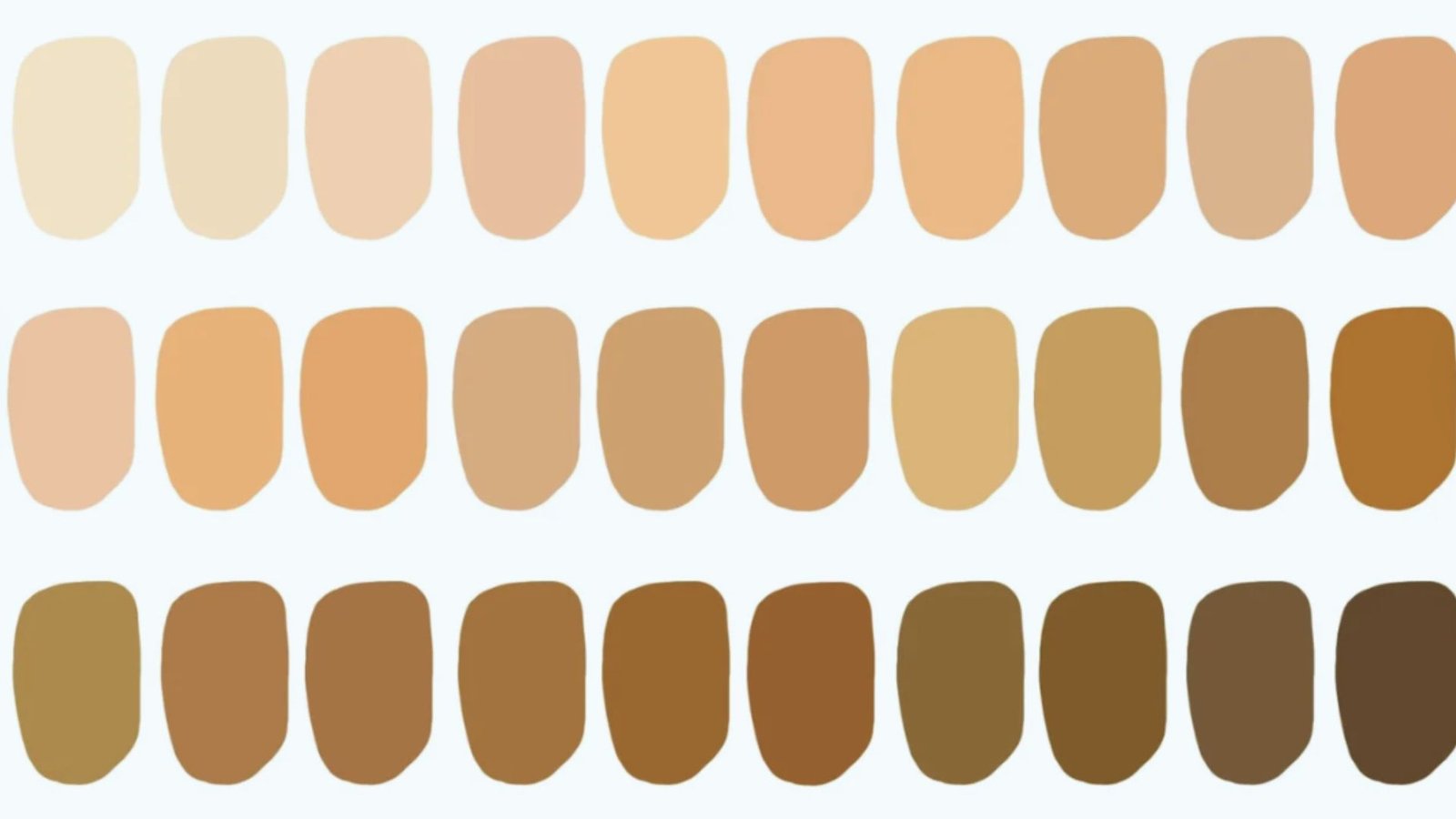
Medium tones appear golden or beige and tan more easily than lighter shades. Olive skin carries a distinct greenish or yellow-brown quality that sets it apart. Both generally carry warm or neutral undertones.
Brown Skin Tones Chart
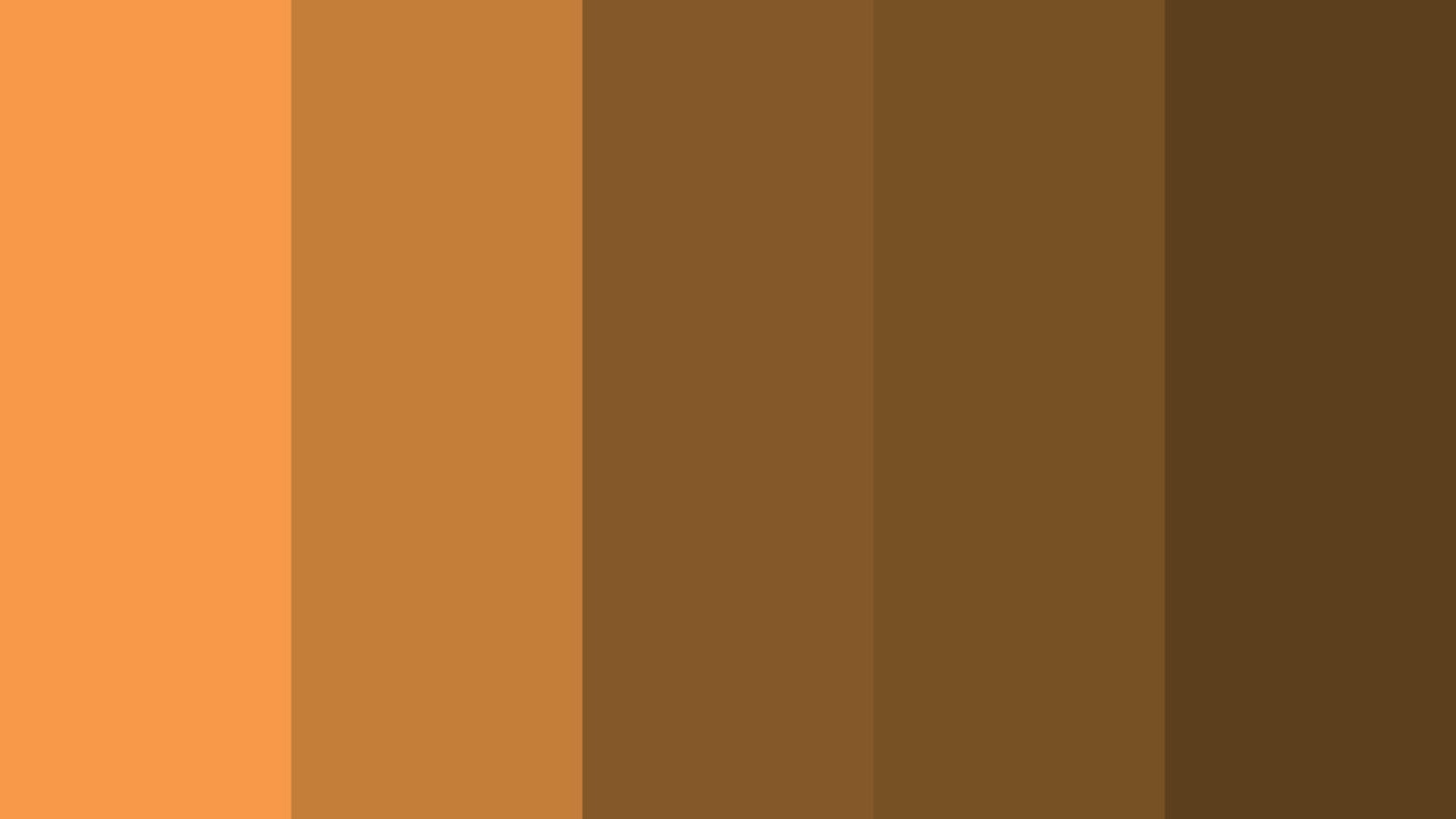
Brown skin ranges from soft caramel to rich chocolate and is the most common tone worldwide. It includes both warm and cool varieties across its range. This makes it one of the most diverse categories on the spectrum.
Black Skin Tones Chart (Deep Complexions)
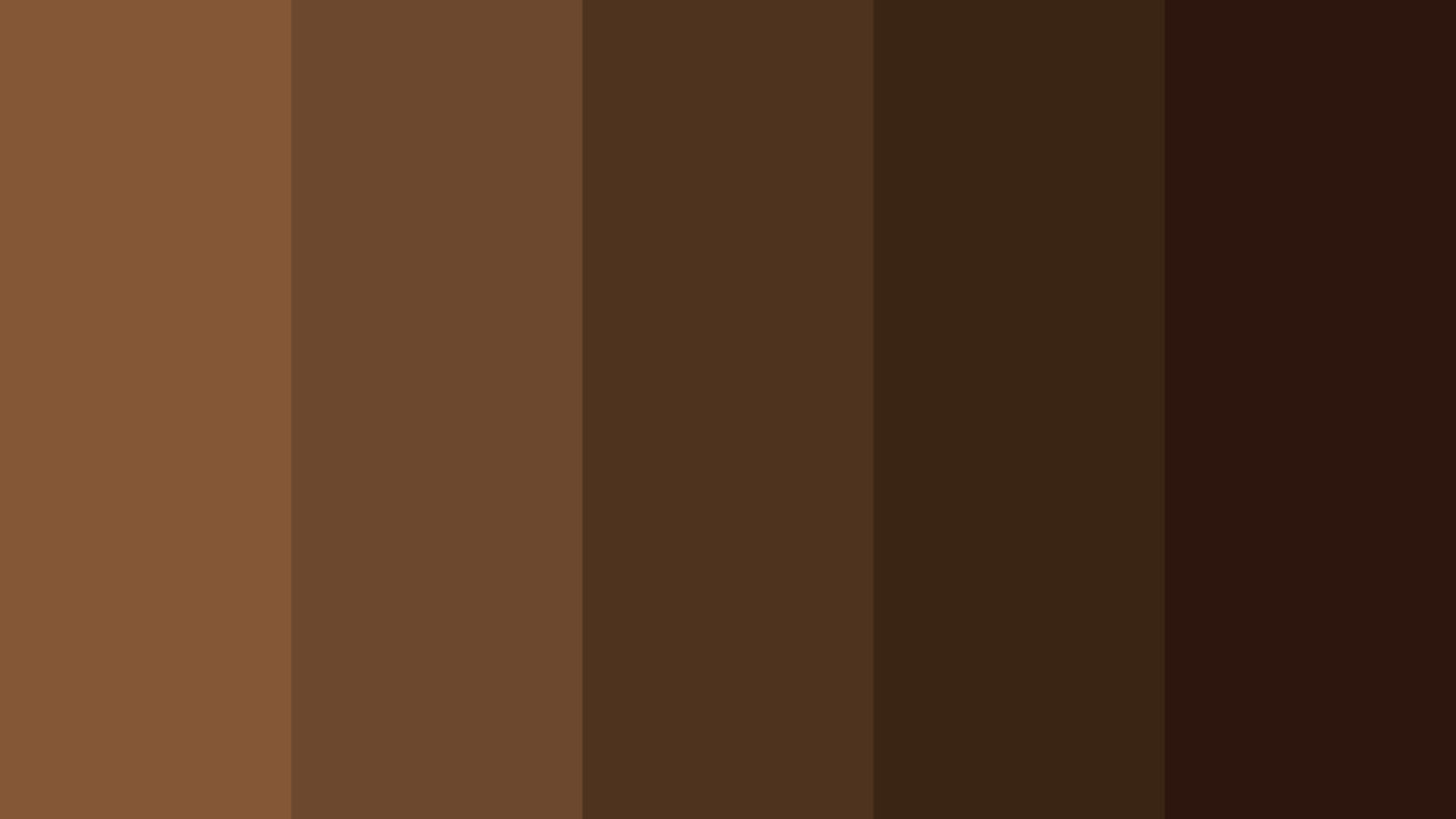
Deep complexions carry high melanin levels and range from dark brown to deep ebony. These tones come in cool, warm, and neutral undertone varieties. They are known for their richness and distinct depth of color.
Visual Skin Tones Chart with Names and Labels
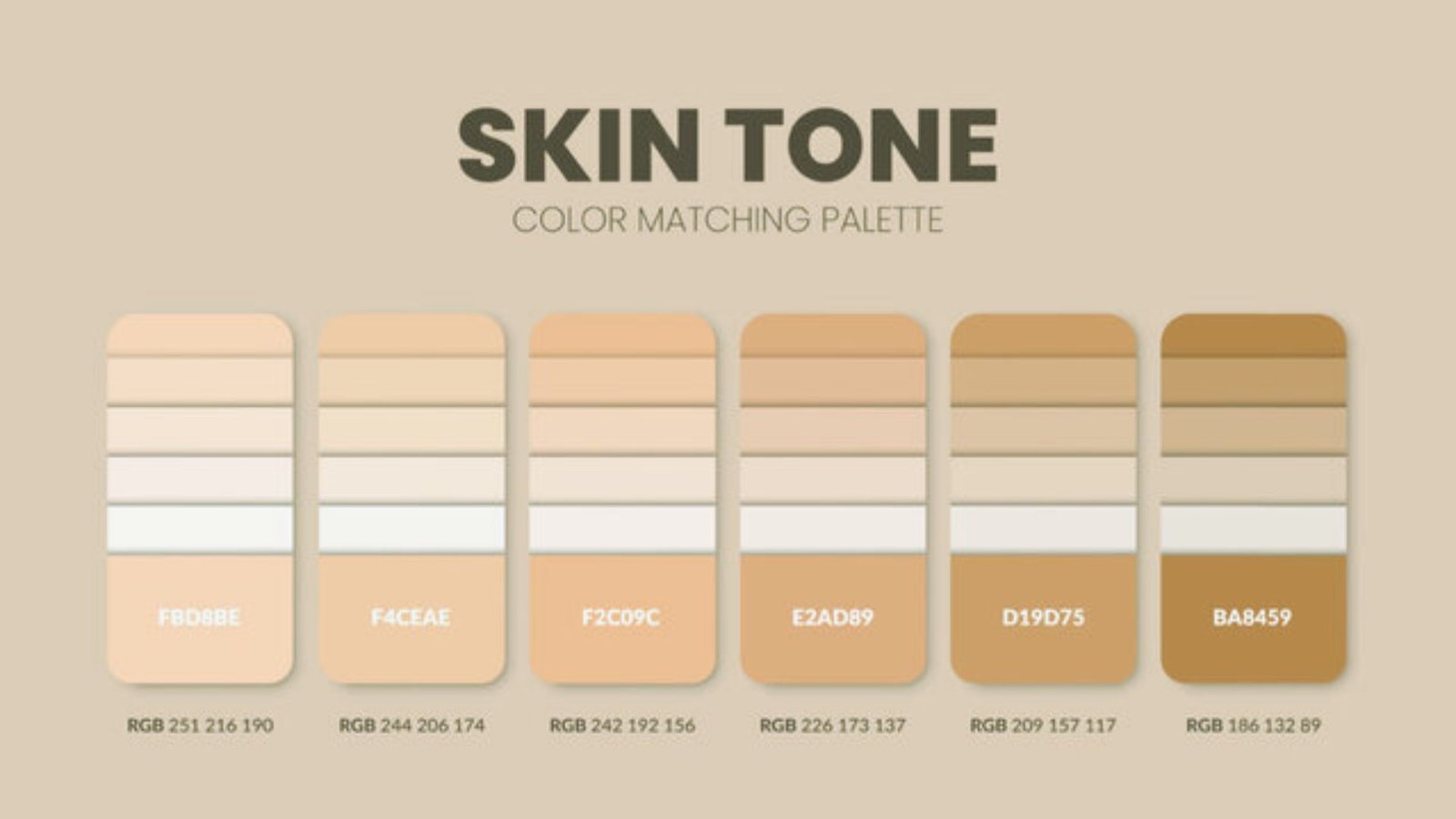
Named shades make a chart far more practical and easy to use.
Skin Tones Chart with Names
Names like porcelain, beige, honey, caramel, chestnut, and ebony give each tone a clear identity.
These labels are used widely in makeup, fashion, and digital design. Having named references makes color matching much more accurate.
Shades of Skin Tones Chart (Side-by-Side Comparison)
Placing shades next to each other reveals subtle differences that are hard to spot individually.
This is especially helpful for artists mixing colors or professionals choosing foundation shades. Small undertone shifts become much more visible through direct comparison.
Human Skin Tones Chart for Easy Identification
A clear chart lets you compare your skin against swatches and find the closest match. No technical knowledge is needed to use one effectively.
This makes it accessible for beginners, students, and professionals alike.
Skin Tones Chart by Undertones
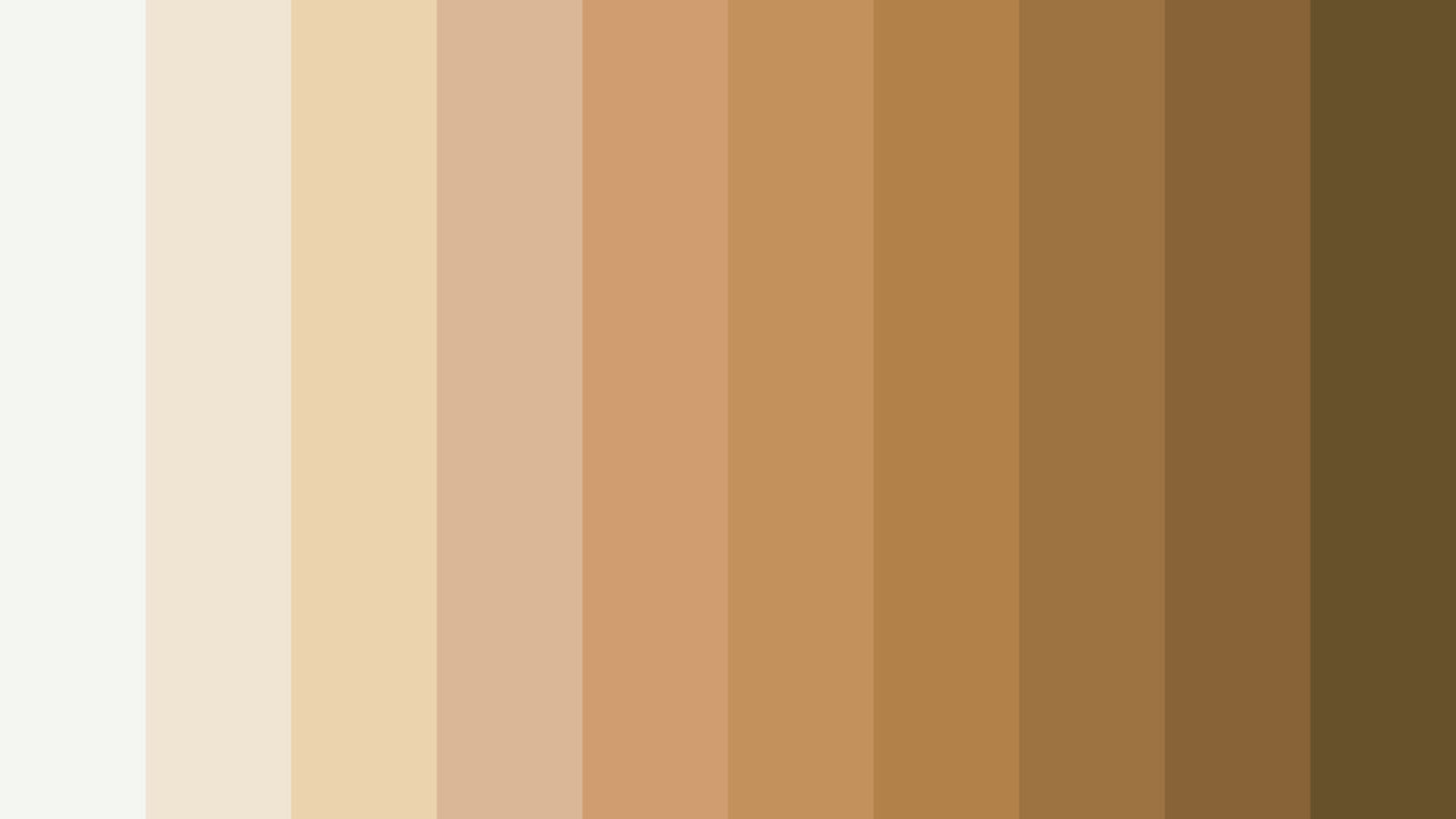
Undertones sit beneath the skin surface and shape how your complexion looks in different settings.
Warm Undertone Skin Tones Chart
Warm undertones carry yellow, peach, or golden hints beneath the surface. They pair best with earthy colors and gold jewelry. Wrist veins often appear greenish in people with warm undertones.
Cool Undertone Skin Tones Chart
Cool undertones have pink, red, or bluish hints beneath the skin. Silver jewelry and jewel tones tend to suit these individuals well. Wrist veins often appear blue or purple in cool-toned skin.
Neutral Skin Tones Chart
Neutral undertones blend both warm and cool without one pulling through strongly. People with neutral skin can wear both gold and silver comfortably. This makes neutral tones quite flexible across clothing and makeup choices.
Olive Skin Tones Chart
Olive skin carries a greenish or muted yellow quality that sits between warm and neutral. It is most common in Mediterranean, Middle Eastern, and South Asian backgrounds. This undertone can be tricky to identify because it does not fit neatly into one category.
All Skin Tones Chart
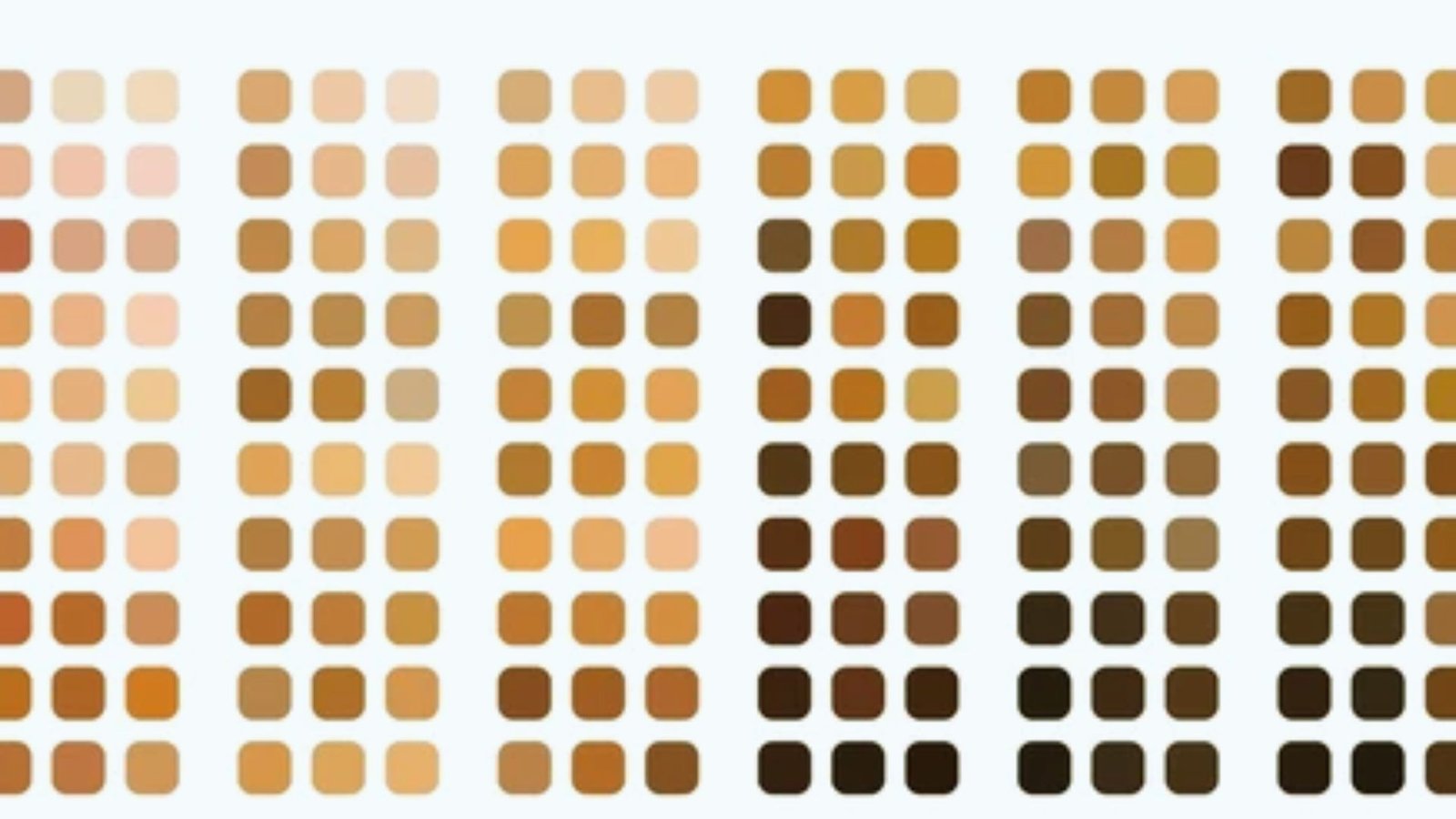
Seeing every tone together shows just how wide and gradual the human complexion spectrum really is.
Different Skin Tones Chart in One View
When all tones are placed together, the gradual shift from fair to deep becomes clear. Many shades overlap, showing how much variety exists within each category.
A full-range chart gives a much more complete picture than viewing tones separately.
Understanding Contrast Between Shades
Two tones that look identical alone can appear quite different side by side. Even a small undertone shift creates visible contrast between shades.
This is why comparison is key to accurate skin tone identification.
How Lighting Affects Skin Tone Appearance
Artificial lighting shifts how skin appears, making it look warmer or cooler than it actually is.
Always use natural daylight when comparing your skin against a chart. Consistent lighting removes one of the most common sources of misidentification.
Skin Tones Chart for Artists
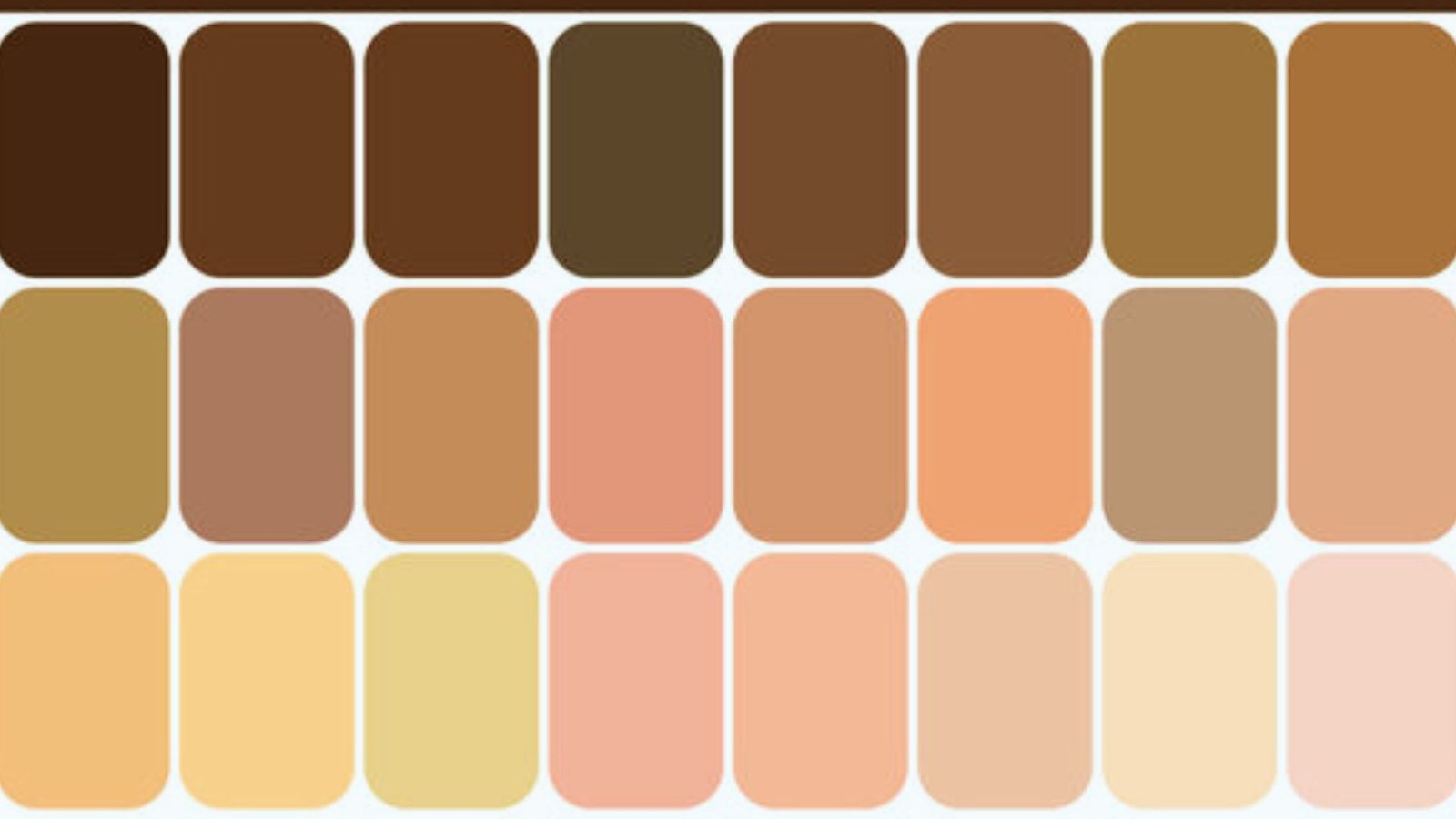
A good reference chart saves artists time and makes color mixing far more accurate.
Colored Pencil Skin Tones Chart Guide
No single pencil matches real skin, so layering warm and cool shades builds realistic depth.
A reference chart helps you choose the right combination for each area of the face. Starting light and building up gradually gives the most natural result.
How to Create Realistic Skin Tone Palettes
Start with a base tone, then shift it by adding small amounts of warm or cool color. Mixing in a touch of complementary color reduces harsh or artificial-looking results.
Testing the mix on paper before applying it to your work saves both time and effort.
Shading Techniques for Light to Dark Skin Tones
Lighter skin shows pinkish or lavender shadows rather than gray or brown. Darker skin carries richer, deeper shadow tones that often lean cool.
Matching the shadow color to the specific skin tone is what makes a portrait look convincing.
Tips for Using a Skin Tones Chart Accurately
Small habits make a big difference when getting an accurate match from any skin tones chart.
- Always check your skin and the chart under natural daylight for the most honest color reading.
- Place two or three nearby shades next to your skin and narrow down from there rather than guessing from one swatch alone.
- Different screens display colors differently, so print the chart or cross-check on more than one screen.
- Skin can shift slightly between summer and winter, so recheck your match at the start of each season.
- Never compare swatches under yellow indoor lighting as it affects how both your skin and the chart colors appear.
Conclusion
I remember the first time I tried matching a foundation without any reference and it was a complete miss.
Once I started using a skin tones chart, everything clicked. These charts simplify how you see and understand every complexion, from fair to deep.
Use them as a visual reference, combine them with simple observation, and you will get far more accurate results.
Found this helpful? Share it with someone who needs it or drop your thoughts in the comments below.
Frequently Asked Questions
What is a skin tones chart?
A skin tones chart is a visual reference that organizes human complexions into labeled categories. It helps people in art, beauty, and education identify and compare different shades clearly.
How many different skin tones are there?
There is no fixed number since skin tone exists on a continuous spectrum. Most charts group complexions into six broad categories: fair, light, medium, tan, brown, and deep.
What is the difference between tone and undertone?
Skin tone refers to the surface color you see, such as light or dark. Undertone is the subtle hue beneath the surface, which can be warm, cool, neutral, or olive.
How do artists use a skin tones chart?
Artists use charts as color mixing references to create realistic and accurate complexions in their work. It helps them choose the right base shades and shadow tones for each skin type.
Can skin tone change over time?
Yes, skin tone can shift slightly due to sun exposure, seasonal changes, aging, or health conditions. This is why it is useful to recheck your tone reference periodically rather than relying on one fixed match.