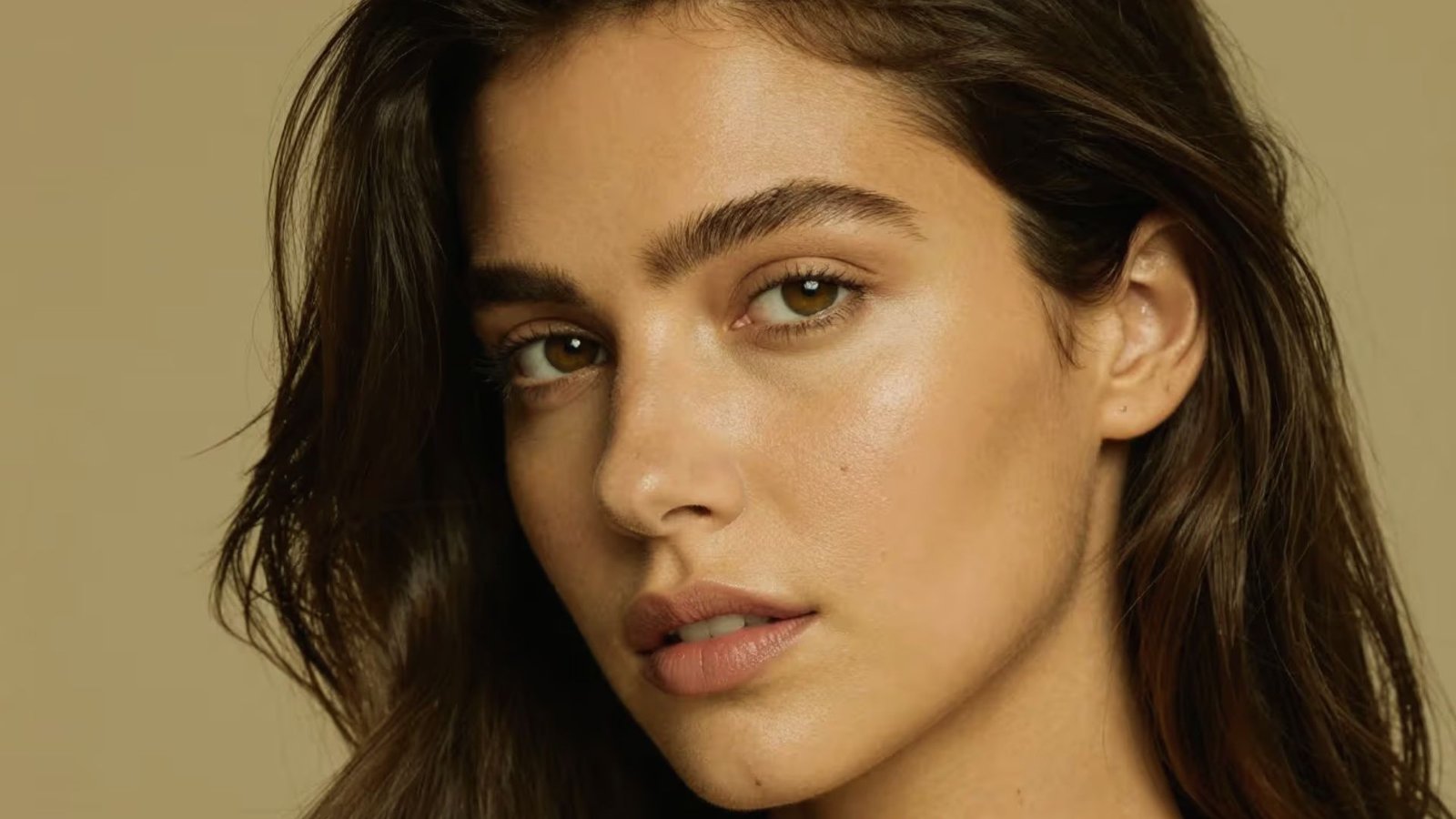
Olive skin is already misunderstood, but add a cool undertone and most people are completely lost.
Many struggle to understand why certain colors look off on them. Cool olive skin is usually the reason.
This guide breaks it all down clearly. You will learn exactly what cool olive skin is, why it gets misread so often, and how to identify whether you have it.
From flattering colors to makeup shades and styling choices, you will find practical answers that finally make sense of your skin tone and stop the second-guessing for good.
What Is a Cool Olive Skin Tone?
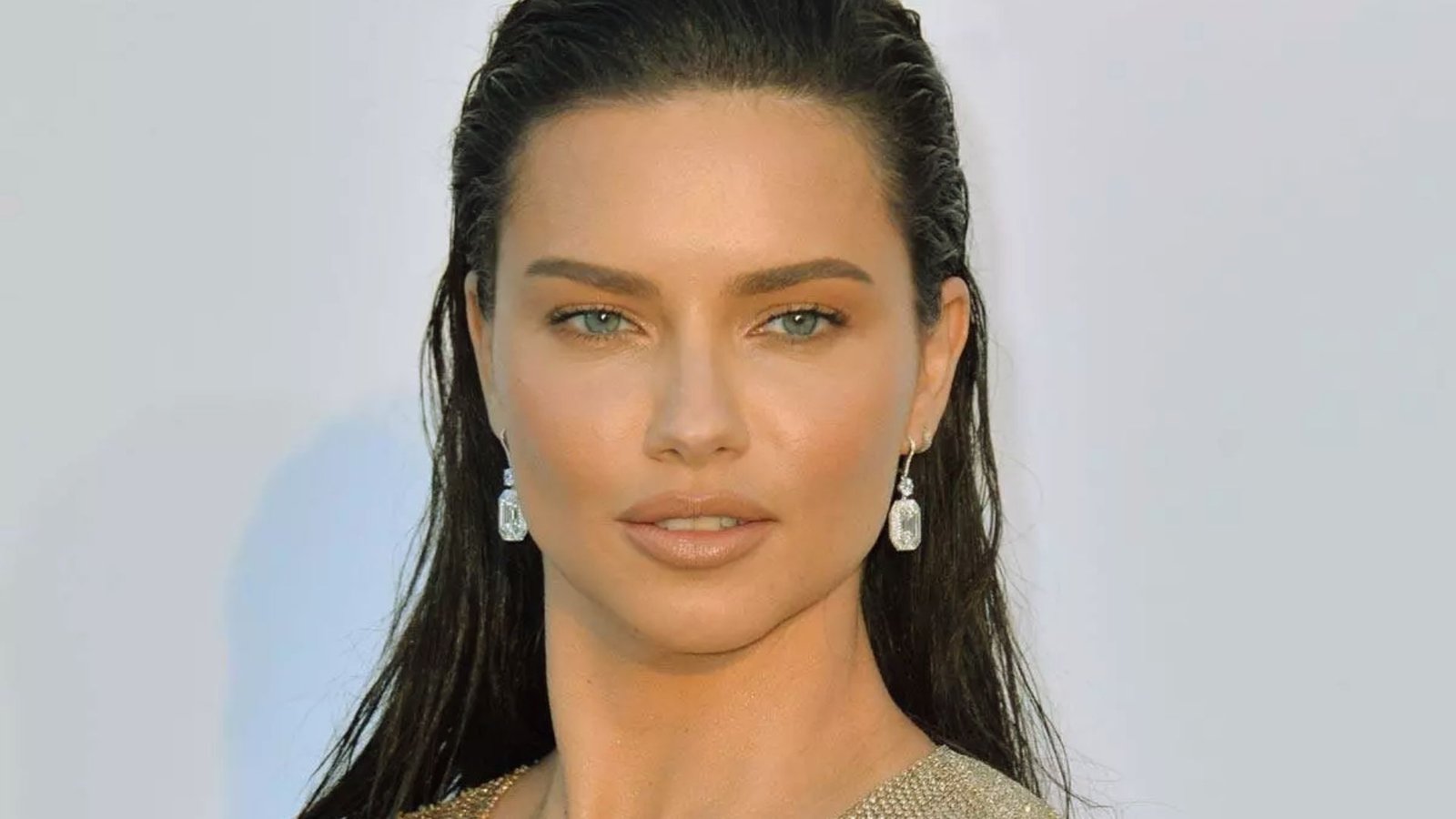
Not all olive skin looks the same. Here is what sets the cool version apart.
Olive skin has a natural green tint sitting beneath the surface. When that green mixes with blue or gray undertones, you get cool olive skin.
It does not lean fully warm and it does not lean fully neutral either. Most people assume olive skin is always warm, but that is not true.
Cool olive and neutral undertones can look similar, but cool olive has that visible green layer paired with a slightly ashy quality that makes it distinct.
Characteristics of Cool Olive Skin Tone

Cool olive skin has specific traits that show up in your makeup, jewelry choices, and everyday color reactions.
Visible Traits of Cool Olive Skin
Cool olive skin often has a green-gray cast that gives it a slightly muted look. It can appear a little ashy in certain lighting, especially natural daylight.
The skin tone does not look dull, it just has a cooled-down, toned quality that sets it apart.
Common Makeup and Color Struggles
Foundation shades tend to pull too yellow, too pink, or too orange on cool olive skin. Lipsticks behave differently too, reds can shift toward pink or orange depending on the formula.
These struggles happen because most products are made with either warm or neutral skin in mind, not cool olive.
Jewelry and Color Clues
Silver jewelry tends to sit better against cool olive skin than gold does. Gold can make the skin look muddier or bring out unwanted yellow tones.
Cool-toned metals and accessories work with the undertone instead of against it.
How to Identify Cool Olive Skin Tone
A few simple at-home tests can help you confirm whether your skin tone is truly cool olive.
Vein Test (Blue-Green Undertones)

Look at the veins on the inside of your wrist in natural light. Cool olive skin usually shows veins that appear blue, blue-green, or even slightly purple.
If they look green or olive, you may be leaning more warm.
White Clothing Test

Hold a pure white piece of clothing up near your face and look in a mirror.
If your skin looks slightly gray, ashy, or dull next to bright white, that points to a cool undertone. Cool olive skin often looks cleaner and more alive next to off-white or soft gray shades.
Jewelry Test (Silver vs Gold)
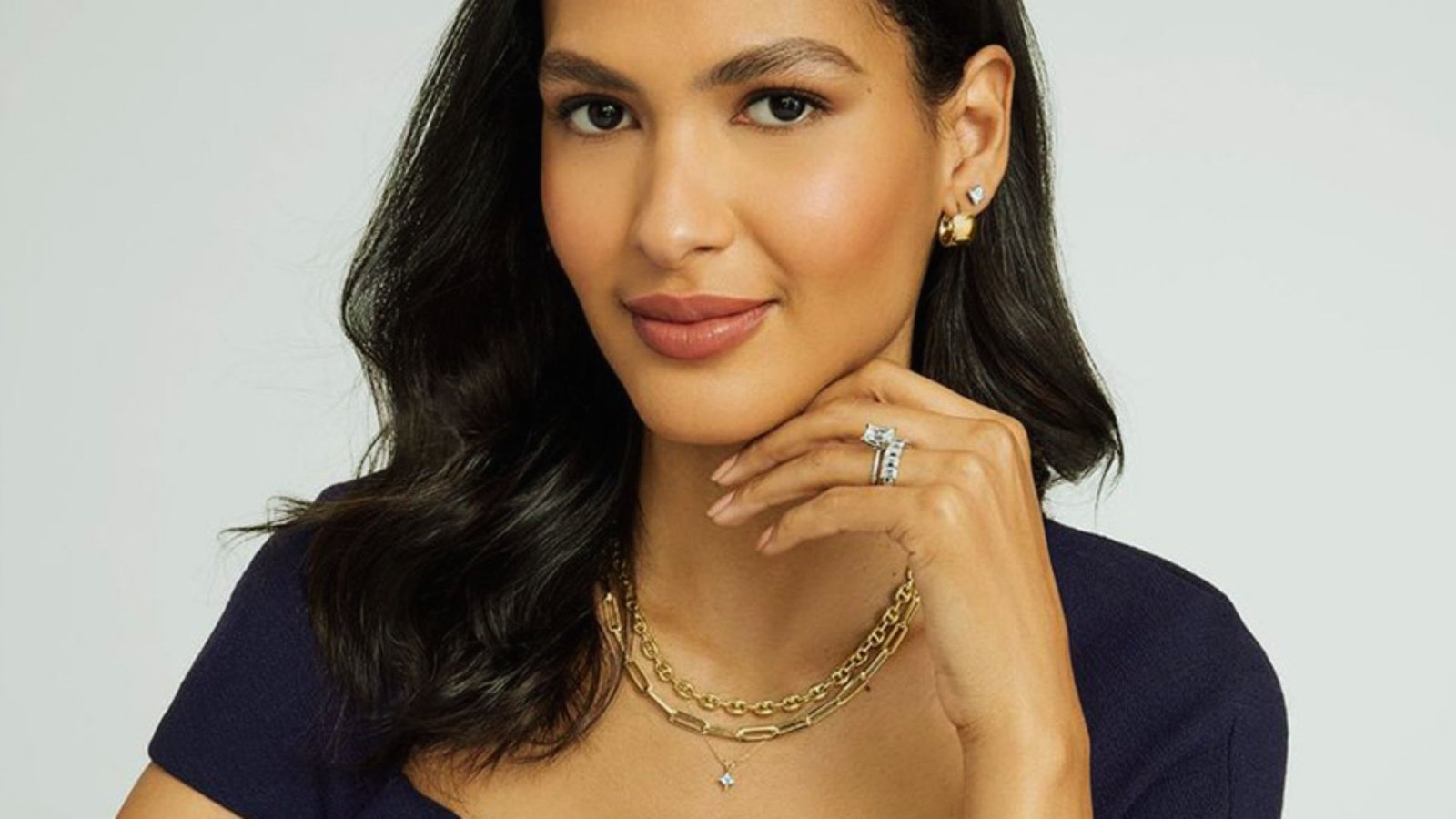
Put on a silver necklace or bracelet and then swap it for gold. Notice which one makes your skin look more alive and clear.
Cool olive skin almost always responds better to silver, white gold, or platinum.
Real-Life Indicators

If you have spent years struggling to find the right foundation shade, cool olive could be the reason.
Colors often look slightly off, too warm, too bright, or too muddy. Many cool olive people also notice that their skin tone looks different in photos versus real life depending on the light.
How Cool Olive Skin Differs from Other Skin Tones
Cool and warm olive skin look similar on the surface but behave very differently with color choices and styling.
Warm Olive vs Cool Olive

Cool olive is driven by blue and gray undertones, giving it a muted, ashy quality.
Warm olive leans into yellow and golden tones, making it look rich and sun-kissed. The jewelry test is the easiest way to tell the two apart.
Cool Olive vs Warm and Neutral Tones
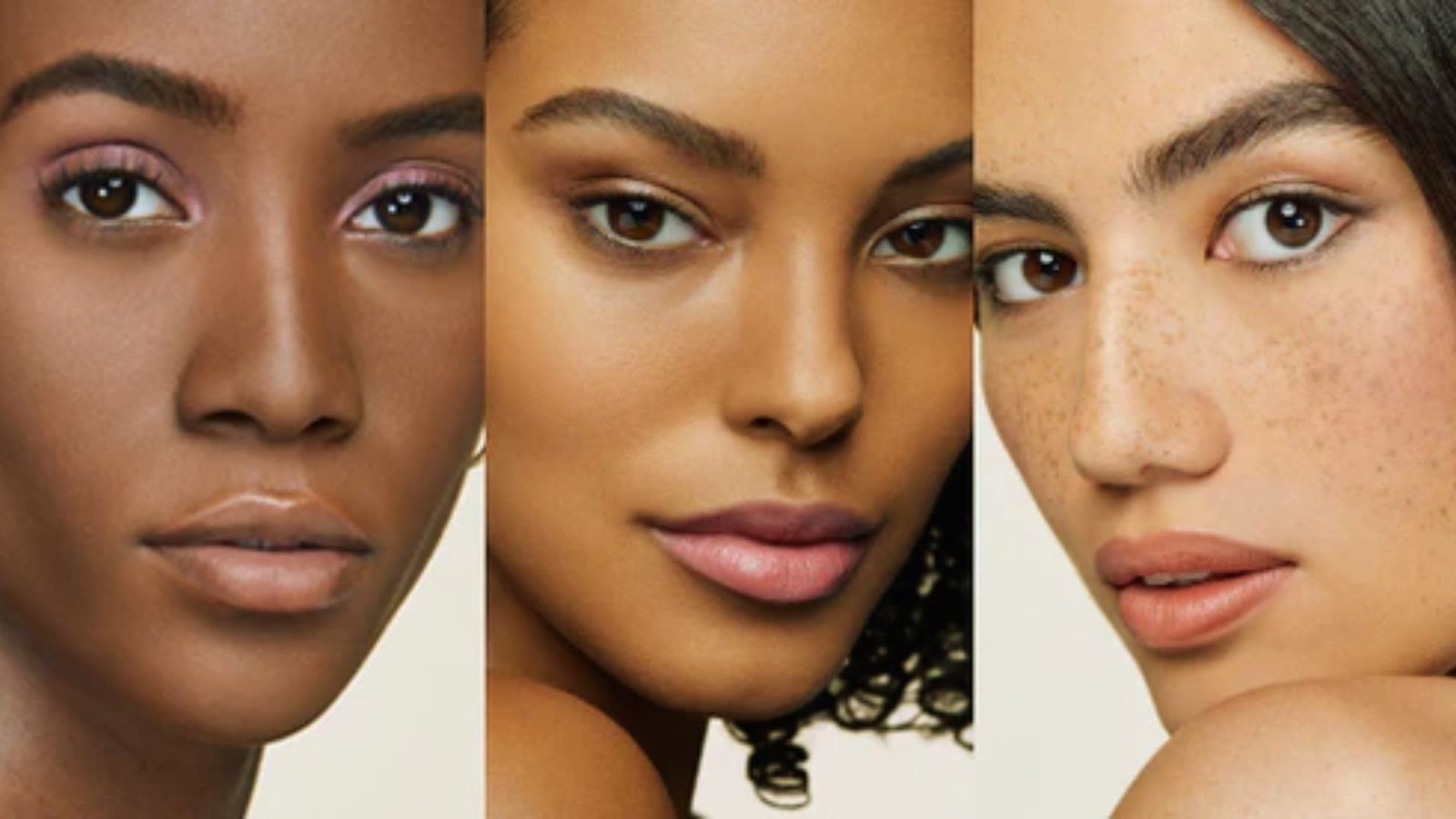
Warm undertone skin thrives in earthy tones, but cool olive sits cooler and does not pick those up well.
Neutral skin can wear both warm and cool colors, while cool olive leans specifically toward cooler shades. The green layer is what sets it apart from both.
Why Cool Olive Stands Apart
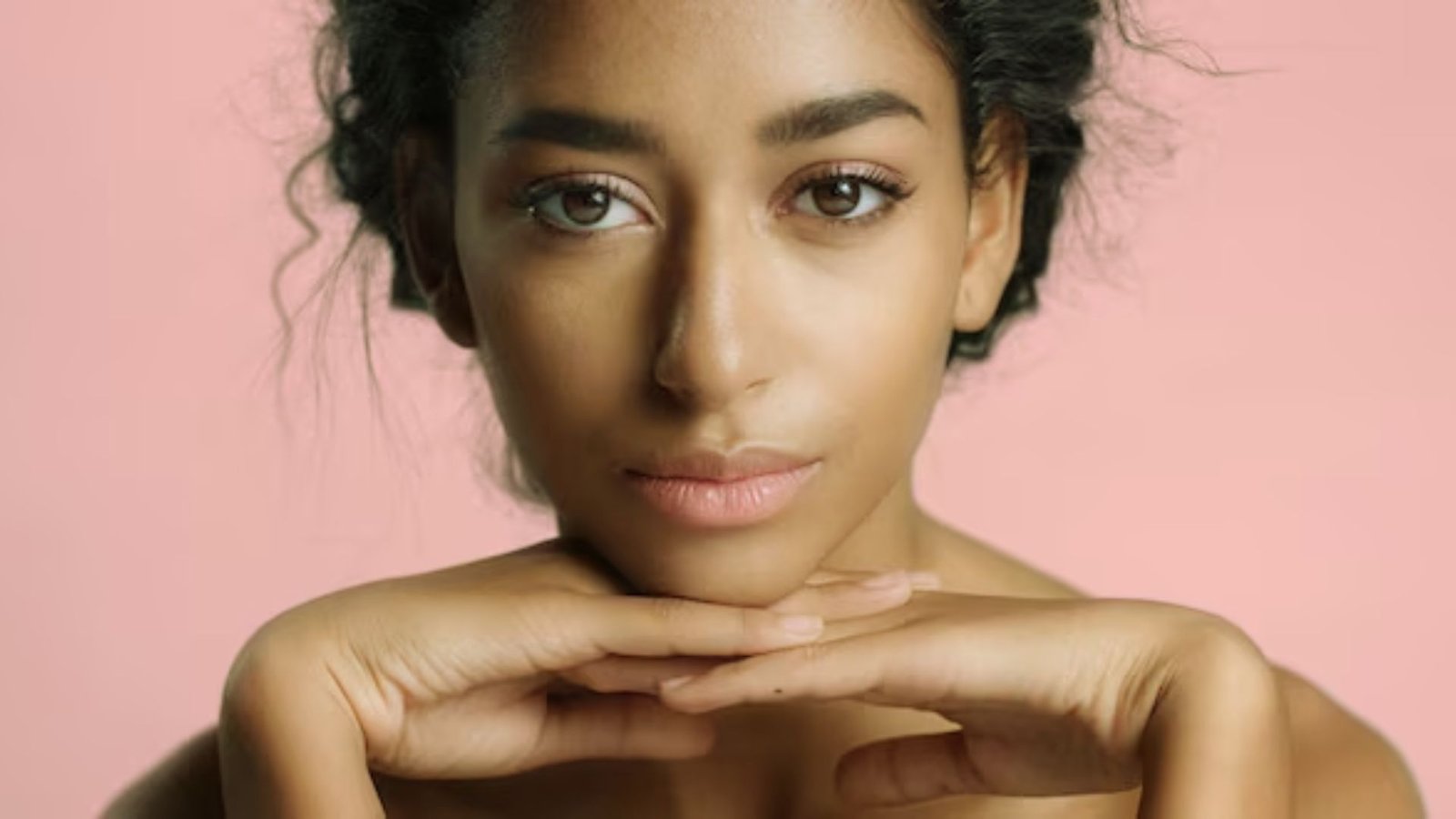
Cool olive holds a rare mix of green and cool blue-gray hues that does not fall into any standard category.
It is not warm, not purely cool, and not neutral in the traditional sense. This is exactly why it gets misread so often and needs its own approach.
Best Colors for Cool Olive Skin Tone

The right color choices make a visible difference in how balanced and clear cool olive skin looks.
Cool Olive Skin Tone Color Palette
Jewel tones like emerald, plum, and teal sit beautifully against cool olive skin.
Cool neutrals such as gray, taupe, and mauve also work really well for everyday wear. These shades complement the green-gray quality of the skin without fighting it.
Colors for Cool Olive Skin Tone That Flatter
Berry tones, deep blues, and cool pinks all bring out the best in cool olive skin.
These shades work with the undertone instead of clashing with it. Even a simple cool-toned blouse can make a noticeable difference in how the skin looks.
Colors to Avoid
Mustard, orange, and warm yellows tend to make cool olive skin look muddy or uneven.
Overly warm earthy tones like camel, rust, and terracotta can pull the skin in the wrong direction. These colors are not off-limits forever, but they need careful pairing to avoid looking harsh.
Pro Tips to Enhance Cool Olive Skin Tone
These simple tips help you work with your cool olive skin tone and get better results every day.
- Reach for muted, cool shades like mauve, slate, and dusty rose. They sit naturally against cool olive skin without looking too loud.
- Stay away from warm tones like mustard, rust, and camel. These shades clash with the cool green undertone and make skin look uneven.
- Always check colors in natural light before committing. Indoor lighting can make a wrong shade look deceptively fine.
- Mix cool neutrals with one deeper jewel tone. This balance keeps any look grounded without washing you out.
- Test foundation on your jawline in daylight, not your wrist. Cool olive skin needs a match for both surface color and undertone.
Conclusion
Cool olive skin took me a while to fully understand, and I know how frustrating it feels when nothing seems to match.
But once you know your undertone, everything clicks. You stop buying the wrong foundation. Colors start making sense. Styling feels easier.
The key is knowing that cool olive is specific, and it deserves a specific approach.
If this guide helped you, drop a comment below and share what finally made it click for you. Share this with someone who is still figuring out their skin tone too.
Frequently Asked Questions
What is a cool olive skin tone?
Cool olive skin tone is a mix of green and cool blue or gray undertones sitting beneath the skin. It does not lean warm or purely neutral, making it one of the more specific skin tones to identify.
How do I know if I have a cool olive skin tone?
Check your veins in natural light. If they look blue-green and silver suits you better than gold, you likely have cool olive skin.
What is the difference between warm and cool olive skin tone?
Warm olive skin has yellow and golden undertones that give it a sun-kissed look. Cool olive skin has blue and gray undertones that make it appear more muted and toned.
What colors suit cool olive skin tone best?
Jewel tones like emerald, plum, and teal work really well. Cool neutrals such as gray, taupe, and mauve are also great everyday options. Berry tones and deep blues are strong choices too.
Is cool olive skin tone rare?
Cool olive skin tone is not extremely common, but it is not rare either. It is simply less talked about because most olive skin is assumed to be warm. Many people have cool olive skin without ever knowing it.