Figuring out if you have dark skin with cool undertones can feel confusing, wrong foundation, wrong blush, wrong everything.
I’ve been there, and I know how frustrating it gets. This article gives you simple, reliable tests you can do right now to identify your undertone fast.
No guesswork, no complicated steps. I’ve researched and tested these methods so you get straight answers.
By the end, you’ll know exactly how to spot cool undertones on dark skin and use that knowledge to pick shades that actually work for you.
Quick Guide to Identifying Cool Undertones in Dark Skin
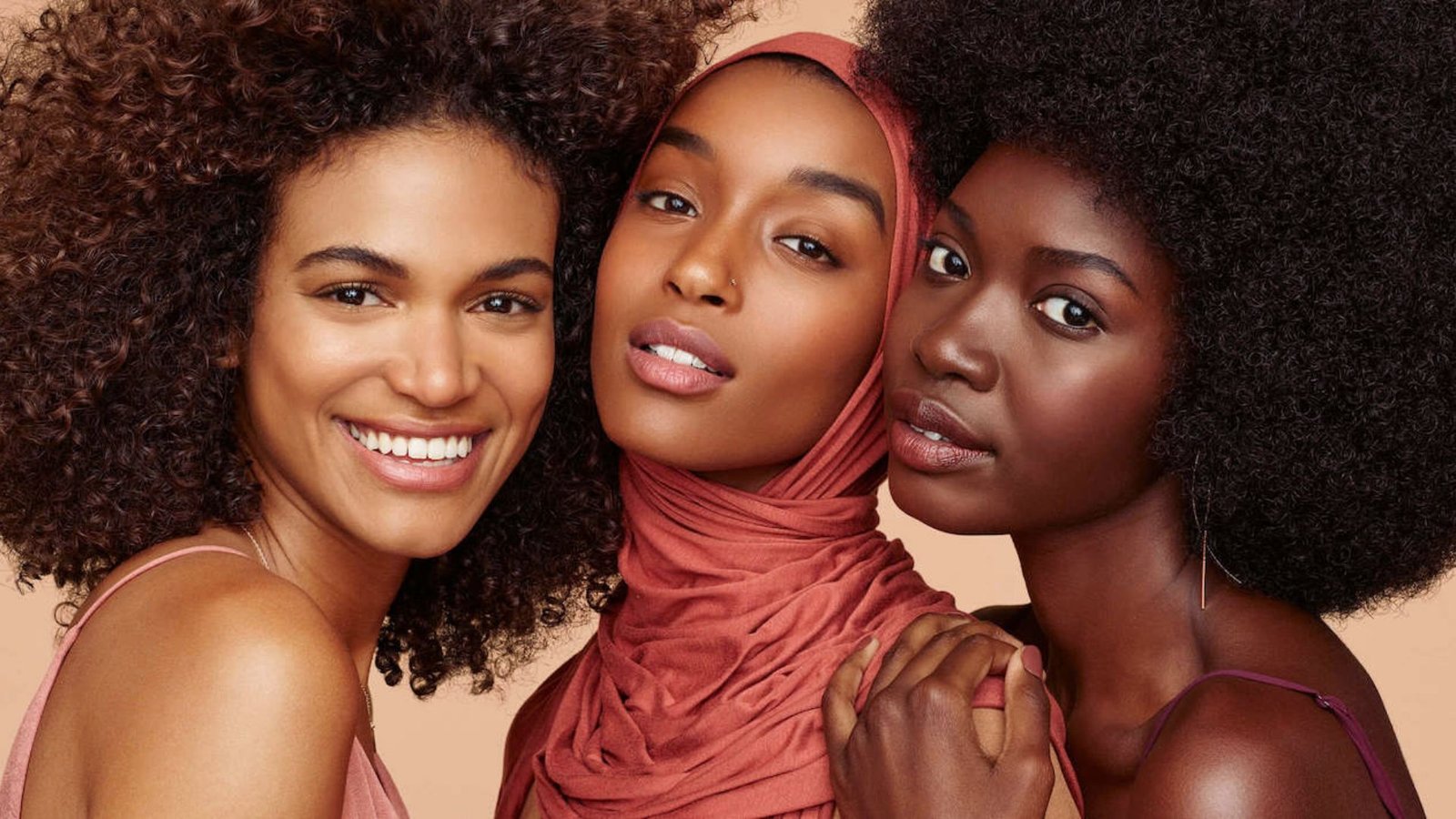
Identifying cool undertones in dark skin is easier than you think using a few simple tests. Check your wrist veins in natural light, as blue or purple suggests cool undertones.
Hold silver jewelry near your face and if it looks bright and natural, you are likely cool-toned. True white fabric will appear fresher against your skin than cream.
In sunlight, cool-toned skin may show faint red or blue hints. Swatch foundations along your jawline to find shades that blend seamlessly. Using two or three tests together gives the most accurate result.
Understanding Cool Undertones in Dark Skin
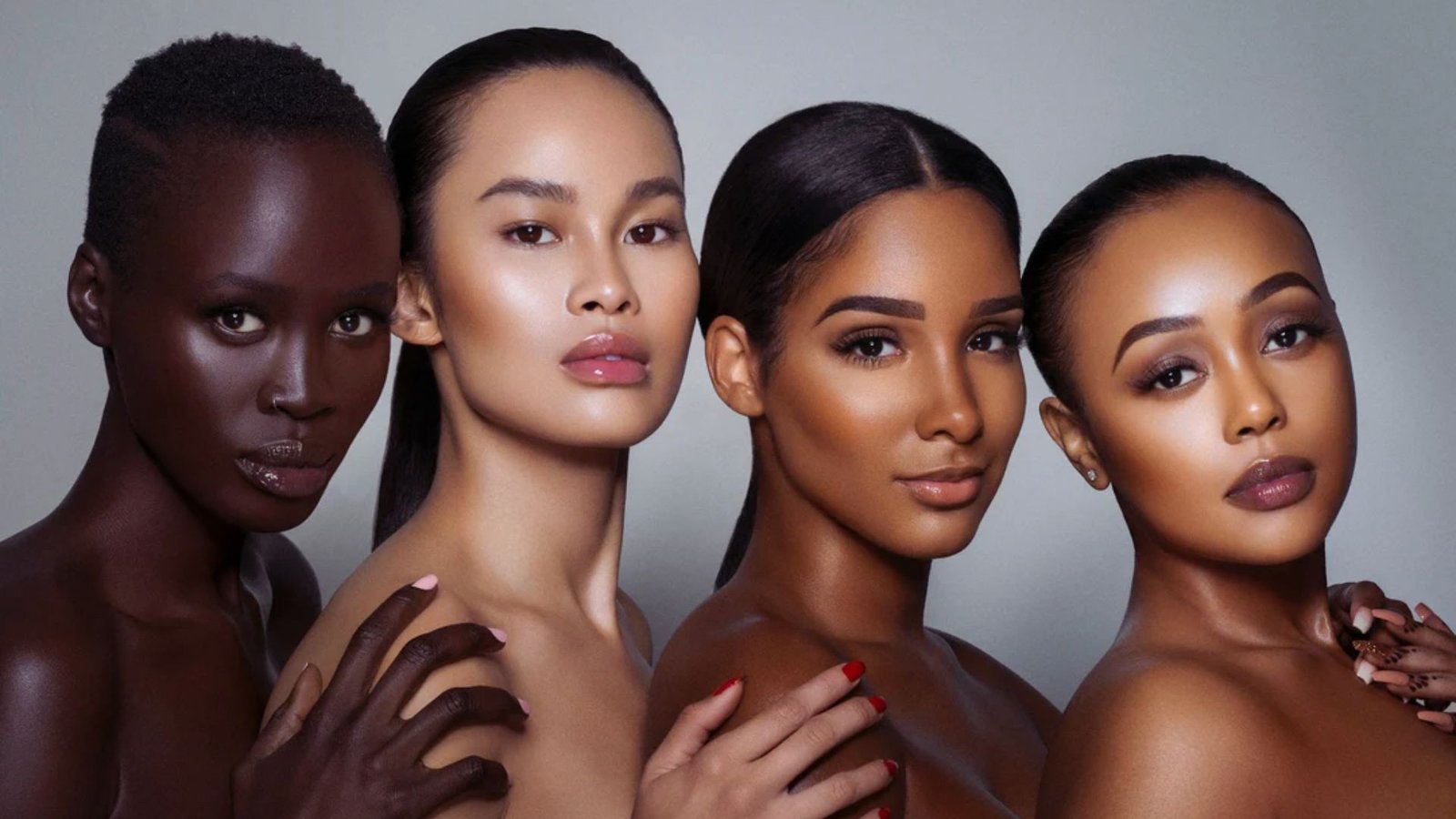
Learn what cool undertones really are, how they show up in dark skin, and why identifying them changes everything.
What Are Cool Undertones?
Cool undertones are subtle hints of blue, pink, or purple that sit just beneath the surface of the skin. They are not the color you see on the outside. They are what lies underneath.
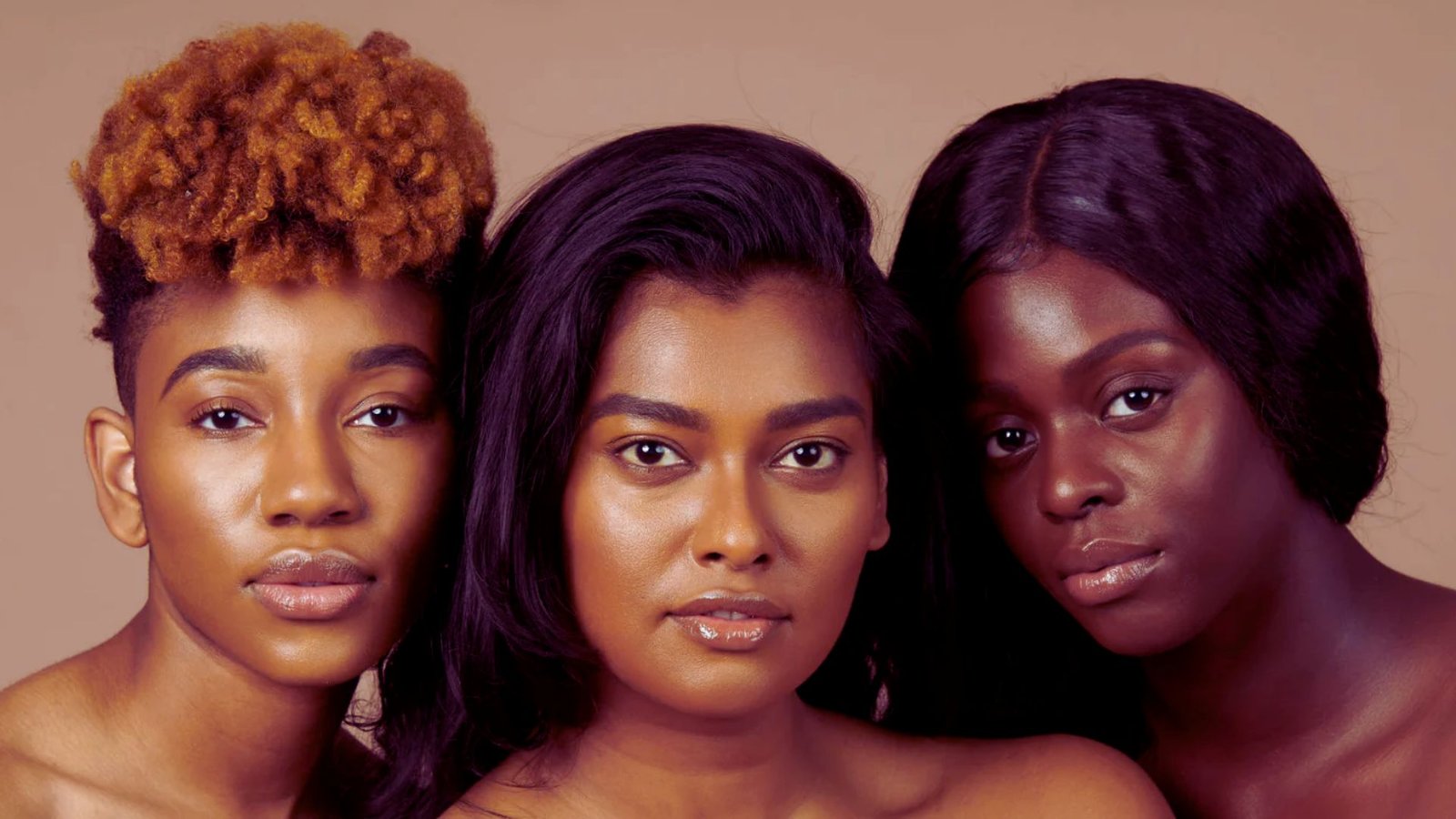
These undertones exist across all shades of dark skin, from deep brown to ebony. Melanin does not cancel out undertones. It just makes them a little harder to read at first glance.
Cool undertones show up differently on everyone. On some people, it is a faint pink flush. On others, it is a soft blue or purple cast that becomes visible in natural light.
Cool vs Warm vs Neutral
Many people mix up skin depth with undertone. They are not the same thing.
Skin depth is how light or dark your skin looks. Undertone is the color underneath, which stays the same no matter how much sun you get.
Cool undertones have blue, pink, or purple hints. Warm undertones have yellow, golden, or orange hints.
Neutral undertones sit in between. Neutral does not mean you have no undertone. It means your skin has a balance of both cool and warm hints.
Getting this wrong is one of the most common reasons makeup looks off.
Identify Your Cool Undertones

Go through each method one by one and get a clear, confident answer about your undertone.
Vein Test and Its Limitations
The vein test is one of the most popular methods, and it works well for many people.
Look at the inside of your wrist under natural light, not artificial indoor lighting. If your veins look blue or purple, you likely have cool undertones. Green veins suggest warm undertones. A mix of both points to neutral.
One important note: This test is less reliable for very dark or high-melanin skin. Deeper skin tones can make veins harder to read clearly. If the vein test feels unclear for you, move on to the other tests.
Jewelry Test
This one is simple and surprisingly accurate.
Hold a piece of silver or platinum jewelry next to your bare face in natural light. Then try a gold piece. Look closely at how each one interacts with your skin.
If silver or white gold looks natural, bright, and harmonious against your skin, that points to cool undertones. If gold looks warmer and more fitting, your undertones are likely warm.
Do this test with no makeup on for the most honest result.
Fabric Test
Grab two pieces of fabric. One should be true white. The other should be off-white, cream, or ivory.
Hold each one near your face and look in a mirror in natural daylight.
True white will look sharp and clean against cool-toned skin. Cream or off-white can make cool undertones look dull or slightly gray.
If true white looks fresh and right, you are likely cool-toned.
Sun Reaction Observation
Think back to the last time you spent a long day in the sun.
Cool-toned skin tends to burn first before it tans. You may also notice a faint red or blue tint on your skin when you are in direct sunlight.
Warm-toned skin usually tans more quickly and evenly without burning as fast.
This is not a test you can do on the spot, but it is a strong clue if you already know your skin’s sun behavior.
Tools and Technology for Accurate Undertone Detection
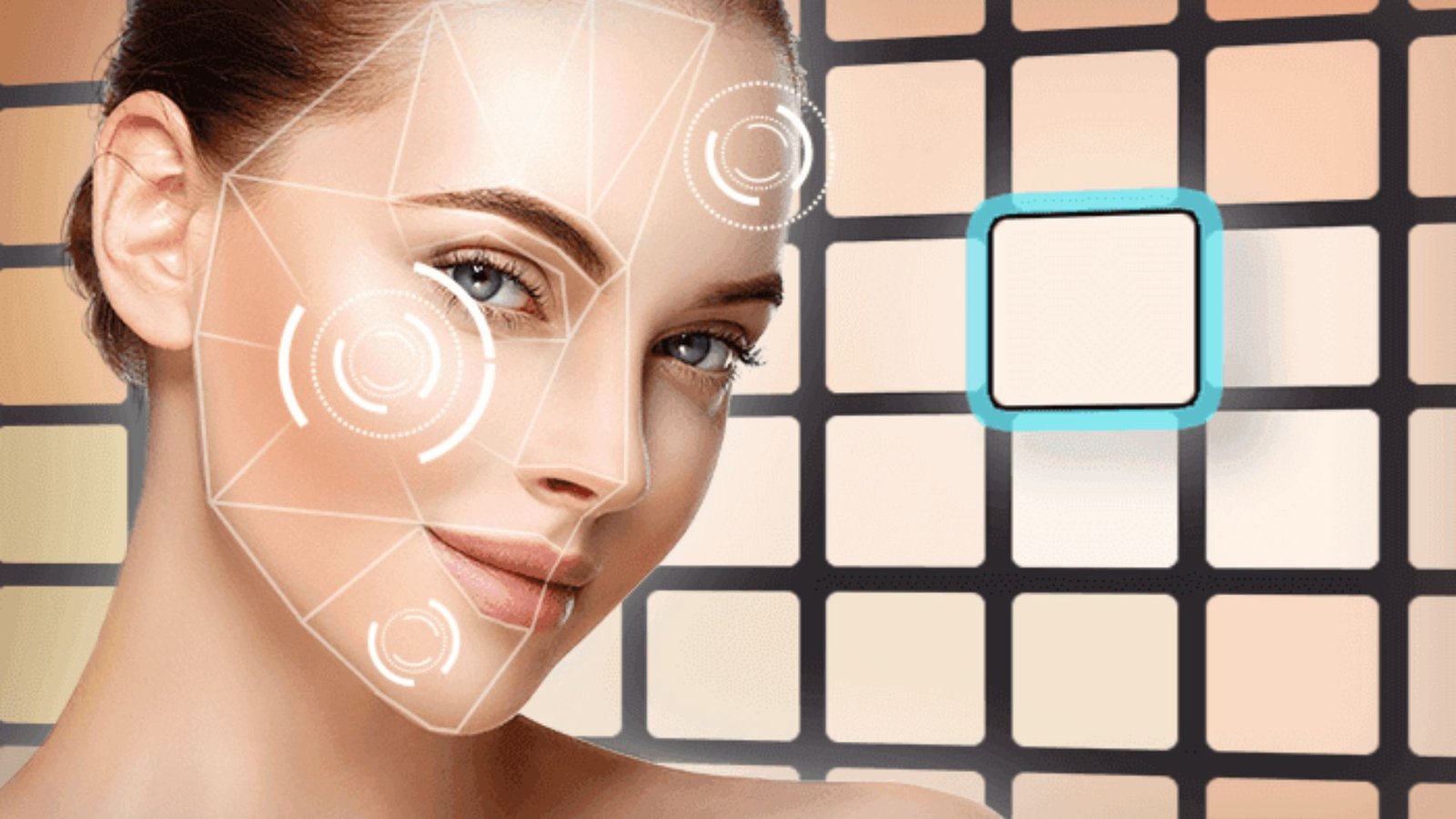
See how modern tools and apps take the guesswork out of finding your correct undertone.
In-Store Technology for Undertone Detection
Sephora Color IQ uses a scanning tool that reads your skin and matches it to hundreds of foundation shades, making it ideal for all skin tones including deeper complexions.
Ulta’s spectroscopy services use light-based technology to analyze your skin’s depth and undertone, delivering a more data-driven result than guessing under store lighting.
Digital Apps for At-Home Skin Analysis
IlluminateAI allows you to scan your skin using your phone camera and receive a detailed undertone breakdown without any physical tools or store visits.
For the most accurate reading, always use natural daylight, remove all makeup beforehand, and avoid scanning right after sun exposure or a workout as redness can skew the results.
Makeup and Fashion for Cool Dark Skin

A practical look at the colors and styles that work best for cool-toned dark skin tones.
Foundation, Blush & Bronzer
For cool dark skin, choose foundations with rose, berry, or pink undertones to avoid a gray or ashy finish.
Pair with berry or plum blush for a natural flush, and opt for taupe or neutral bronzers since warm, orange-based formulas tend to look off against cool undertones.
Eyeshadow & Lipstick
Jewel-toned eyeshadows like sapphire, emerald, and amethyst look striking on deep cool skin, while icy shades such as lilac and cool mauve offer a softer option.
For lips, plum, berry, and cool pink shades complement your undertone best avoid orange or red-based products as they tend to clash and make skin look uneven.
Clothing & Accessories
Jewel tones like sapphire, emerald, and ruby are rich, flattering choices for cool dark skin, while true black, cool grey, and true white work best as neutrals, cream and beige can pull warm and look mismatched.
For jewelry, silver, platinum, and white gold improve cool undertones, whereas yellow gold and rose gold near the face can make your complexion appear dull.
Tips to Maintain and Highlight Your Cool Undertones
A few easy habits that help you stay consistent and confident when choosing colors that suit your skin.
- Track which shades suit you best in summer vs. winter to avoid repeat shopping mistakes.
- Always testing colors in natural daylight store lighting can be deceiving.
- Note down or screenshot outfits and shades that work as your personal style reference.
- Layer cool-toned textures and silver metals to subtly improve your undertone.
- Keep a simple chart of your best shades for makeup, clothing, and accessories for easy reference.
Conclusion
Finding your cool undertone in dark skin is a small step that can change how you shop, dress, and feel every day.
I remember the first time I matched a foundation to my undertone properly. It was the first time my skin looked like itself, not like I was wearing a mask.
Natural light testing and simple color checks made all the difference. Try these tips and see how your skin comes alive.
Drop a comment below and share what worked for you. Your story might help someone else find their fit.
Frequently Asked Questions
Can dark skin have cool undertones?
Yes, dark skin can absolutely have cool undertones. Skin tone refers to the depth of color, while undertone is the subtle hue beneath the surface.
How do I check for cool undertones at home?
Look at your wrist veins in natural light. Blue or purple veins suggest cool undertones, while green veins point to warm ones.
What foundation shades work best for cool dark skin?
Look for foundations labeled with rose, berry, or pink undertones. Avoid yellow or orange-based formulas, as they can look ashy or too warm on cool skin.
Does jewelry color really affect how my undertone looks?
Yes, it does. Silver and platinum jewelry tends to complement cool undertones, while gold can look flat or mismatched against cool-toned skin.
How often should I re-check my undertone?
You do not need to check often, but it is a good idea to reassess when your skin changes with the seasons or after significant sun exposure.