Amber skin tone is one of the most misunderstood complexions, yet once you know what to look for, it’s easy to recognize and care for.
Characterized by warm, golden-to-deep honey undertones, it sits beautifully between light and medium-deep shades.
Key features include a natural warmth, subtle golden or reddish hues, and a tendency to tan rather than burn.
Recognizing it comes down to checking your undertones in natural light. With the right moisturizers, SPF, and tone-evening ingredients, keeping amber skin healthy and glowing is entirely straightforward.
Understanding Amber Skin Tone
A quick look at what amber skin tone means and how it stands apart from other skin types.
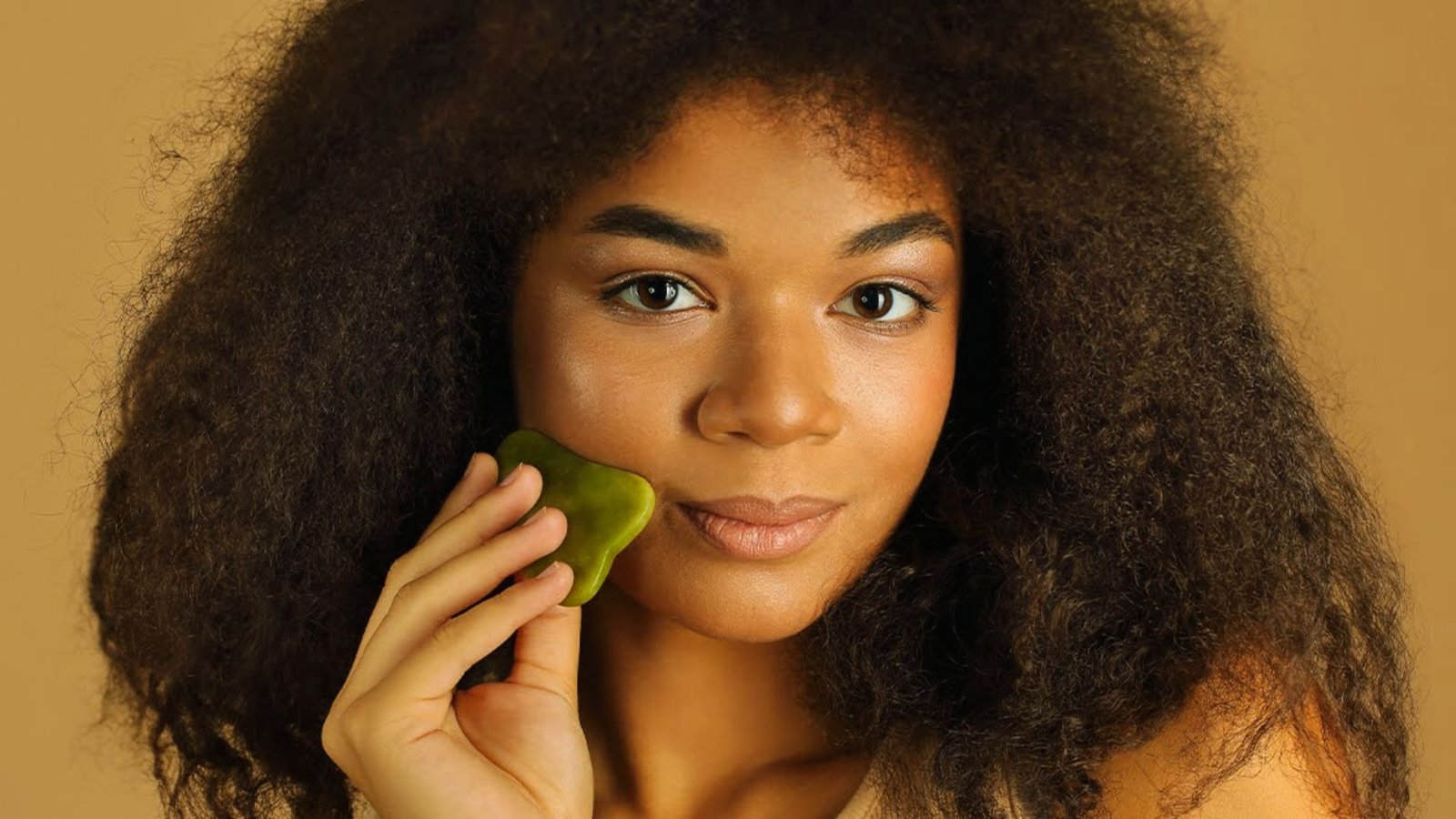
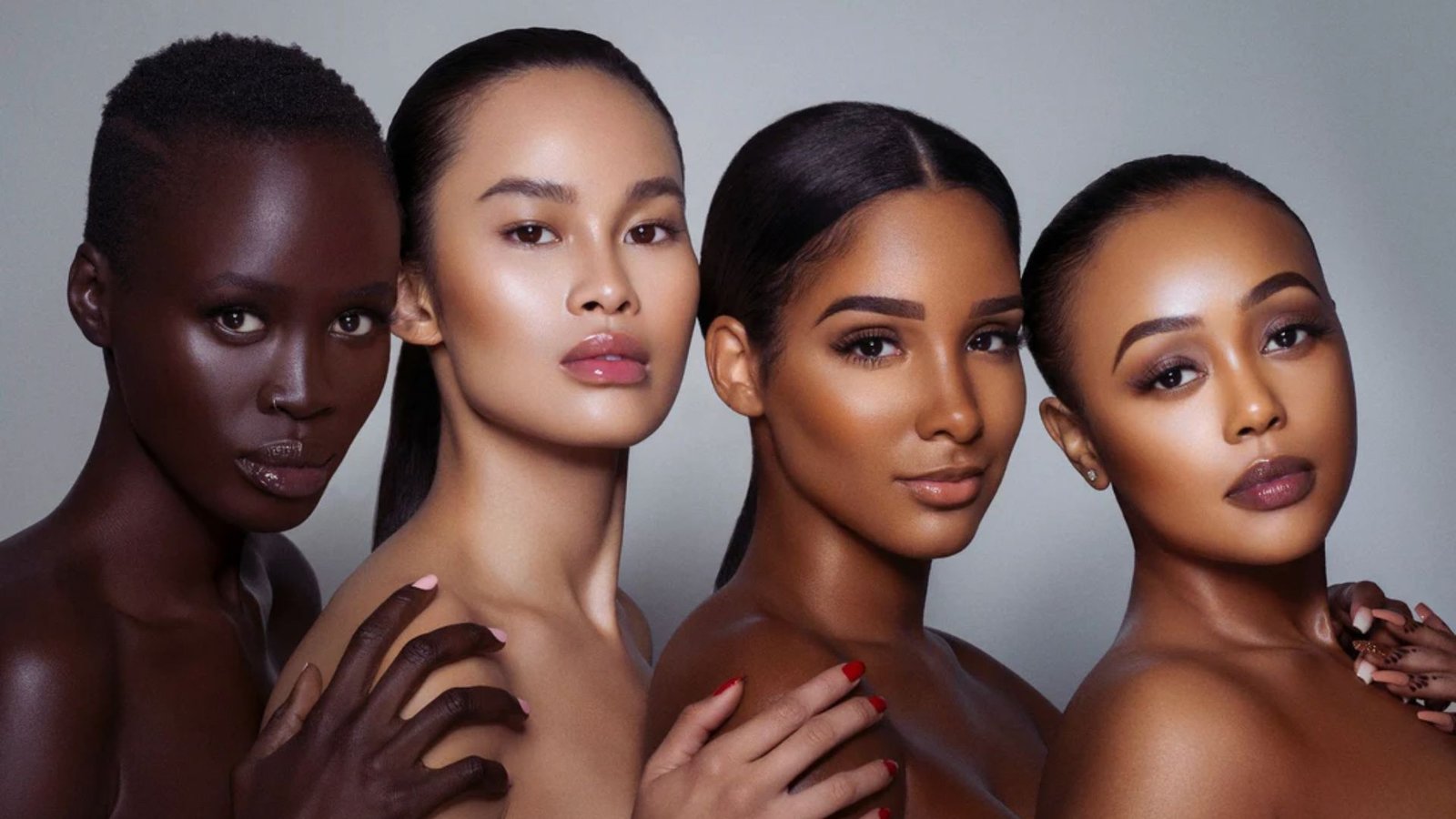
Amber skin tone sits between medium and deep on the skin tone range. It has a warm, golden-brown quality that can lean slightly yellow or reddish.
It’s darker than fair or medium skin but lighter than deep or ebony skin tones.
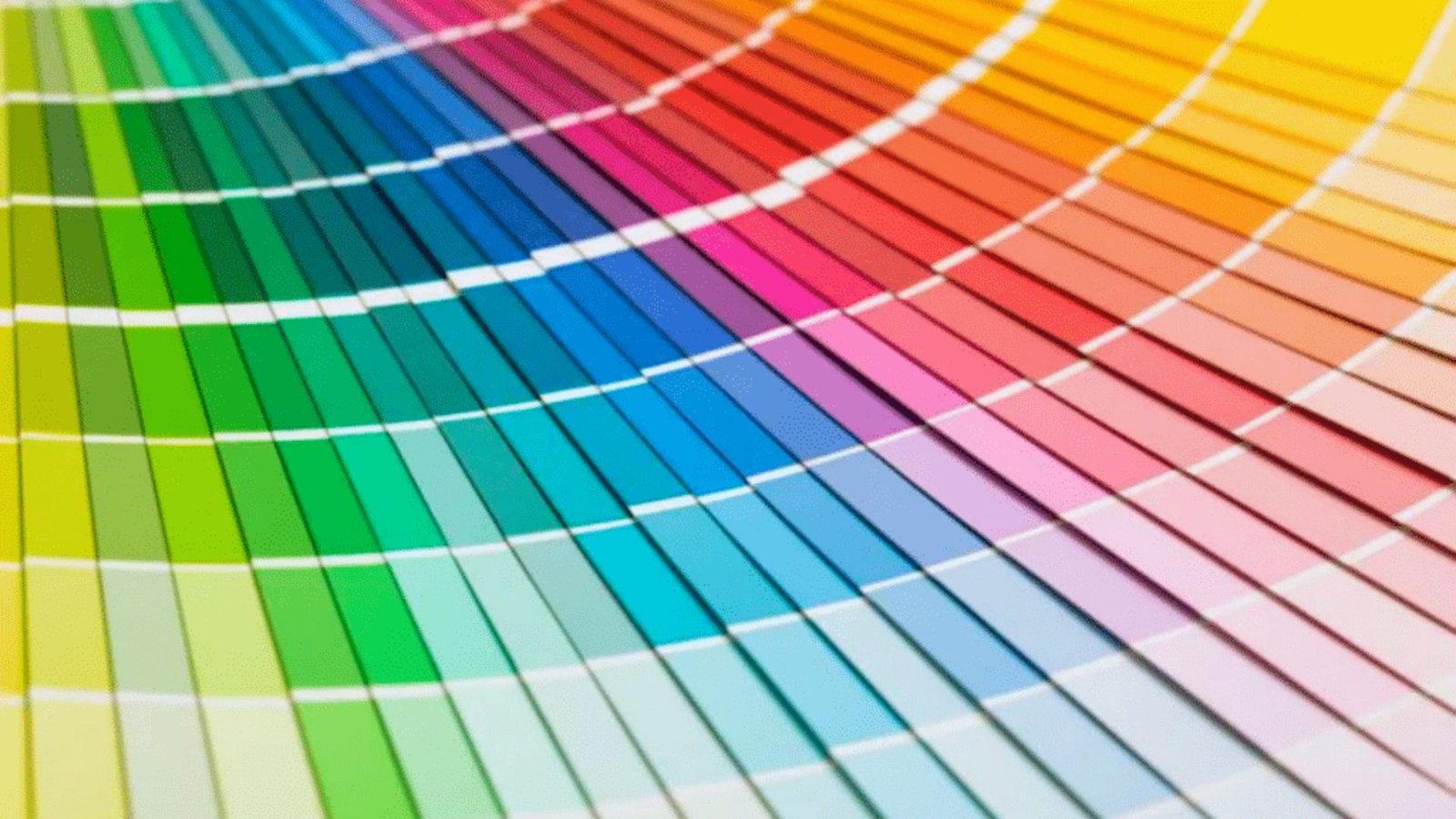
Undertones matter here. Amber skin mostly carries warm undertones golden, peachy, or yellow. Some people with amber skin may have neutral undertones too. Cool undertones are less common but possible.
Knowing your undertone helps you choose the right foundation, blush, and even clothing colors.
Key Features of Amber Skin Tone

Warm, golden, and unmistakably radiant here’s what sets amber skin apart.
Uneven Skin Tone and Splotches
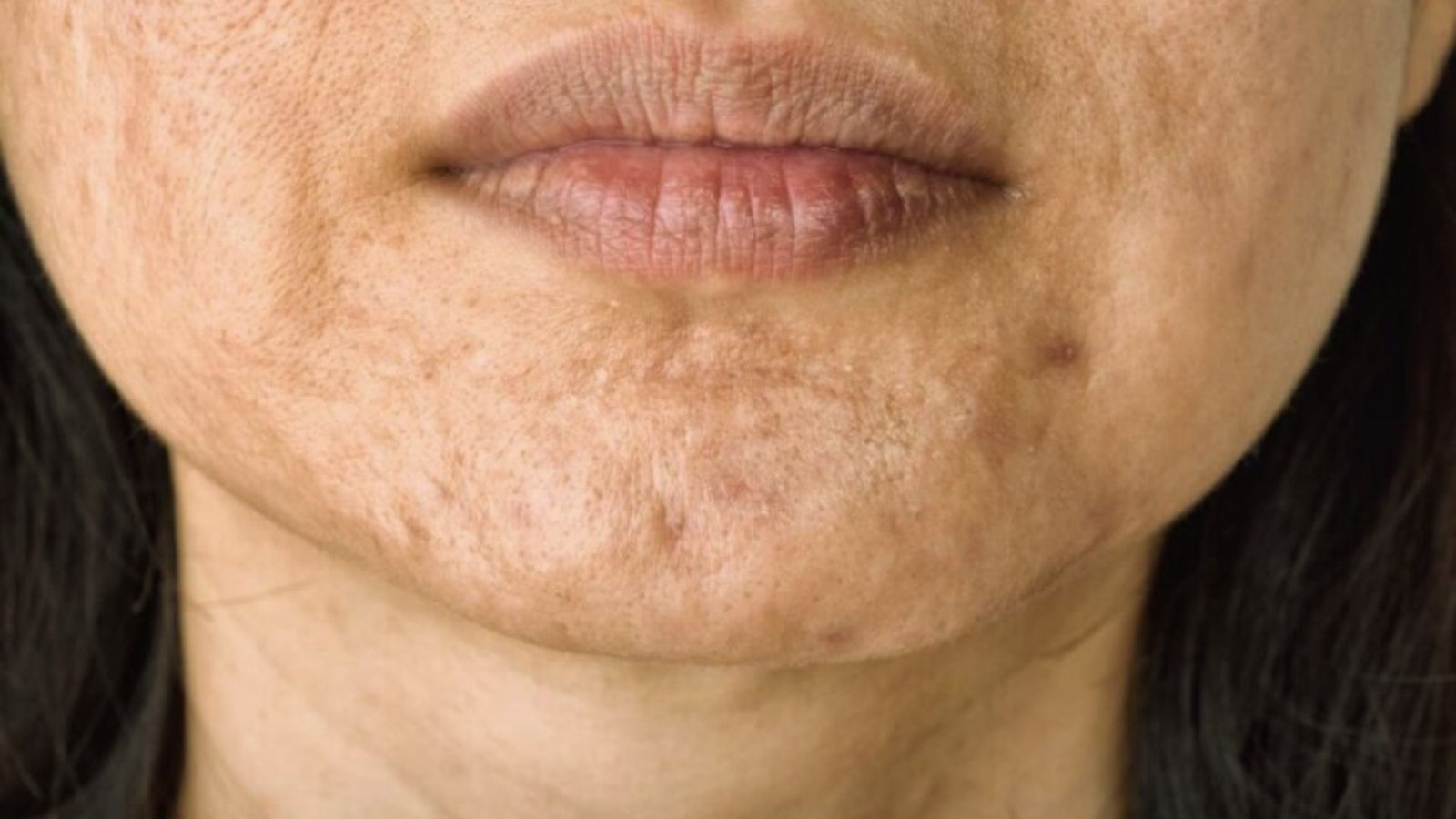
Uneven skin tone is one of the most common concerns for people with amber skin. It often shows up as patchy areas, darker spots, or a blotchy look across the cheeks and forehead.
Sun exposure plays a big role. When UV rays hit the skin repeatedly, they cause oxidative damage.
This speeds up melanin production in certain areas, creating those uneven patches. Wearing sunscreen daily can slow this process.
Freckles and Melasma
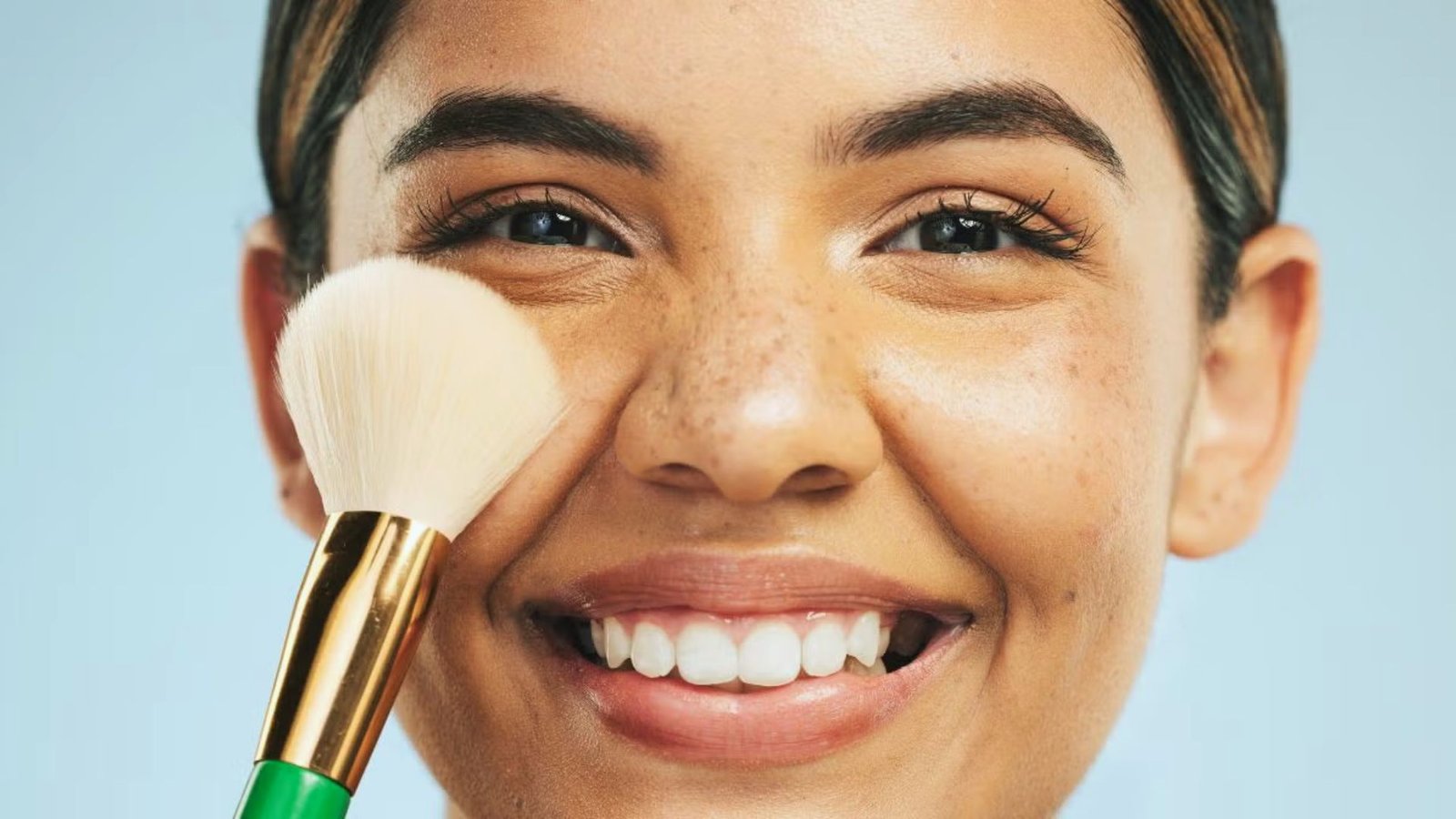
Freckles in amber skin are usually small, flat, and darker than the surrounding skin. They tend to appear more after time spent in the sun.
Melasma looks different. It shows up as larger, darker patches, often on the cheeks, nose bridge, and upper lip.
Common triggers include:
UV exposure, Hormonal changes (pregnancy, birth control), Chronic stress
Melasma can be stubborn, but managing its triggers helps keep it under control.
Persistent Hyperpigmentation
Hyperpigmentation in amber skin tends to stick around longer than in lighter skin tones. This happens because amber skin has more active melanocytes, the cells that produce pigment.
When the skin gets inflamed, irritated, or sun-damaged, these cells go into overdrive. The result is dark spots that linger on the face, cheeks, and forehead. Gentle, consistent care is key.
Causes of Amber Skin Tone Concerns

Understanding what triggers amber skin issues helps you take better care of it from the inside out.
Oxidative Stress and Environmental Factors
Free radicals are unstable molecules that damage skin cells. They come from sun exposure, air pollution, cigarette smoke, and processed foods.
For amber skin, this damage shows up fast often as dark spots, dullness, or premature fine lines.
Antioxidants in your diet and skincare routine help fight this damage. Think of them as a shield for your skin.
Hormonal Imbalances and Skin Changes
Hormones have a direct effect on skin pigmentation. When cortisol (the stress hormone) stays high for too long, it throws off your skin’s balance. This can lead to breakouts, melasma, and uneven tone.
Sex hormones like estrogen and progesterone also play a part. Hormonal shifts during pregnancy, puberty, or while using hormonal contraceptives can trigger dark patches in amber skin.
How to Recognize Amber Skin Tone
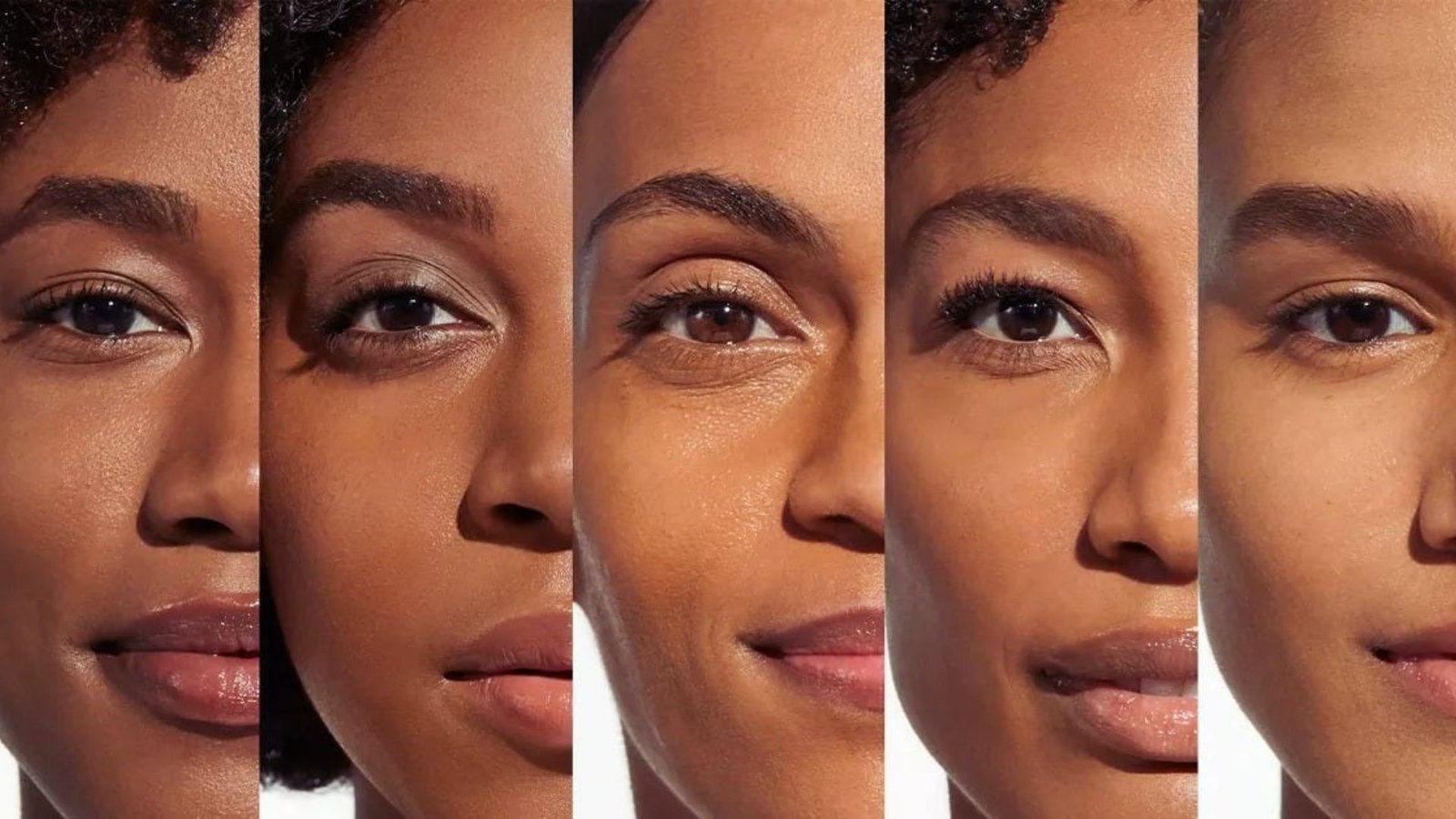
Simple, reliable ways to check if your skin tone falls into the amber category.
Visual Signs
Amber skin typically looks warm and golden-brown, often with freckles, dark spots, melasma, or uneven patches.
It also tends to tan easily in the sun and rarely burns, which is a strong indicator of this skin tone.
Self-Assessment Tests
Check your inner wrist veins, green means warm undertones and blue or purple means cool, then hold white paper next to your face to see if your skin looks yellow or golden.
You can also check the skin behind your ear for your true undertone or notice whether gold jewelry makes your complexion look brighter than silver.
Complementary Clues from Clothing and Makeup
If warm earthy colors like rust, mustard, and terracotta naturally suit you, that points strongly to amber skin with warm undertones.
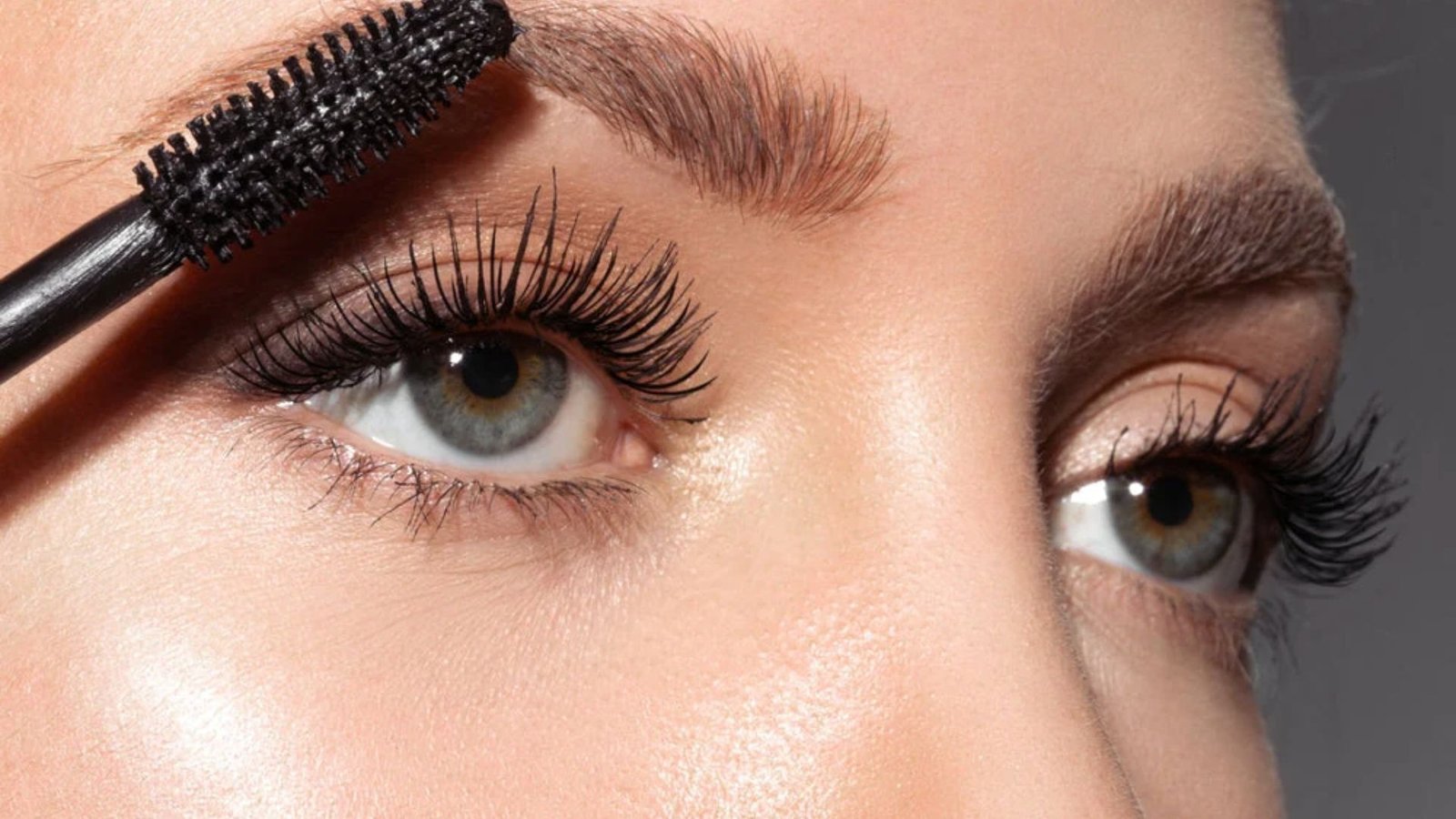
In makeup, foundations with yellow or golden undertones and peachy blushes blending better than cool berry tones confirm a warm undertone match.
Holistic Skincare for Amber Skin Tone
Practical, whole-body tips to keep amber skin healthy, even, and glowing.
Sun Protection
Use a mineral sunscreen with SPF 30 or higher every day, reapply every two hours outdoors, and add a wide-brimmed hat for extra coverage.
Zinc oxide or titanium dioxide formulas work best for amber skin as they reflect UV rays and help prevent hyperpigmentation.
Boosting Antioxidants for Healthy Skin
Load your diet with berries, fatty fish, leafy greens, and legumes, and consider supplements like Astaxanthin Omega Krill to fight oxidative stress from within.
In your skincare routine, look for vitamin C, niacinamide, or green tea extract to fight free radicals and fade dark spots over time.
Hormone Balance and Stress Management
Chronic stress raises cortisol levels which can worsen melasma and cause breakouts, so daily habits like yoga, meditation, and deep breathing make a real difference.
Eating cruciferous vegetables, staying hydrated, and maintaining regular sleep all help keep hormones balanced and skin calmer.
Natural Remedies and Skincare
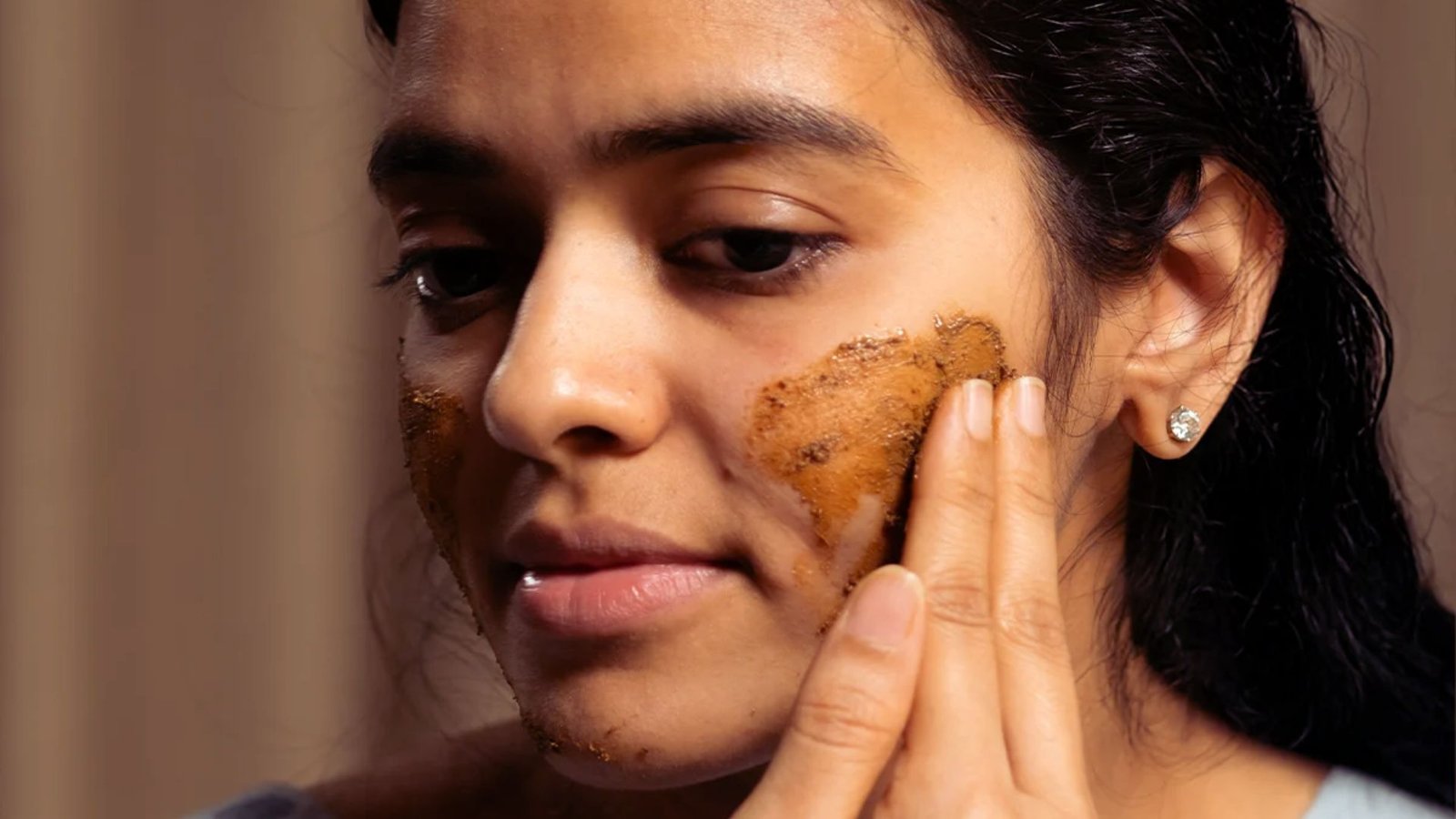
A simple DIY scrub with mashed strawberries and ground almonds gently exfoliates amber skin while brightening and polishing without harsh irritation.
For daily use, choose clean organic products with rosehip oil, vitamin E, and turmeric extract to work with your skin tone naturally.
Quick Tips for Amber Skin Tone Care
Here are 5 quick tips for amber skin tone care
- Wear SPF daily Use mineral sunscreen (SPF 30+) with zinc oxide to prevent dark spots and hyperpigmentation.
- Use antioxidant-rich skincare Look for vitamin C, niacinamide, or green tea extract to fight free radicals and fade spots.
- Know your undertones Check your wrist veins (green = warm) to pick the right foundation and makeup shades.
- Manage stress and hormones Practice yoga or meditation to lower cortisol, which can trigger melasma and breakouts.
- Eat skin-friendly foods Include berries, leafy greens, and fatty fish in your diet to support an even, glowing complexion.
Conclusion
I hope this guide made the amber skin tone easier to understand. Knowing your skin is the first step to caring for it well.
From spotting visual signs to making smart sunscreen and diet choices, small actions add up. I personally started paying more attention to sun protection after noticing my own dark spots worsening each summer and the difference has been real.
Start with one change today. If this helped you, drop a comment below or share it with someone who’d find it useful.
Frequently Asked Questions
What exactly is amber skin tone?
Amber skin tone is a warm, golden-brown skin tone that falls between medium and deep. It often carries yellow or peachy undertones and is prone to hyperpigmentation.
How is amber skin tone different from olive skin tone?
Olive skin has a greenish or neutral warm undertone, while amber skin leans more golden or yellow-brown. Amber skin is also typically a shade or two deeper than classic olive.
Can amber skin tone change over time?
Yes. Sun exposure, aging, hormonal shifts, and lifestyle habits can all cause amber skin to appear darker, more uneven, or more prone to melasma over time.
What makeup shades work best for amber skin tone?
Warm-toned foundations with golden or yellow bases tend to blend well. Earthy blushes, bronzers, and lip colors in terracotta or nude-peach shades are flattering choices.
Is hyperpigmentation more common in amber skin tone?
Yes. Amber skin has more active melanocytes, which means pigmentation forms faster and fades slower compared to lighter skin tones. Consistent sun protection helps manage this.