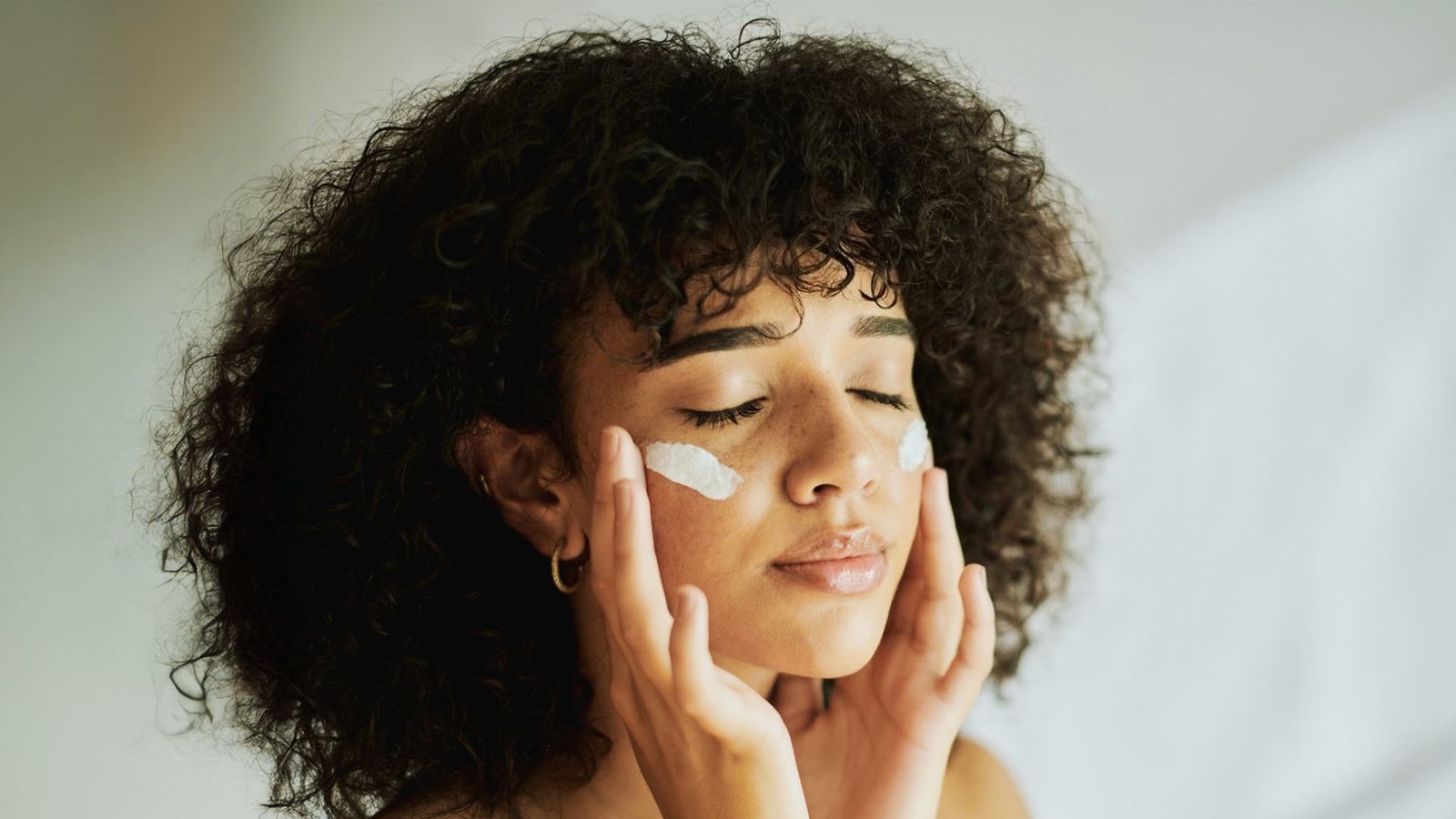
That sharp, burning feeling right after applying moisturizer stops you in your tracks. You question everything.
Is this product wrong for me? Is my skin damaged? I felt the same way when my cheeks felt on fire after switching moisturizers last year.
It was frustrating and confusing. This blog explains why that burning happens, from both a dermatological and scientific angle.
You will learn the real causes, what your skin is signaling, and how to stop it.
With research-backed answers and simple steps, you will leave here knowing exactly what to do.
Understanding Why Your Skin Burns After Applying Moisturizer
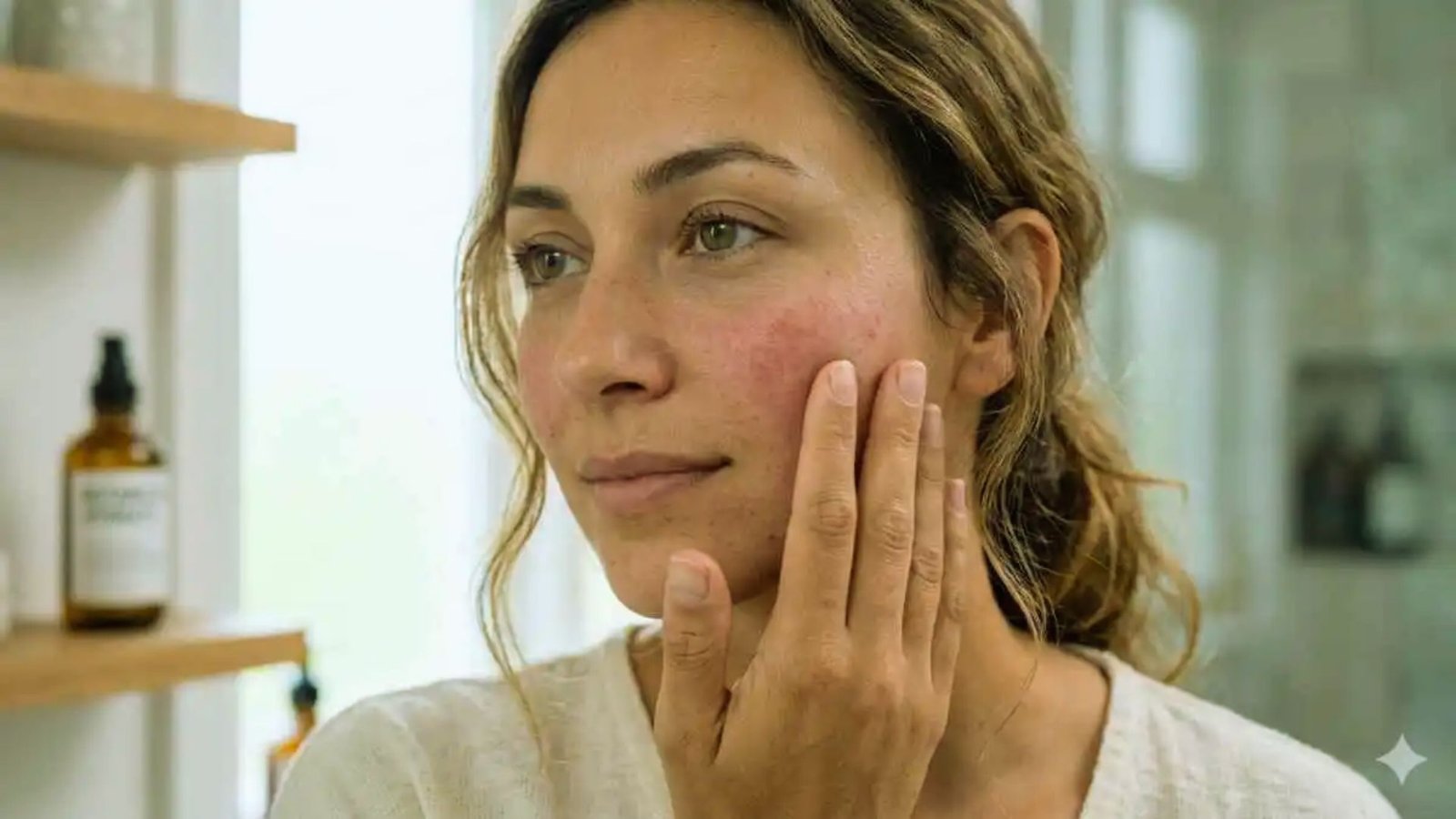
Burning skin after moisturizer is more common than most people realize, and there are clear reasons behind it.
When you apply moisturizer, it interacts with the outermost layer of your skin.
If that layer is healthy, the product absorbs gently with no issues.
But if your barrier is weakened, ingredients can penetrate deeper than they should, reaching sensitive nerve endings and causing that burning or stinging sensation.
Sensitive skin reacts even more strongly because it produces more inflammatory signals.
Even a product you have used for months can suddenly start burning if your skin condition has changed.
Why Does My Face Burn When I Put on Moisturizer?

Here is the direct answer your skin has been asking for.
Common Causes of Burning After Moisturizer
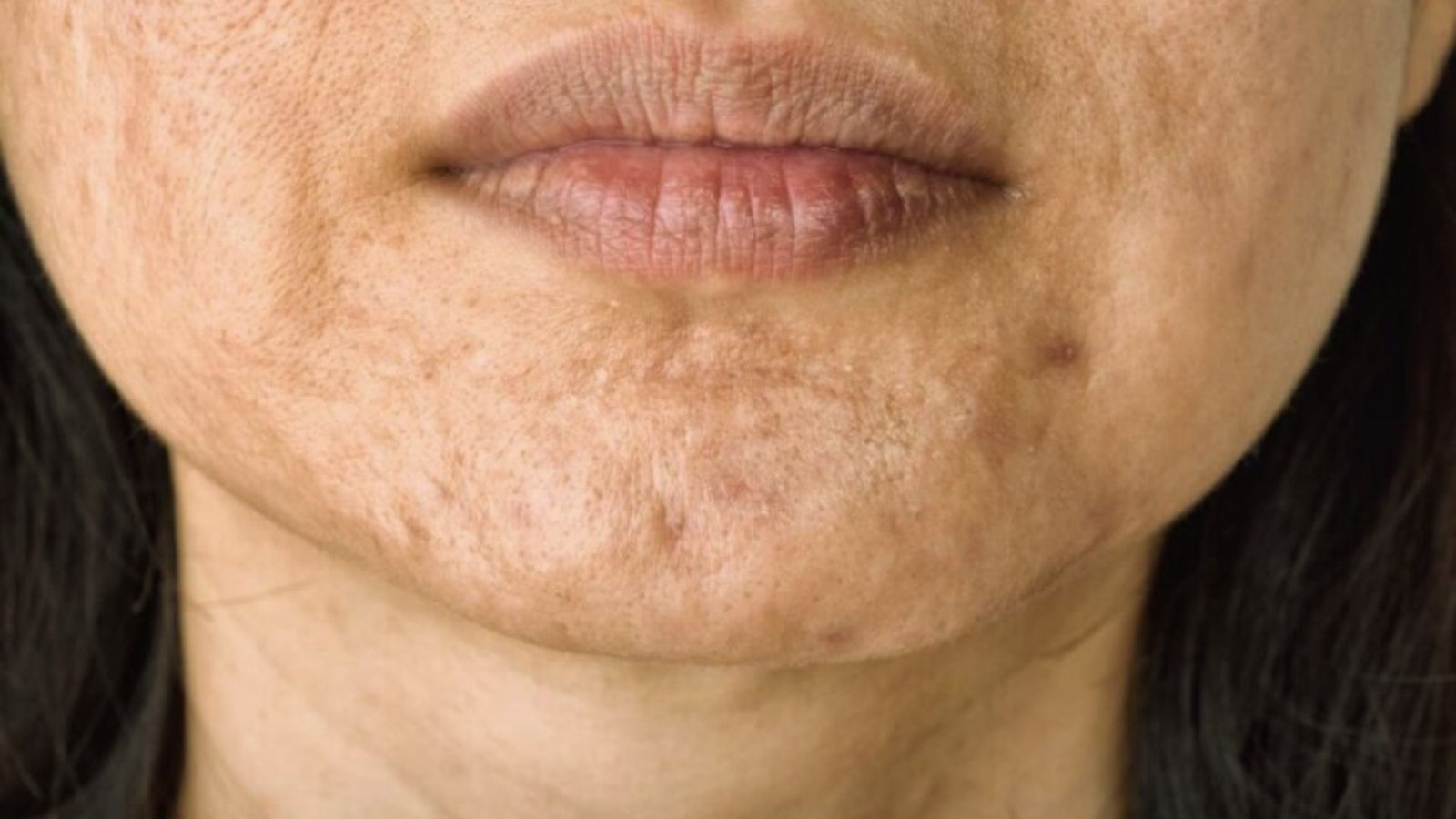
A damaged skin barrier is the most frequent reason moisturizer burns your face.
Harsh ingredients like alcohol, fragrance, and exfoliating acids are also common triggers. Underlying conditions like rosacea and eczema make the skin far more reactive.
Common Symptoms to Watch For
You may feel stinging or burning immediately after applying the product. Redness, flushing, and tightness often follow within seconds. Some people also experience itching or mild swelling shortly after.
Is It Normal or Not?
Mild stinging that fades within 10 to 30 seconds can be normal with active ingredients. Burning that spreads, intensifies, or lasts longer than a minute is not normal. Stop using that product and give your skin time to recover.
Dermatological Reasons Your Face Burns After Applying Moisturizer
Skin doctors see this complaint regularly, and there are well-known medical explanations behind it.
Damaged Skin Barrier
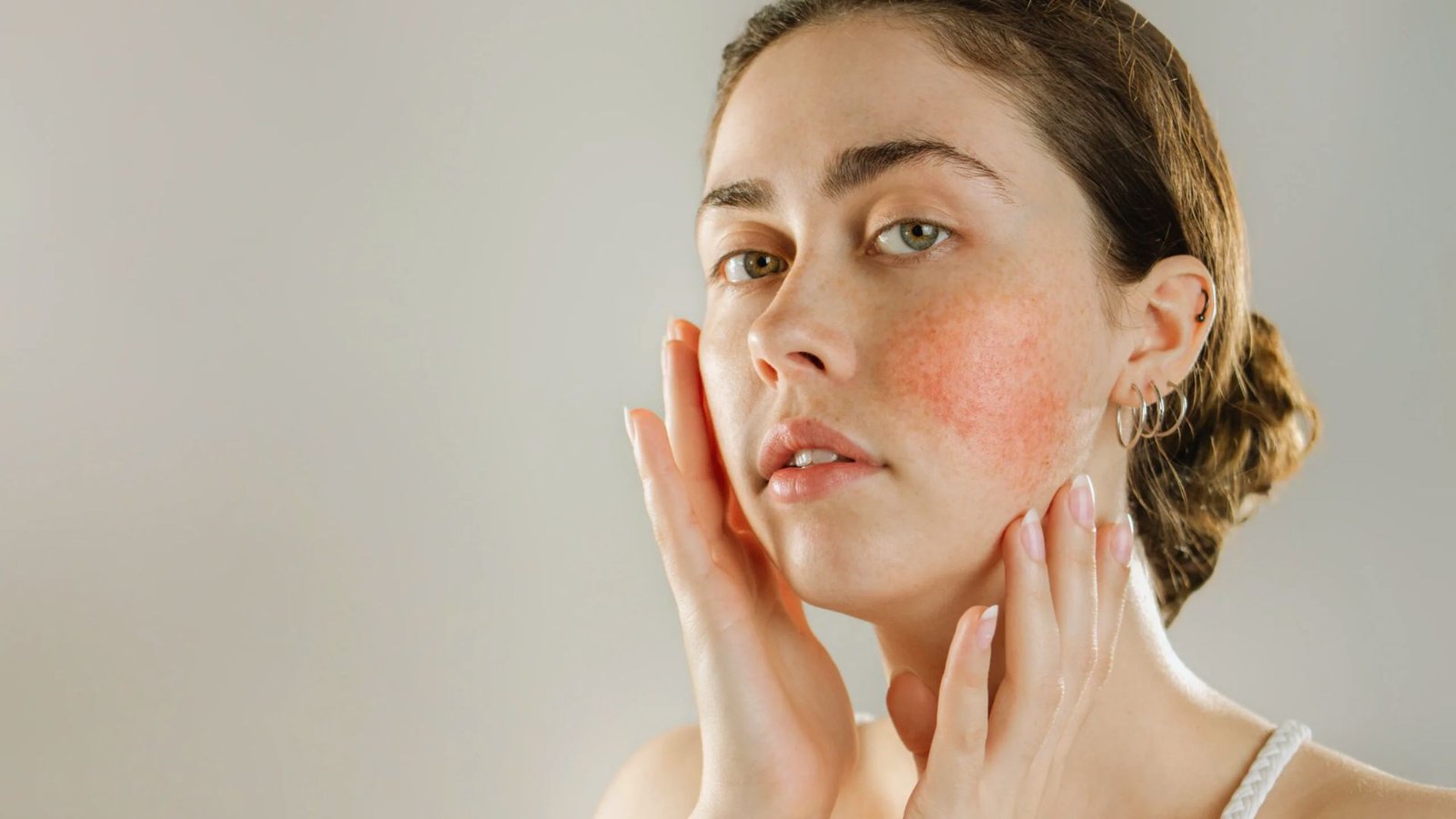
The skin barrier keeps moisture in and irritants out. When damaged, moisturizer ingredients reach deeper layers and trigger pain receptors.
Gentle, barrier-supporting skincare and rest are the first steps toward healing.
Contact Dermatitis (Irritant or Allergic)
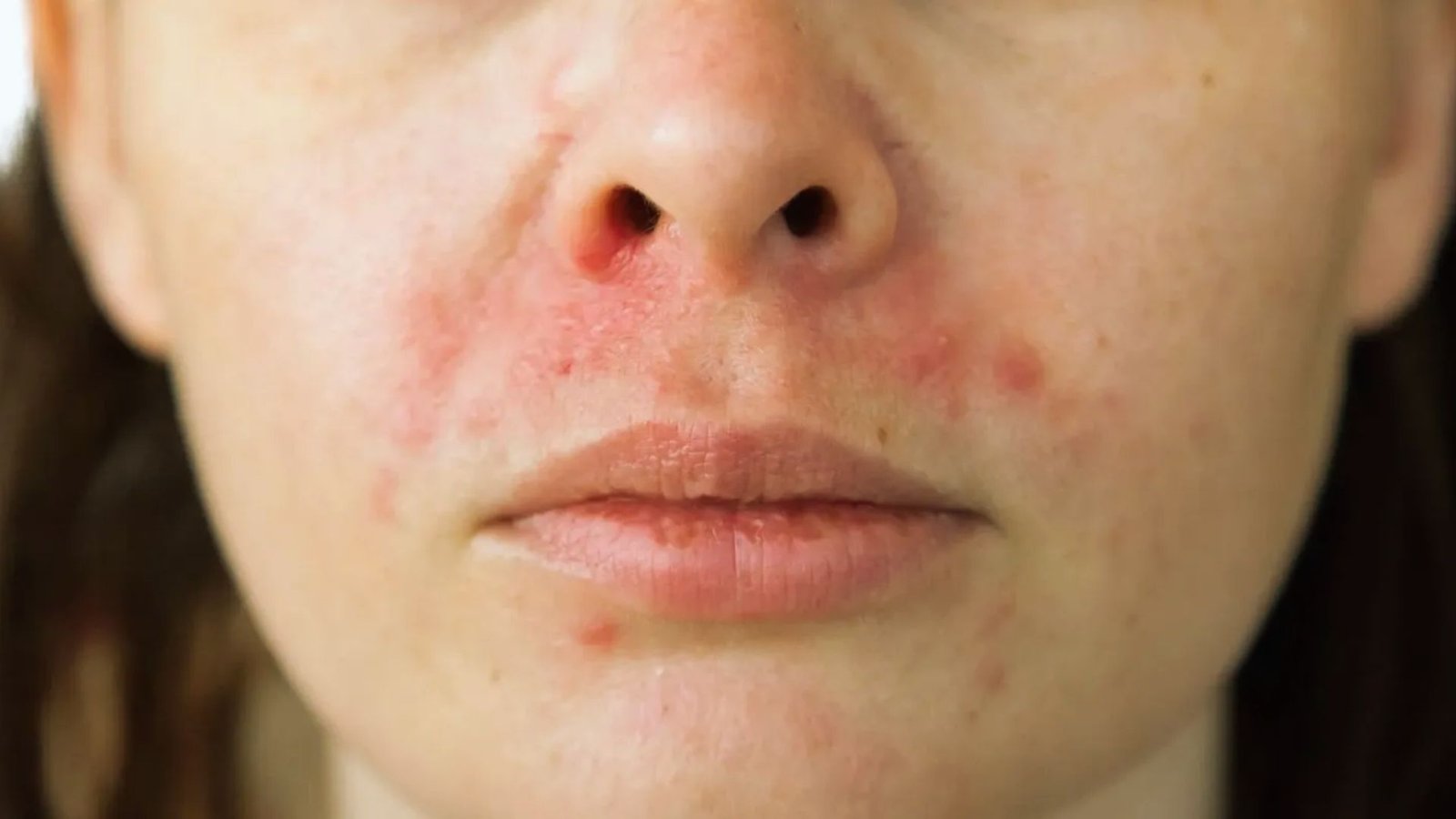
Irritant contact dermatitis causes immediate burning when a chemical directly damages the skin.
Allergic contact dermatitis develops gradually as your immune system reacts to a specific ingredient. Patch testing by a dermatologist can identify the exact cause.
Rosacea and Sensitive Skin
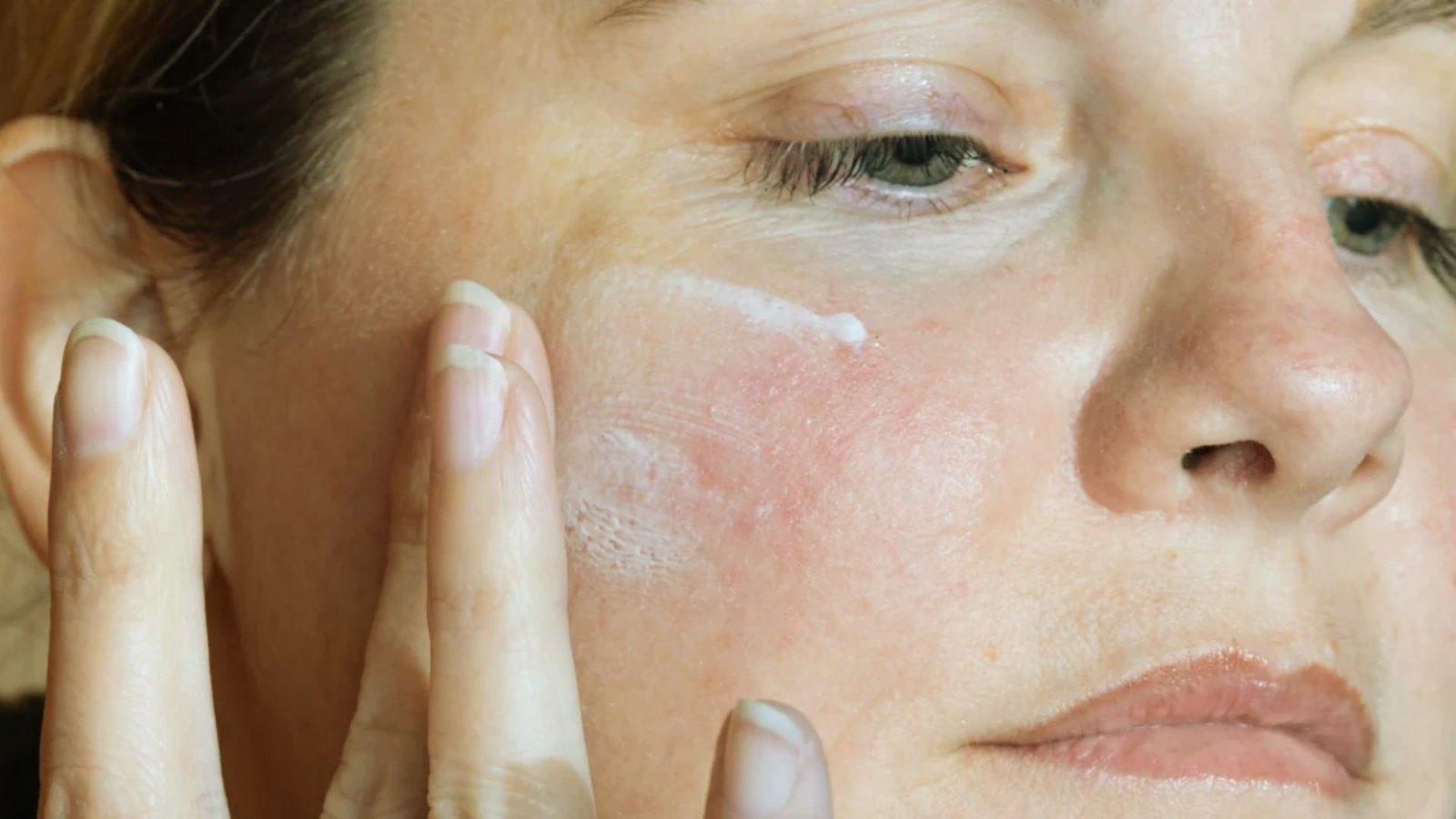
Rosacea creates a compromised skin barrier that reacts to even gentle products. Ingredients like alcohol, menthol, and high-concentration niacinamide are often poorly tolerated.
If burning with most products is a pattern, rosacea is worth discussing with a dermatologist.
Eczema and Psoriasis
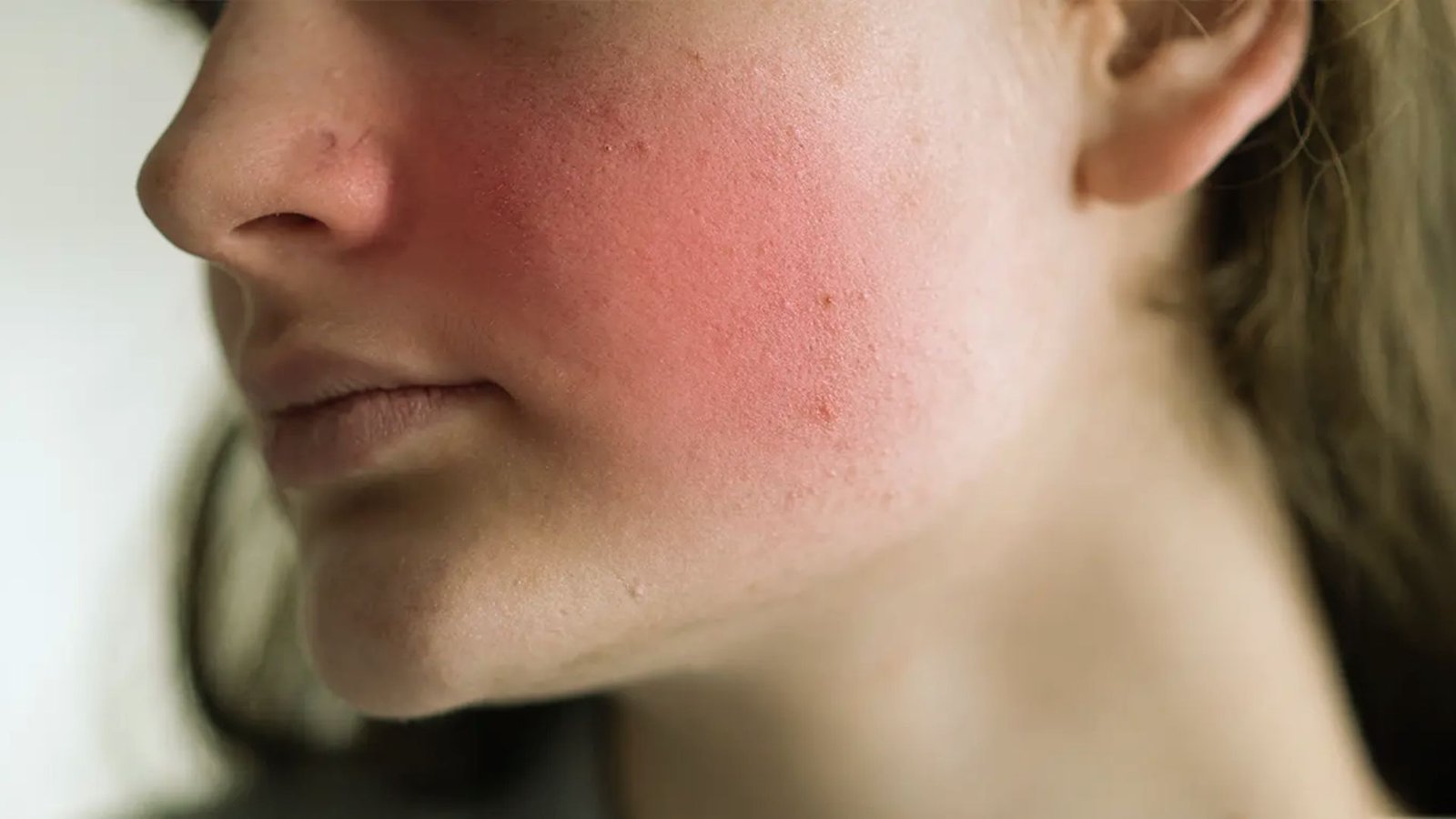
Eczema and psoriasis both create inflamed, broken skin with a severely disrupted barrier.
Eczema skin lacks natural ceramides while psoriasis leaves the surface raw from rapid cell turnover. Only fragrance-free, dermatologist-recommended formulas should be used during flare-ups.
Overuse of Active Ingredients
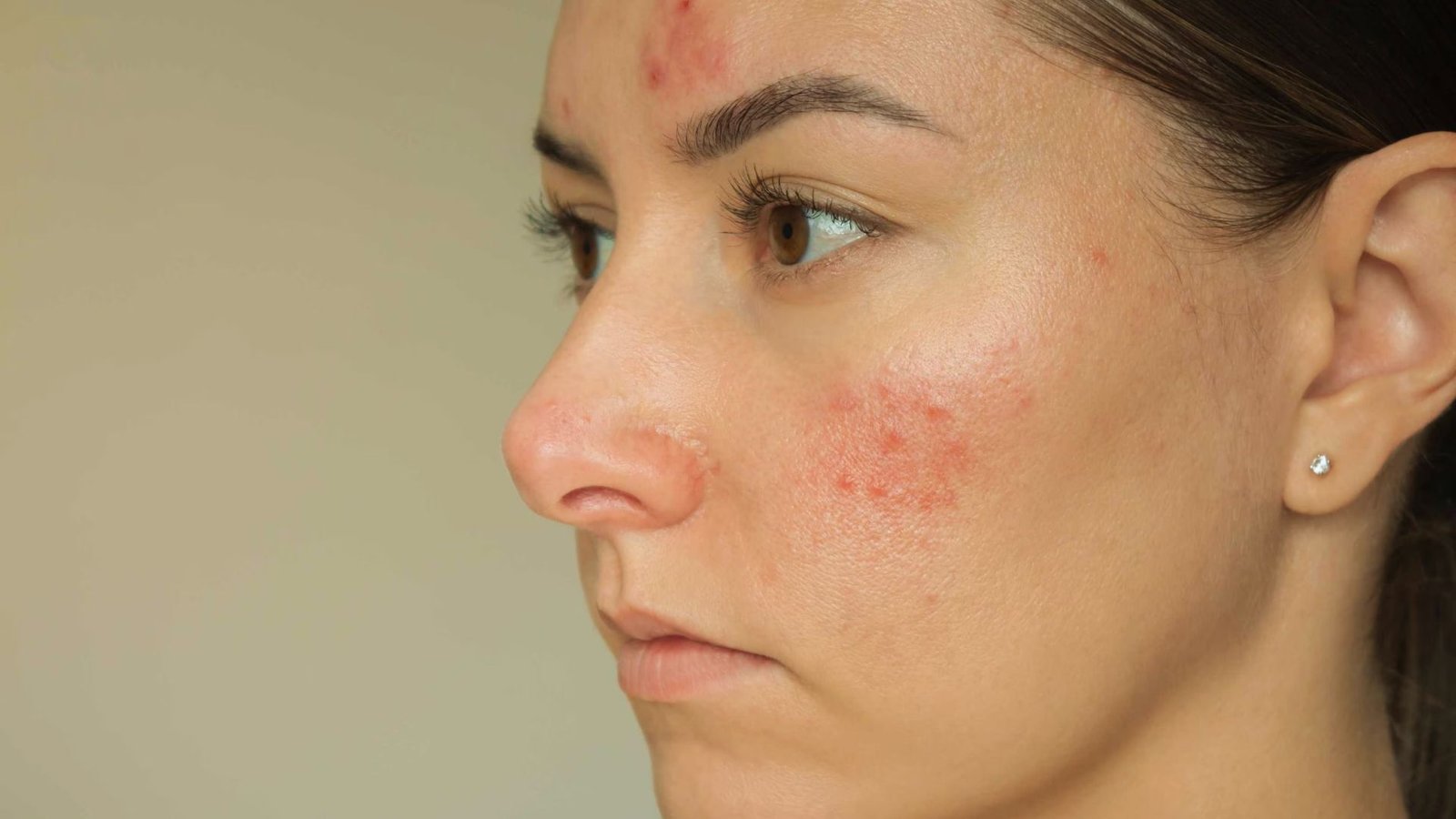
Using too many actives like retinol, glycolic acid, and vitamin C too often strips the skin and weakens the barrier.
When you apply moisturizer on over-processed skin, burning follows. Scaling back to one or two activities a few times a week makes a big difference.
Scientific Reasons Your Skin Burns After Moisturizer

There is real biology behind that burning feeling, and science explains it clearly.
Increased Skin Permeability
When the skin barrier is damaged, ingredients pass through much more easily than they should.
They reach the nerve-rich dermis instead of staying in the outer layers. This deeper penetration is one of the primary reasons moisturizers cause stinging or burning.
Activation of Nerve Endings (TRPV1 Receptors)
TRPV1 receptors are heat receptors in the skin that also respond to certain skincare ingredients like lactic acid and some preservatives.
When activated, your brain reads the signal as burning heat. This is a neurological response and does not always mean the skin is being damaged.
Transepidermal Water Loss (TEWL)
When the barrier is compromised, water escapes through the surface at a much higher rate. This leaves skin dry, tight, and extremely reactive to any product applied.
Occlusive ingredients like petrolatum or dimethicone help reduce this loss and protect the surface.
Low pH and Chemical Irritation
Acidic products can disrupt the skin environment when applied to sensitive or damaged skin.
The skin’s natural pH sits between 4.5 and 5.5, and products outside this range cause stinging. Even toners and micellar waters can be too acidic for reactive skin types.
Inflammatory Response in the Skin
When the skin senses a threat, it releases inflammatory chemicals that increase blood flow and heighten nerve sensitivity.
This causes redness, warmth, and a stronger burning sensation. Chronic inflammation from conditions like eczema or rosacea keeps this cycle repeating.
How to Stop Moisturizer from Burning Your Face

Simple, practical steps can calm the burn and protect your skin going forward.
Use Gentle, Fragrance-Free Products
Fragrance, including natural options like essential oils, is one of the top causes of skin irritation. Switch to fragrance-free and dye-free moisturizers with a short ingredient list.
Brands like Vanicream, CeraVe, and La Roche-Posay are widely dermatologist-approved for sensitive skin.
Repair Your Skin Barrier
Use products with ceramides, fatty acids, and cholesterol to restore what your barrier has lost.
Avoid hot water, harsh cleansers, and anything that strips the skin. Give your skin a few weeks of gentle care before reintroducing any active ingredients.
Reduce Active Ingredients
Scale back on retinol, vitamin C, and exfoliating acids if burning is a frequent issue.
Never layer multiple activities together and always start with low concentrations. Building tolerance slowly is always better than using too much too soon.
Patch Test New Products
Apply a small amount of any new product on your inner arm or behind the ear and wait 24 to 48 hours.
If no reaction appears, it is generally safe to apply to your face. This small habit can prevent days of recovery from a full-face reaction.
Improve Hydration
Apply moisturizer to slightly damp skin to lock in moisture and dilute active ingredients for a gentler application.
Using a hyaluronic acid serum underneath adds an extra layer of hydration. Well-hydrated skin is naturally more resilient and far less reactive.
Tips to Prevent Burning Sensation in the Future
Small, consistent habits protect your skin and stop burning before it starts.
- Avoid over-exfoliating by limiting scrubs and acids to once or twice a week at most
- Always patch test every new product on your inner arm for 24 to 48 hours before applying to your face
- Introduce one new product at a time and wait at least two weeks before adding another
- Keep your routine simple with a gentle cleanser, a barrier-supporting moisturizer, and daily SPF
- Choose products labeled fragrance-free and sensitive skin tested to lower the risk of irritation
Conclusion
If your face burns when you put on moisturizer, your skin is telling you something important. It is not overreacting. It is asking for gentler care.
I remember simplifying my own routine after months of irritation. Two products instead of eight. The burning stopped within a week. It was that straightforward.
Listen to your skin. Start gentle. Repair before you treat. The right moisturizer should feel like comfort, not pain.
If this helped you, share it with someone whose skin is struggling too. Drop a comment below and tell me what worked for you.
Frequently asked questions
Why does my face burn when I put on moisturizer suddenly?
Sudden burning often means your skin barrier has been recently weakened by over-exfoliation, weather changes, or stress. It can also mean a familiar product has been reformulated with a new irritating ingredient.
Is it normal for moisturizer to sting sensitive skin?
Mild stinging that fades within 30 seconds can be normal with active ingredients. Burning that lasts longer or feels intense means the product is not right for your skin right now.
Can a damaged skin barrier cause burning with moisturizer?
Yes, a damaged barrier allows moisturizer ingredients to reach nerve endings deeper in the skin, causing burning or stinging. Repairing the barrier with ceramide-rich products is the first step toward resolving this issue.
Which ingredients in moisturizer can cause burning?
Alcohol, fragrance, essential oils, high-concentration acids, retinol, and certain preservatives are the most common triggers. Even natural ingredients like citrus extracts or peppermint can cause burning in sensitive or reactive skin.
How can I soothe burning skin after applying moisturizer?
Rinse the product off immediately with cool water and apply a cold compress to reduce heat and redness. Follow with a plain fragrance-free barrier cream containing ceramides or petrolatum to calm and protect the skin.