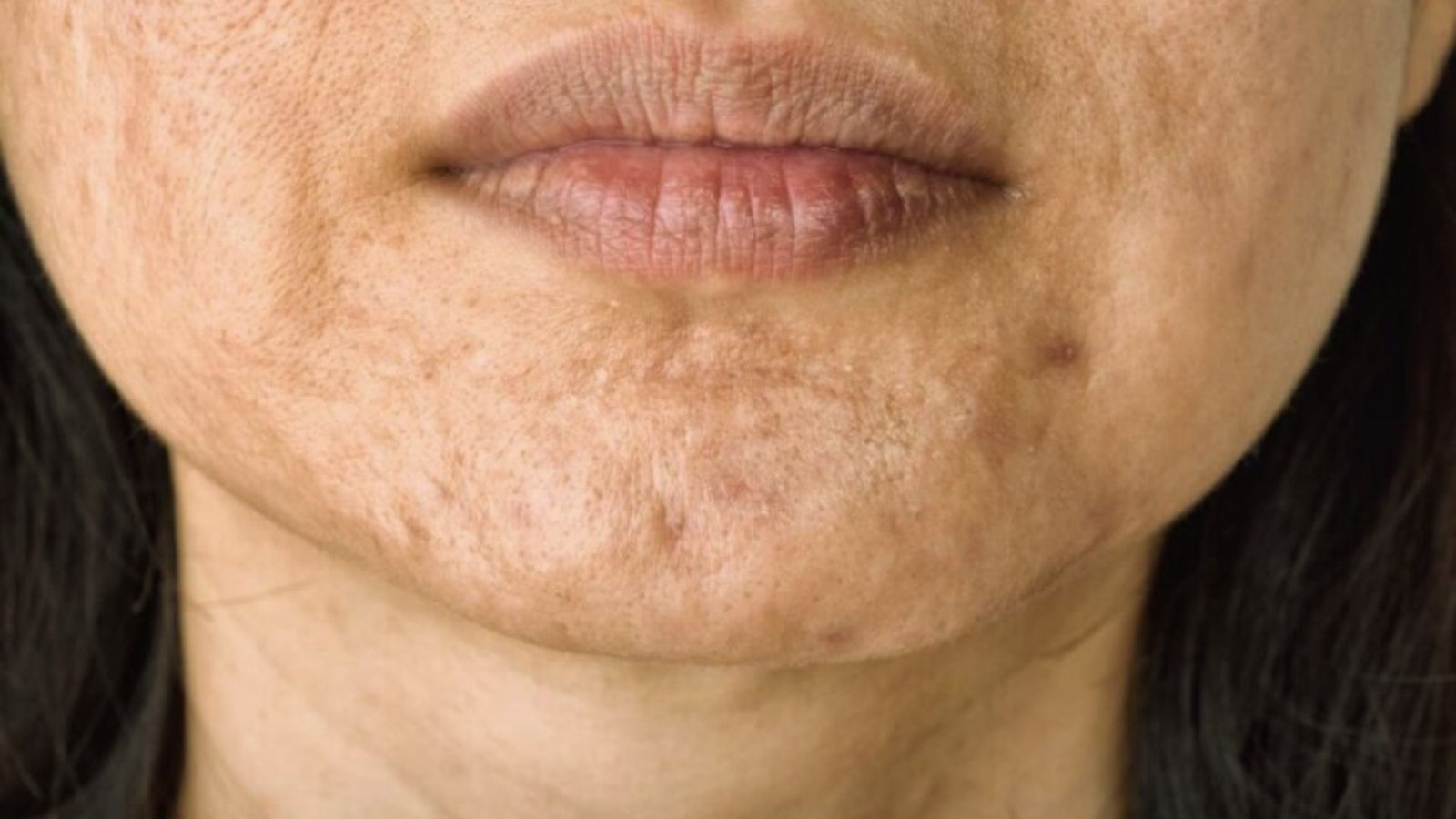
Combination skin is tricky. Your T-zone gets oily by noon, but your cheeks feel tight and dry.
Finding a foundation that handles both without causing breakouts or looking cakey is not easy. I have been there.
After testing countless products, I finally found what actually works.
In this blog, I will cover the best cruelty free foundations for combination skin, how to apply them correctly, and tips to make them last all day.
You will get honest answers based on real testing, not guesswork.
What Makes a Foundation Best for Combination Skin?
Combination skin has two different needs at the same time, and most foundations are built for just one.
A good foundation for combination skin must control oil on the T-zone while keeping dry areas comfortable and hydrated.
It should feel lightweight but still offer buildable coverage where needed. It should last without patchiness or mid-day shine.
And it must be non-comedogenic so it does not clog pores. Getting all of this in one product is possible, and the right formula makes a real difference.
Why Choose a Cruelty Free Foundation?
Choosing cruelty free means making a conscious decision about what goes on your skin and how it was made.
Meaning of Cruelty-Free in Beauty
A cruelty free product has not been tested on animals at any stage, including ingredients and the finished formula.
Certified brands avoid animal testing globally, not just where it is required by law. Many people choose cruelty free because these products often use cleaner, gentler ingredients overall.
Cruelty-Free vs Vegan (Key Differences)
Cruelty free means no animal testing, while vegan means no animal-derived ingredients like beeswax or carmine.
A product can be one without being the other. If both matter to you, look for products that carry both certifications clearly on the packaging.
How to Identify Certified Cruelty-Free Products
The most trusted certifications come from Leaping Bunny and PETA’s Beauty Without Bunnies program.
You can also use apps like Cruelty-Cutter or Think Dirty to verify a brand. Always do a quick check before buying to make sure the brand is fully certified.
Best Cruelty Free Foundation for Combination Skin
Here are honest reviews of the top cruelty free foundations that actually work on combination skin.
Vapour Soft Focus Foundation Review
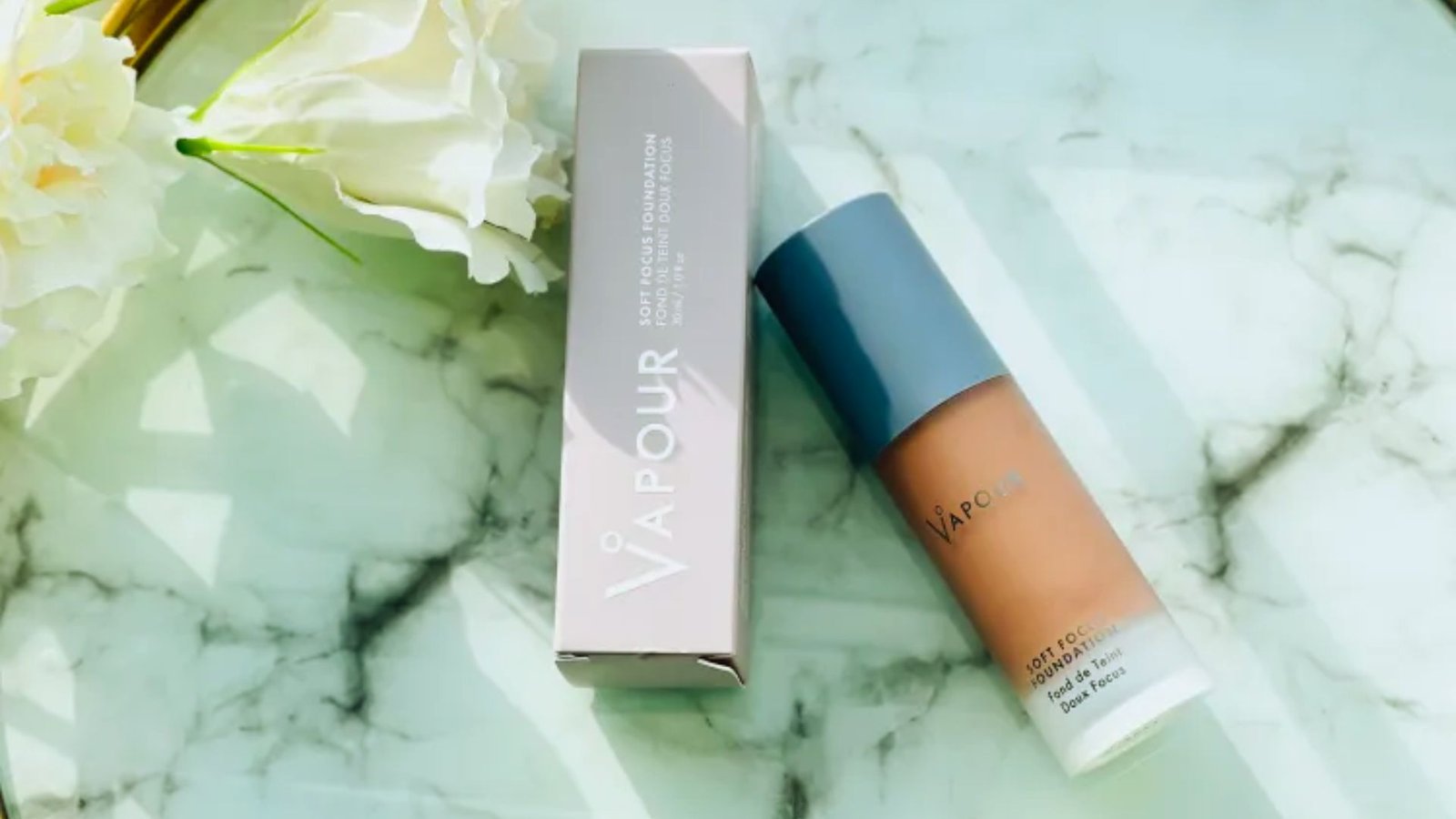
Vapour Soft Focus has a lightweight, satin finish that controls shine without drying out the skin.
It wears well for six to seven hours but has a limited shade range and a higher price point.
Flower Light Illusion Liquid Foundation Review
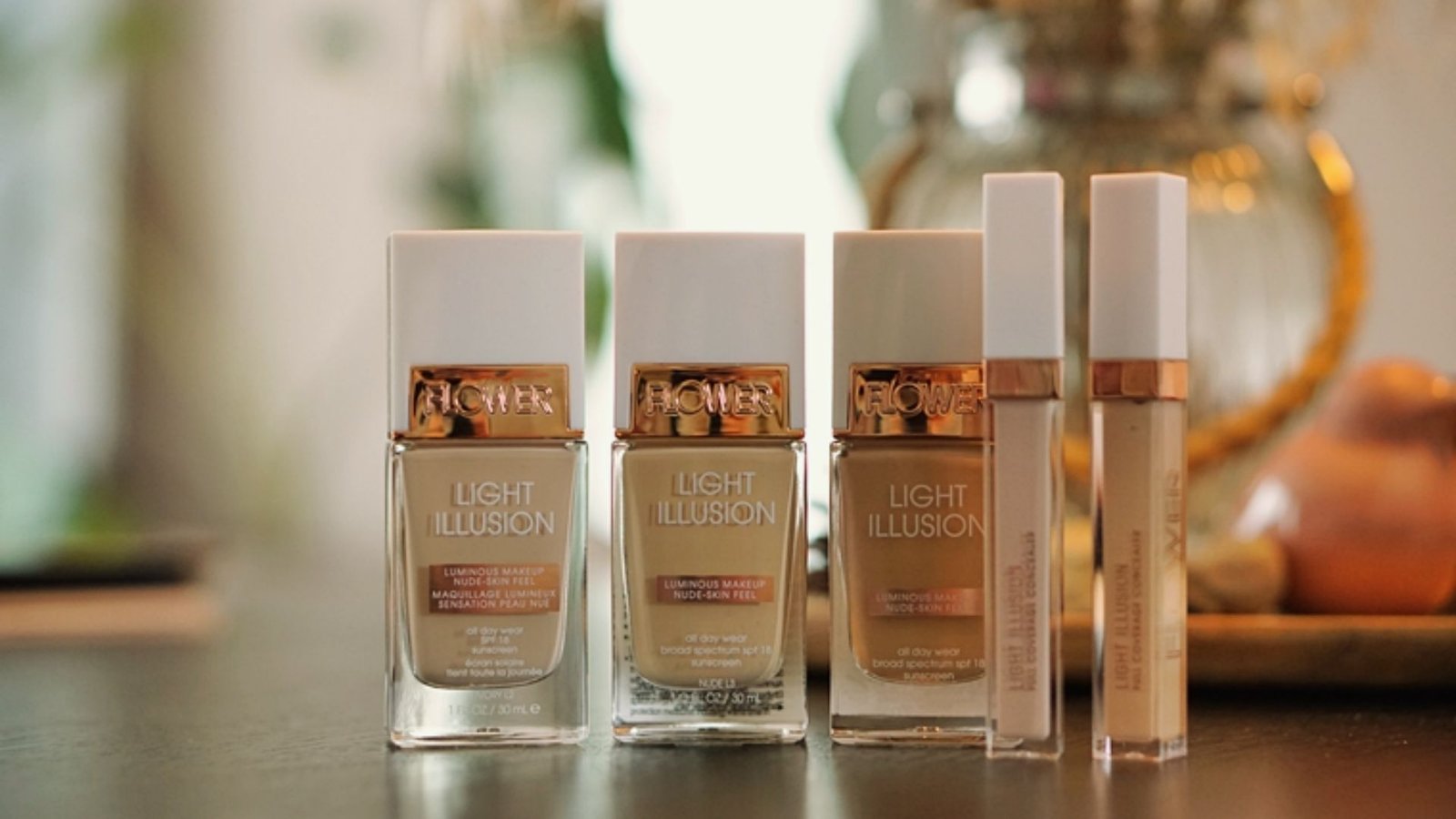
This foundation gives a soft, dewy finish that works well on dry patches but can get too shiny on oily areas.
Using a mattifying primer on the T-zone and a setting spray helps it last longer.
W3ll People Foundation Stick Review
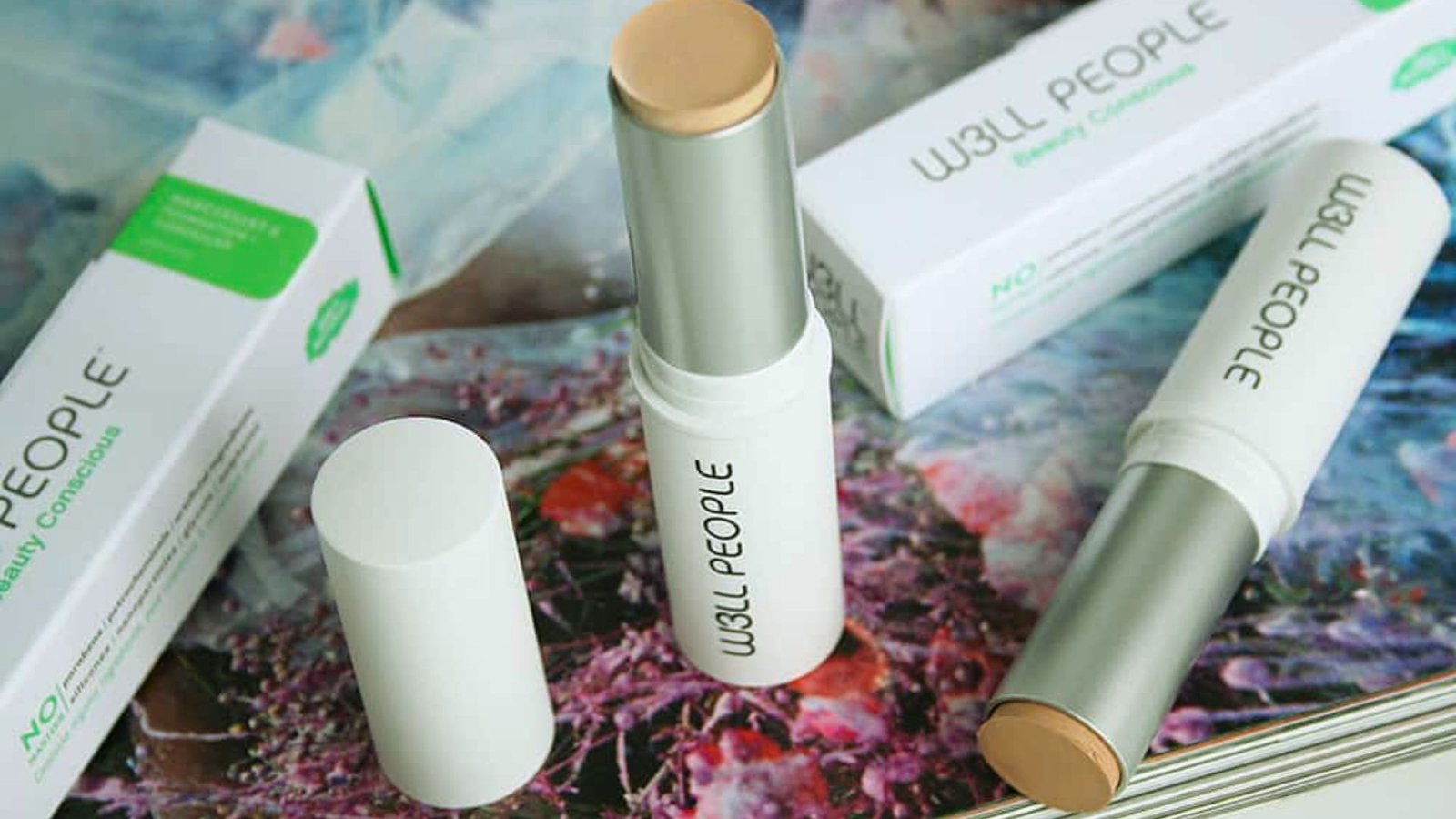
This stick foundation blends smoothly and works well across both oily and dry zones without looking heavy.
It sets to a natural matte finish and is a solid pick for acne-prone combination skin.
Jane Iredale Beyond Matte Foundation Review
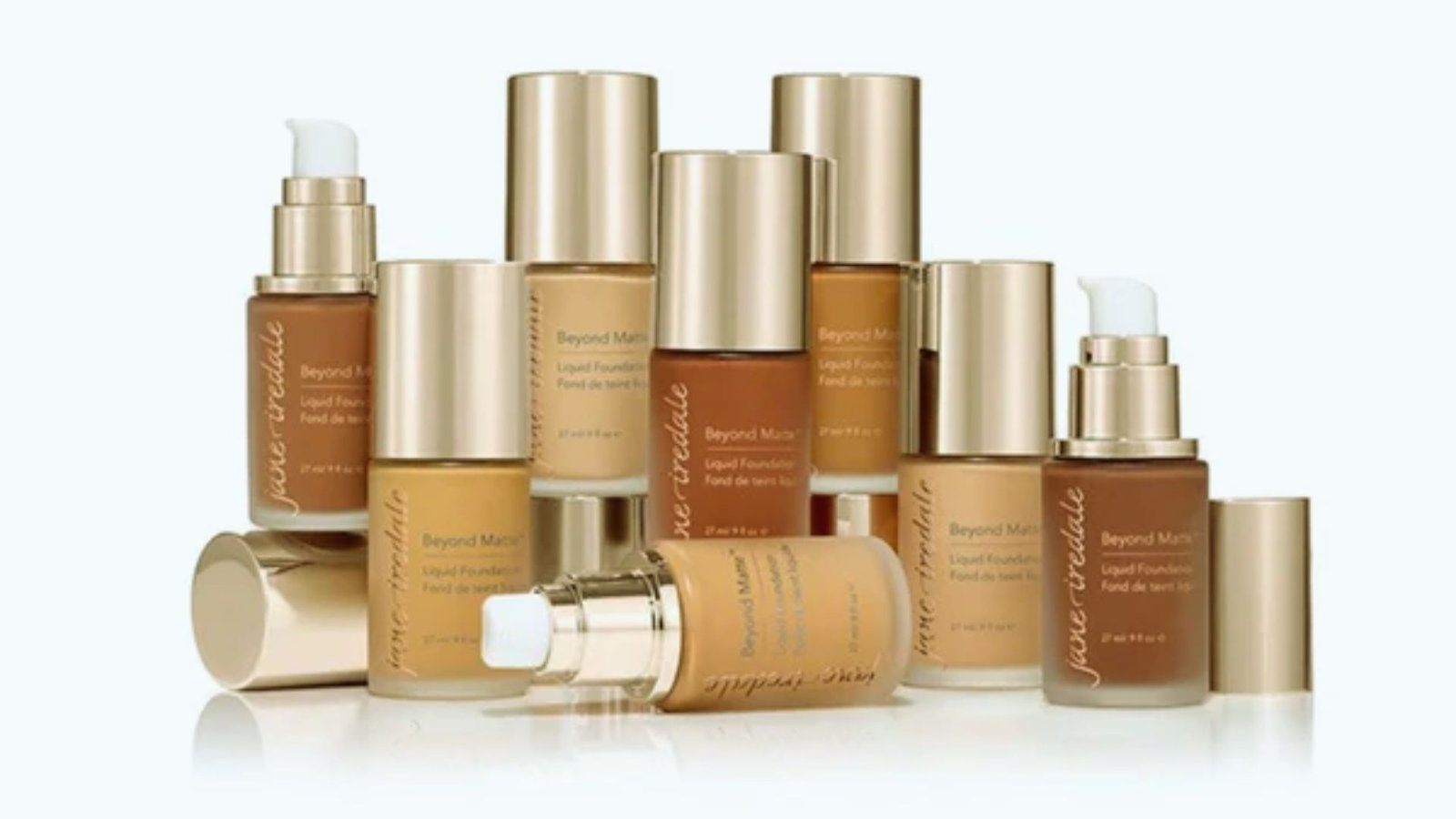
Beyond Matte keeps the T-zone shine-free all day without looking flat or powdery.
It also avoids clinging to dry patches, making it one of the most balanced options for combination skin.
Real User Experiences and Community Opinions
Real feedback from real people gives you a much clearer picture than marketing claims ever could.
What People Love About These Foundations
Users consistently praise cruelty free foundations for feeling lighter and gentler compared to conventional formulas.
Switching to cleaner products has reduced breakouts for many people. Natural finishes, long wear, and clear ingredient lists are the most appreciated qualities.
Common Complaints from Users
Limited shade ranges and higher prices are the most frequent complaints. Some users find lighter shades less pigmented than expected.
Dewy formulas like Flower Light Illusion need extra effort to control very oily skin.
Best Picks Based on Skin Concerns (Oiliness, Dry Patches, Acne)
For oily combination skin, Jane Iredale Beyond Matte is the top pick. For dry combination skin, Flower Light Illusion or Vapour Soft Focus work better.
For acne-prone combination skin, W3ll People Foundation Stick is the most reliable choice.
Common Mistakes to Avoid
Small habits can make a big difference in how your foundation wears throughout the day.
- Using a heavy or overly dewy formula all over the face makes oily zones shine and dry areas look flaky.
- Skipping moisturizer on dry patches causes the foundation to cling and look uneven within hours.
- Applying too much product on oily areas speeds up breakdown and causes sliding throughout the day.
- Not using a primer on the T-zone means your foundation has nothing to grip onto and fades faster.
- Adding too much powder on dry areas makes texture more visible and the finish look cakey.
How to Apply Foundation on Combination Skin
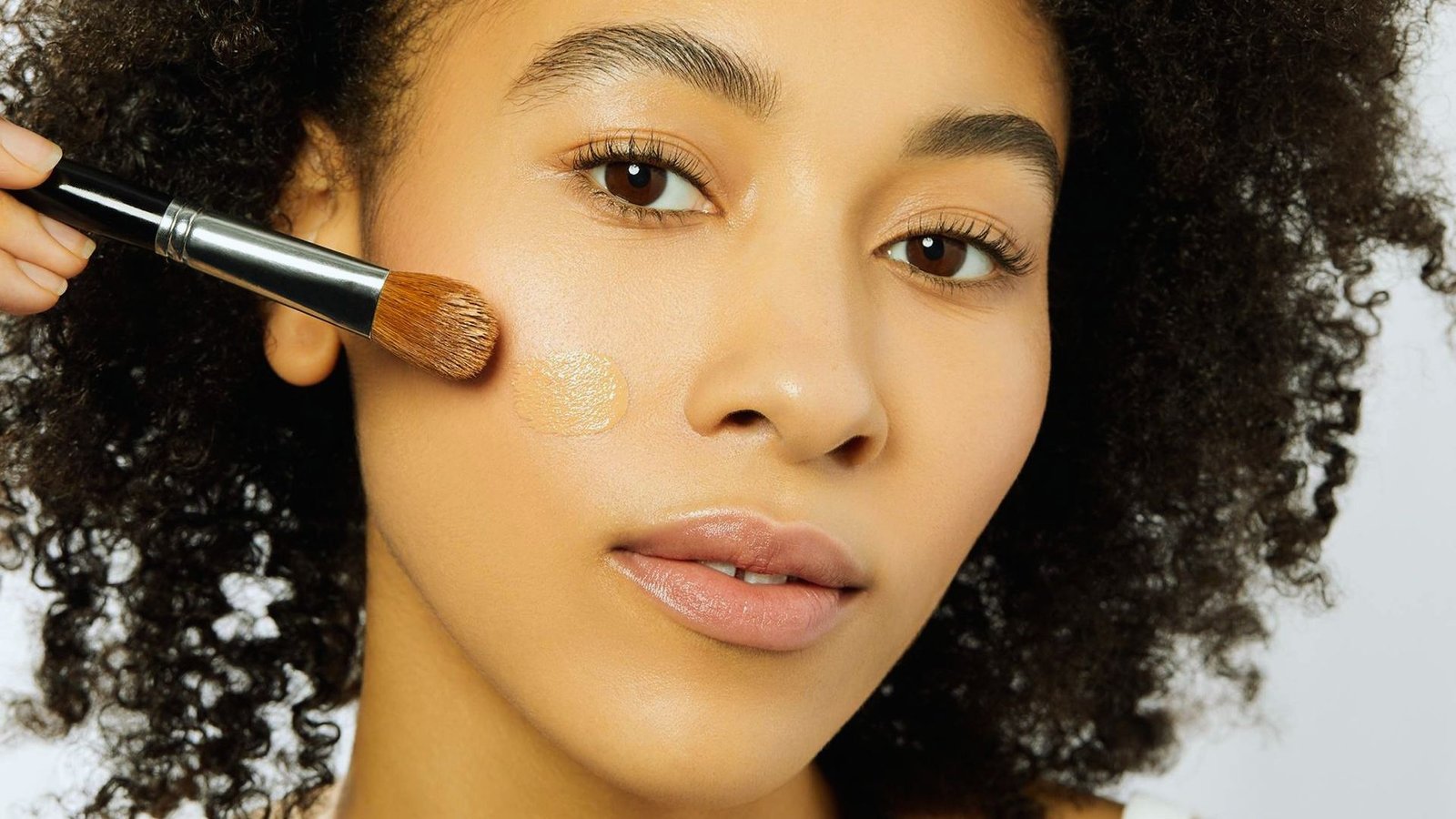
Good application technique makes even a basic foundation look polished and last longer.
Prepping Oily vs Dry Areas Differently
Use a mattifying primer on the T-zone and a lightweight moisturizer on dry areas before applying foundation.
Letting each product fully absorb before moving on gives a more even base. This two-zone prep approach prevents patchiness from the start.
Best Tools: Brush vs Sponge
A damp beauty sponge gives the most natural finish for combination skin. It blends without depositing too much product, keeping coverage balanced across zones.
A flat brush works better for stick formulas or when you want more coverage.
Layering Technique for Natural Finish
Start with a thin layer across the whole face and let it set for thirty seconds. Then go back and build coverage only where needed.
Always blend outward toward the hairline and jawline to avoid visible edges.
Tips to Make Your Foundation Last All Day
Small steps in your routine can keep your foundation looking fresh from morning to evening.
- Apply a mattifying primer on the T-zone before foundation to control oil at the base level.
- Use a hydrating primer or light moisturizer on dry areas so the foundation sits smoothly.
- Set oily zones with a light translucent or matte powder after applying foundation.
- Leave dry zones without heavy powder to avoid emphasizing any texture.
- Finish with a setting spray that balances hydration and holds across the whole face.
Conclusion
Finding the right cruelty free foundation for combination skin takes a little patience, but it is absolutely worth it.
I remember finally trying W3ll People after months of patchiness and shine issues, and it genuinely changed my daily routine.
If oil control is your main concern, go with Jane Iredale. If dry patches bother you more, try Vapour Soft Focus.
For acne-prone skin, W3ll People is a safe bet. Have you tried any of these? Drop your thoughts in the comments and share this with someone who needs a better foundation match.
Frequently Asked Questions
Which cruelty free foundation is best for combination skin daily use?
Jane Iredale Beyond Matte and W3ll People Foundation Stick are both great for daily wear. They control oil, stay comfortable on dry areas, and hold up well throughout the day.
Can combination skin use dewy foundations?
Yes, but apply a mattifying primer on the T-zone first. Setting oily areas lightly with a translucent powder also helps keep shine in check.
How do I stop the foundation from separating on my T-zone?
Start with an oil-free primer on the T-zone and apply foundation in a thin layer. Setting it with a light powder and using blotting papers midday keeps separation away.
Are cruelty free foundations better for sensitive skin?
Many cruelty free formulas use simpler, cleaner ingredients that tend to be gentler on sensitive skin. Always check the ingredient list since cruelty free alone does not guarantee sensitivity-safe formulas.
How do I make the foundation last longer on combination skin?
Use targeted primers for each zone, apply foundation in thin layers, and set oily areas with powder. Finishing with a setting spray helps lock everything in place for longer wear.