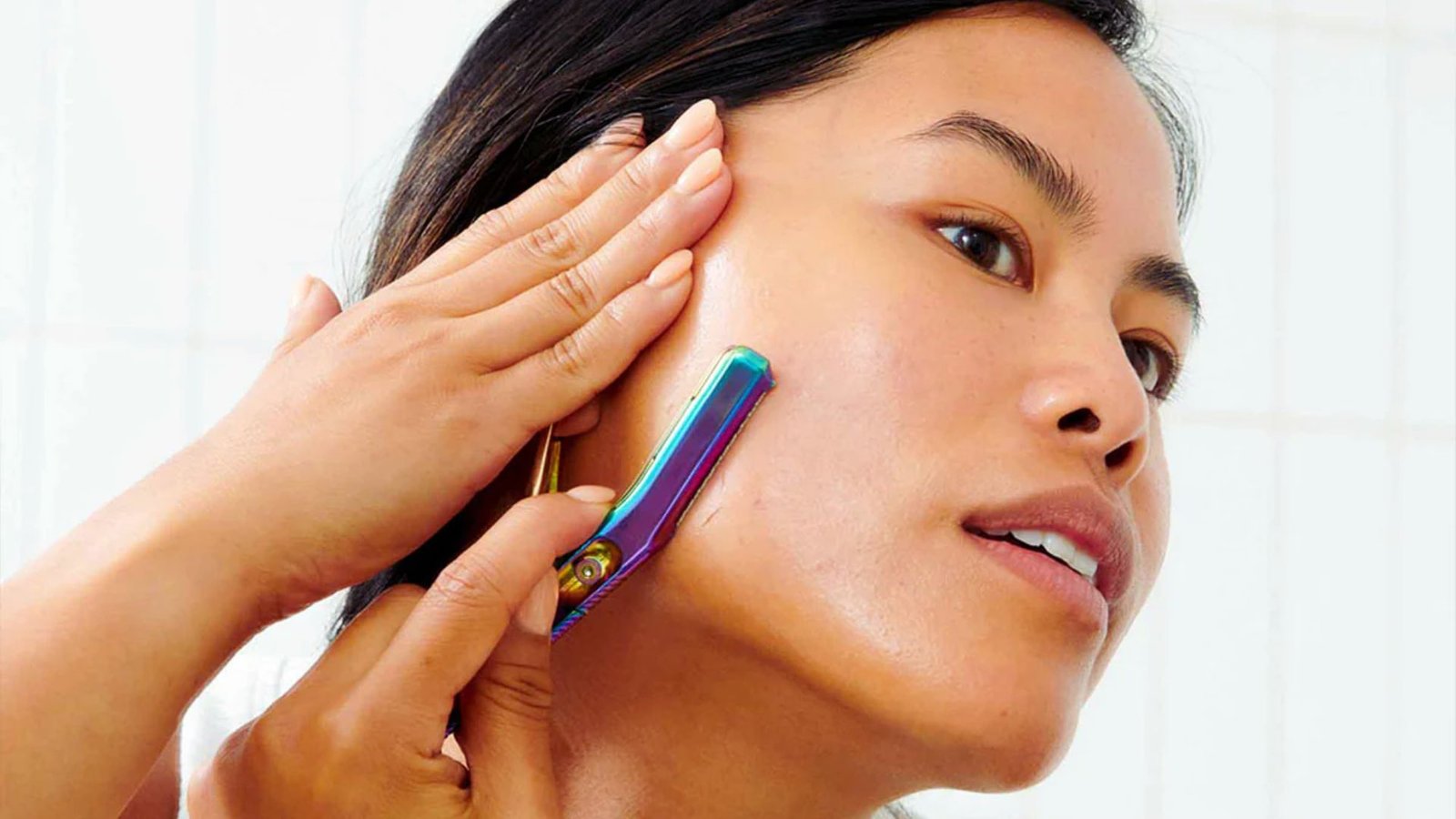
I’ve been asked this question more times than I can count; do you dermaplane on dry skin or use oil?
It’s a fair question, and the answer depends on your skin type. In this guide, I’ll walk you through both methods, explain when to use each, and help you decide what works best for you.
I’ll cover safety tips, step-by-step instructions, and what to avoid. With years of research and personal skincare experience, I want to make sure you leave with clear, simple answers.
What Is Dermaplaning?
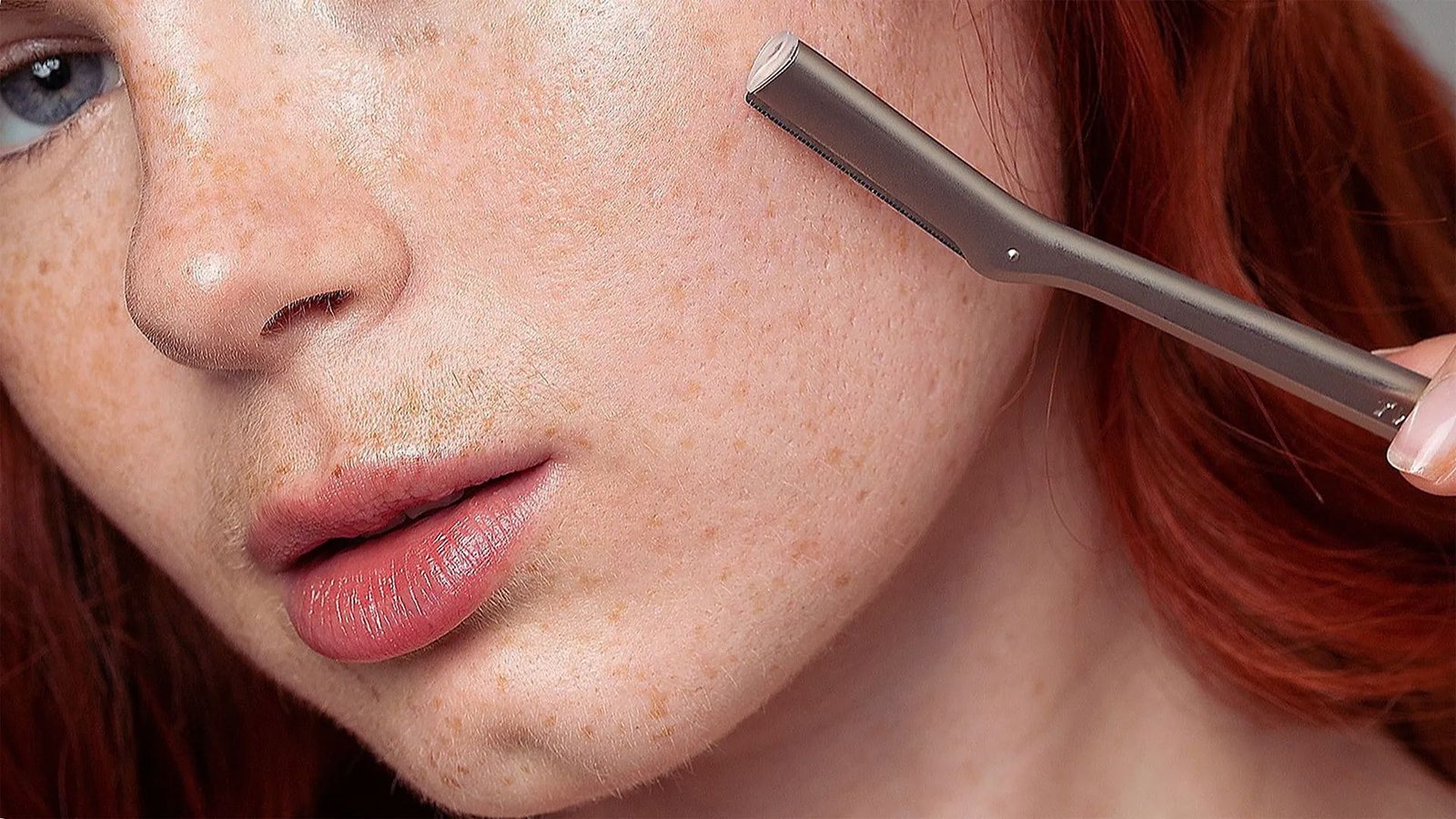
Dermaplaning is a simple skin treatment that uses a small, sterile medical-grade blade held at a 45-degree angle to gently scrape away dead skin cells and fine vellus hair, commonly known as peach fuzz.
Unlike regular shaving, which focuses purely on hair removal, dermaplaning goes deeper into exfoliation, leaving skin visibly smoother and brighter.
The treatment also enhances the absorption of skincare products and gives the face a natural glow all without the use of harsh chemicals.
Do You Dermaplane on Dry Skin or Use Oil? What is a Best Choice

Both methods work, but each one suits different skin types and goals better.
Is It Better to Dermaplane on Dry Skin or With Oil?
Dry dermaplaning is the standard method used by professionals. It gives better exfoliation and more precise results.
Oil dermaplaning, sometimes called oilplaning, adds a layer of facial oil before using the blade. This makes the blade glide more smoothly and reduces friction.
Both methods work. The right one depends on your skin type and comfort level.
When to Dermaplane on Dry Skin
Use the dry method if your skin is normal or oily. It works well when you want maximum exfoliation. It is also better for removing peach fuzz more effectively.
When to Use Oil Instead
Use oil if your skin is dry or sensitive. The oil acts as a buffer and reduces irritation. It is also a good choice if you are new to at-home dermaplaning.
Which Method Should You Choose Based on Your Skin?
Choosing the right dermaplaning method for your skin type can make the difference between glowing results and unwanted irritation.
Normal skin: the dry method works well.
Dry or sensitive skin: the oil method is safer.
Oily skin: stick to dry dermaplaning.
Beginners: start with oil to reduce risk.
Dry Dermaplaning vs Oilplaning: What’s the Difference?

Dry and oil methods differ in texture, risk level, and overall results for each skin type.
|
Category |
Dry Dermaplaning |
Oilplaning |
|
Exfoliation Depth |
Deeper exfoliation, removes more dead skin |
Surface-level smoothing, gentler exfoliation |
|
Speed of Results |
Faster, more visible results |
Slower, subtler results |
|
Comfort Level |
Less comfortable |
More comfortable |
|
Risk of Irritation |
Higher risk if done incorrectly; blade can tug at skin |
Lower risk due to lubrication |
|
Pore Concern |
Less likely to clog pores |
Can clog pores if wrong oil is used |
|
Best For |
Most skin types seeking strong results |
Dry or reactive skin prone to damage |
|
Overall Verdict |
Better overall results for most skin types |
More effective for sensitive or dry skin |
Both methods work well, but the best choice depends on your skin type, comfort level, and how much exfoliation your skin can handle.
Should You Dermaplane on Dry Skin Based on Your Skin Type?

Your skin type plays a big role in deciding how to dermaplane safely and effectively.
Dry Skin
If your skin is already dry, using the dry method can make things worse. It may cause flaking or tightness. Add a light facial oil before you start.
Sensitive Skin
Sensitive skin reacts easily. Always use oil and a gentle blade. Do a patch test first. Avoid dermaplaning around red or reactive areas.
Oily or Combination Skin
Oily skin does well with dry dermaplaning. The blade removes buildup without adding more oil. Just make sure your skin is clean before you start.
Acne-Prone or Compromised Skin
Skip dermaplaning if you have active breakouts. The blade can spread bacteria and cause more issues. Wait until your skin is clear before trying either method.
Benefits and Risks of Dermaplaning on Dry Skin

Knowing the pros and cons helps you get results without causing damage to your skin.
Benefits of Dermaplaning on Dry Skin
Knowing the pros and cons helps you get results without causing damage to your skin.
Smoother texture: The blade removes the rough top layer, leaving skin feeling soft.
Better product absorption: Without dead skin buildup, serums and moisturizers sink in faster.
Instant glow: Skin looks brighter right after the treatment.
Risks of Dermaplaning on Dry Skin
Dry skin requires extra caution, as it is more vulnerable to irritation and barrier disruption.
Irritation and redness: The blade can cause short-term redness, especially on dry skin.
Skin barrier damage: Over-exfoliating can weaken the skin barrier over time.
Increased sensitivity: Your skin may feel more sensitive to sun and products after.
How to Dermaplane Safely (Dry vs Oil Method)
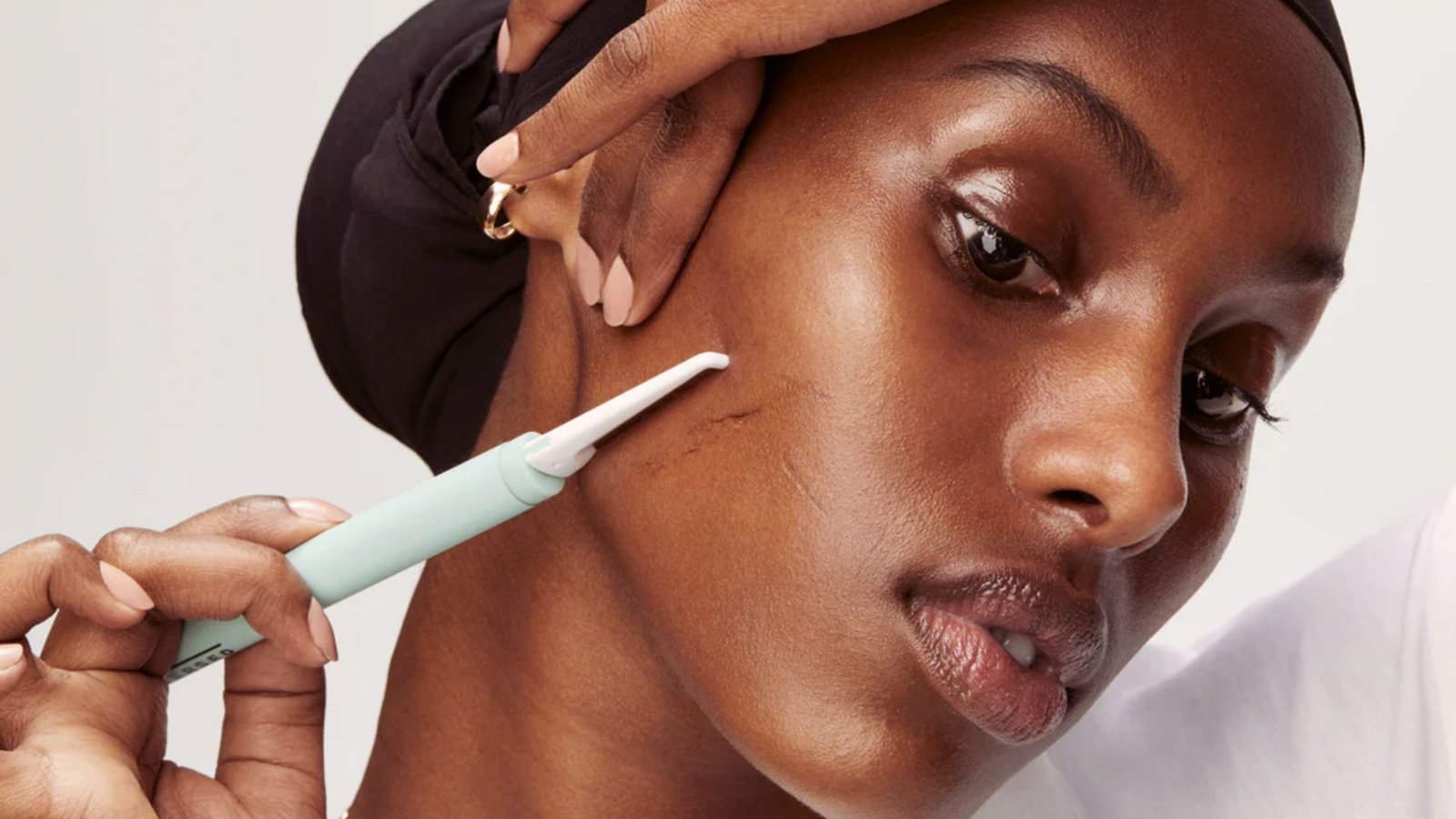
Following the right steps keeps your skin safe and gives you the best possible outcome.
Pre-Dermaplaning Preparation
Start with a clean face. Remove all makeup and oil. Pat skin dry. Make sure your blade is sterile and unused.
Dermaplane on Dry Skin
Cleanse your face and dry it fully. Hold the skin taut with one hand. Use the blade at a 45-degree angle. Use short, gentle upward strokes. Work in small sections. Rinse after and apply a soothing moisturizer.
Dermaplane with Oil
Apply 2 to 3 drops of a lightweight facial oil. Let it absorb for 30 seconds. Then use the blade the same way as the dry method. The oil helps the blade glide without dragging.
Common Mistakes to Avoid
Avoid common dermaplaning mistakes to protect your skin and get the best results. Using a dull or dirty blade can lead to irritation or even infection, so always use a clean, sharp tool.
Pressing too hard on the skin increases the risk of cuts and damage, as dermaplaning should be done with light, gentle strokes.
Never dermaplane over active acne, as it can spread bacteria and worsen breakouts.
Skipping moisturizer afterward can leave your skin dry and vulnerable, and doing it too often may weaken your skin barrier over time.
Tips for Better Results and Healthy Skin
Small habits after dermaplaning can make a big difference in how your skin heals and looks.
- Moisturize right after and always use SPF the next day
- Avoid retinol, acids, and harsh products for 48 hours
- Don’t touch your face too much after dermaplaning
- Dermaplane only every 3–4 weeks to protect your skin barrier
- Use gentle products like hyaluronic acid and avoid heavy fragrances
Conclusion
Here is a simple breakdown to help you choose the right method with confidence. If you’re new to dermaplaning, start with the oil method, as it is more forgiving and helps reduce the risk of irritation.
Using a beginner-friendly tool with a safety guard can also make the process safer. Oils like rosehip or squalane create a gentle buffer between the blade and your skin, making it ideal for sensitive types.
However, if your skin is not reactive, dry dermaplaning can provide deeper exfoliation and a smoother, more polished finish.
Frequently Asked Questions
Do You Dermaplane on Dry Skin or Wet Skin?
Dry skin is the standard method for dermaplaning. Wet skin makes the blade slip and reduces exfoliation effectiveness.
Is Oil Better Than Dry Dermaplaning?
Oil is better for sensitive or dry skin types. Dry dermaplaning is more effective for normal or oily skin.
Will Hair Grow Back Thicker After Dermaplaning?
No, hair does not grow back thicker. This is a common myth. The blade cuts hair at the surface, not the root.
Can You Dermaplane at Home Safely?
Yes, with the right tools and technique. Use a proper dermaplaning blade, not a regular razor, and always prep your skin first.
How Long Do Dermaplaning Results Last?
Results typically last 3 to 4 weeks. As new skin cells form and peach fuzz regrows, you can repeat the process.