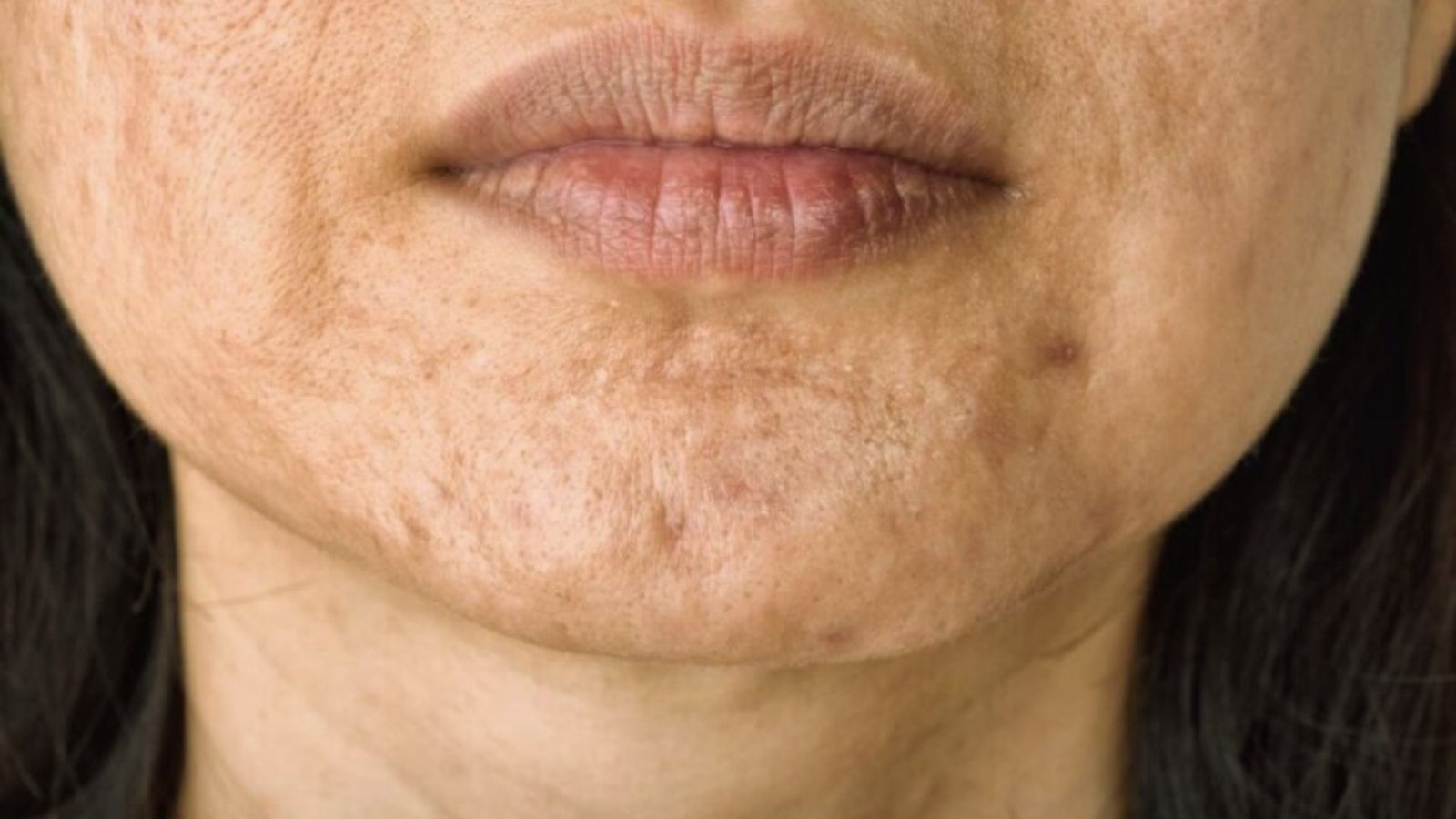

I remember the first time I tried dermaplaning at home. I had no idea what oil to use, and I almost skipped it entirely. That one step makes a big difference.
This guide covers what oil to use for dermaplaning at home, why oil matters, and how to pick the right one for your skin type. I have tested different oils and learned what works and what to skip.
You will also find a simple step-by-step method to follow at home. With the right oil, dermaplaning feels smooth, safe, and effective.
Dermaplaning at Home
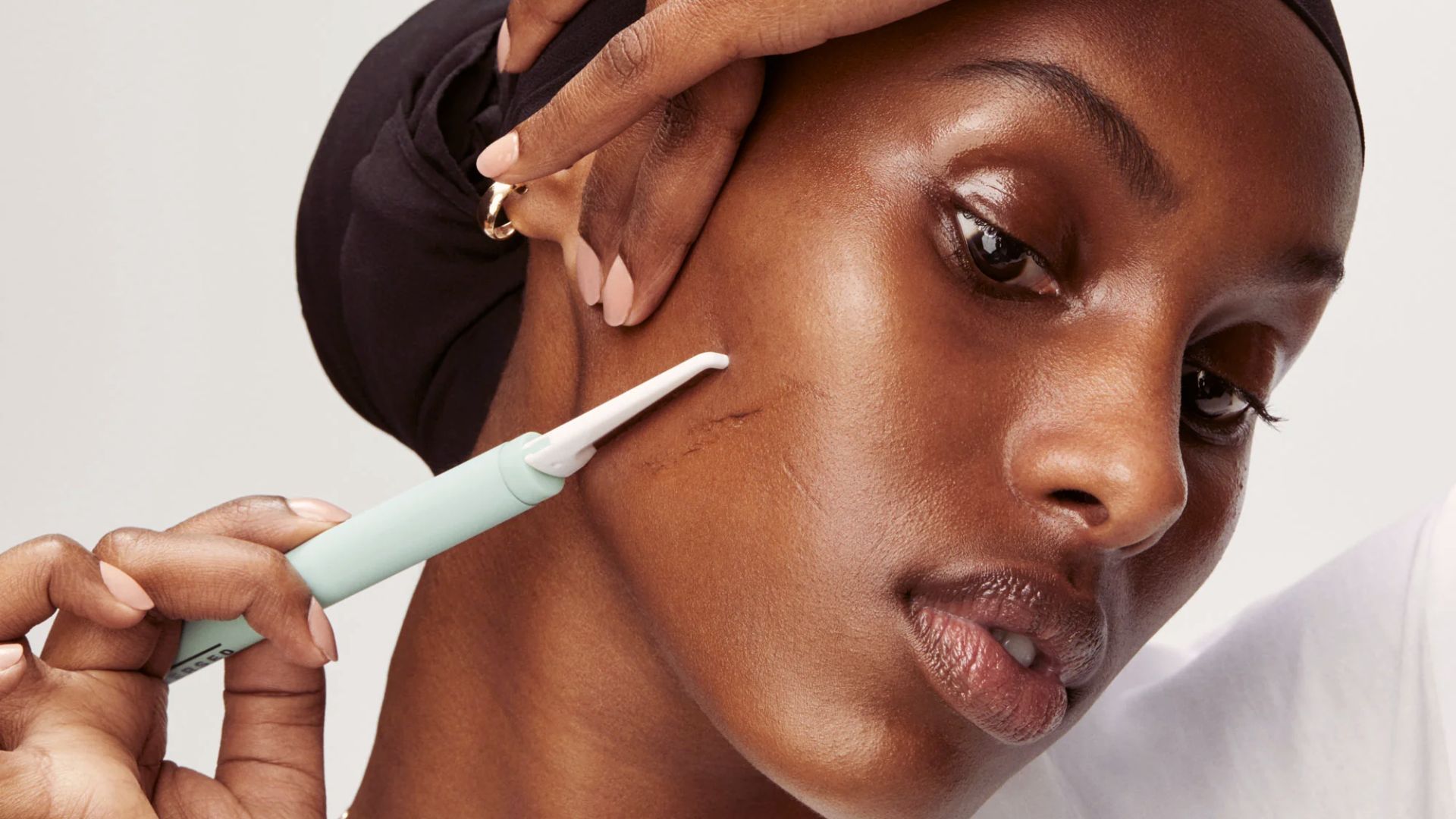
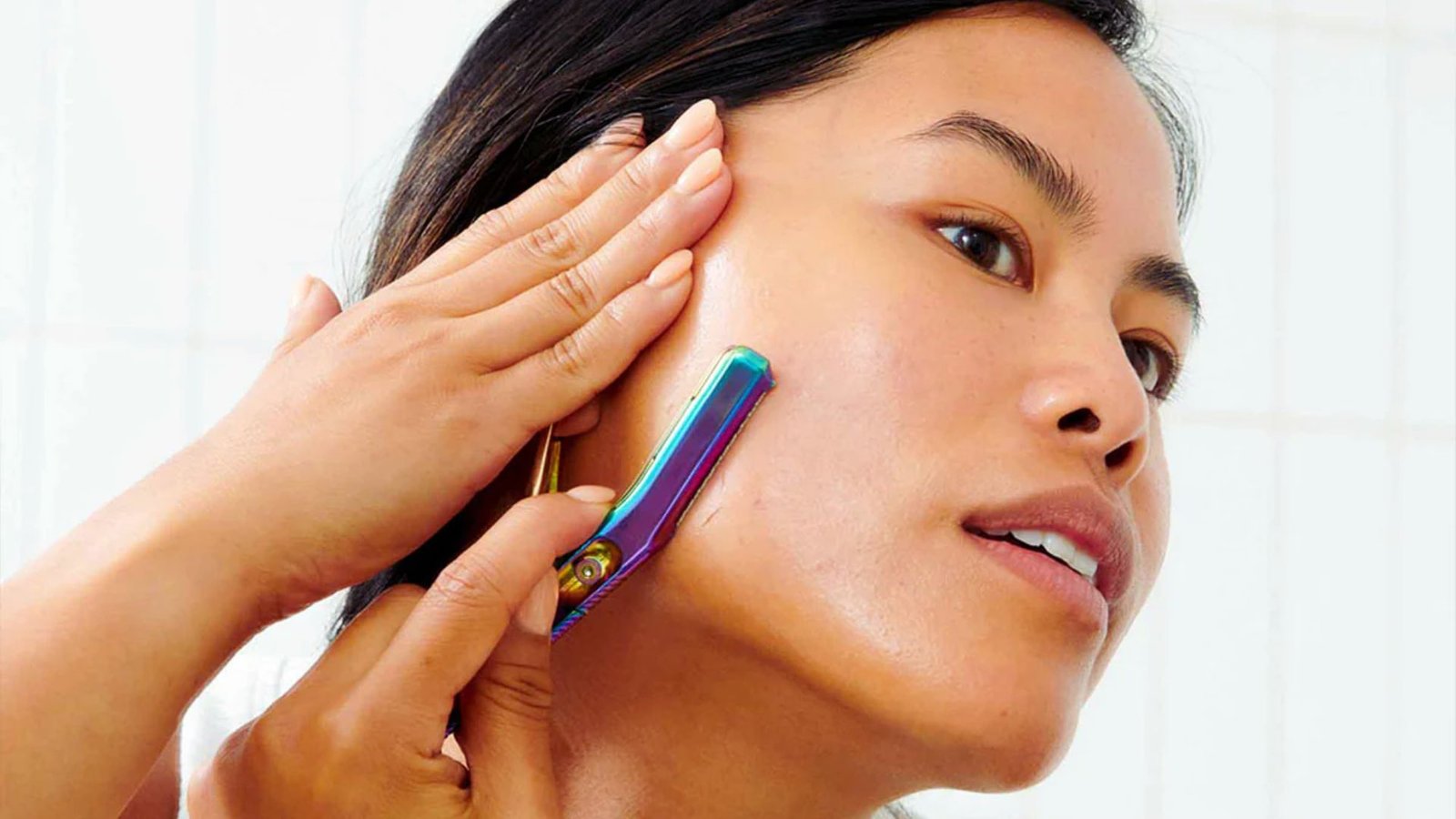
Dermaplaning is a skin care method where you use a small blade to remove dead skin cells and fine facial hair.
It leaves skin feeling smooth and soft. Many people do it at salons, but it is now easy to do at home with the right tools.
Oil acts as a protective layer between the blade and your skin. It reduces friction, which lowers the risk of nicks or irritation.
Without oil, the blade can pull at the skin instead of gliding smoothly. Oil also helps you control the blade better, making the whole process safer and more comfortable.
What Oil to Use for Dermaplaning at Home
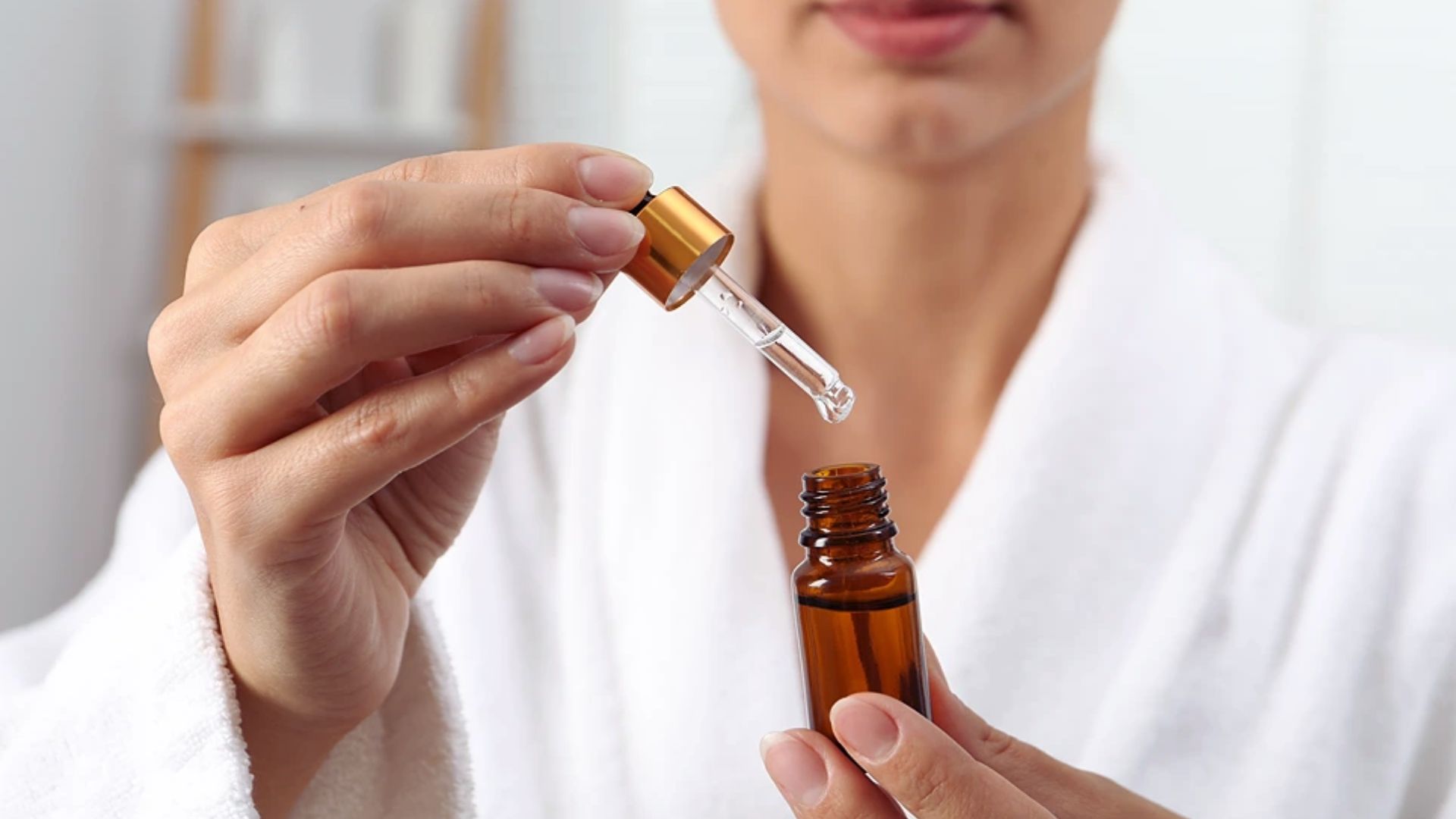
Choosing the right oil is the most important part of a safe dermaplaning session.
Best Oils for Dermaplaning
The best oils for dermaplaning are lightweight, non-irritating, and absorb well into skin. Jojoba oil, squalane oil, and grapeseed oil are the top three choices.
They allow the blade to glide smoothly without clogging pores or causing breakouts.
Top Recommended Oils (Jojoba, Squalane, Grapeseed)
Jojoba oil is one of the most popular choices. It closely mimics the skin’s natural oils, making it gentle and effective for most skin types. It does not feel heavy or greasy.
Squalane oil is another great option. It is very lightweight and absorbs fast. It works well for sensitive skin because it rarely causes reactions.
Grapeseed oil is thin and non-greasy. It is rich in antioxidants and works well for oily or combination skin. It lets the blade move easily across the skin without leaving residue.
Oils to Avoid for Dermaplaning
Some oils are too thick and can block pores or make it hard to control the blade.
Avoid:
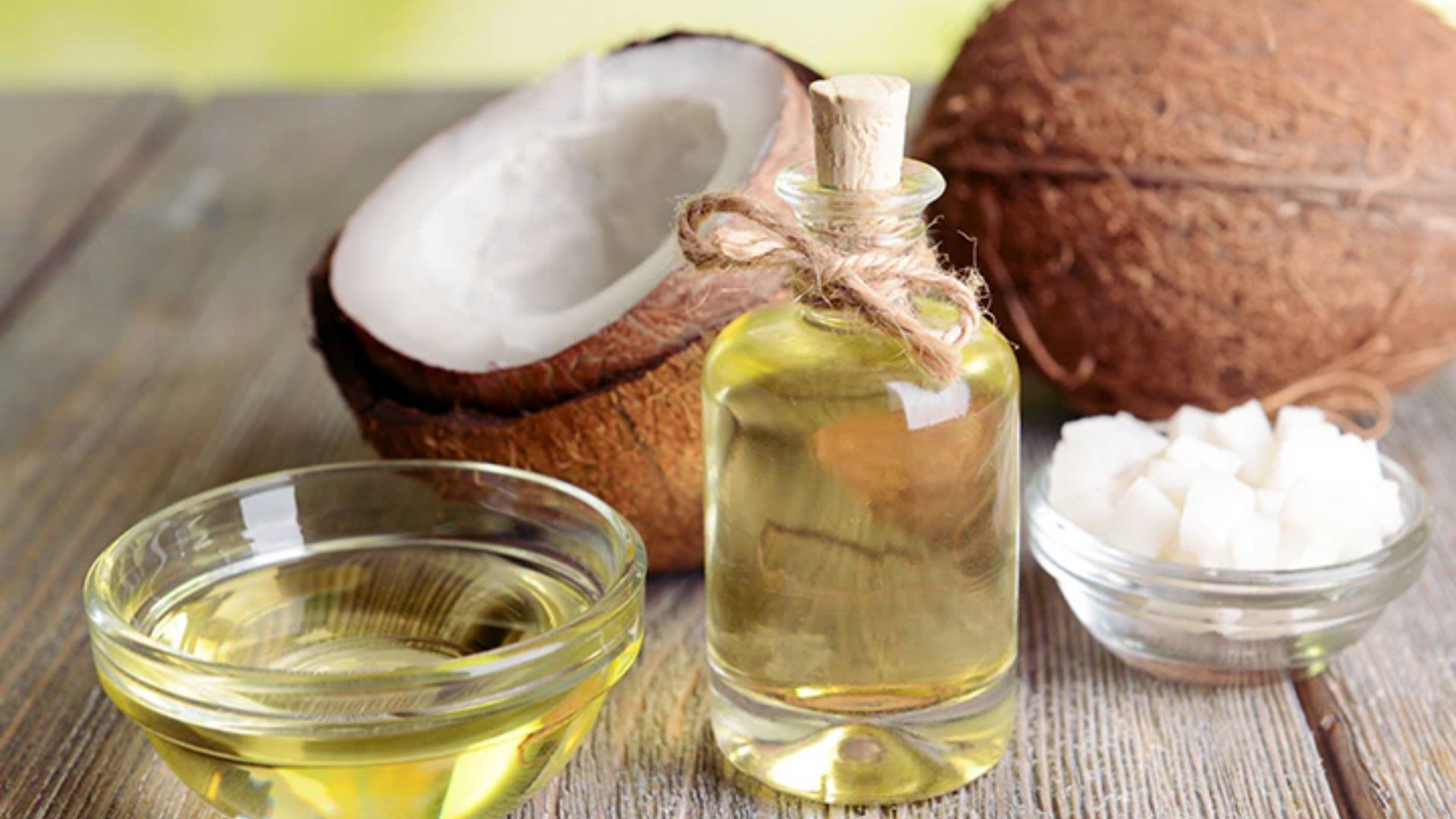
Coconut oil (too heavy, comedogenic), Olive oil (too thick, can cause breakouts), Castor oil (too sticky for blade movement), Essential oils used alone (too strong, can irritate skin)
Stick to lightweight, non-comedogenic options for the best results.
Best Oils for Dermaplaning by Skin Type
Not all oils work the same for every skin type. Here is a breakdown to help you choose.
Best Oil for Oily and Acne-Prone Skin
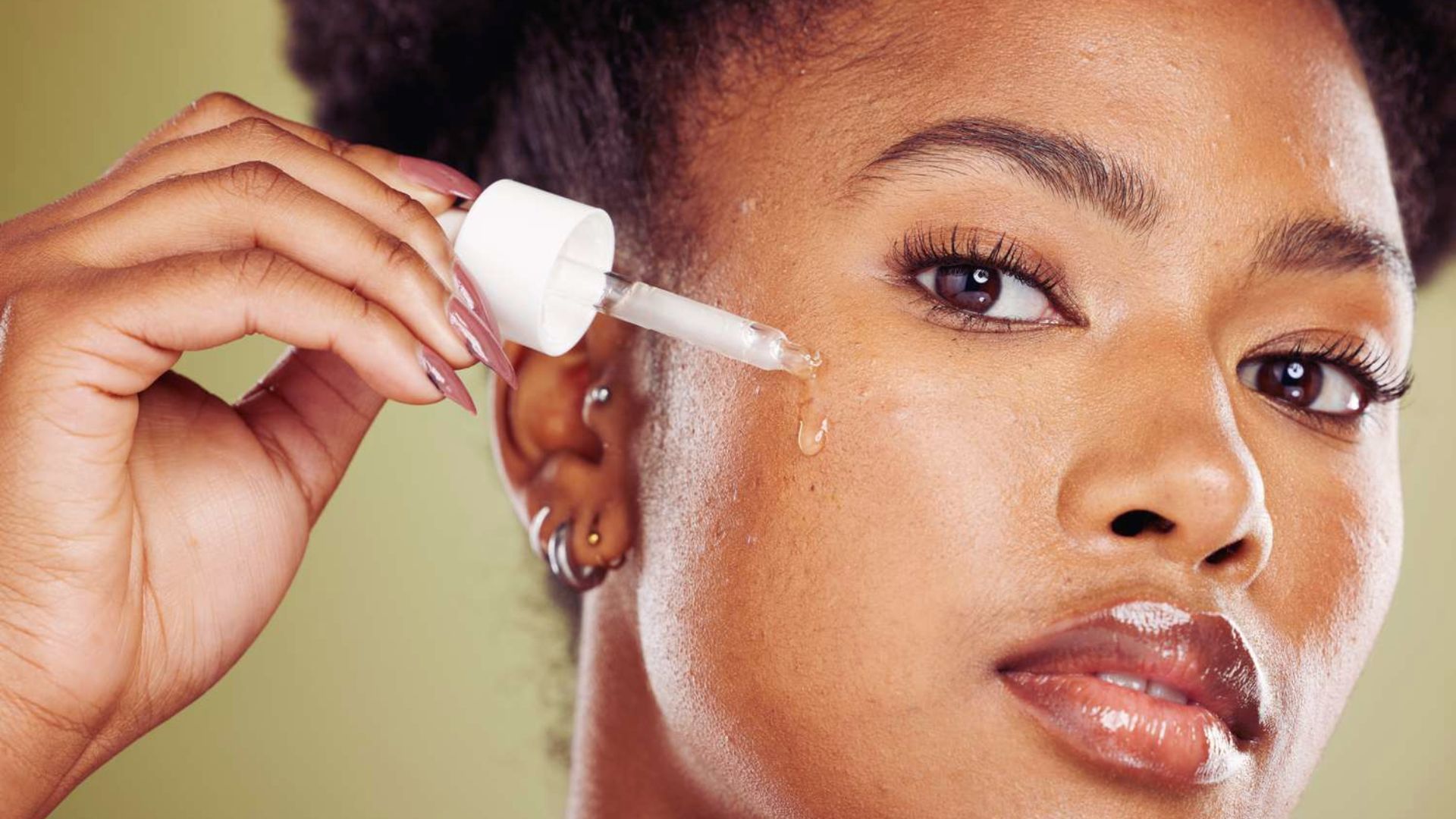
Grapeseed oil is the top pick here. It is light, absorbs quickly, and does not add extra shine. It is also low on the comedogenic scale, so it is less likely to clog pores.
Best Oil for Dry and Mature Skin
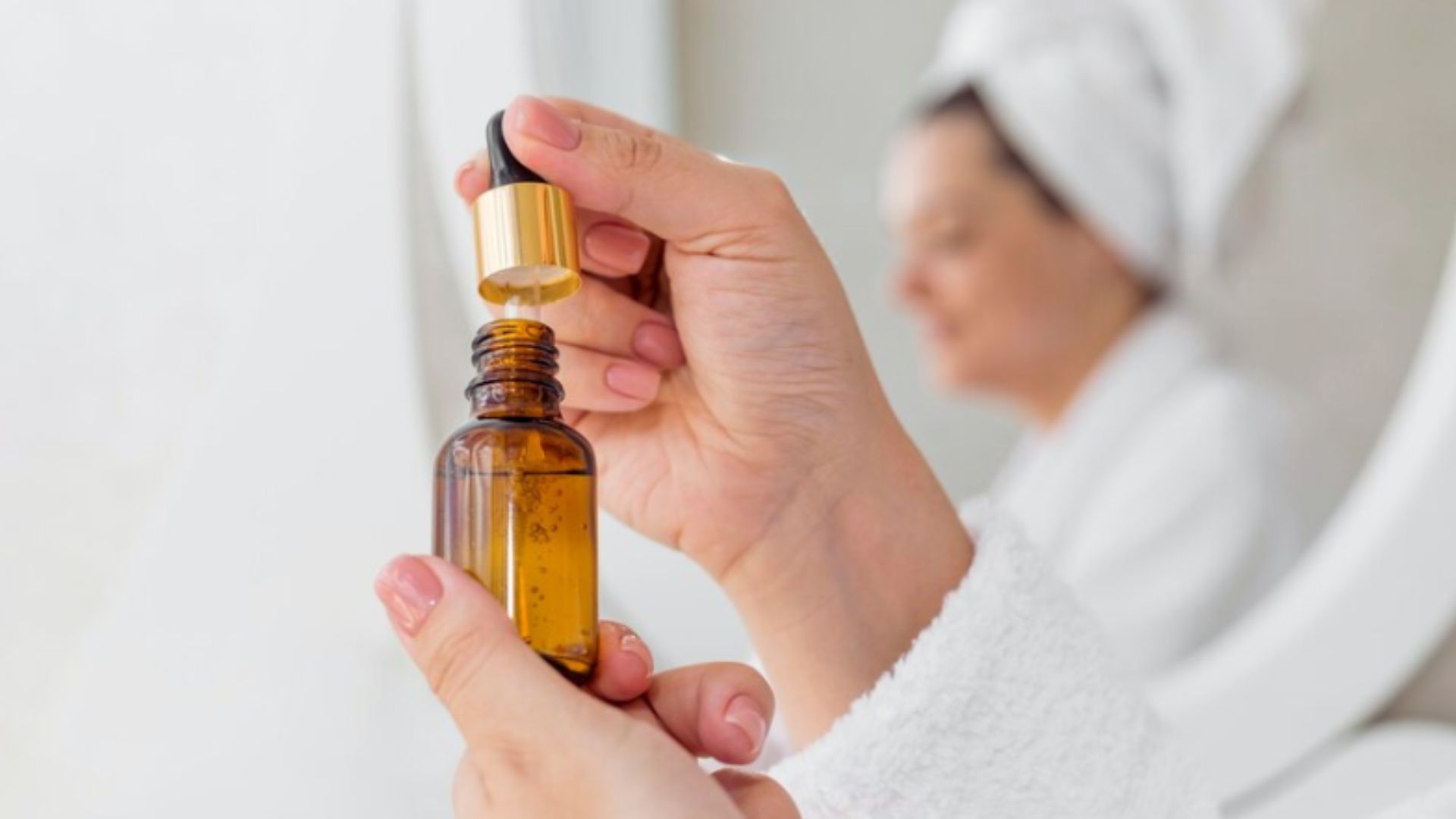
Jojoba oil works well for dry or mature skin. It adds moisture while allowing the blade to glide. It also supports the skin barrier without feeling too heavy.
Best Oil for Sensitive Skin
Squalane oil is the safest bet for sensitive skin. It is fragrance-free, gentle, and rarely causes redness or irritation. It is also suitable for skin conditions like rosacea.
Best Oil for Normal Skin
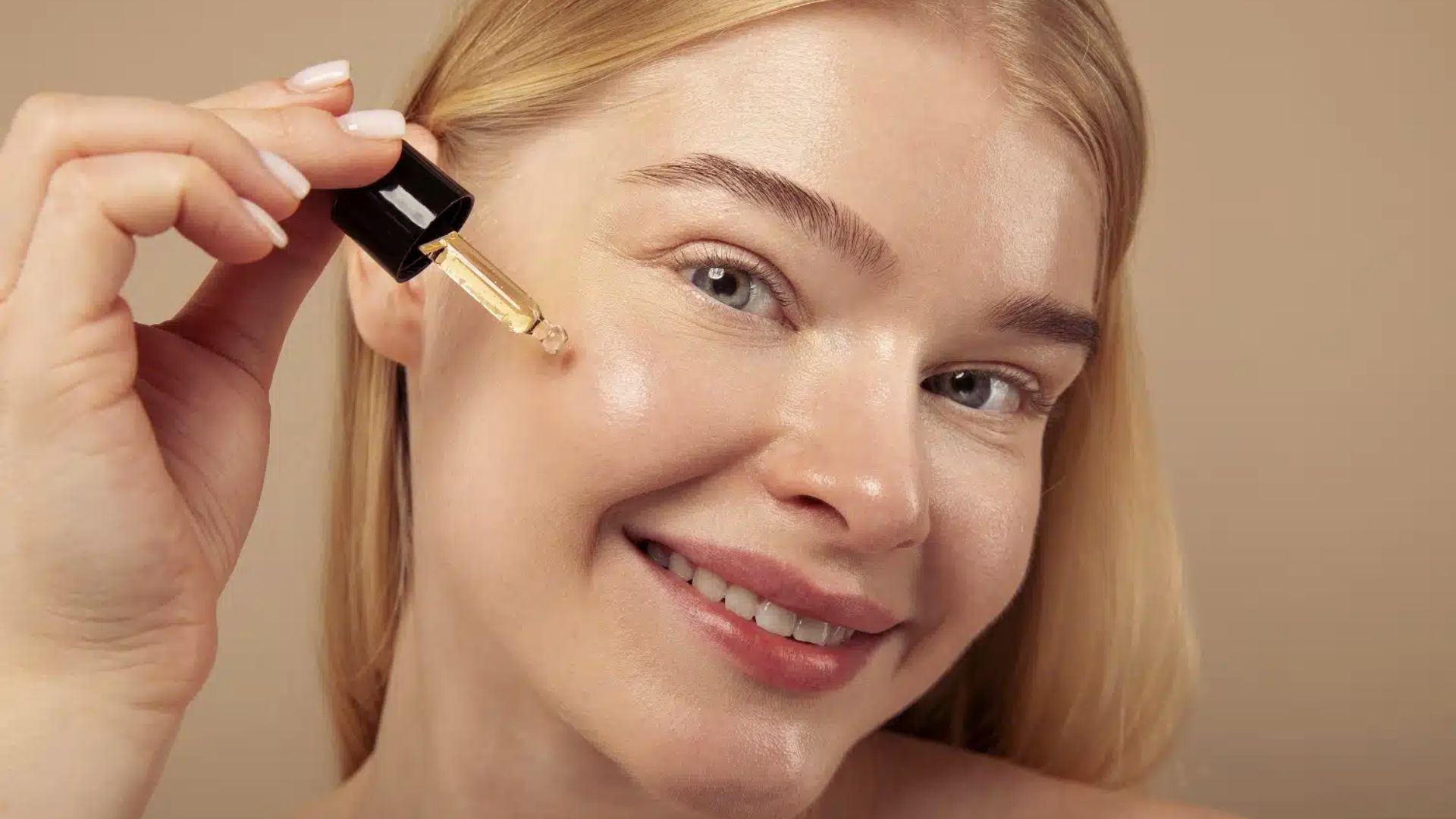
Normal skin types have the most flexibility. Both jojoba and squalane work well. You can also try rosehip oil, which is lightweight and adds a mild glow to the skin.
How to Choose the Best Oil for Dermaplaning

Picking the right oil takes a little knowledge, but it is not complicated.
Key Features to Look For in Dermaplaning Oils
Look for oils that are:
Non-comedogenic (won’t block pores), Fragrance-free (less chance of irritation), Lightweight (allows smooth blade movement), Cold-pressed or pure (no added chemicals)
Lightweight vs Heavy Oils: What Works Best
Lightweight oils win every time for dermaplaning. They let the blade glide without dragging. Heavy oils make the blade sticky and harder to control.
They can also sit on top of the skin instead of absorbing, which creates an uneven surface.
Common Mistakes When Choosing Facial Oils
Choosing the wrong facial oil can lead to irritation, poor glide, and breakouts during dermaplaning.
- Using scented oils that irritate the skin
- Picking thick oils that slow down the blade
- Choosing oils with added preservatives or alcohol
- Not patch testing a new oil before full use
- Using comedogenic oils that clog pores
Can You Dermaplane Without Oil?
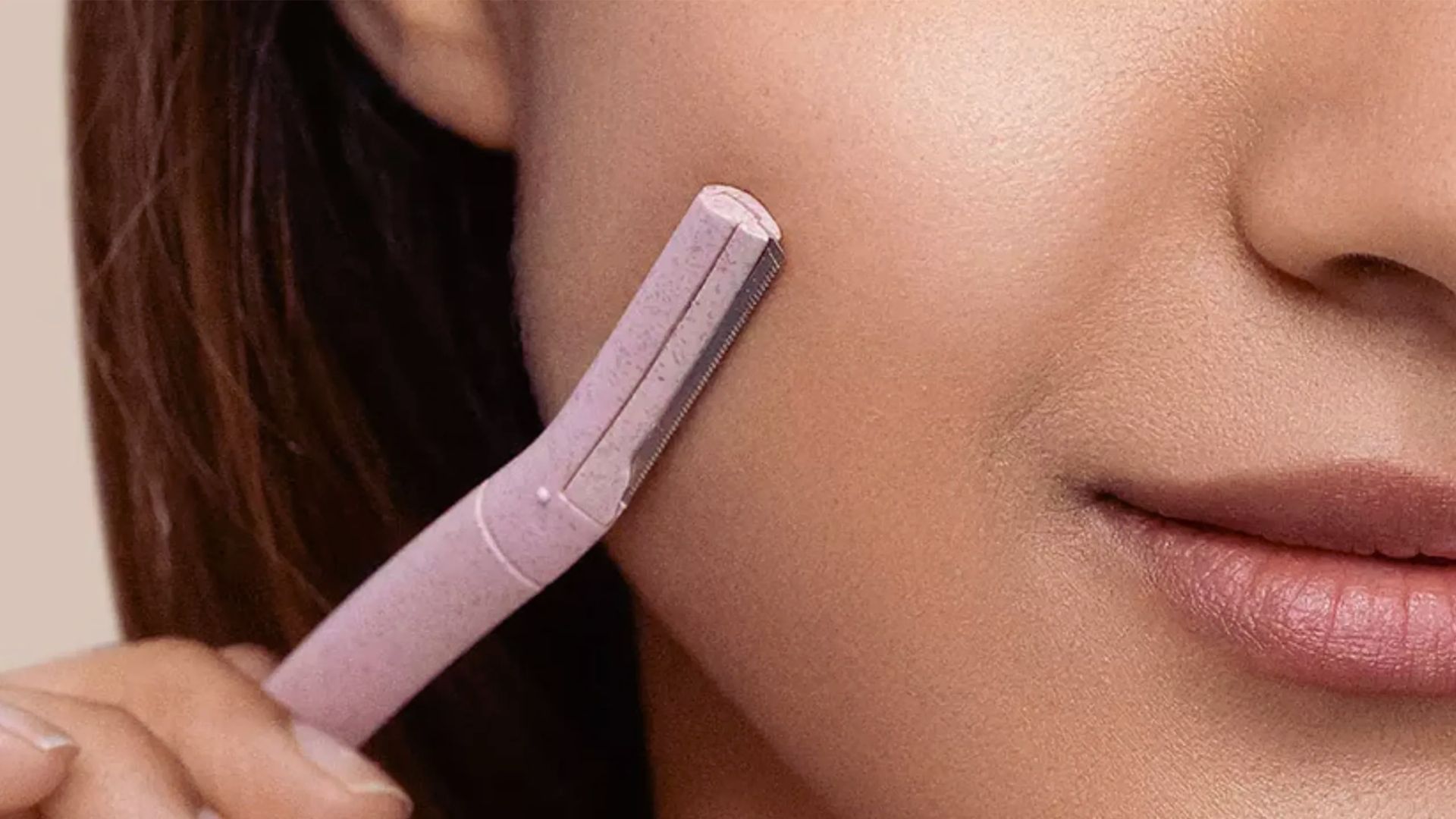
Some people skip oil and wonder if it still works.
Dry Dermaplaning vs Oil Dermaplaning
Dry dermaplaning means using the blade on bare, clean skin with no product. Some people prefer this because it gives a different level of exfoliation.
However, it increases the risk of redness and irritation, especially for beginners.
Which Method Is Better for Beginners
Oil dermaplaning is the better choice for anyone new to this. The oil creates a smooth surface that makes the blade easier to control.
It also protects the skin from friction. Once you build confidence and experience, you can try dry dermaplaning if you want.
Dermaplaning Tips for Safe and Effective Results
Small habits before and after dermaplaning can make a big difference in your results.
- Apply a gentle moisturizer right after dermaplaning
- Use SPF 30 or higher the next morning, as skin is more sensitive to sun
- Strong exfoliants like AHAs, BHAs, or retinol for 48 hours
- Hot showers or steam rooms right after
- Heavy, pore-clogging products
Conclusion
The right oil makes all the difference in your dermaplaning results.I started with jojoba oil and never looked back.
It made my first session feel smooth and stress-free. Finding what oil to use for dermaplaning at home changed how confident I felt doing it myself.
Start with a lightweight oil that suits your skin type and follow the steps. Your skin will thank you. Have you tried dermaplaning at home?
Drop a comment below and share your experience. I would love to hear what worked for you.
Frequently Asked Questions
Can I use baby oil for dermaplaning at home?
Baby oil is not recommended for dermaplaning. It is heavy, mineral-based, and can clog pores. It may also cause the blade to slip, making it harder to control safely.
Is jojoba oil safe for acne-prone skin during dermaplaning?
Yes, jojoba oil is generally safe for acne-prone skin. It is non-comedogenic and mimics the skin’s natural sebum. It helps the blade glide without triggering breakouts in most people.
How long should I wait to apply oil before starting dermaplaning?
You do not need to wait. Apply a few drops of oil to clean, dry skin right before you begin. Make sure your face is fully dry from washing before adding the oil.
Can I use rosehip oil for dermaplaning?
Yes, rosehip oil is a good option for dermaplaning, especially for normal to dry skin. It is lightweight and absorbs well. Avoid it if you have very oily or acne-prone skin.
What happens if I use too much oil during dermaplaning?
Using too much oil makes it hard to control the blade and reduces visibility. It can also cause the blade to slide in unintended directions. Always use just two to three drops per section for the best result.