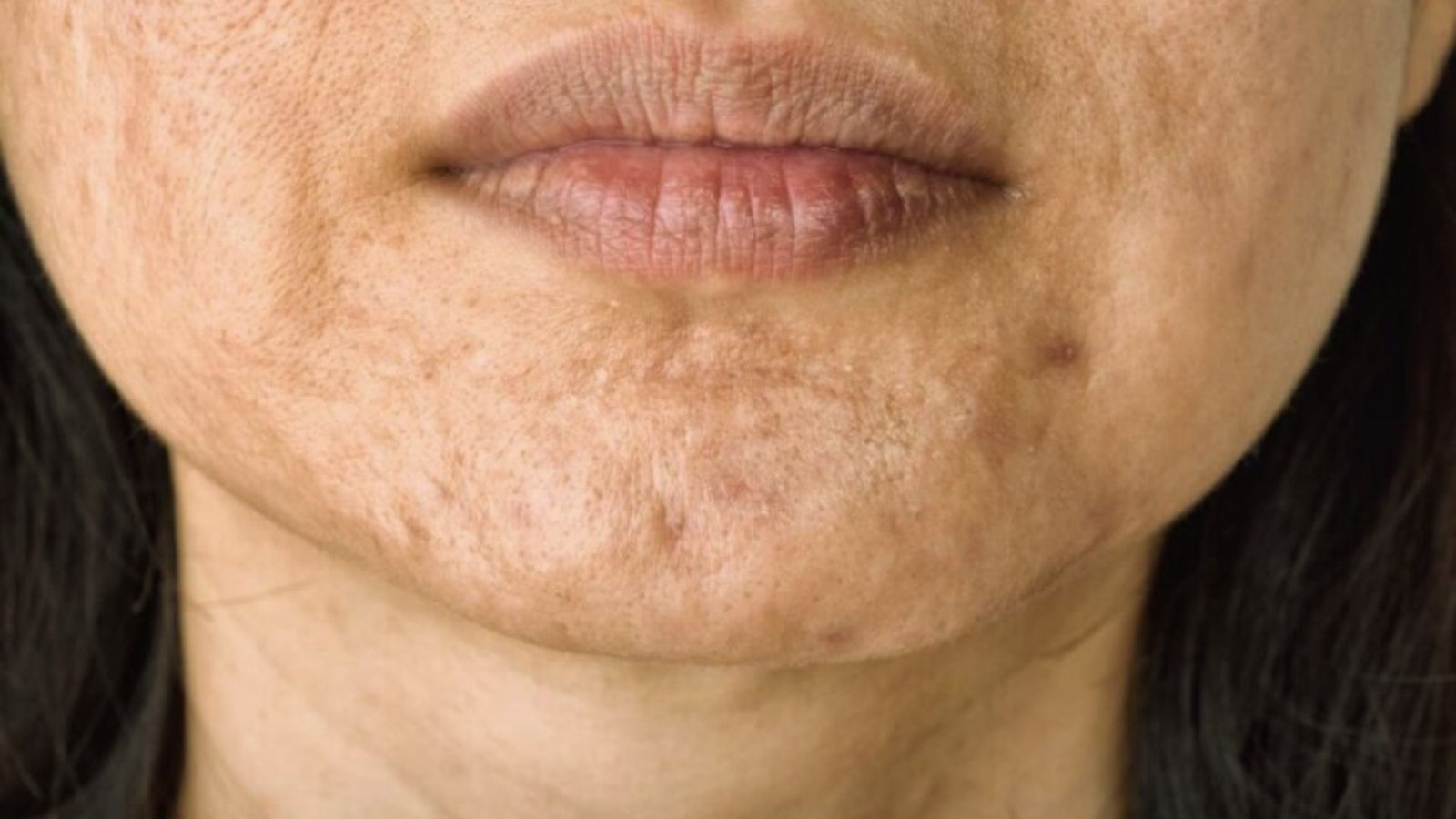
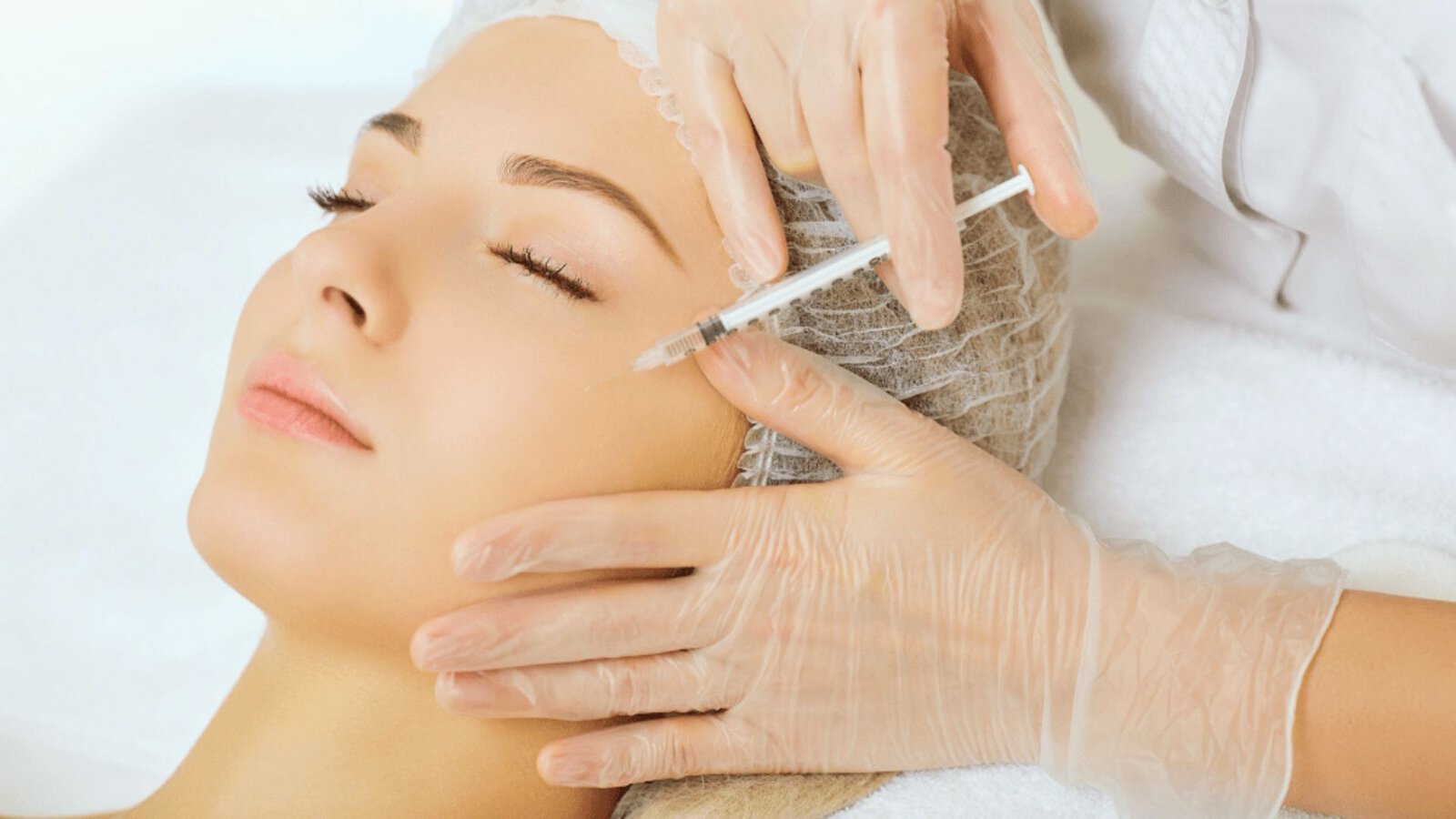
Wrinkles are a natural part of aging. But if they bother you, professional treatments can help.
This guide covers the most effective wrinkle reduction treatments available today, from Botox and dermal fillers to laser procedures and facelift surgery. You will know how each works, who it suits, and what to expect.
Having researched skincare closely and consulted with dermatologists, I can say the right treatment makes a real difference.
Read on to find the option that fits your skin, your goals, and your lifestyle.
What Are Wrinkle Reduction Treatments?

Wrinkle reduction treatments are medical procedures that reduce the appearance of fine lines and wrinkles on the face and neck.
They work in different ways depending on the cause of your wrinkles. Some relax the muscles that create repeated facial expressions.
Others restore lost volume or stimulate collagen deep within the skin.
Dynamic wrinkles form from movement, like smiling or squinting, while static wrinkles appear from aging and sun damage even when your face is at rest.
Knowing the difference helps you and your doctor choose the most effective treatment for your skin.
Top Non-Surgical Wrinkle Reduction Treatments
Non-surgical options deliver visible results with little to no downtime.
Botox and Other Neuromodulators

Botox relaxes the muscles behind dynamic wrinkles, smoothing lines on the forehead, crow’s feet, and frown lines.
Results appear within 3 to 7 days and last around 3 to 4 months. Most people return to normal activities the same day with little to no recovery needed.
Dermal Fillers

Dermal fillers restore lost volume and smooth deeper lines that Botox alone cannot fix.
Common options include hyaluronic acid fillers like Juvederm, collagen-stimulating Radiesse, and gradual-acting Sculptra. Results last anywhere from 6 months to 2 years depending on the filler type used.
Laser Skin Resurfacing

Laser treatments remove damaged skin layers and stimulate collagen production for firmer, smoother skin.
Ablative lasers give more dramatic results, while non-ablative lasers offer faster recovery. Mild redness and swelling are normal and typically fade within a few days to two weeks.
Chemical Peels

Chemical peels exfoliate the outer skin layers to remove dull, damaged cells and improve texture.
They come in superficial, medium, and deep strengths based on how much correction is needed. They work well for mild wrinkles, sun damage, and uneven skin tone.
Microneedling with PRP (Vampire Facial)

Microneedling creates tiny controlled injuries in the skin to trigger natural collagen production.
Adding PRP from your own blood boosts healing and improves firmness and texture. Multiple sessions are usually recommended for the best and most lasting results.
Surgical Wrinkle Reduction Treatments
Surgery provides longer-lasting results for those dealing with significant aging or skin laxity.
Facelift Surgery

A facelift tightens underlying facial muscles and removes excess skin to address deep wrinkles and sagging.
Recovery takes 2 to 4 weeks, with most patients returning to light activity within 10 to 14 days. Results typically last 7 to 10 years, making it one of the most long-lasting options available.
Who Should Consider Wrinkle Reduction Treatments?

Not every wrinkle needs a clinical solution, but professional treatments are worth considering for many people.
Age and Skin Condition
Adults in their late 20s and beyond can benefit from professional wrinkle treatments depending on their skin condition.
Younger patients often start with preventative options, while older patients may need a combination approach. A dermatologist will assess your skin before making any recommendation.
Lifestyle and Skin Type
Sun exposure, smoking, stress, and diet all affect how quickly wrinkles form and how long results last.
Sensitive skin types may not tolerate aggressive lasers or deep peels well. Your provider will factor in your lifestyle and skin type before suggesting any treatment.
How to Choose the Right Wrinkle Reduction Treatment

The right treatment depends on your goals, skin condition, and how much downtime you can manage.
Factors to Consider
Consider whether your wrinkles appear from movement or are visible even at rest, as this guides the right treatment.
Your age, skin type, and severity of wrinkles all play a role in the decision. Always consult a board-certified dermatologist or plastic surgeon rather than relying on social media trends.
Location-Based Considerations for Professional Treatments
In the Los Angeles area, clinics in Torrance, Venice, Santa Monica, and Los Angeles offer a full range of wrinkle reduction procedures.
Those in Texas can find reputable options in Katy and the greater Houston area. Always verify board certification, review before and after photos, and check patient feedback before choosing a provider.
Recovery, Results, and Aftercare

Recovery time varies depending on the treatment you choose.
Recovery Time by Treatment Type
Botox and fillers have almost no downtime, with minor redness or bruising fading within a day or two.
Laser treatments and chemical peels may cause redness and peeling for several days. Facelift surgery takes the longest, usually 2 to 4 weeks for full recovery.
Aftercare and Maintenance Tips
Follow all aftercare instructions from your provider and avoid sun exposure during healing. Use medical-grade skincare products and apply broad-spectrum sunscreen every day.
Stay hydrated, eat well, and keep up with your follow-up appointments for lasting results.
Risks, Side Effects, and Safety

Every medical procedure carries some level of risk, and wrinkle treatments are no different.
Common Side Effects
Redness, swelling, bruising, and mild discomfort at the treatment site are the most common reactions.
These side effects are temporary and typically resolve within a few days on their own. They are a normal part of the healing process and not usually a cause for concern.
Serious Risks and How to Avoid Them
Rare but possible risks include allergic reactions, infection, or uneven results.
Choosing a licensed, experienced provider in a proper clinical setting significantly lowers these chances. Always share your full medical history and any known allergies before undergoing any procedure.
Tips to Maximize Wrinkle Reduction Treatment Results
Getting good results does not end when you leave the clinic. What you do afterward matters just as much.
- Protect your skin with SPF 30 or higher every day, including cloudy days.
- Follow the aftercare instructions provided by your dermatologist or surgeon.
- Use medical-grade skincare products and retinoids as advised by your provider.
- Avoid smoking and limit alcohol, as both break down collagen and reduce how long results last.
- Book regular follow-up appointments to maintain and build on your results over time.
Conclusion
If you have been thinking about doing something about your wrinkles, you are not alone, and you have more options than ever before.
From quick Botox sessions to comprehensive facelift surgery, wrinkle reduction treatments can make a real difference when done by the right hands.
The key is working with a licensed dermatologist or plastic surgeon who understands your skin and your goals.
Take the first step and book a consultation. It does not have to be a big commitment.
Just a conversation that helps you figure out what is right for you. Your skin deserves that much.
Frequently asked questions
What Is the Best Age to Start Wrinkle Reduction Treatments?
Most dermatologists suggest starting in the late 20s or early 30s for preventative care. If wrinkles are already visible, treatment can begin at any age with a personalized plan.
Are the Results from Wrinkle Reduction Treatments Permanent?
Most non-surgical treatments are not permanent. Botox lasts 3 to 4 months, fillers last 6 months to 2 years, and surgical options like facelifts can last up to 10 years with proper care.
How Often Should Wrinkle Reduction Treatments Be Repeated?
It depends on the treatment. Botox is typically repeated every 3 to 4 months. Fillers may be refreshed once or twice a year. Your provider will recommend a schedule based on how your skin responds.
Does Health Insurance Cover Wrinkle Reduction Treatments?
In most cases, these treatments are considered cosmetic and are not covered by insurance. Some exceptions exist if a procedure is performed for a documented medical reason. Always check with your provider and insurer beforehand.
Is It Safe to Combine Multiple Wrinkle Reduction Treatments?
Yes, combining treatments is common and often recommended. For example, Botox and fillers are frequently used together for a more complete result. A qualified dermatologist will guide you on which combinations are safe and effective for your skin type.