
Laser hair removal gives long-term results, but aftercare decides how good those results really are.
One of the most common questions I hear is: when to exfoliate after laser hair removal?
I have seen people rush this step and end up with irritation that sets them back.
In this guide, you will learn the right time to exfoliate, how to do it safely, and what to avoid. We keep it simple and practical. Your skin deserves that care.
What Happens to Your Skin After Laser Hair Removal?
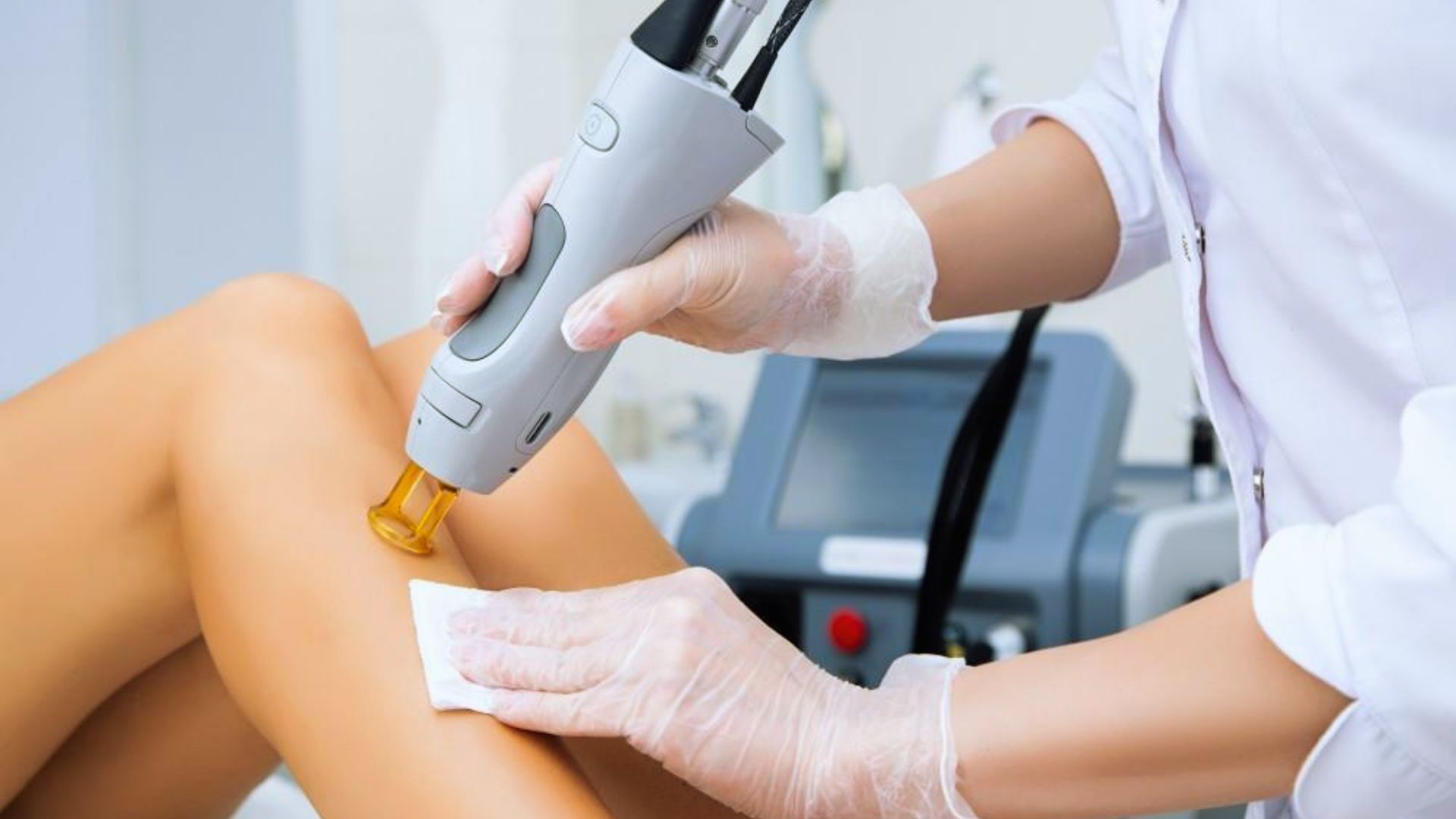
After a laser session, your skin goes through a real healing process. The laser targets hair follicles using heat, which puts stress on the surrounding skin.
It is normal to notice redness, mild swelling, dryness, or a sunburn-like feeling right after treatment.
Your skin barrier, the protective outer layer, becomes temporarily weakened. This is why rushing into exfoliation too soon causes more harm than good.
Giving your skin a few days to recover is not optional. It is the foundation of good post-laser care.
When to Exfoliate After Laser Hair Removal

Timing is everything when it comes to exfoliation after laser hair removal.
Recommended Waiting Time (3 to 7 Days Explained)
Most skin care professionals recommend waiting 3 to 7 days before exfoliating after a laser session. The exact time depends on how your skin reacts and heals.
A simple rule: wait until your skin no longer feels sensitive to the touch.
Signs Your Skin Is Ready for Exfoliation
Your skin is ready when there is no redness, burning, or stinging sensation. It should feel calm and normal, not tender when touched.
If even one of these signs is still present, wait one more day.
Risks of Exfoliating Too Early
Exfoliating too soon increases irritation and can damage your skin barrier. It slows down healing and affects how well the laser treatment works.
A few extra days of patience protects your skin and your results.
Why Exfoliation Is Important After Laser Hair Removal

Once your skin heals, regular gentle exfoliation becomes a key part of your post-laser routine.
Removes Dead Skin Cells and Improves Texture
After laser treatment, dead skin cells build up and make skin look dull. Gentle exfoliation clears that buildup and reveals smoother skin underneath.
Over time, your skin feels softer and more even.
Promotes Hair Shedding After Treatment
Treated hairs do not fall out right away. They shed gradually over days and weeks after your session.
Gentle exfoliation loosens dead skin and helps that shedding process move along faster.
Prevents Ingrown Hairs and Clogged Pores
Dead skin buildup traps hair beneath the surface, causing ingrown hairs. This is especially common in the bikini line, underarms, and legs.
Regular exfoliation keeps the surface clear and reduces small bumps after treatment.
Supports Overall Laser Hair Removal Results
Clean, clear skin between sessions helps each laser treatment work more effectively. Exfoliation gives the laser a better surface to target.
Your skin responds more consistently over time when it is properly maintained.
How to Exfoliate After Laser Hair Removal Safely
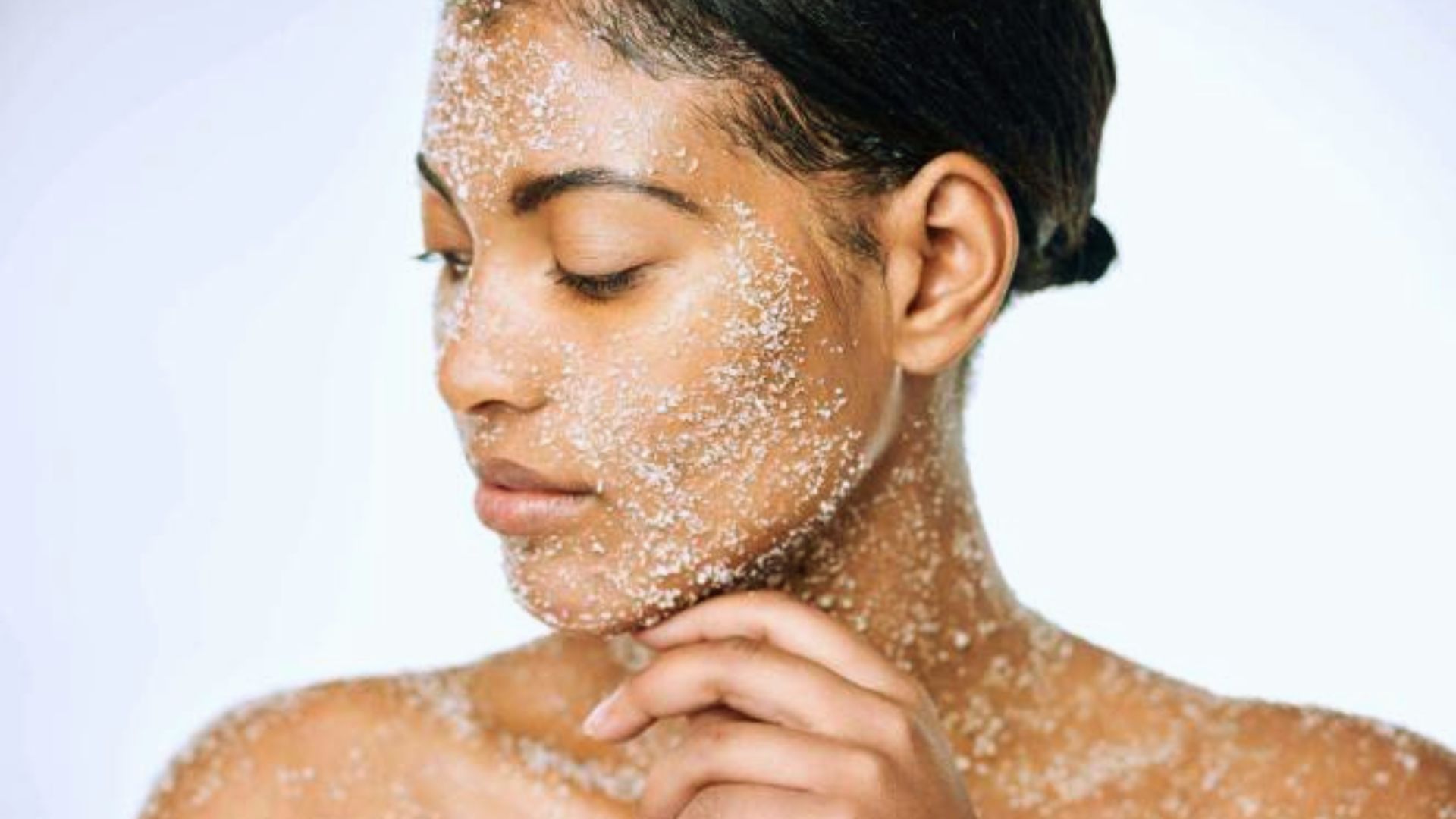
Knowing how to exfoliate is just as important as knowing when to do it.
Choosing the Right Exfoliant (Gentle Options Only)
Skip strong scrubs and high-concentration acids after laser treatment. Go for mild options like a soft washcloth, enzyme exfoliant, or a low-percentage AHA around 5 to 10 percent. \
Avoid anything with large particles, alcohol, or strong fragrance.
Step-by-Step Exfoliation Routine
Start by washing the treated area with a fragrance-free cleanser using lukewarm water.
Apply a small amount of gentle exfoliant to damp skin and use light circular motions without pressing hard. Rinse with cool water, pat dry gently, and follow with a fragrance-free moisturizer right after.
How Often Should You Exfoliate? (1 to 2 Times Weekly)
Once or twice a week is enough to keep skin clear without overdoing it.
Exfoliating too often wears down the skin barrier even with gentle products. Consistency at a lower frequency always gives better results.
Common Mistakes to Avoid After Laser Hair Removal
Avoiding these mistakes will protect your skin and keep your results on track.
- Exfoliating before the 3 to 7 day healing window is one of the most common mistakes that leads to redness and irritation
- Using rough scrubs, strong acids, or abrasive products on post-laser skin damages the skin barrier and slows healing
- Exfoliating more than twice a week strips the skin and causes more sensitivity over time
- Ignoring signs like stinging, tightness, or redness during exfoliation and pushing through anyway causes unnecessary damage
- Skipping moisturizer and SPF after exfoliation leaves skin exposed, dry, and vulnerable to sun damage
Best Exfoliants to Use After Laser Hair Removal
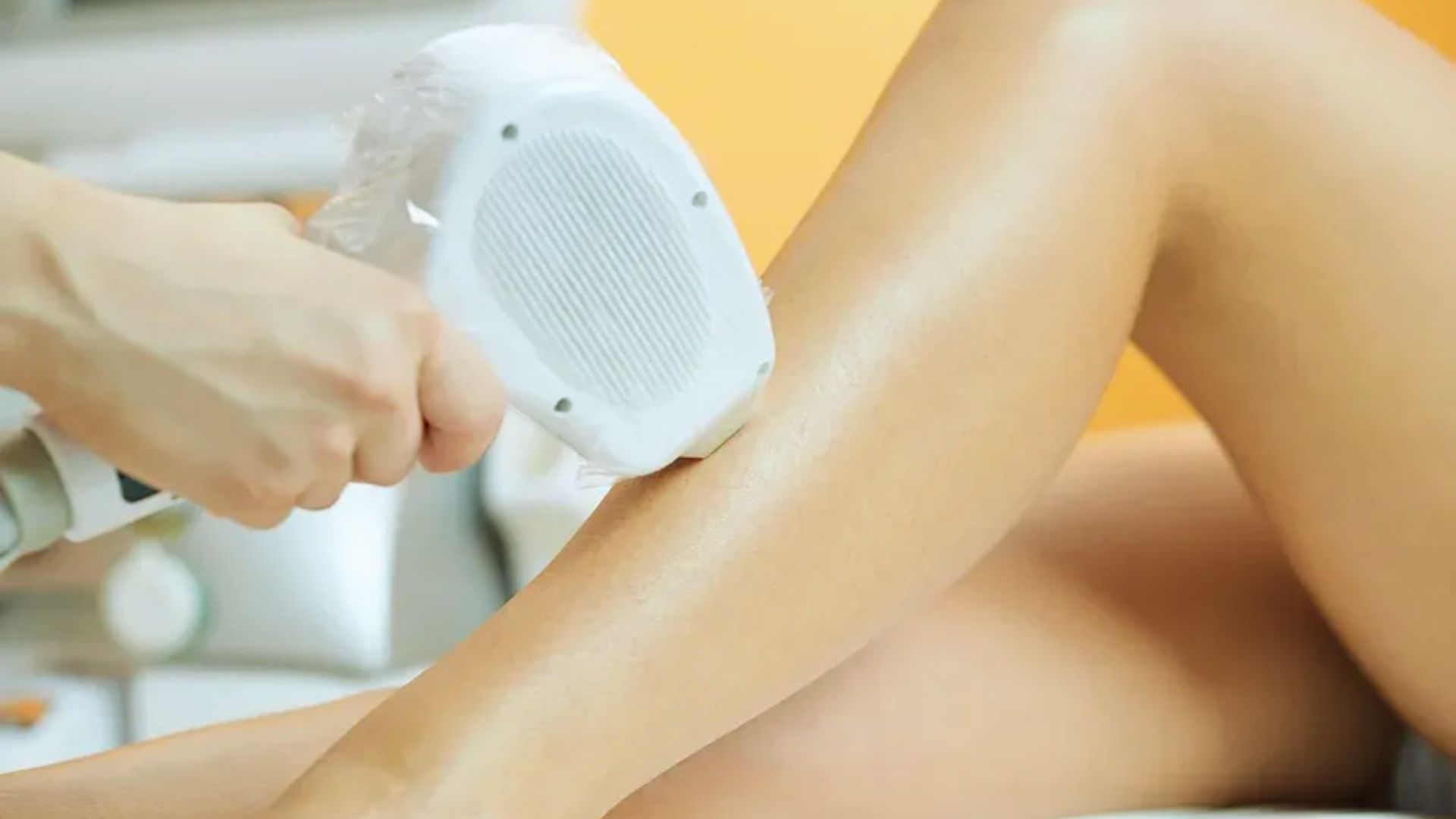
Not all exfoliants are created equal. Here is what actually works for post-laser skin.
Gentle Physical Exfoliants (Soft Scrubs, Washcloths, Gloves)
A soft microfiber washcloth or gentle exfoliating glove used with light pressure is a safe option after laser treatment.
These work well because they remove dead skin without harsh friction. Always avoid rough scrubs or large-particle products that can micro-tear healing skin.
Chemical Exfoliants (AHA, BHA, Enzymes)
Mild chemical exfoliants like lactic acid, mandelic acid, or enzyme-based products work by loosening dead skin cells without any scrubbing.
They are effective and much gentler on post-laser skin compared to physical options. Always start with the lowest concentration available and see how your skin responds before using more.
Ingredients to Avoid on Sensitive Skin
Some ingredients are too strong for skin that is still recovering from laser treatment.
Retinoids, high-percentage glycolic acid, benzoyl peroxide, alcohol-based toners, and strong fragrances can all trigger irritation. Keep these out of your routine until your skin is fully healed and back to normal.
Aftercare Tips for Best Results After Laser Hair Removal
Good aftercare between sessions keeps your skin healthy and gets you the best possible outcome.
- Wait 3 to 7 days after each laser session before you start any exfoliation routine
- Apply a fragrance-free, gentle moisturizer daily to help your skin barrier heal and stay hydrated
- Use SPF 30 or higher every morning and reapply regularly to protect freshly treated skin from sun damage
- Avoid hot showers, saunas, tight clothing, and strong actives like retinoids until skin is fully healed
- Keep your skincare routine simple and adjust it based on how your skin responds after each session
Conclusion
Taking care of your skin after laser hair removal does not have to be complicated.
Knowing when to exfoliate after laser hair removal is one of the most important steps you can take to protect your results and avoid unnecessary irritation.
I always tell people the same thing: patience is the best skincare product you have. Wait those few extra days, use gentle products, and listen to what your skin is telling you.
If this guide helped you, drop a comment below and share your experience. You can also share this post with someone preparing for their first laser session. They will thank you for it.
Frequently Asked Questions
Can I exfoliate 2 days after laser hair removal?
No, it is too soon. Your skin is still healing in the first 48 to 72 hours. Wait at least 3 to 7 days before you start any exfoliation routine.
How often should I exfoliate after laser hair removal?
Once or twice a week is the recommended amount. This keeps the skin clear without over-stripping or irritating it between sessions.
Is exfoliation necessary after laser hair removal?
It is not required, but it is very helpful. Regular gentle exfoliation supports hair shedding, prevents ingrown hairs, and keeps the skin looking smooth between treatments.
What happens if I exfoliate too early?
Exfoliating too soon can increase redness, damage the skin barrier, and slow down the healing process. It can also reduce how well your laser treatment works overall.
Which exfoliator is best after laser hair removal?
Mild chemical exfoliants like lactic acid or enzyme-based products work well. They are effective without being too harsh. Avoid rough physical scrubs or high-strength acids after treatment.