Dark spots and dull skin can feel really frustrating. I have been there, trying product after product with little to show for it.
That is when I started making a simple turmeric mask at home, and it changed my routine completely.
In this guide, you will find the best turmeric mask recipes for dark spots, acne, and glowing skin.
You will also learn how to apply them, how often to use them, and what results to expect. I have followed natural skincare routines for years, and turmeric is one ingredient that has always delivered.
What Is a Turmeric Face Mask and Why Is It Effective?

A turmeric face mask is a homemade skincare treatment made using turmeric powder mixed with natural ingredients like yogurt, honey, or aloe vera.
Turmeric contains curcumin, a compound known for its antibacterial and anti-inflammatory properties.
It helps reduce pigmentation, calm acne, and bring back a natural glow to dull skin. Homemade masks also give you full control over what goes on your skin, which means fewer chemicals and a lower chance of irritation.
For many people, that makes a real difference in how their skin responds over time.
Best Turmeric Mask Recipe for Dark Spots
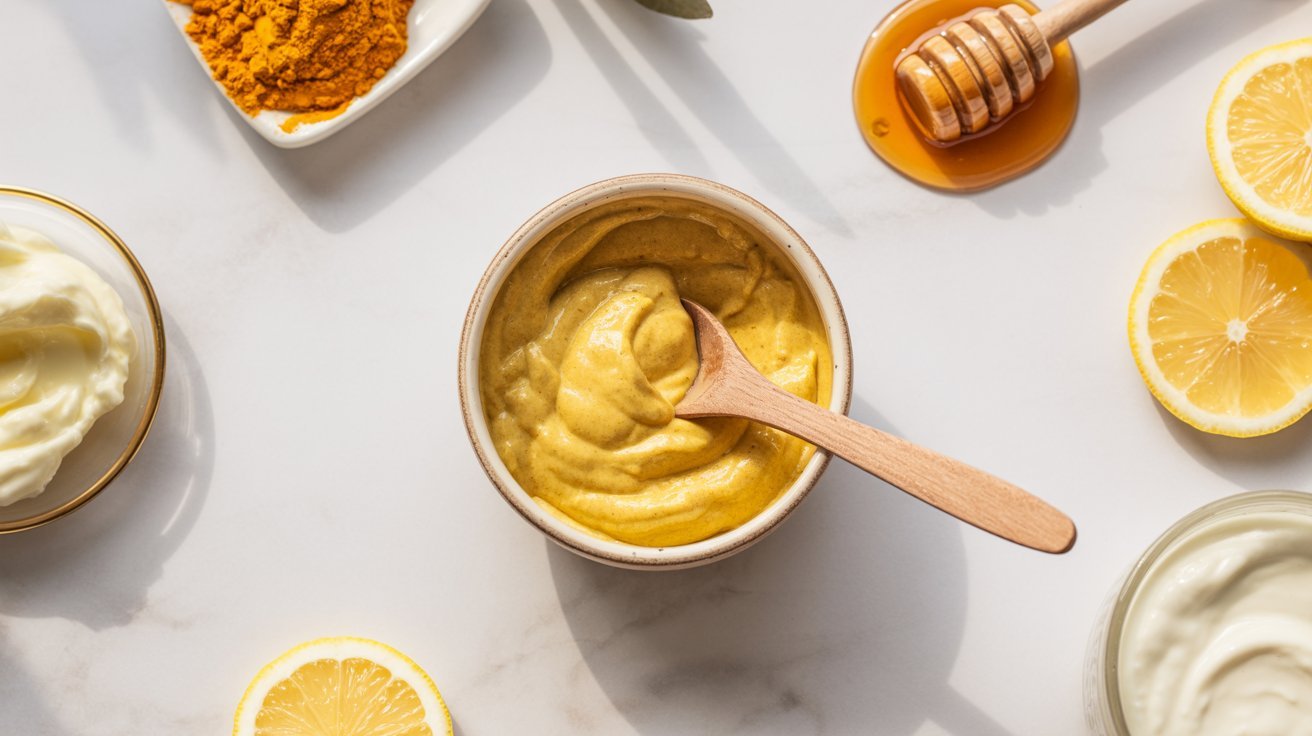
This simple recipe uses easy-to-find ingredients and works for most skin types.
Ingredients You Need
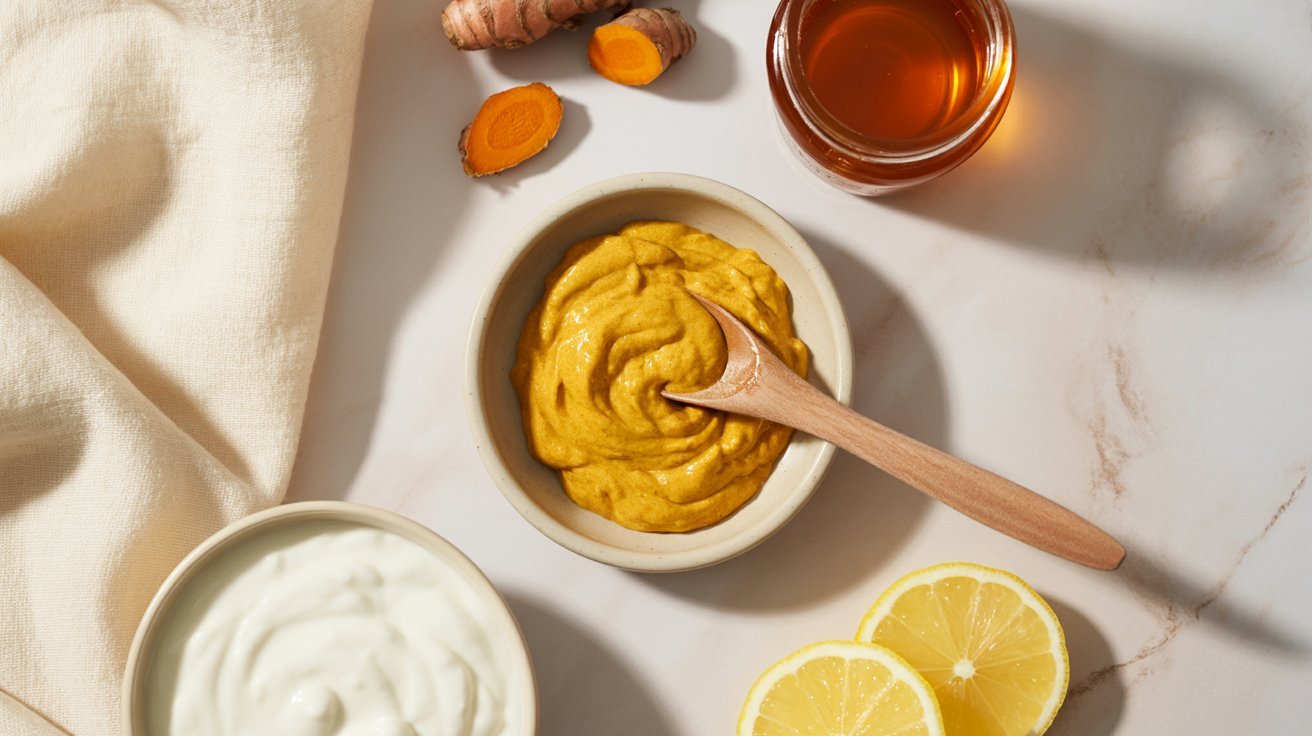
You will need one teaspoon of turmeric powder, two tablespoons of yogurt or milk, and one tablespoon of honey.
Optionally, you can add a few drops of lemon juice or apple cider vinegar. These ingredients are easy to find and work well together.
Step-by-Step Preparation Method
Mix all the ingredients in a small bowl and stir until you get a smooth paste.
If the mixture feels too thick, add a little more yogurt or milk to loosen it. Make sure there are no lumps before applying.
How to Apply for Best Results
Start with a clean face and apply the paste evenly, avoiding the eye area. Leave it on for 10 to 15 minutes, then rinse with lukewarm water.
Always apply a moisturizer right after to keep your skin hydrated.
Benefits of Turmeric Mask

Turmeric has been used in skincare for centuries and works well for several common skin concerns.
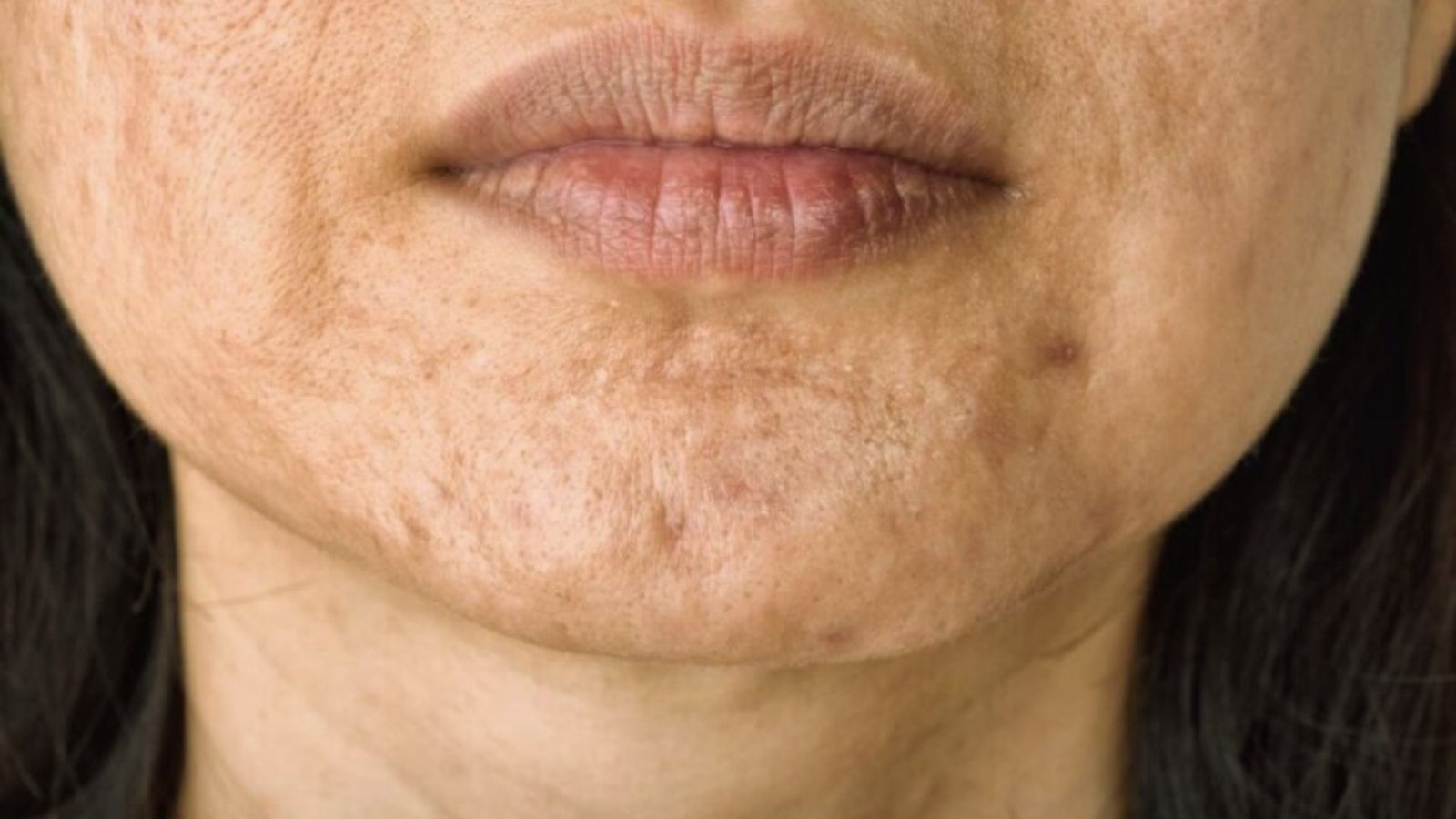
Helps Reduce Dark Spots & Hyperpigmentation
Turmeric contains curcumin, a compound that slows down melanin production in the skin. Less melanin means fewer dark spots and a more even skin tone.
Regular use can gradually make your complexion look clearer and brighter.
Fights Acne & Acne-Causing Bacteria
Turmeric has natural antibacterial properties that help reduce the bacteria responsible for breakouts.
It also works on the marks acne leaves behind. With consistent use, your skin can look noticeably cleaner over time.
Boosts Natural Glow
If your skin looks dull or tired, turmeric can help bring back some brightness.
It gently removes dead skin cells and improves surface circulation. Most people notice a visible glow even after the first use.
Soothes Inflammation & Redness
Turmeric is a well-known anti-inflammatory ingredient that calms irritated and red skin.
It is especially helpful for people with sensitive or reactive skin types. Regular use can help your skin feel more settled and comfortable.
Improves Skin Texture
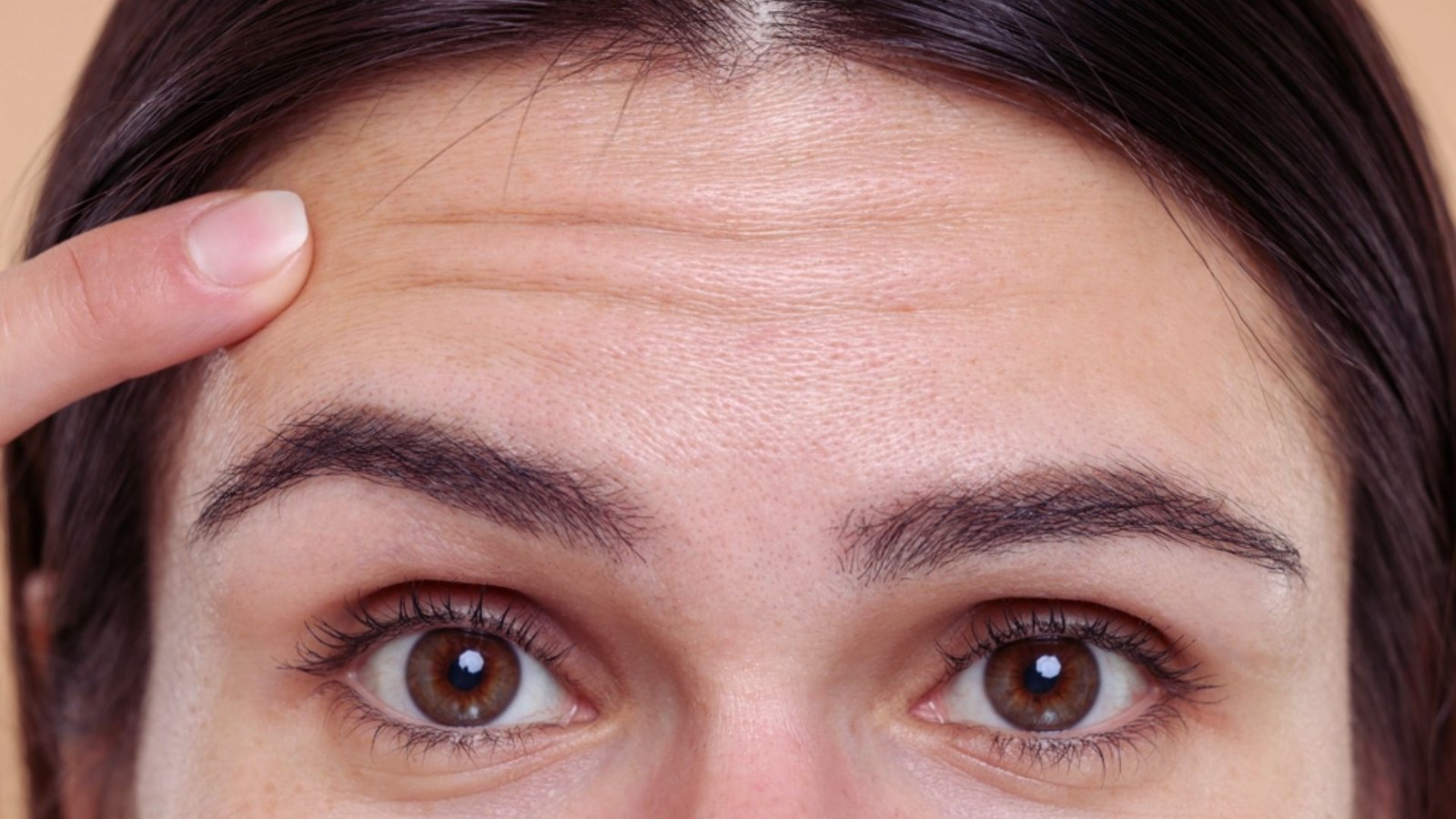
A turmeric mask gently works on rough and uneven patches over time. It helps your skin feel smoother and healthier with each use.
Consistent application is what makes the texture improvement noticeable.
Turmeric Mask Recipe for Dark Spots and Acne
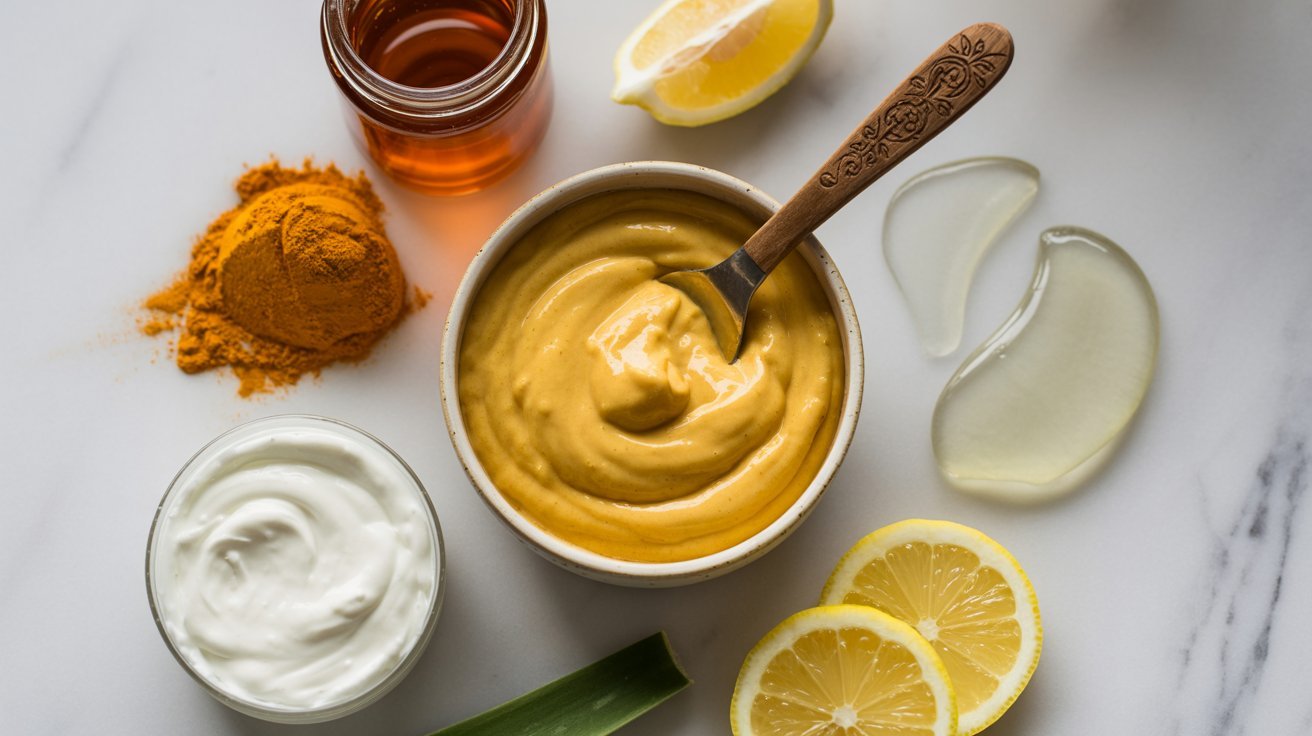
This version is designed to work specifically on acne-prone skin and stubborn dark marks.
Ingredients for Acne-Prone Skin
You will need turmeric, plain yogurt, and optionally a drop of lemon juice or tea tree oil.
Tea tree oil helps with active breakouts, while lemon juice works on brightening acne marks. Keep the amounts small to avoid irritation.
How This Recipe Works
Yogurt contains lactic acid that gently exfoliates the skin surface.
Turmeric reduces bacteria and controls excess oil at the same time. Together, they help fade marks and lower the chances of future breakouts.
How Often to Use
For acne-prone skin, use this mask two to three times per week.
If you have sensitive skin, start slowly and see how your skin reacts. Giving your skin time to adjust is important for good results.
Common Mistakes to Avoid
Small errors in how you use a turmeric mask can slow down your results or irritate your skin.
- Using too much turmeric stains your skin and causes irritation. One teaspoon is enough.
- Leaving the mask on too long dries out your skin. Rinse it off within 15 minutes.
- Skipping moisturizer after rinsing leads to dryness. Always apply it right after.
- Expecting fast results leads to giving up too soon. Natural remedies take time.
- Skipping the patch test can trigger unexpected reactions. Always test on a small area first.
How Often Should You Use a Turmeric Mask?
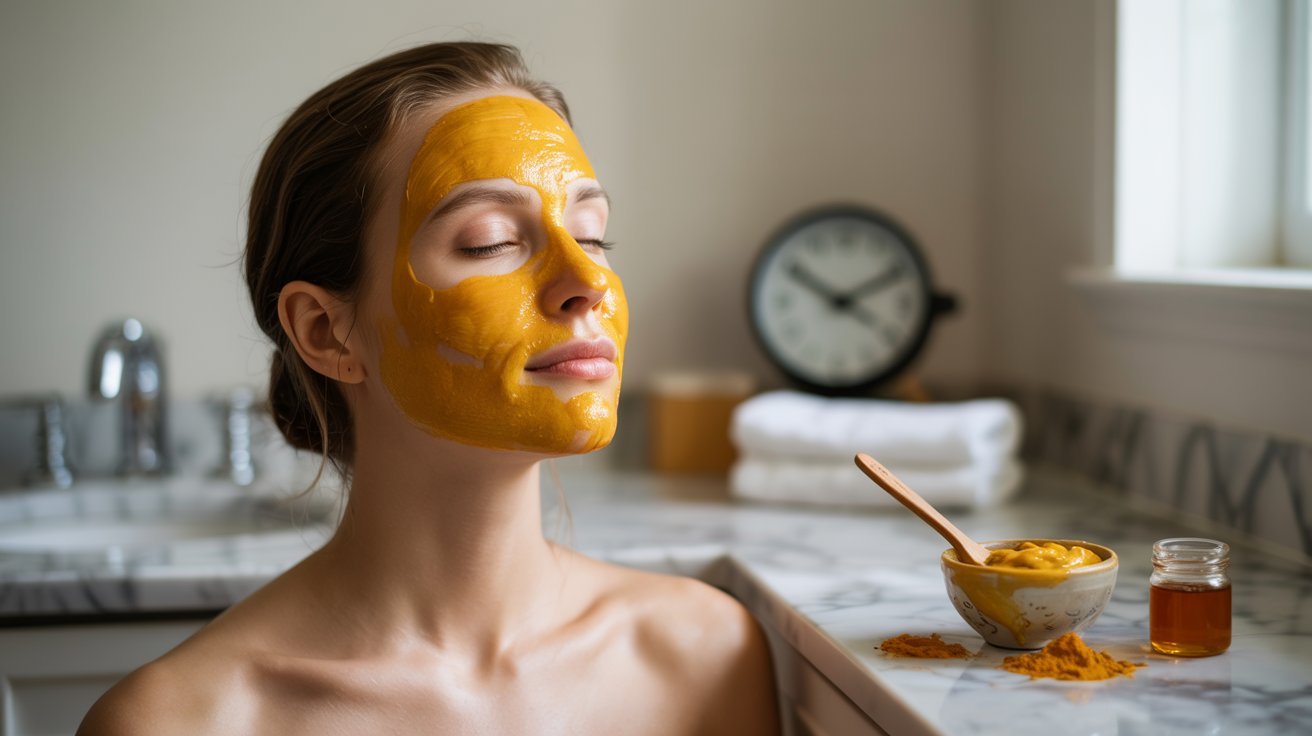
Using the mask at the right frequency helps you see results without over-stressing your skin.
For Oily Skin
Oily skin can handle turmeric masks two to three times a week without drying out. The mask helps control excess oil and keeps pores cleaner with regular use.
Just make sure to moisturize after every session.
For Dry Skin
If your skin tends to be dry, once or twice a week is enough. Using it too often can strip away natural moisture and leave your skin feeling tight.
Always follow up with a rich moisturizer after rinsing.
For Sensitive Skin
Start with once a week and watch how your skin responds before increasing frequency. If there is no redness or irritation, you can slowly move to twice a week.
Going slow is always the safer approach for sensitive skin.
Consistency Is Key
Skipping sessions too often will slow down your results significantly. Regular use is what allows the ingredients to work properly on your skin.
Stick to a schedule and give the process enough time to show real change.
Tips to Maximize Results from Turmeric Masks
A few small habits can make your turmeric mask work much better over time.
- Apply sunscreen every morning to stop dark spots from getting worse with sun exposure.
- Follow the right ingredient ratios to reduce staining and keep the mask gentle on your skin.
- Use fresh turmeric powder and natural yogurt for better results each time you apply.
- Stay consistent with your routine because regular use is what creates real and visible change.
- Keep your skin hydrated by drinking enough water and using a good moisturizer after every mask session.
Conclusion
Trying a turmeric mask recipe for dark spots was honestly one of the best decisions I made for my skin.
I was skeptical at first, but the results spoke for themselves. It takes a little patience, but it is worth it.
Start with the basic recipe, stay consistent, protect your skin from the sun, and do not skip moisturizer. Your skin will thank you for it.
If you try any of these recipes, drop a comment below and let me know how it goes. Share this post with someone who needs it!
Frequently Asked Questions
What is the best turmeric mask recipe for dark spots?
A mix of turmeric powder, yogurt, and honey is one of the most effective options for reducing dark spots. Use it two to three times a week for steady and visible results.
Can a turmeric mask remove dark spots and acne?
Yes, with regular use, turmeric may help fade dark spots and reduce acne over time. It works best when combined with a proper skincare routine that includes moisturizing and sun protection.
How often should I use a turmeric mask for dark spots?
Most skin types do well with two to three sessions per week. If you have sensitive skin, start with once a week and increase the frequency slowly based on how your skin reacts.
How long does turmeric take to remove dark spots?
You may start seeing visible improvements within four to eight weeks of consistent use. Results depend on your skin type and how regularly you apply the mask each week.
Can I make a turmeric mask for dark spots without honey?
Yes, you can easily replace honey with aloe vera gel, plain yogurt, or mashed banana. These alternatives work well for most skin types and are also a great fit for vegans.