
I’ve had so many people ask me: “What’s the difference between filler vs Botox, and which one do I actually need?” It’s a fair question, and honestly, a confusing one if you’re new to cosmetic treatments.
In this blog, I’ll break it all down clearly. You’ll learn how each treatment works, what areas they target, how long results last, and how to choose the right one for your face.
I’ve spent years researching cosmetic procedures, and I want to make this simple and helpful for you.
No guesswork. Just clear answers.Both are injectable treatments, but they work in very different ways and solve different problems.
What is Botox?

Botox is a purified protein injected into specific muscles. It temporarily relaxes those muscles to smooth out lines caused by facial expressions.
Common treatment areas include; Forehead lines, Frown lines between the brows, Crow’s feet around the eyes.
Results usually show up within 3 to 7 days. They last around 3 to 6 months. After that, the muscle movement gradually returns, and you may need a follow-up treatment.
What is Dermal Filler?
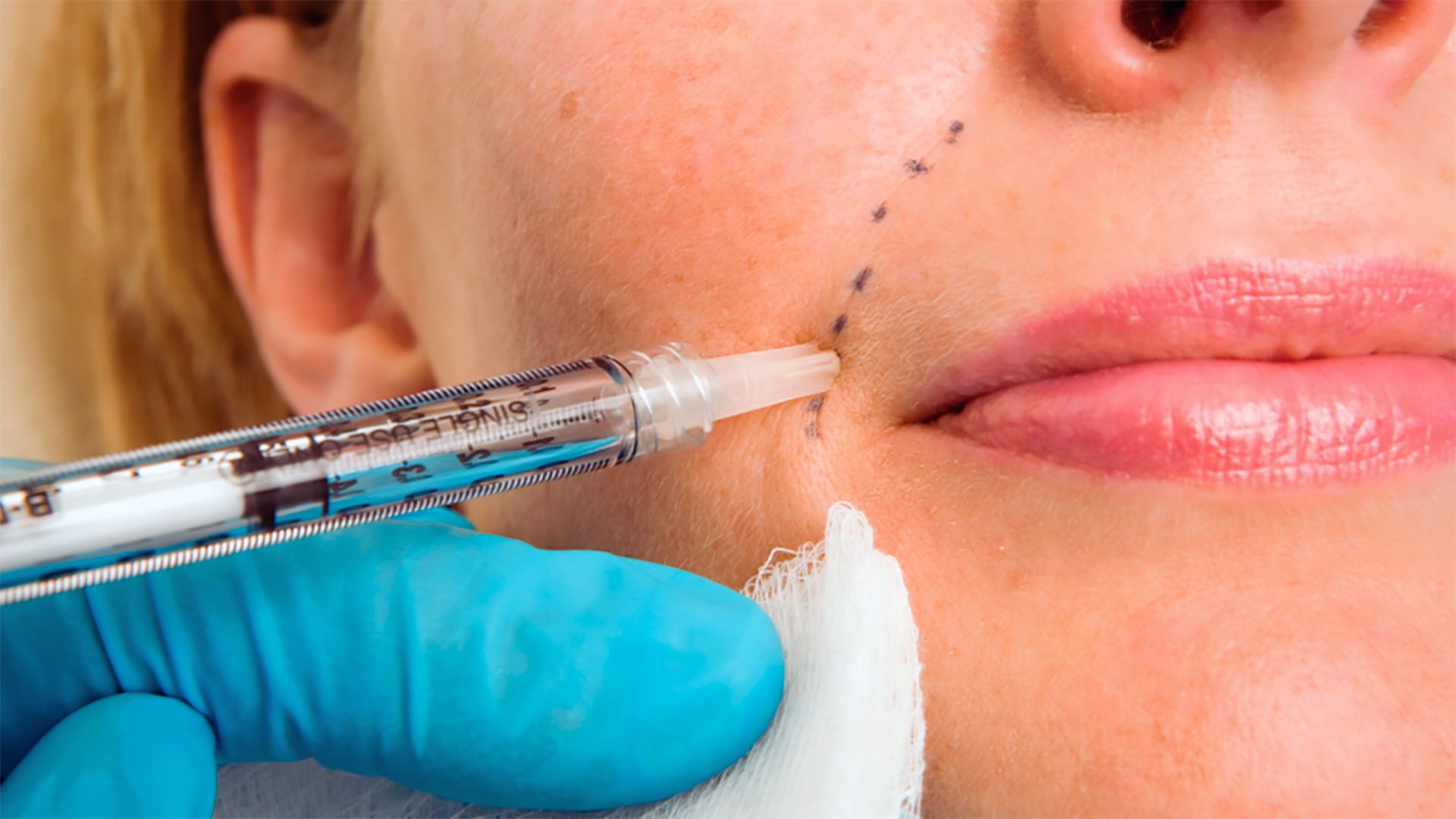
Dermal fillers are gel-like substances, most often made from hyaluronic acid, injected under the skin. They add volume and restore facial fullness that gets lost with age.
Common treatment areas include; Cheeks and midface, Lips, Under-eye hollows, Jawline and chin.
Results are visible right away. Depending on the type of filler used and the area treated, results can last anywhere from 6 months to 5 years.
Filler vs Botox Differences You Need to Know
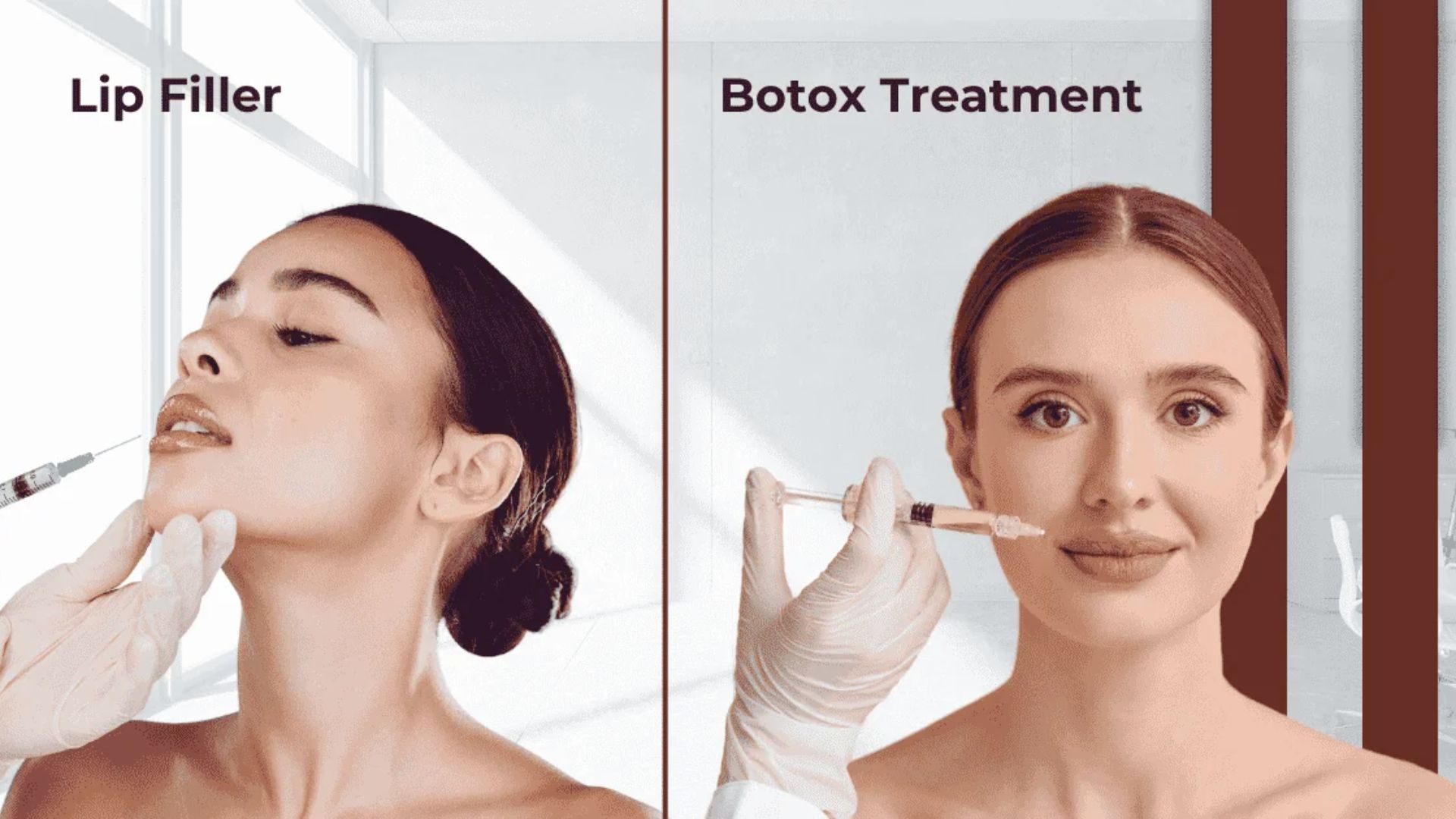
Knowing the key differences helps you make a smarter choice before booking any treatment.
Here’s a streamlined and improved version of your table with fewer but more impactful points, highlighting key differences, followed by a one-liner summary:
| Category | Botox | Dermal Filler |
|---|---|---|
| Purpose | Relaxes muscles to reduce expression wrinkles | Restores volume and contour for a youthful appearance |
| Duration | 3–6 months; repeat treatments needed | 6 months–5 years depending on area and filler type |
| Cost | $300–$1,400 per session (units vary) | $600–$1,000 per syringe; multiple syringes may be needed |
| Best Areas | Forehead, between brows, around eyes | Cheeks, lips, under-eyes, nasolabial folds, jawline |
| Onset of Effect | Appears within days | Immediate to a few days |
| Reversibility | Effects wear off naturally | Some fillers can be dissolved if needed |
| Main Goal | Smooth dynamic (movement) wrinkles | Restore volume and facial structure |
Botox softens wrinkles by relaxing muscles, while dermal fillers add volume and definition to facial features.
Can You Combine Botox and Fillers?
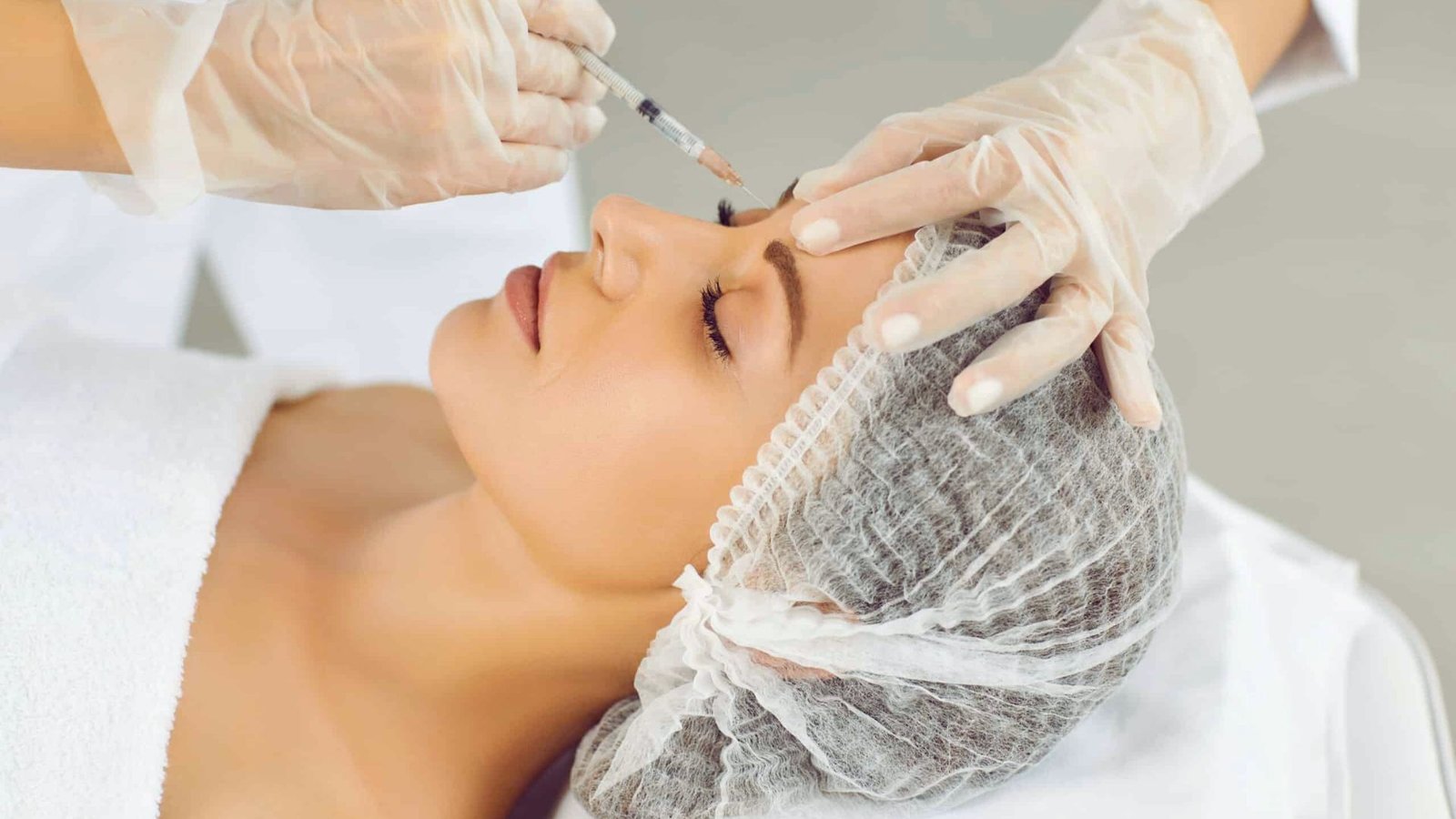
Yes, and many people do. Combining both treatments in one session is often called a “liquid facelift.”
Botox relaxes the muscles causing lines on the upper face, while fillers restore lost volume and define contours on the mid and lower face together delivering a balanced, refreshed look without surgery.
Popular combinations include Botox on the forehead and crow’s feet paired with cheek and lip filler, Botox for brow lifting with filler for under-eye hollows, and Botox to soften neck bands with filler to define the jawline.
This approach works best for those with both active wrinkles and volume loss, guided by a skilled provider.
How to Choose the Right Treatment for You

The right treatment depends on what’s bothering you most about your appearance.
Know Your Skin Concern First
If you notice lines that appear when you make expressions, like forehead creases or squint lines, Botox is likely the better starting point.
If you see a loss of fullness in your cheeks, thinner lips, or a less defined jawline, fillers may be more helpful.
Factors to Consider Before You Decide
Before booking your appointment, a few key factors can help you and your provider choose the right treatment.
Age: Younger patients often start with Botox for prevention. Older patients may benefit more from fillers to restore lost volume.
Budget: Botox costs less per session, but fillers last longer, so the long-term cost can balance out.
Goals: Are you looking to soften lines or reshape and restore? That answer guides the choice.
Lifestyle: Both treatments require minimal downtime, but you will need touch-ups every few months to a couple of years.
Why a Professional Consultation Matters
Always consult a licensed dermatologist or board-certified plastic surgeon before starting any treatment. A professional assessment makes all the difference.
Common Mistakes to Avoid With Botox and Fillers

Avoiding these mistakes can save you from poor results, wasted money, and unnecessary risks.
Choosing the Wrong Treatment for Your Concern
Many people book Botox when they actually need fillers, and the other way around. If you have volume loss but only get Botox, you will not see the results you want.
Always identify your main concern first, whether it is lines from expression or loss of fullness, before deciding on a treatment.
Going to an Unlicensed or Inexperienced Provider
One of the biggest mistakes people make is choosing a provider based on price alone. An inexperienced injector can place the product in the wrong area, leading to uneven results or complications.
Always check credentials, read reviews, and ask to see before-and-after photos before you commit to anyone.
Skipping Aftercare Instructions
A lot of people assume the hard part is over once the injection is done. But what you do in the hours and days after treatment matters just as much.
Rubbing the treated area, working out too soon, or exposing your skin to heat can affect how the product settles and reduce how long your results last.
Tips for Safe and Effective Results
Following the right steps before and after treatment keeps your results looking natural and lasts longer.
- Always choose a licensed and experienced provider. Check their credentials and before-and-after photos before booking.
- Avoid treatments from unlicensed providers or at-home injection kits. These carry serious health risks.
- Do not rub or massage the treated area for at least 24 hours after Botox injections.
- Avoid heat, saunas, and heavy exercise for 24 to 48 hours post-treatment.
- Stay upright for a few hours after Botox to prevent the product from migrating.
Conclusion
Choosing between filler vs Botox really comes down to what your skin needs. Botox smooths expression lines, and fillers bring back lost volume. Both are safe when done by the right hands.
My honest take? Start with a consultation. A good provider will look at your face, hear your goals, and guide you to what actually works for you. I’ve seen people walk in unsure and walk out with a plan they felt good about.
Got questions or experience to share? Drop a comment below. I’d love to hear from you.
Frequently Asked Questions
Is Botox or filler better for first-time users?
It depends on your concern. Botox is a good starting point for expression lines, while fillers are better suited for volume loss or lip enhancement.
Does getting Botox or filler hurt?
Most people feel a small pinch during the injection. Providers often use numbing cream or ice beforehand to keep you comfortable throughout the session.
Can fillers be reversed if I don’t like the results?
Yes, hyaluronic acid fillers can be dissolved with an enzyme called hyaluronidase. This gives you a safe option if you are unhappy with how the filler looks.
How soon can I see results from Botox and fillers?
Filler results are visible right after treatment. Botox takes 3 to 7 days to show full effect, with the final results settling in around two weeks.
Are Botox and fillers safe long-term?
Both have strong safety records when administered by licensed professionals. Regular use does not cause permanent damage, but treatments should always be done responsibly and in moderation.