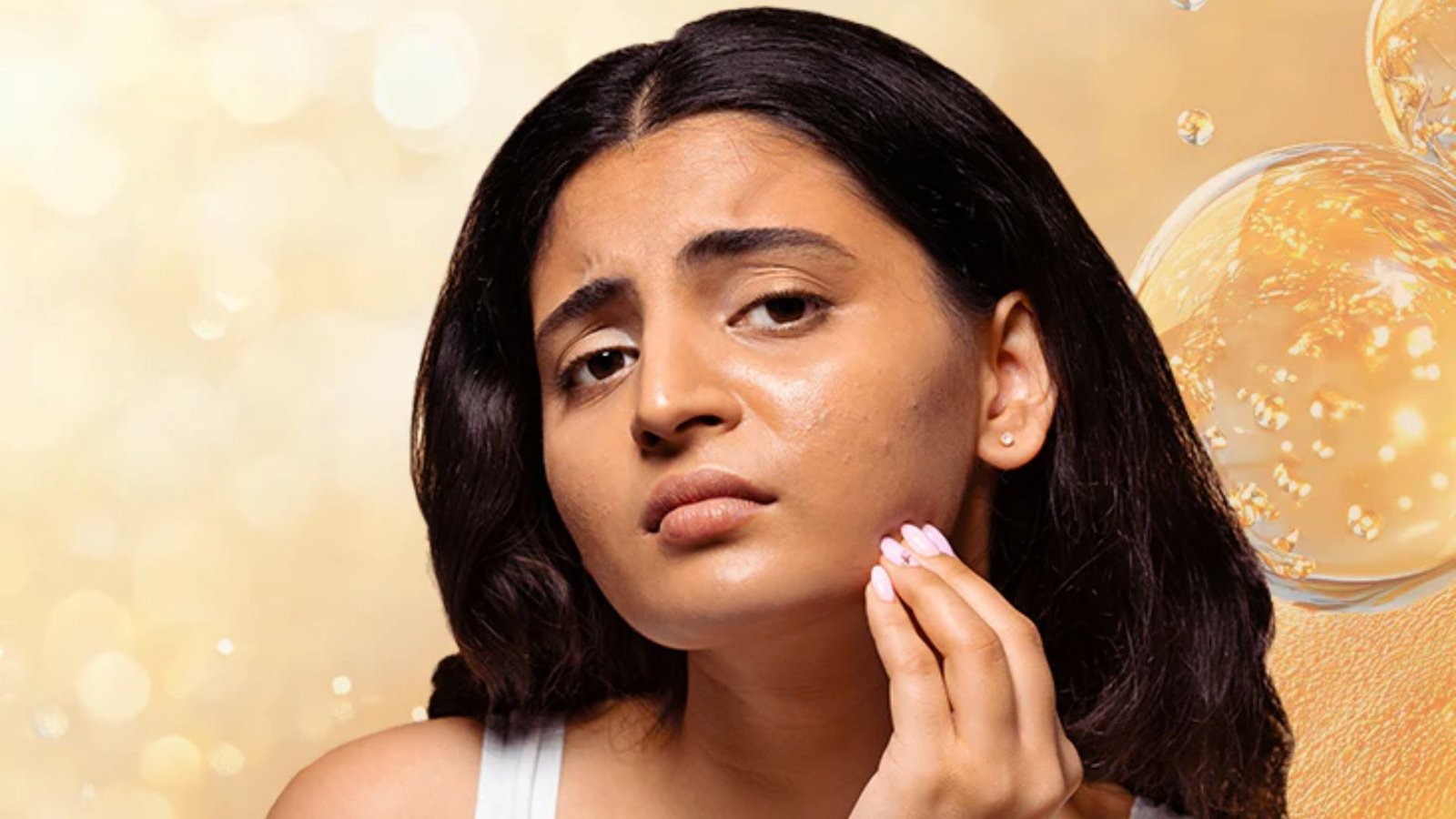
Can dehydration cause acne? I asked myself this same question after noticing breakouts every time I skipped water for a few days.
It felt frustrating. You wash your face, use the right products, and still wake up to new pimples.
I have spent time researching this topic and speaking with skincare professionals.
In this article, I will walk you through how dehydration affects your skin, why it may be triggering your acne, and what you can do about it.
With over a decade of skin health research reviewed, this blog gives you honest, expert-backed answers.
Understanding Dehydration and Its Effect on Skin
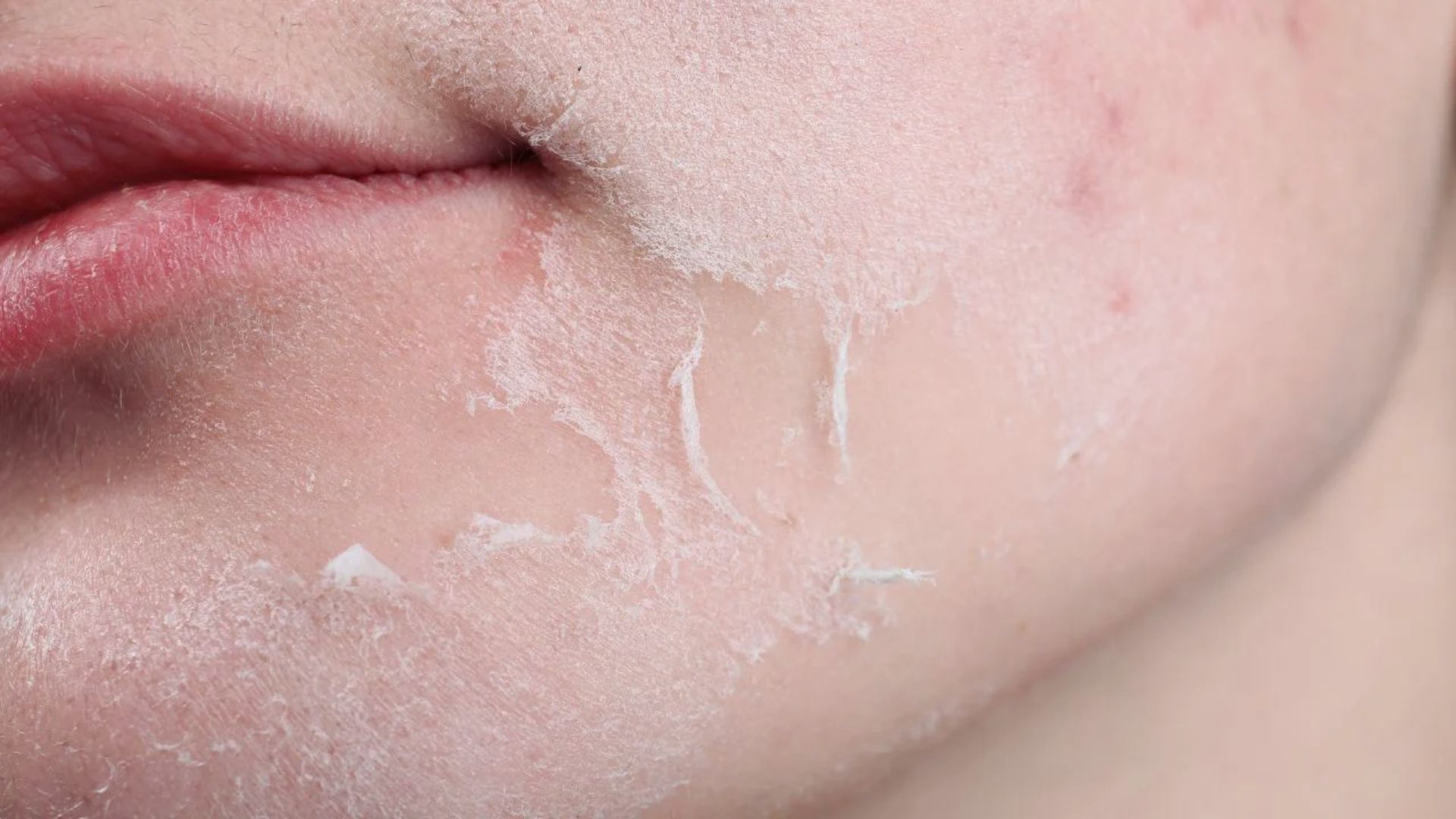
Many people mix up dehydrated skin and dry skin. Dry skin is a skin type. Dehydrated skin is a condition that anyone can have, even people with oily skin.
When your body lacks enough water, your skin is one of the first places to show it. Water plays a big role in keeping your skin barrier strong.
It helps flush out toxins, supports cell turnover, and keeps your skin soft and balanced.
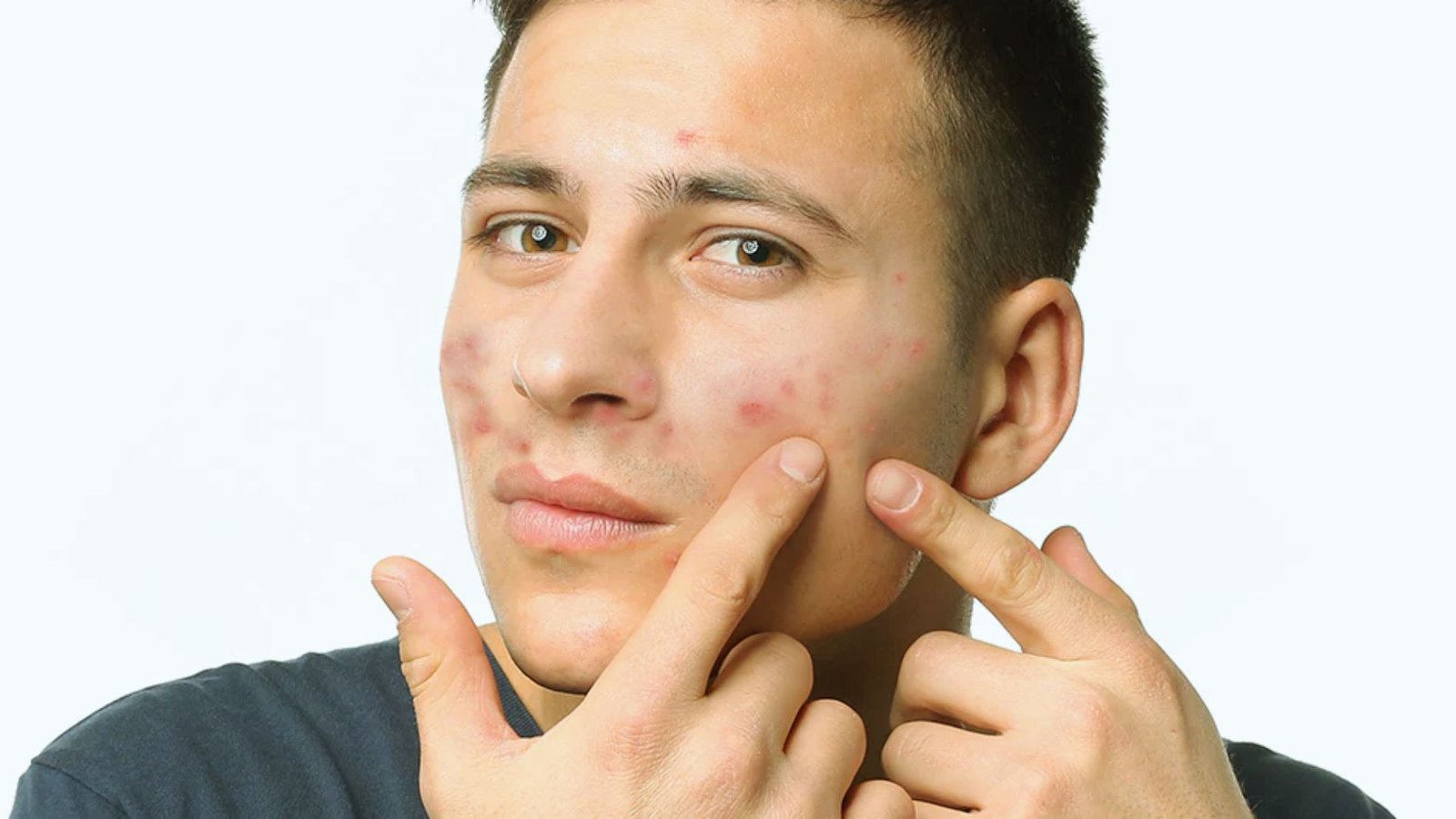
Can dehydration cause acne on the face? Yes, it can. When your skin does not get enough water, it starts to lose its ability to function properly.
The barrier weakens. Toxins build up. And your skin reacts.
How Dehydration Can Lead to Acne
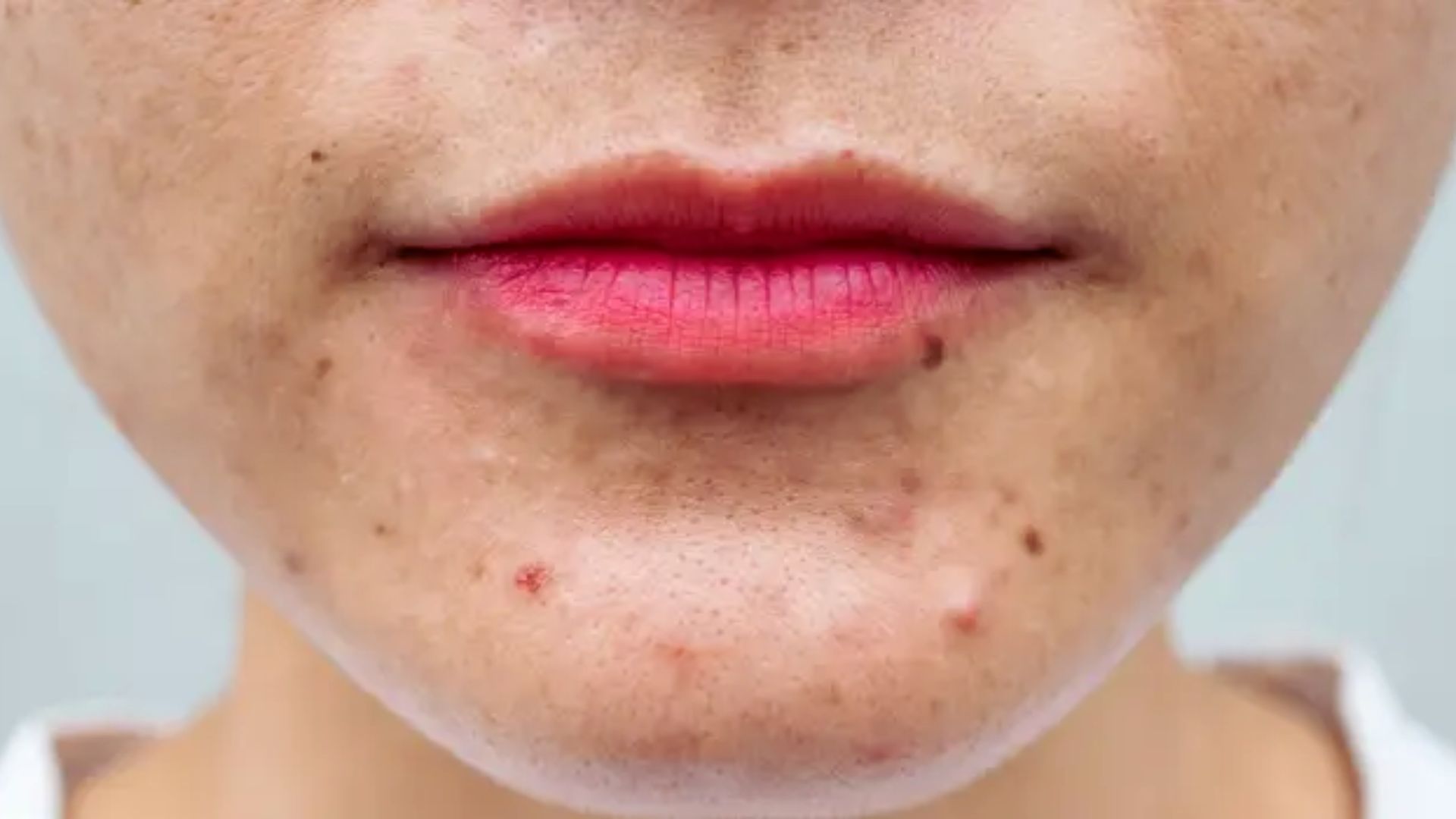
Here is a closer look at why low water levels in your body can result in clogged pores and breakouts.
Oil Production Goes Into Overdrive
When your skin feels dry or dehydrated, it sends signals to your oil glands. The glands then produce more sebum to compensate.
Too much oil mixes with dead skin cells and clogs pores. Clogged pores lead to acne.
Dead Skin Cells Build Up
Healthy skin sheds dead cells regularly. But when dehydrated, this process slows down. Old cells pile up on the surface.
They block pores and create the perfect environment for bacteria to grow.
Inflammation Increases
Dehydrated skin becomes more sensitive. The skin barrier breaks down, letting in irritants and bacteria. Your body responds with inflammation.
That inflammation shows up as redness, swelling, and acne.
Hormonal and Cellular Effects
Dehydration can raise cortisol levels. Cortisol is a stress hormone that is closely linked to acne flare-ups.
On a cellular level, when skin cells do not get enough water, they cannot repair or regenerate properly. This slows healing and makes existing acne worse.
Signs Your Acne May Be Linked to Dehydration
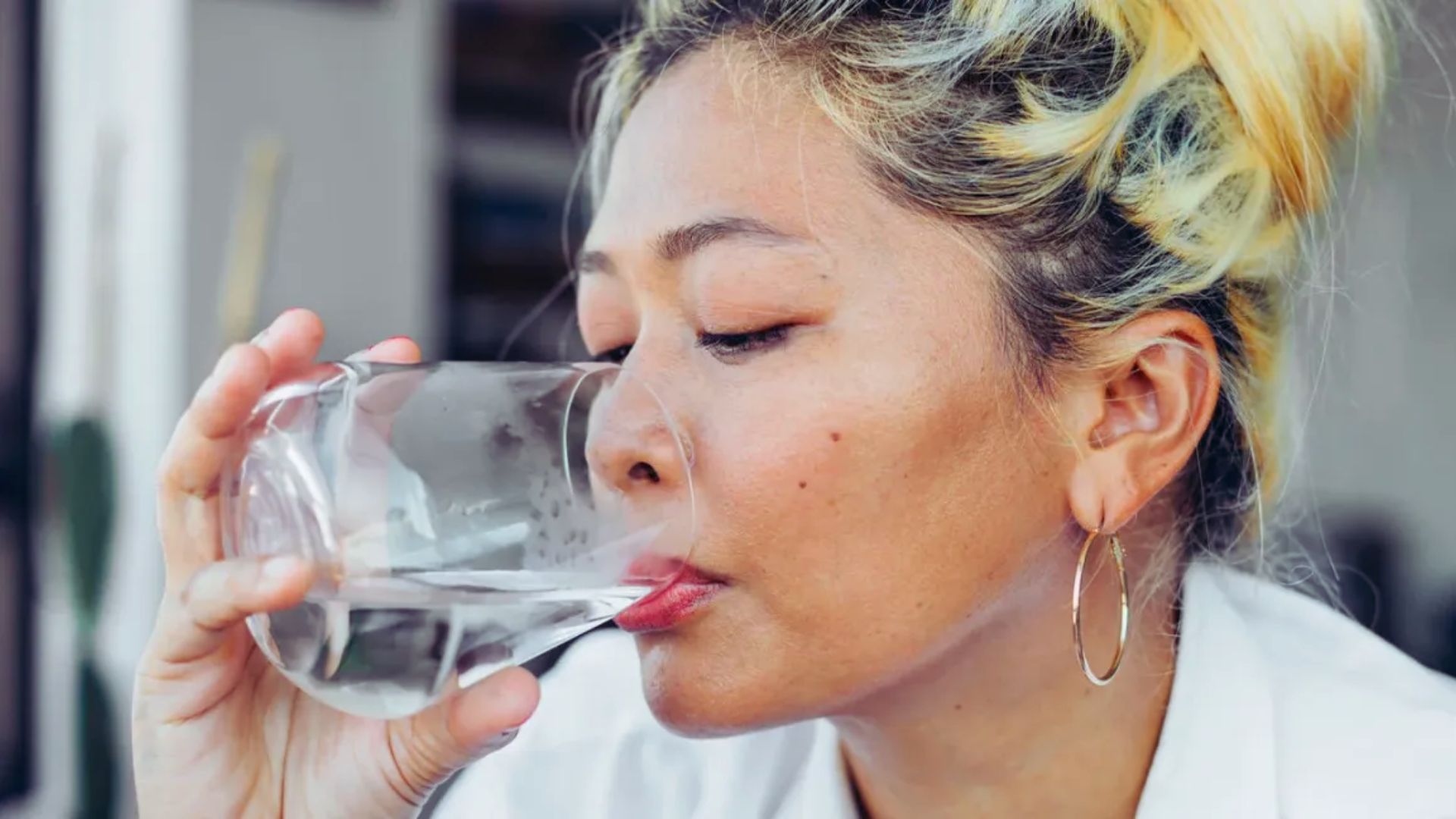
It can be hard to tell if your acne is from dehydration or another cause. But there are some clear signals to look for.
Physical Signs on Your Skin
Your skin often gives you early warnings. Look out for these changes
- Your skin feels tight but also looks oily
- You notice dullness or a lack of glow
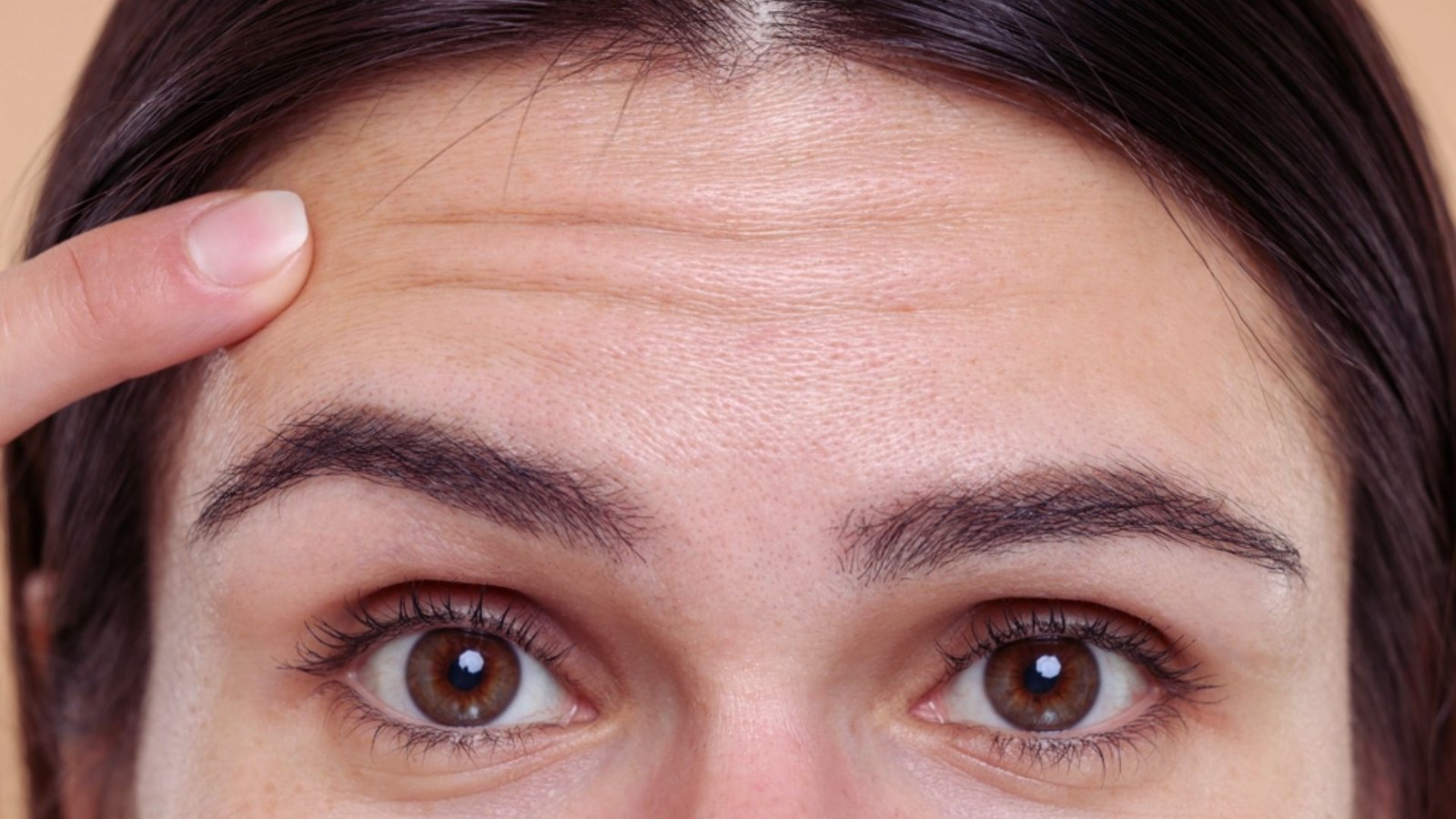
- You see fine lines that were not there before
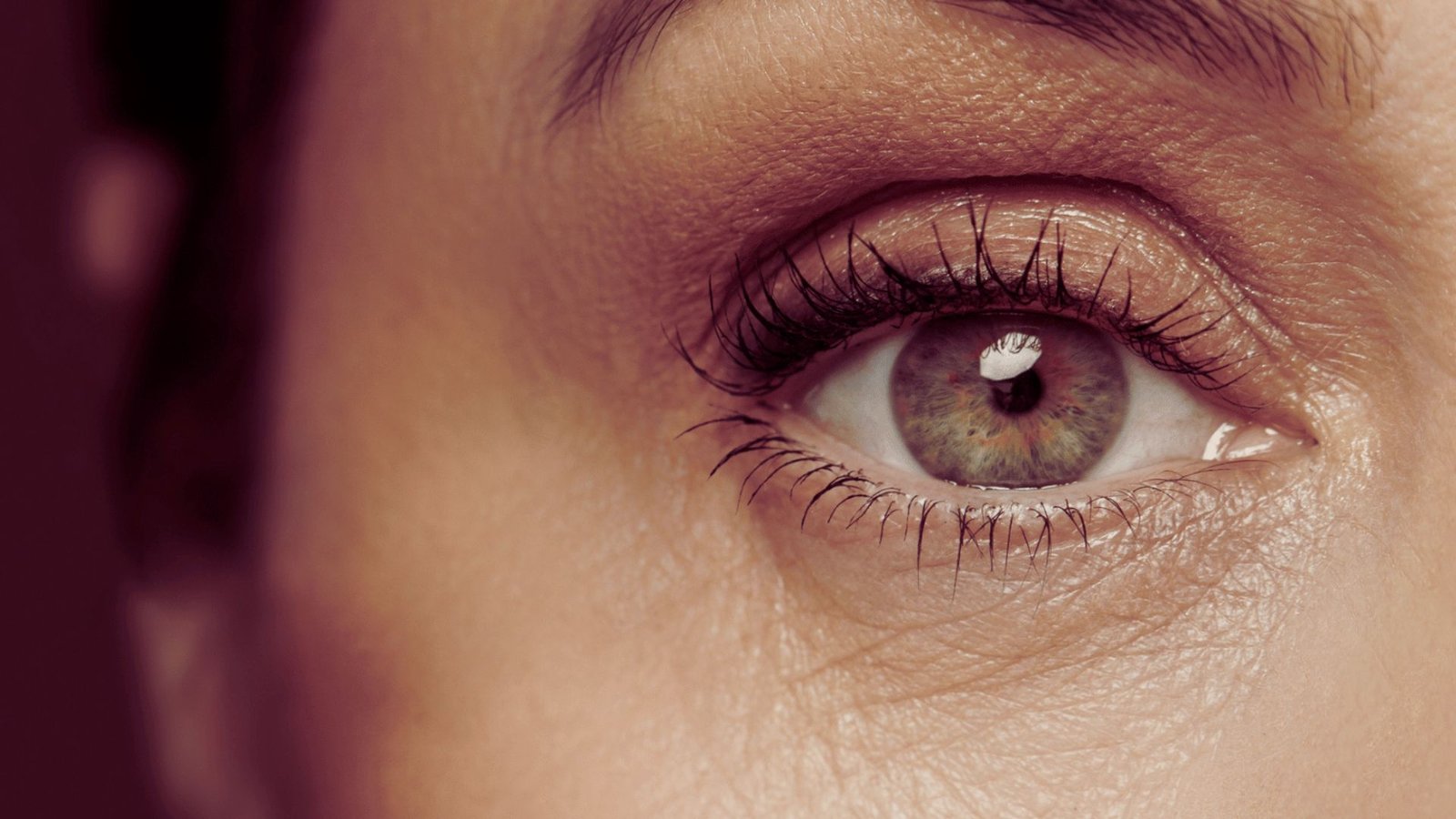
- Dark circles under your eyes seem worse
These are not just cosmetic concerns. They are your skin telling you it needs more water.
Breakout Patterns That Point to Dehydration
Can dehydration cause acne breakouts? Absolutely. The way your breakouts appear can tell you a lot about the cause.
If your pimples show up suddenly and mostly on your face, dehydration may be playing a role.
Breakouts that come and go based on how much water you drink are a strong sign. If your skin also feels tight or dull during those flare-ups, your water intake is very likely the problem.
Paying attention to these patterns can help you connect the dots before reaching for another acne product.
Expert Insights: What Research and Dermatologists Say

Science and skin experts agree that hydration plays a bigger role in acne than most people think.
What the Research Actually Shows
A study published in Skin Research and Technology found that increased water intake improved skin density and reduced roughness in just four weeks.
This proves that hydration has a real, measurable impact on how your skin looks and functions.
How Dehydration Affects Acne-Prone Skin
Acne-prone skin is more reactive to changes in hydration. When the skin barrier weakens, bacteria like Cutibacterium acnes grow faster and trigger more breakouts.
What Dermatologists Recommend
Most skincare professionals suggest treating dehydration before targeting acne directly. Many patients see fewer breakouts simply by drinking more water and switching to gentler, hydrating products.
Hydration and Skincare Tips for Clear Skin
These simple, expert-approved habits can help you keep your skin hydrated and your breakouts under control.
- Drink at least eight glasses of water daily and add water-rich foods like cucumbers, watermelon, and leafy greens to your diet.
- Switch to a gentle, non-foaming cleanser and use an alcohol-free toner to protect your skin barrier.
- Use serums with hyaluronic acid, niacinamide, and peptides to hydrate, calm inflammation, and strengthen your skin.
- Cut back on caffeine and alcohol as both pull water from your skin cells and can worsen breakouts.
- Apply a lightweight, non-comedogenic sunscreen every day to prevent moisture loss and protect your skin barrier.
Conclusion
Can dehydration cause acne? Yes, and more often than people realize. I used to overlook how much water I drank, thinking it had nothing to do with my skin.
Once I made hydration a daily priority, my breakouts reduced significantly.
The solution is not just one thing. It is drinking more water, choosing the right skincare products, and being consistent.
If your acne does not improve, please consult a dermatologist. They can help you find the root cause.
Try these tips for two weeks and see how your skin responds. Share your experience in the comments below!
Frequently Asked Questions
Can drinking more water clear up acne?
Drinking more water alone may not clear acne completely, but it helps improve skin function and can reduce breakouts linked to dehydration over time.
How do I know if my acne is caused by dehydration?
Signs include tight, dull skin with sudden breakouts, increased oiliness, and dark under-eye circles appearing alongside facial acne. These often improve with better hydration.
Can dehydration cause acne on the face specifically?
Yes. The face is often the first area affected because facial skin is more sensitive and exposed. Dehydration can trigger oil overproduction and inflammation that leads to facial acne.
What should I drink to help prevent acne from dehydration?
Water is the best option. You can also drink herbal teas and eat water-rich fruits and vegetables. Avoid sugary drinks and excessive caffeine, which can worsen dehydration.
How long does it take to see skin improvements after hydrating better?
Most people notice a difference in skin texture and breakout frequency within two to four weeks of consistently improving their water intake and using hydrating skincare products.