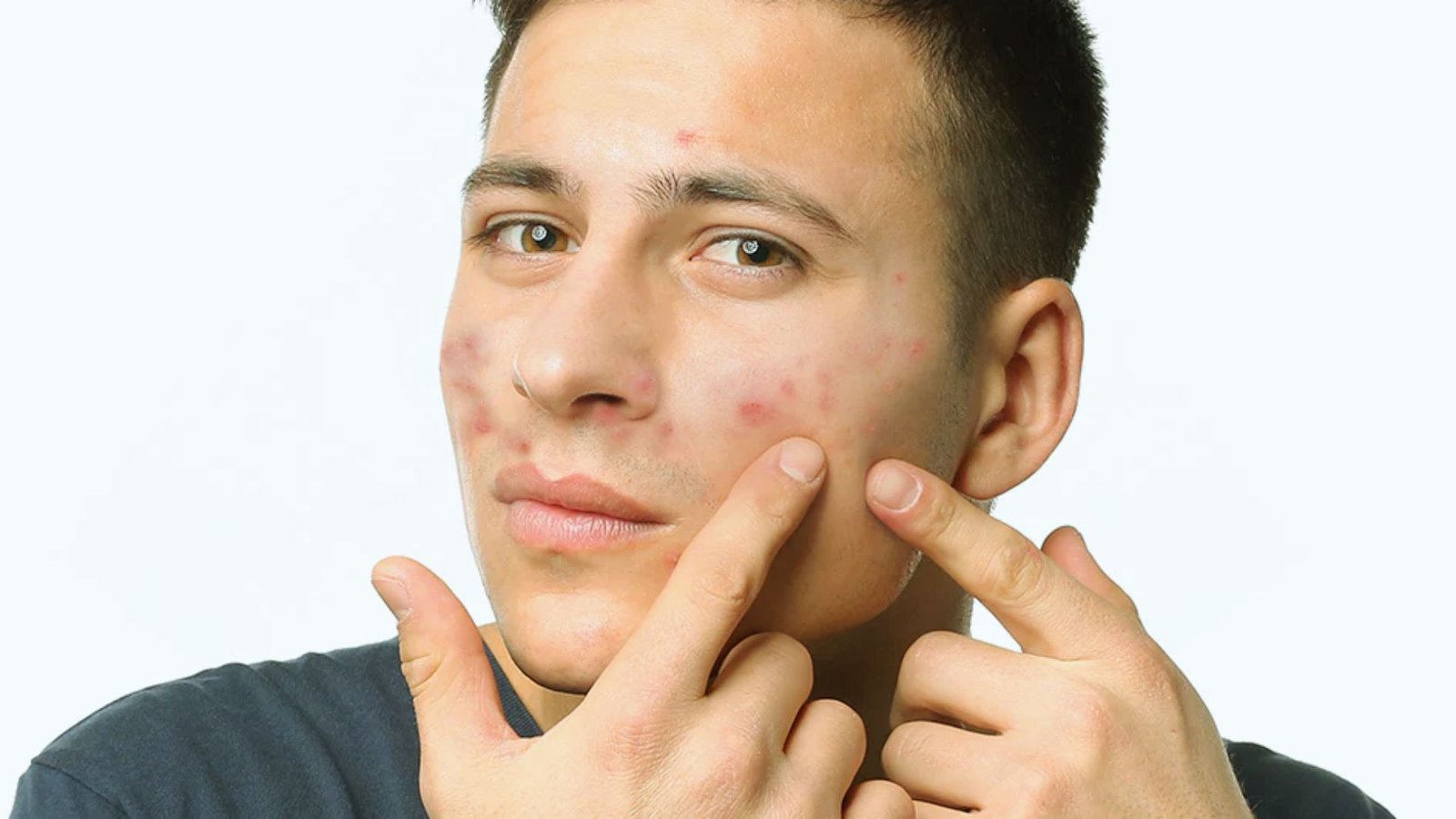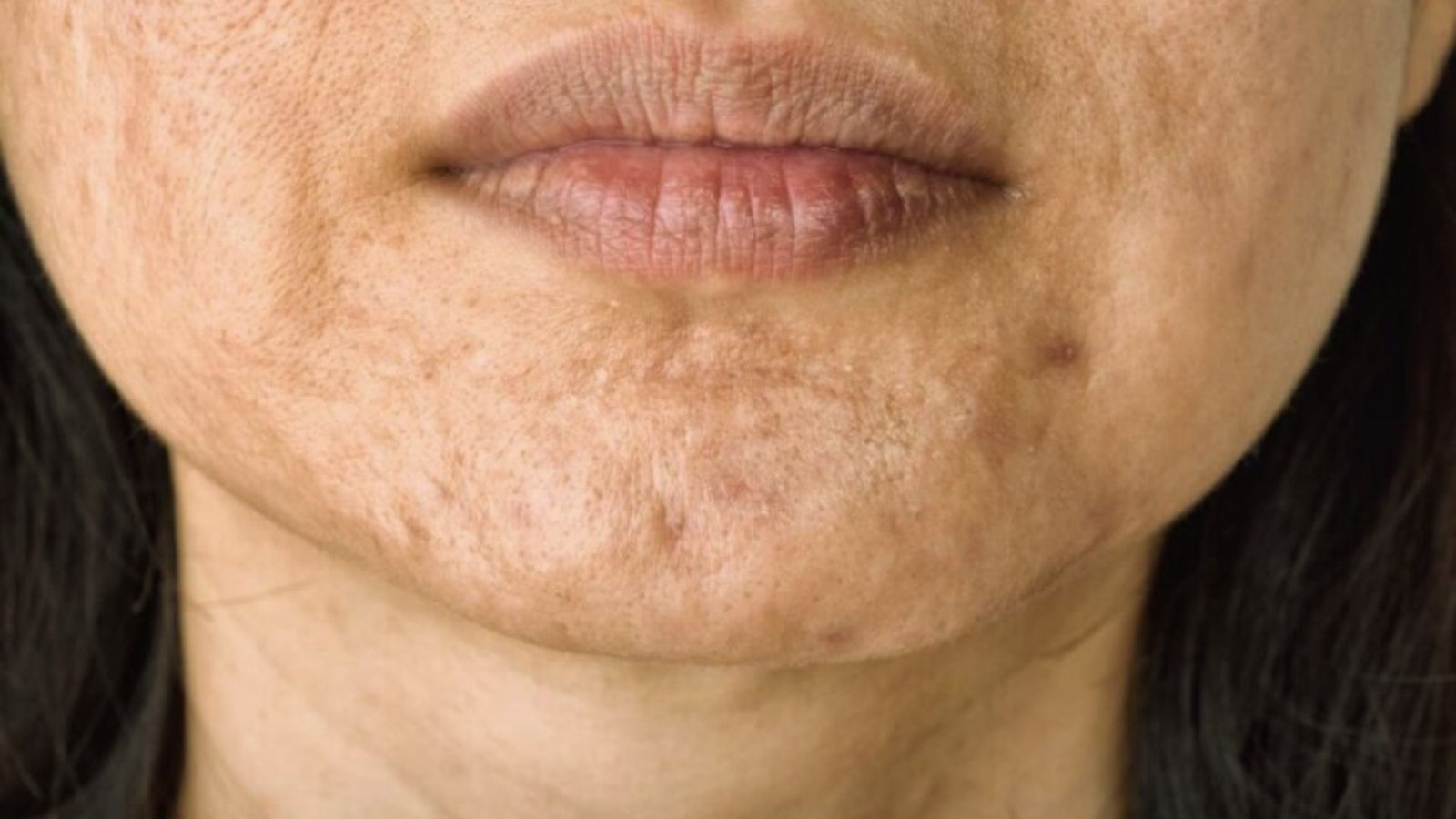
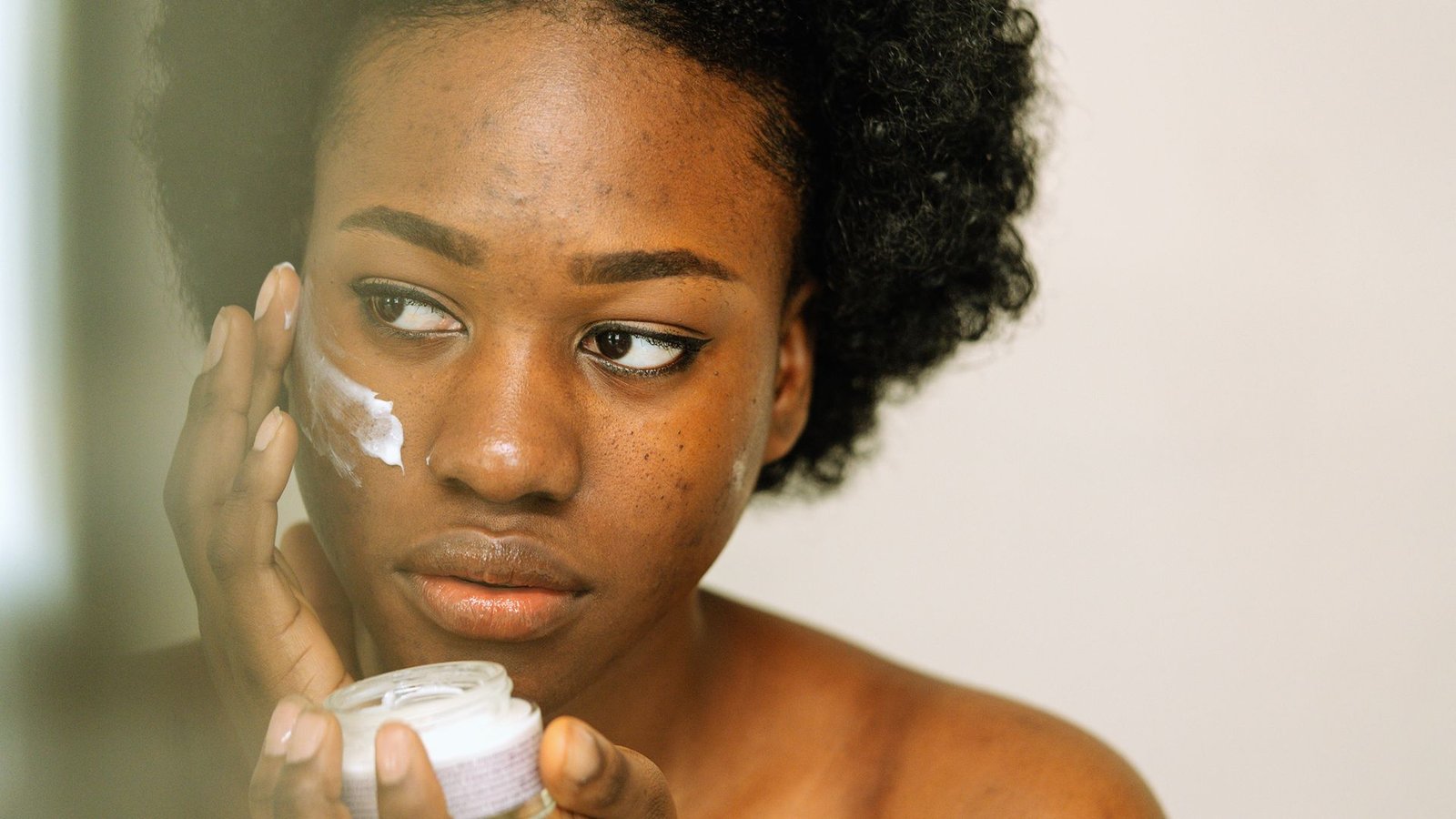
I used to blame my moisturizer for every breakout. So I stopped using it altogether. My skin got dry, flaky, and somehow broke out even more.
Can moisturizer cause acne? It can, but the real problem is usually the wrong formula or too much product.
I have dealt with acne-prone skin for years, so I know what actually works.
In this article, I will cover which ingredients trigger breakouts, how to apply moisturizer the right way, and the best options for acne-prone skin.
Why Proper Moisturization Matters for Your Skin

Moisturizing is not just about soft skin. It plays a direct role in keeping breakouts away.
A strong skin barrier locks in hydration and keeps out bacteria and irritants. When your skin stays balanced, your oil glands do not go into overdrive.
Less excess oil means fewer clogged pores and calmer skin overall. Hydrated skin also heals faster after a breakout and fades marks more quickly.
Skipping moisturizer does not clear acne. In fact, it often makes things worse by throwing your skin’s natural balance completely off track.
Understanding Moisturizers and Acne

Not all moisturizers work the same way. Knowing the basics helps you pick the right one for acne-prone skin.
What Moisturizers Do for Your Skin
Moisturizers trap water in the skin using three key ingredient types: humectants, emollients, and occlusives.
Humectants like hyaluronic acid pull water in, emollients smooth the surface, and occlusives seal moisture in. Using the right formula actually helps keep oil balanced, not worse.
Common Myths About Moisturizers and Acne
Two myths keep most people from moisturizing correctly. The first is that all moisturizers worsen acne. Heavy formulas can clog pores, but lightweight, non-comedogenic options calm inflammation instead.
The second myth is that skipping moisturizer clears skin. Dry skin overproduces oil to compensate, which only leads to more breakouts.
Can Moisturizer Cause Acne?
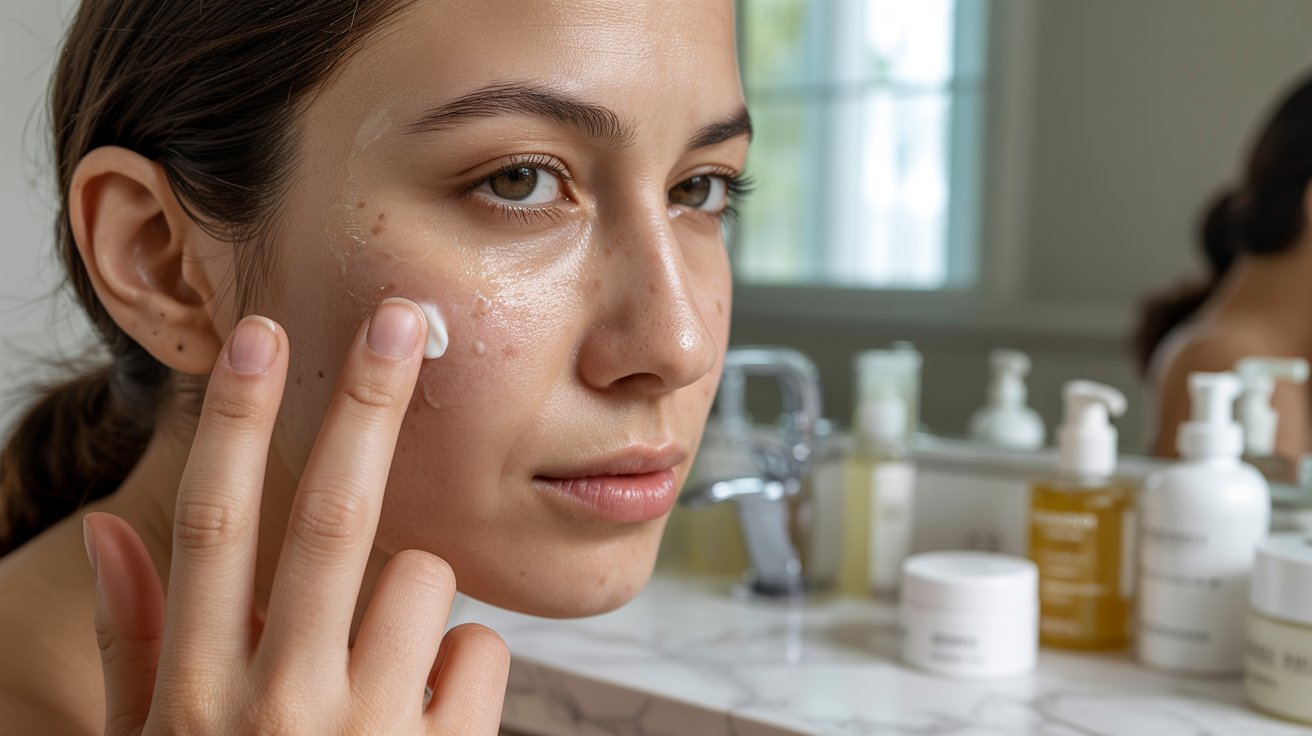
Yes, but the real issue is usually the wrong formula or too much product, not moisturizing itself.
How Over-Moisturizing Can Lead to Breakouts
Applying too much leaves a thick layer on the skin that mixes with dead cells and bacteria. This buildup clogs pores and causes blackheads, whiteheads, and inflamed spots.
One to two pumps is enough for most skin types.
Ingredients That May Trigger Acne
Mineral oil, petroleum, parabens, and artificial fragrances are common pore-cloggers to avoid. Short-chain alcohols like SD alcohol can dry out and irritate the skin.
Fatty alcohols like cetyl alcohol are safe and do not clog pores.
Choosing Acne-Safe Moisturizers
Look for non-comedogenic, water-based, or gel-based formulas that absorb quickly without leaving residue.
The best ingredients for acne-prone skin include hyaluronic acid, niacinamide, salicylic acid, ceramides, and probiotics. These hydrate, calm redness, and keep pores clear without triggering breakouts.
Signs You Are Over-Moisturizing
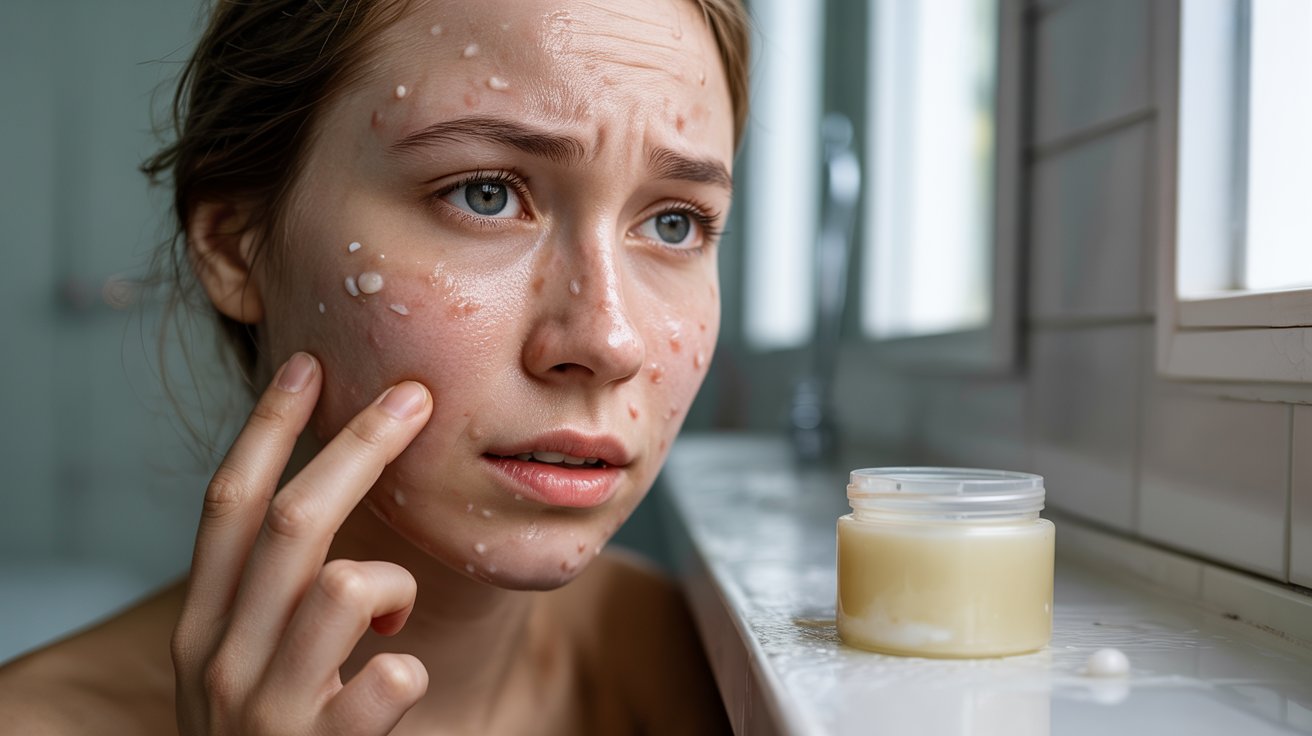
Your skin gives clear signals when your moisturizer routine is doing more harm than good.
Clogged Pores and Frequent Breakouts
If breakouts increase after starting a new moisturizer, the formula may be too heavy. Small bumps and blackheads around the nose and chin are common signs.
Switch to a lighter product and cut back on the amount you use.
Excess Oil Production and Tight Skin
Too much moisturizer can disrupt your skin’s natural oil regulation and cause congestion. Your skin may feel heavy, greasy, or overly slick after application.
This usually means the formula is too rich for your skin type.
Redness, Irritation, or Rashes
Red, itchy, or rashy skin after moisturizing is a sign of an ingredient reaction. Fragrance and preservatives are the most common triggers.
Stop using it right away and check the ingredient list to find the cause.
How to Use Moisturizer Without Causing Acne
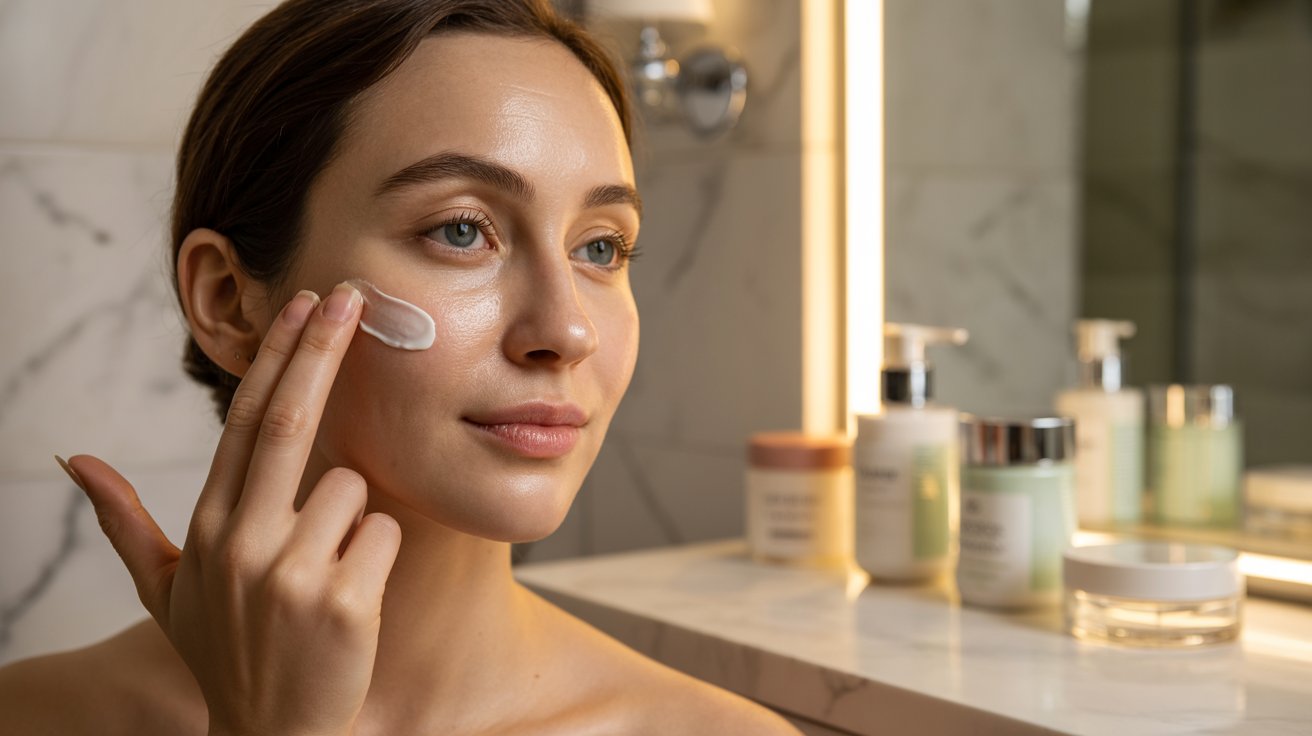
A few simple adjustments to your routine can keep your skin clear and well-hydrated.
How Much and How Often to Apply
Use one to three pumps once in the morning and once at night. Oily skin types may only need a nighttime application.
If your skin feels greasy after applying, reduce the amount you are using.
Patch Testing and Monitoring Your Skin
Apply a small amount to your wrist or behind your ear and wait 24 to 48 hours before using it on your face.
Once you start, keep a simple breakout journal to track any changes. If breakouts increase within two to three weeks, switch to a different formula.
Best Moisturizers for Acne-Prone Skin
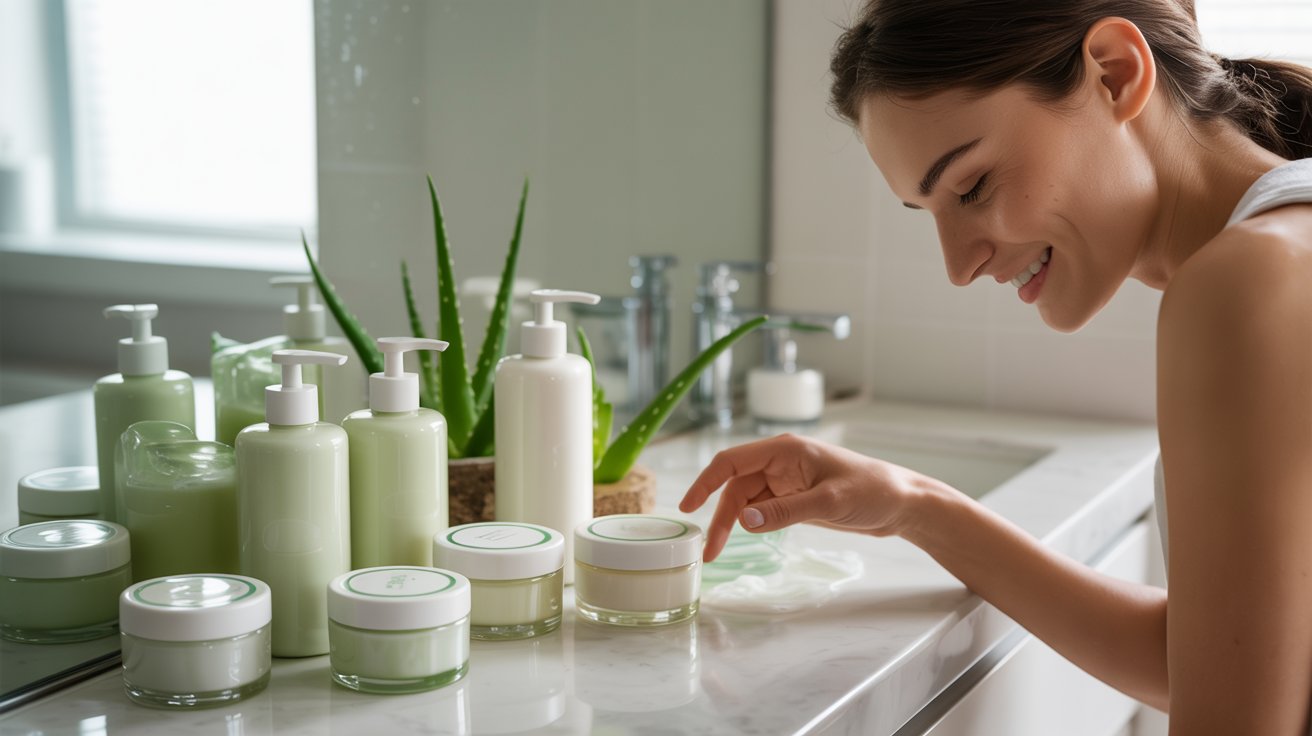
The right moisturizer for acne-prone skin is lightweight, non-comedogenic, and free of pore-clogging ingredients.
Recommended Ingredients and Formulas
Gel-based and water-based formulas work best for acne-prone skin. Look for hyaluronic acid, niacinamide, ceramides, salicylic acid, and aloe vera on the label.
Popular Acne-Safe Moisturizers
CeraVe PM, Neutrogena Hydro Boost, and La Roche-Posay Effaclar Mat are all solid acne-safe options.
Choose based on your skin type: gel-based for oily, ceramide lotion for dry, and gel-cream for combination skin.
Common Mistakes to Avoid When Moisturizing Acne-Prone Skin
These small errors can quietly sabotage your skincare routine and trigger more breakouts than you expect.
- Using too much product at once and leaving a thick layer sitting on your skin.
- Applying moisturizer over acne treatments before they have fully absorbed.
- Picking formulas with fragrance, mineral oil, or petroleum without checking the label first.
- Skipping moisturizer on oily skin days, which causes your skin to produce even more oil.
- Introducing multiple new products at the same time, making it impossible to spot what is causing a reaction.
How to Read Moisturizer Labels for Acne-Prone Skin
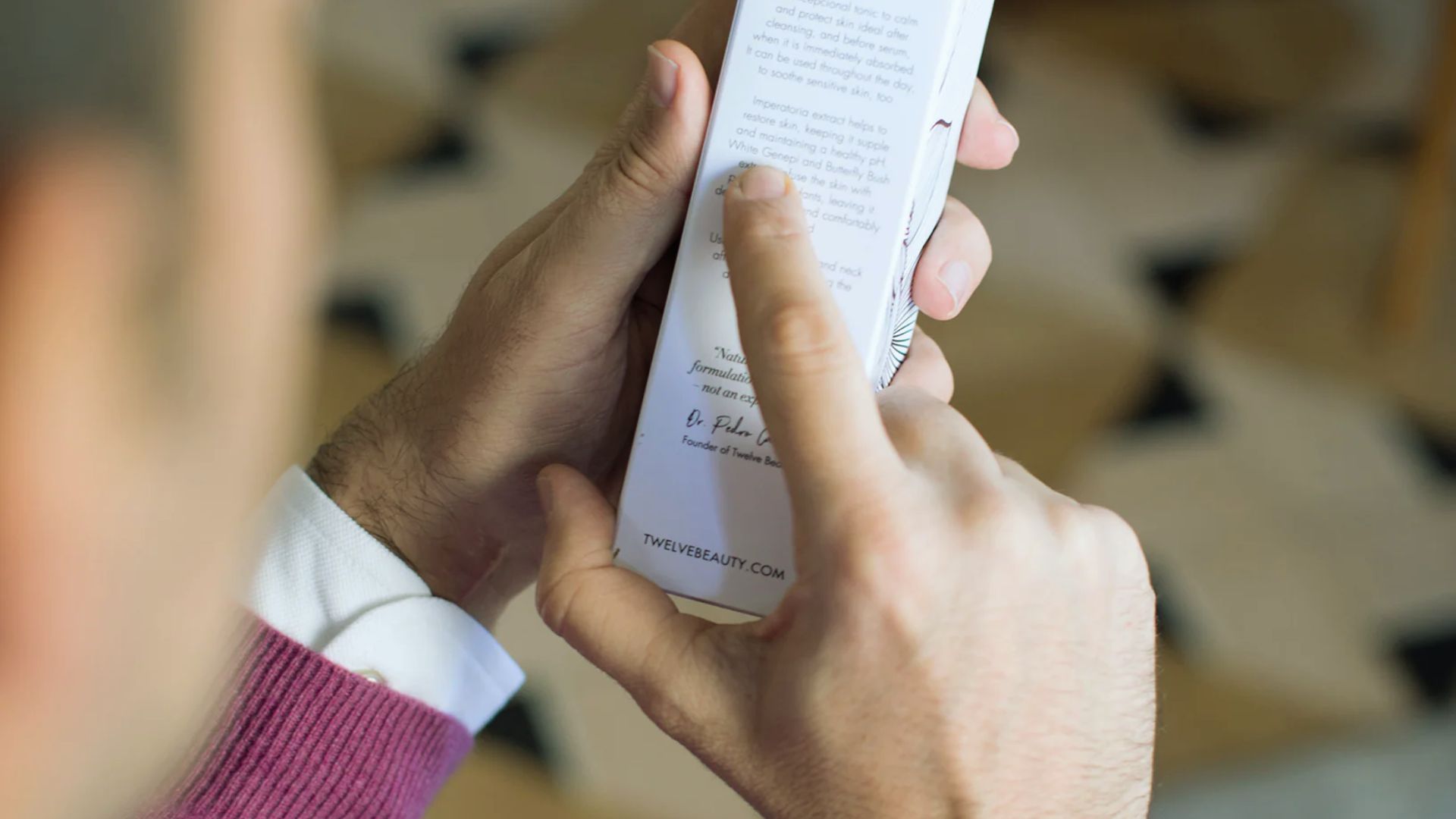
Most people skip the label and go straight for the packaging claims. That is where things go wrong.
What the Front Label Does Not Tell You
Terms like “natural” or “dermatologist-tested” do not guarantee a product is safe for acne-prone skin. Always flip to the ingredient list before buying. The first five ingredients make up the bulk of the formula, so start there.
Key Terms to Look for on the Label
Look for non-comedogenic, oil-free, and fragrance-free moisturizers. These three terms are your most reliable filters for acne-safe products. If any of them are missing, check the ingredient list extra carefully before purchasing.
Tips for Using Moisturizer Safely on Acne-Prone Skin
Small habits make a big difference when your skin is prone to breakouts.
- Layer moisturizer over your acne treatments only after they have fully absorbed into the skin.
- Choose lightweight, oil-free, or gel-based formulas to avoid clogging pores.
- Avoid touching your face after applying moisturizer to keep bacteria away.
- Store your moisturizer in a cool, dry place to slow down bacterial growth.
- Introduce new products one at a time so you can spot any reactions early.
Conclusion
I know how frustrating it is to feel like every product you try makes your skin worse. I spent months avoiding moisturizer and my skin only got harder to manage.
Once I switched to a lightweight, fragrance-free formula, things finally started to shift.
Can moisturizer cause acne? Yes, but the right one will not. It will help keep your skin calm, balanced, and clear.
Drop a comment below and share what moisturizer has worked for your acne-prone skin. If this article helped you, share it with a friend who is dealing with the same thing.
Frequently asked questions
Will Skipping Moisturizer Make Acne Worse?
Yes, it can. Dry skin produces more oil to compensate for lost hydration, which leads to clogged pores and more breakouts over time.
Can Oily Skin Benefit from Moisturizer?
Absolutely. Oily skin still needs hydration. A lightweight, oil-free moisturizer helps regulate oil production and reduces excess shine throughout the day.
How Long Before Seeing Improvements with the Right Moisturizer?
Most people notice a difference within two to four weeks. Consistent use of a non-comedogenic formula is key to seeing real, lasting results.
What Ingredients Should Acne-Prone Skin Avoid in a Moisturizer?
Avoid mineral oil, petroleum, artificial fragrances, and parabens. These are known to clog pores and trigger breakouts, especially in sensitive or acne-prone skin.
Can Moisturizer Cause Acne According to Reddit Users?
Many Reddit users report breaking out after using heavy or fragranced moisturizers. The general consensus is that the formula and ingredients matter far more than the act of moisturizing itself.