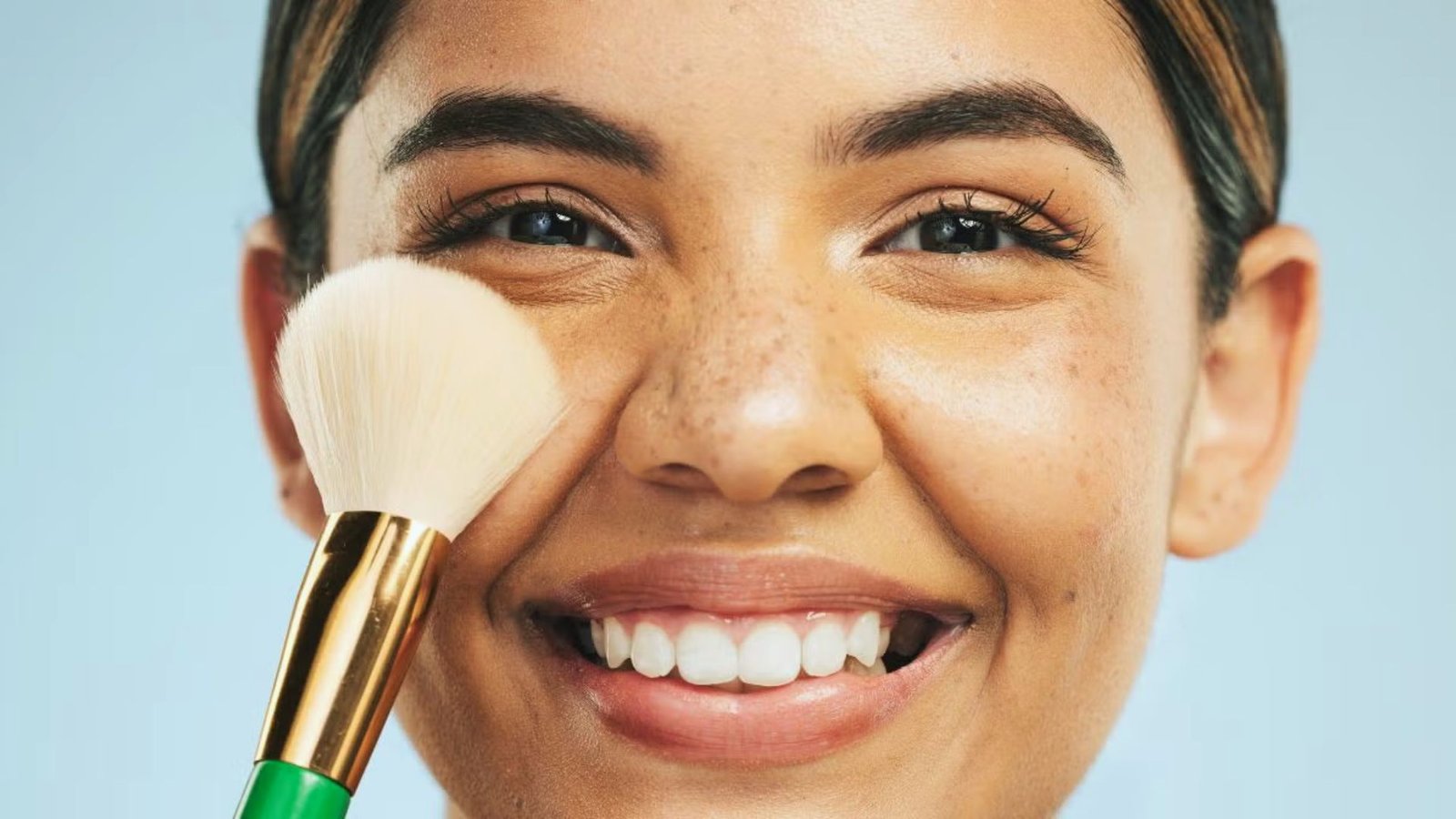
I’ve worn makeup almost every day for years.
And yes, I’ve asked myself the same question you’re asking right now: does makeup ruin your skin?
The short answer is no, but only if you use it the right way.
In this guide, I’ll cover how makeup affects your skin, what causes damage, and how to protect your skin while still enjoying your routine.
I’ve researched this topic carefully and pulled together everything you need to know in one place.
By the end, you’ll know exactly what to do and what to avoid.
Understanding Makeup and Skin Health
Knowing how makeup sits on your skin is the first step to using it wisely.
Makeup interacts with your skin’s outer layers, oil glands, and pores. The ingredients, wear time, and your skin type all shape how your skin responds.
Occasional use affects skin very differently than daily wear. Someone with oily or acne-prone skin may react more strongly than someone with dry skin.
Heavy foundations behave very differently from light, breathable formulas. Choosing the right products for your skin type makes all the difference.
Why Some People Experience Skin Issues from Makeup
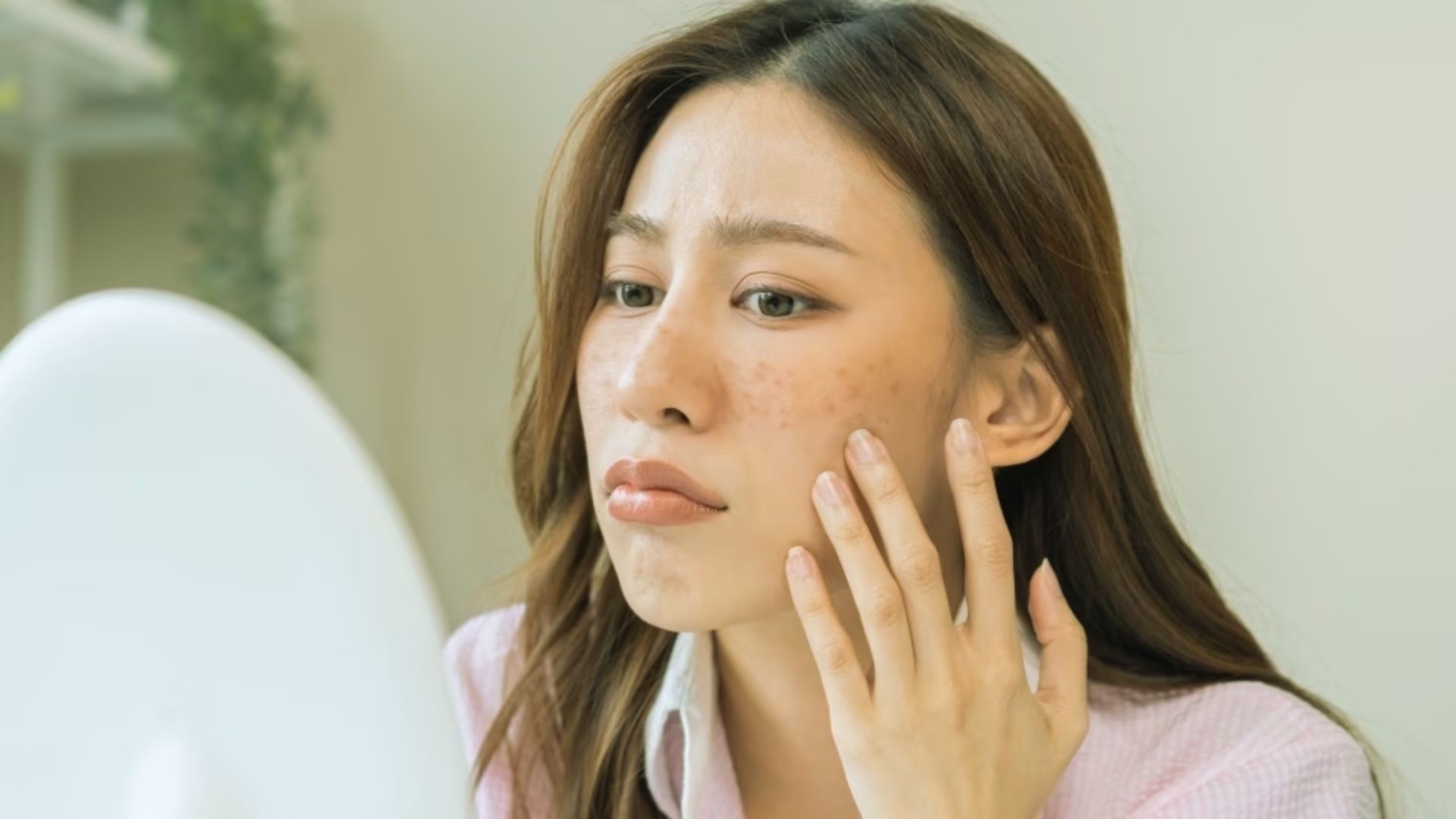
Not all skin reactions come from makeup alone. Here’s what actually causes the problem.
Allergies and Sensitive Skin
Some ingredients in makeup, like fragrances, parabens, and dyes, can trigger reactions in sensitive skin.
Watch for redness, itchiness, swelling, or small bumps after applying a new product. These are signs your skin doesn’t agree with something in the formula.
Expired or Contaminated Products
Old makeup grows bacteria over time. Using it can cause infections, breakouts, and irritation. Always check the PAO symbol on your products.
It tells you how many months the product is safe to use after opening.
Lifestyle and Environmental Factors
Pollution, UV rays, poor diet, lack of sleep, and high stress can all make your skin more reactive.
Sometimes a product you’ve used for years suddenly causes issues because of these outside factors, not the makeup itself.
Improper Makeup Removal or Skincare Routine
Leaving makeup on overnight stops your skin from repairing itself.
Skipping cleanser, moisturizer, or sunscreen makes the damage worse over time. A consistent skincare routine around your makeup use makes a real difference.
Signs Your Makeup Is Damaging Your Skin
Your skin often shows warning signs before the damage gets serious. Here’s what to watch for.
Frequent Breakouts in the Same Spots
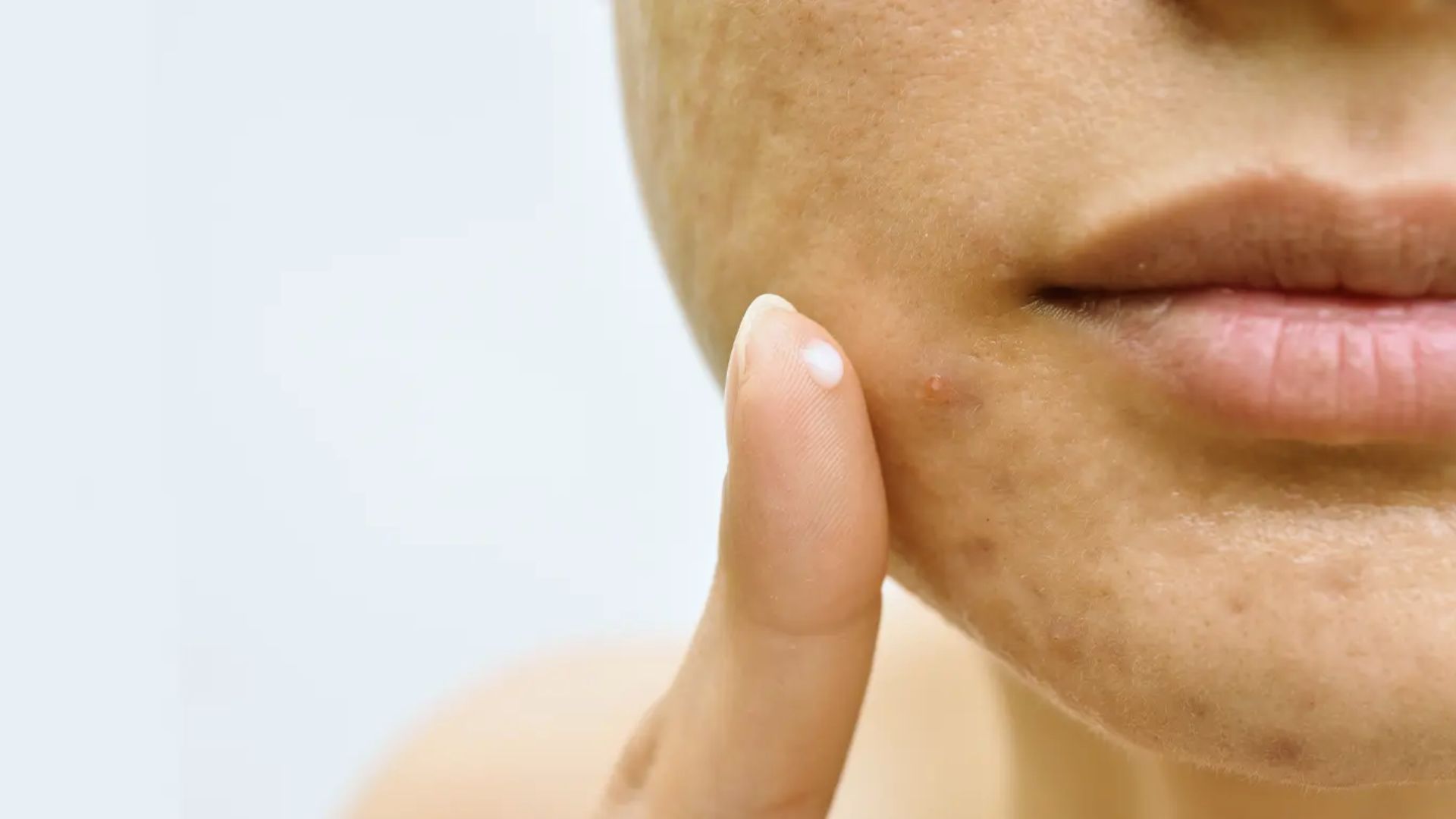
If you keep breaking out in areas where you apply foundation or concealer, your makeup may be blocking your pores.
This is especially common along the jawline, chin, and forehead. Switching to a non-comedogenic formula often clears this up quickly.
Persistent Redness or Irritation
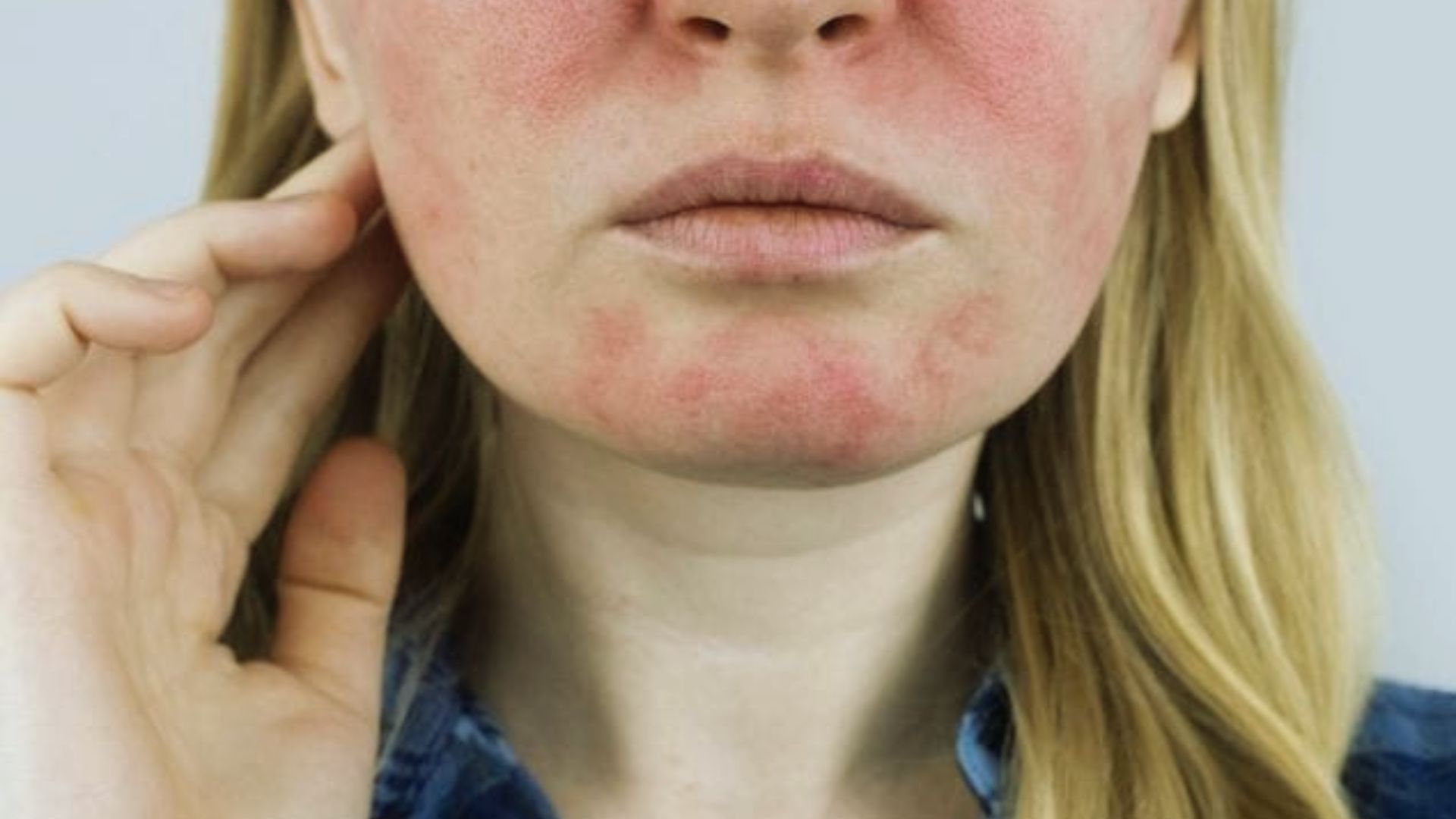
Some redness after removing makeup is normal. But if your skin stays red, feels tight, or burns regularly, something in your product lineup is likely irritating it.
Fragrance and alcohol-based formulas are common causes.
Dryness and Flaking Under Makeup
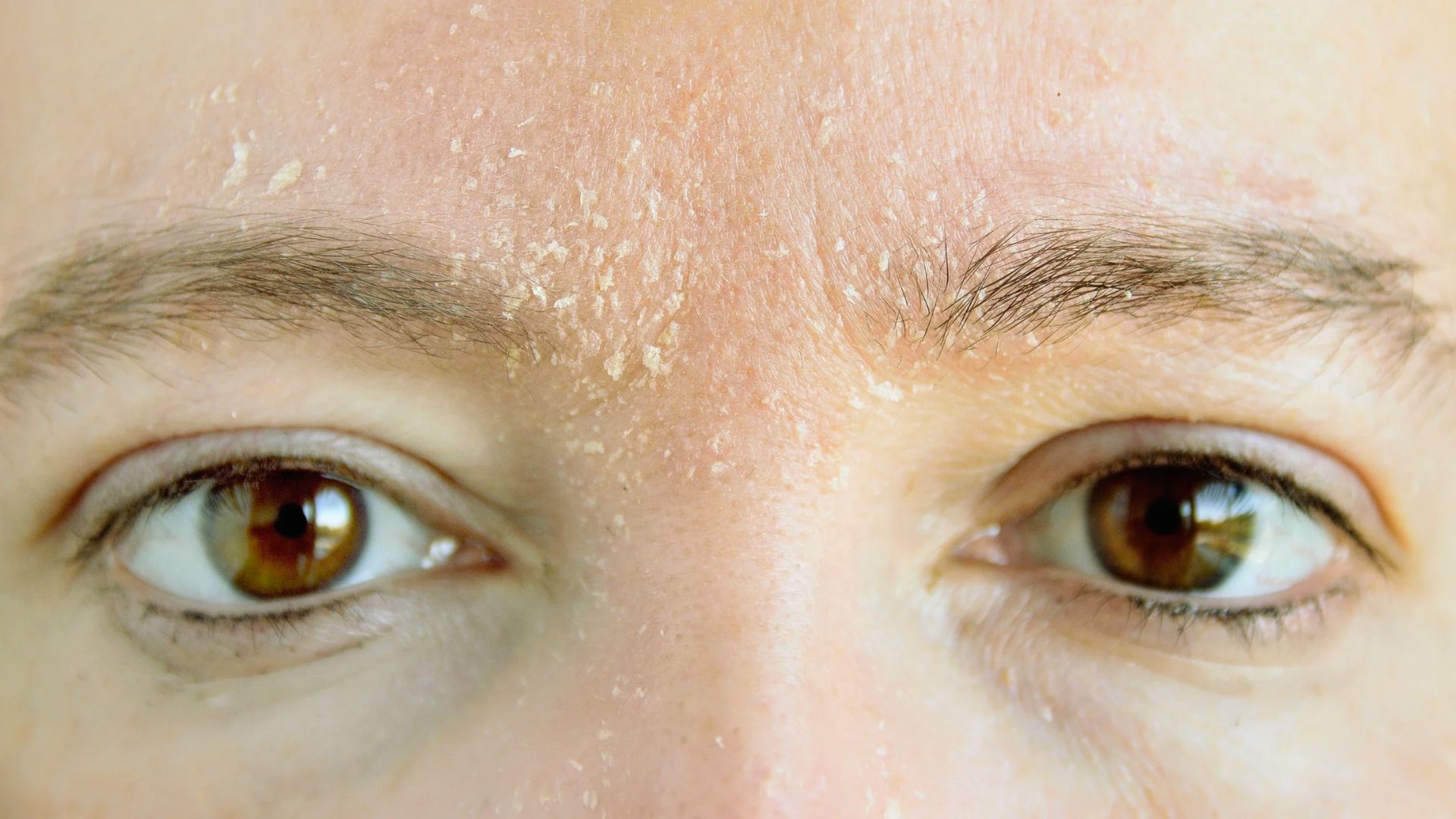
If your skin looks patchy or flaky even after moisturizing, your makeup may be stripping your skin’s natural barrier.
Matte and long-wear formulas are often the cause, especially for dry skin types.
Potential Negative Effects of Makeup and Long-Term Skin Damage

Wearing makeup without proper care can lead to real, visible skin issues over time.
Clogged and Enlarged Pores
When makeup mixes with dirt, oil, and pollution on your skin, it can block your pores. Over time, this leads to blackheads, whiteheads, and breakouts.
Heavy foundations and powders are the most common offenders here.
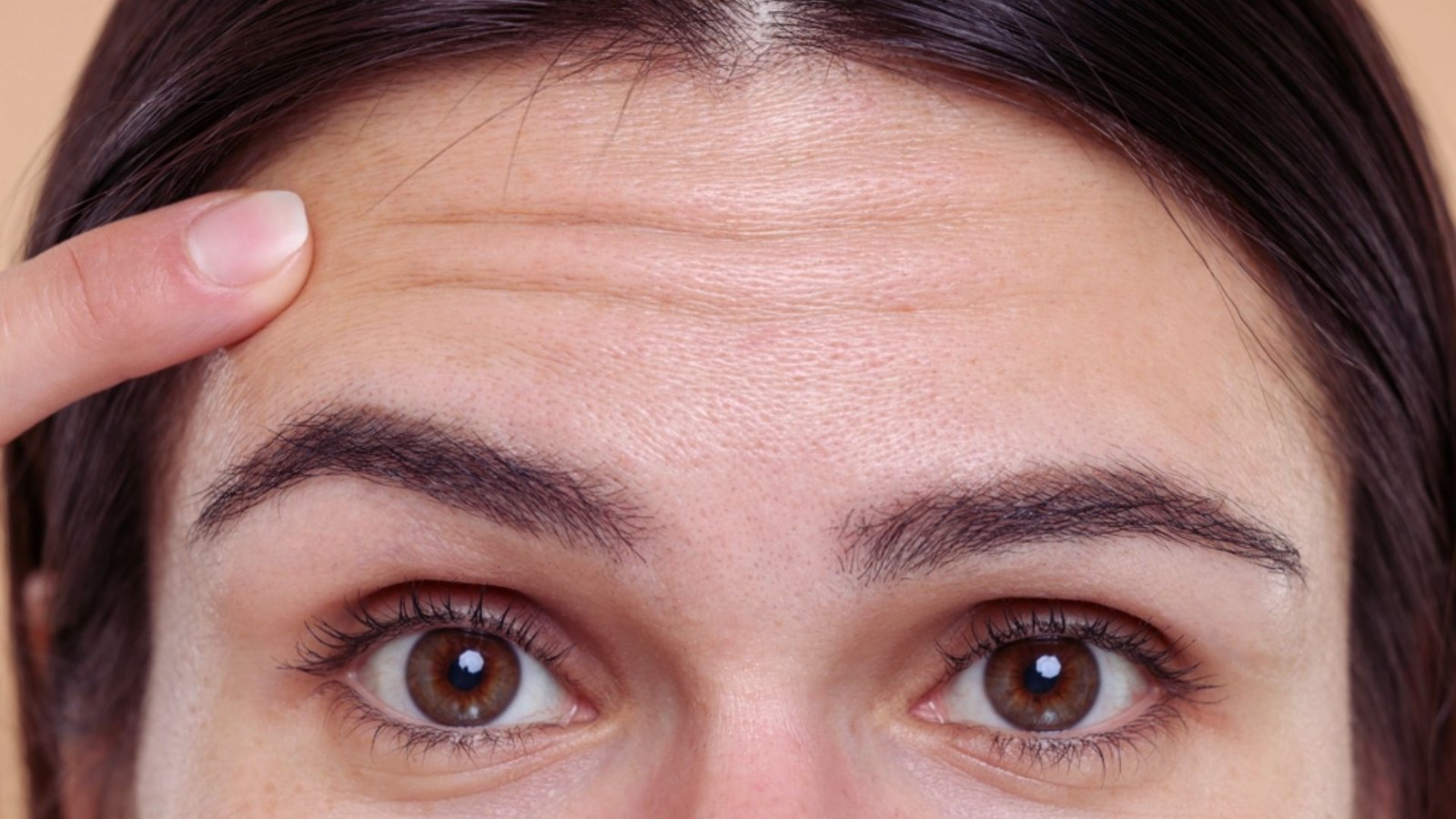
Premature Aging and Collagen Disruption
Sleeping with makeup on is one of the fastest ways to speed up skin aging. Your skin goes into repair mode while you sleep. Makeup blocks that process.
Over time, this can lead to fine lines, reduced elasticity, and a dull complexion.
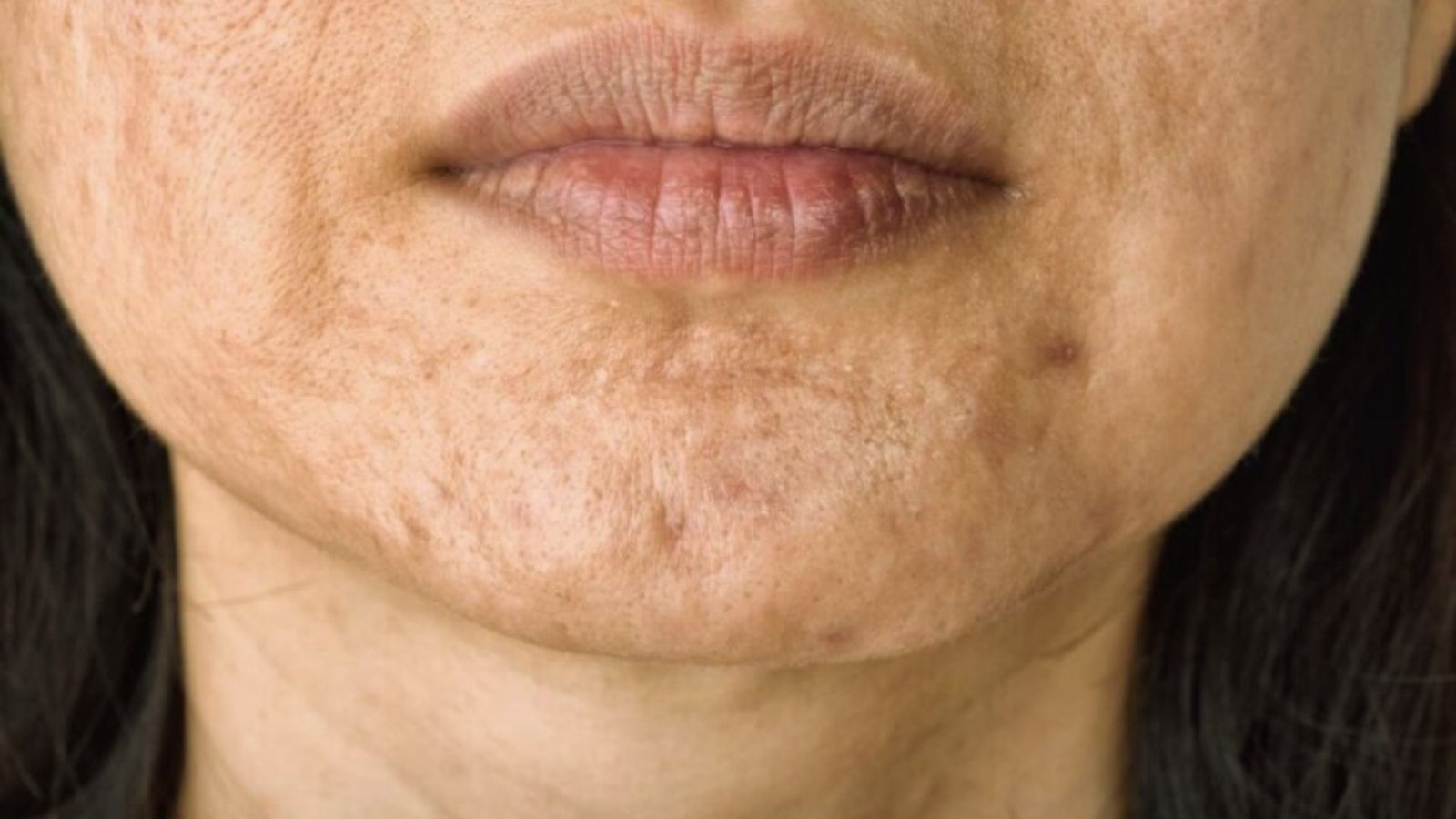
Skin Discoloration and Hyperpigmentation
Certain ingredients in makeup can trigger inflammation. When inflammation happens repeatedly, it can leave behind dark spots, especially in people with deeper skin tones.
Some products also make your skin more sensitive to the sun, which speeds up discoloration.
Aggravated Acne and Breakouts
If you already deal with acne, the wrong makeup can make it significantly worse.
Products that aren’t labeled non-comedogenic can block pores and create the perfect environment for breakouts.
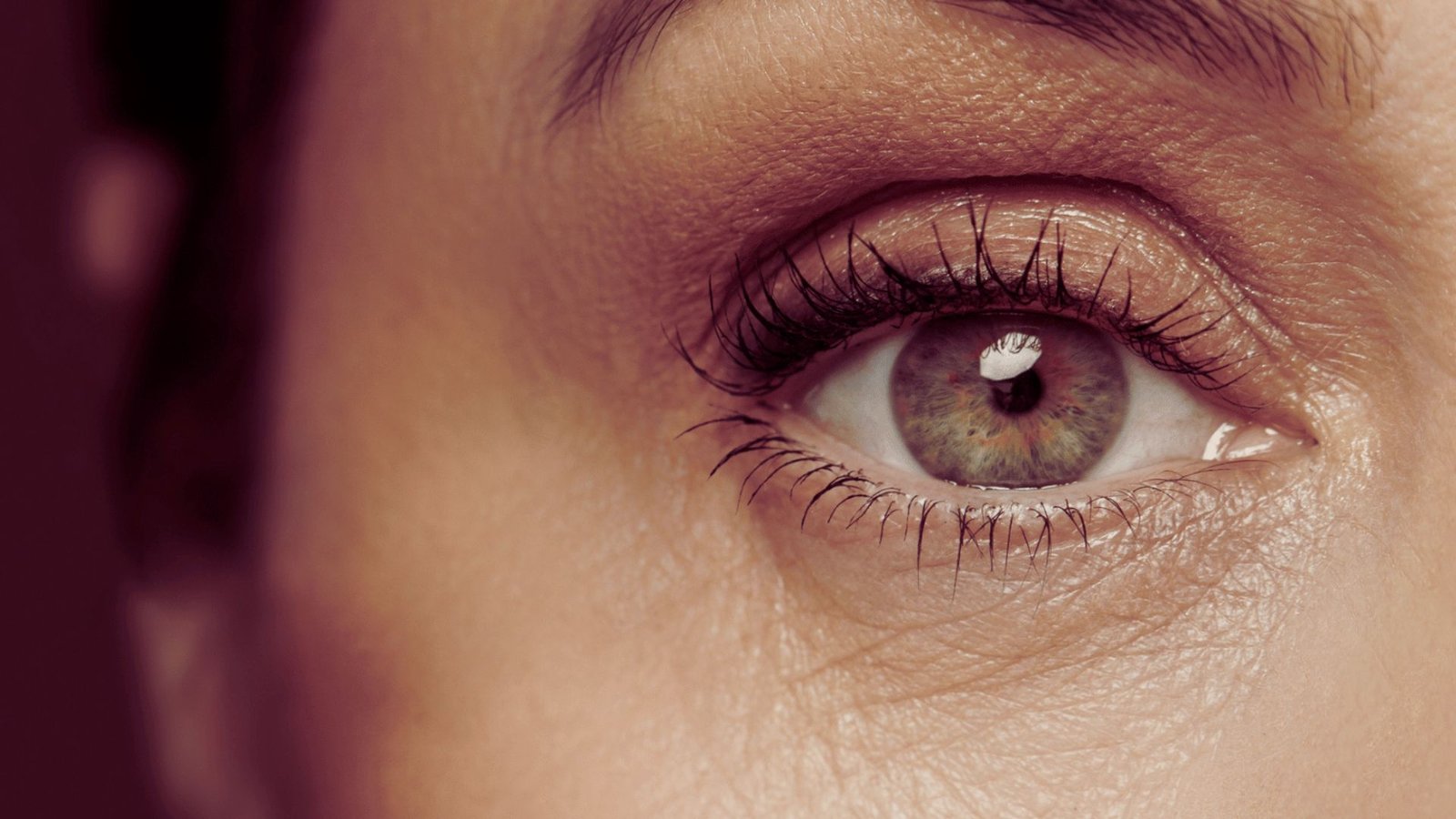
Eye Irritation and Sensitivity
The skin around your eyes is thinner and more sensitive than anywhere else on your face.
Eye makeup like mascara and eyeliner can cause allergic reactions, dry out the area, or introduce bacteria if brushes or products are contaminated.
Common Myths About Makeup and Skin Damage
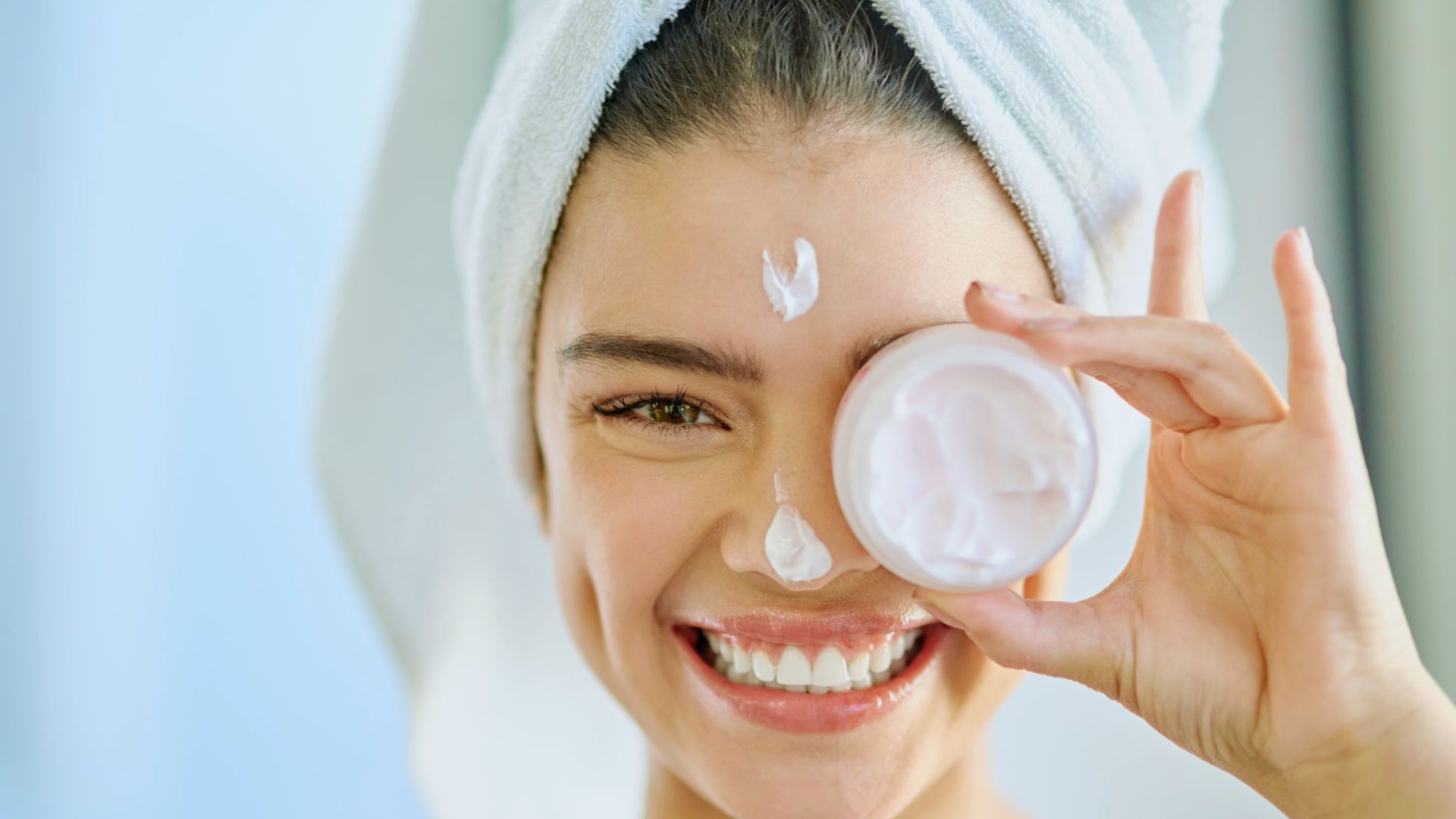
A lot of what people believe about makeup and skin damage simply isn’t true.
Myth: All Makeup Causes Premature Aging
Aging is influenced by sun exposure, genetics, and your skincare habits.
Makeup worn with SPF protection and removed thoroughly every night is not a major cause of premature aging on its own.
Myth: Makeup Permanently Damages Skin
Most makeup-related skin issues are temporary. If you remove your makeup properly and follow a consistent skincare routine, your skin can recover.
Permanent damage is rare and usually linked to long-term neglect.
Myth: Mineral or Natural Makeup Is Always Safe
Natural or mineral doesn’t automatically mean safe for every skin type. Some natural ingredients, like essential oils or certain plant extracts, can still cause reactions.
Always patch-test new products before using them on your full face.
Myth: Skipping Skincare Doesn’t Matter If You Wear Makeup
Makeup works better on healthy, moisturized skin.
Skipping skincare steps like cleansing, moisturizing, and sunscreen leads to dehydration, irritation, and faster product breakdown throughout the day.
Tips to Protect Your Skin While Wearing Makeup
Small daily habits make a big difference in how your skin holds up over time.
- Choose non-comedogenic or mineral-based formulas that match your skin type
- Always double cleanse at night to fully remove makeup and sunscreen
- Keep up with moisturizer and SPF every single day without skipping
- Clean your brushes weekly and toss any products past their PAO date
- Give your skin at least one makeup-free day each week to breathe
Conclusion
Makeup doesn’t have to be the enemy. I’ve seen the difference that a proper skincare routine makes, not just in how my skin looks, but in how it feels over time.
Once I started double cleansing every night and choosing products suited to my skin type, the constant breakouts stopped.
The truth is simple. Good habits protect your skin, and makeup worn the right way is completely fine for daily use.
Try the tips in this guide and see what changes for you. If you found this helpful, share it with someone who needs it, and drop a comment below with your experience.
Frequently Asked Questions
Does makeup ruin your skin if used daily?
Daily makeup use won’t permanently damage your skin as long as you remove it properly each night. Pairing makeup with a consistent skincare routine keeps your skin healthy over time.
How can I prevent breakouts from wearing makeup?
Use non-comedogenic products that won’t block your pores, and cleanse your face thoroughly every evening. Cleaning your makeup brushes weekly also reduces bacteria buildup that causes breakouts.
Can sleeping with makeup cause long-term damage?
Yes, regularly sleeping with makeup on can clog pores, trigger inflammation, and speed up the formation of fine lines. Your skin repairs itself overnight, and makeup left on blocks that process.
Are natural or mineral makeup products safer for my skin?
Not always. Natural and mineral products can still cause reactions depending on your skin type and the specific ingredients used. Always patch-test a new product before applying it to your full face.
How often should I consult a dermatologist about makeup-related skin issues?
If you’re experiencing ongoing acne, persistent irritation, pigmentation, or early signs of aging linked to makeup use, book a consultation. A dermatologist can pinpoint the cause and recommend the right treatment plan for your skin.