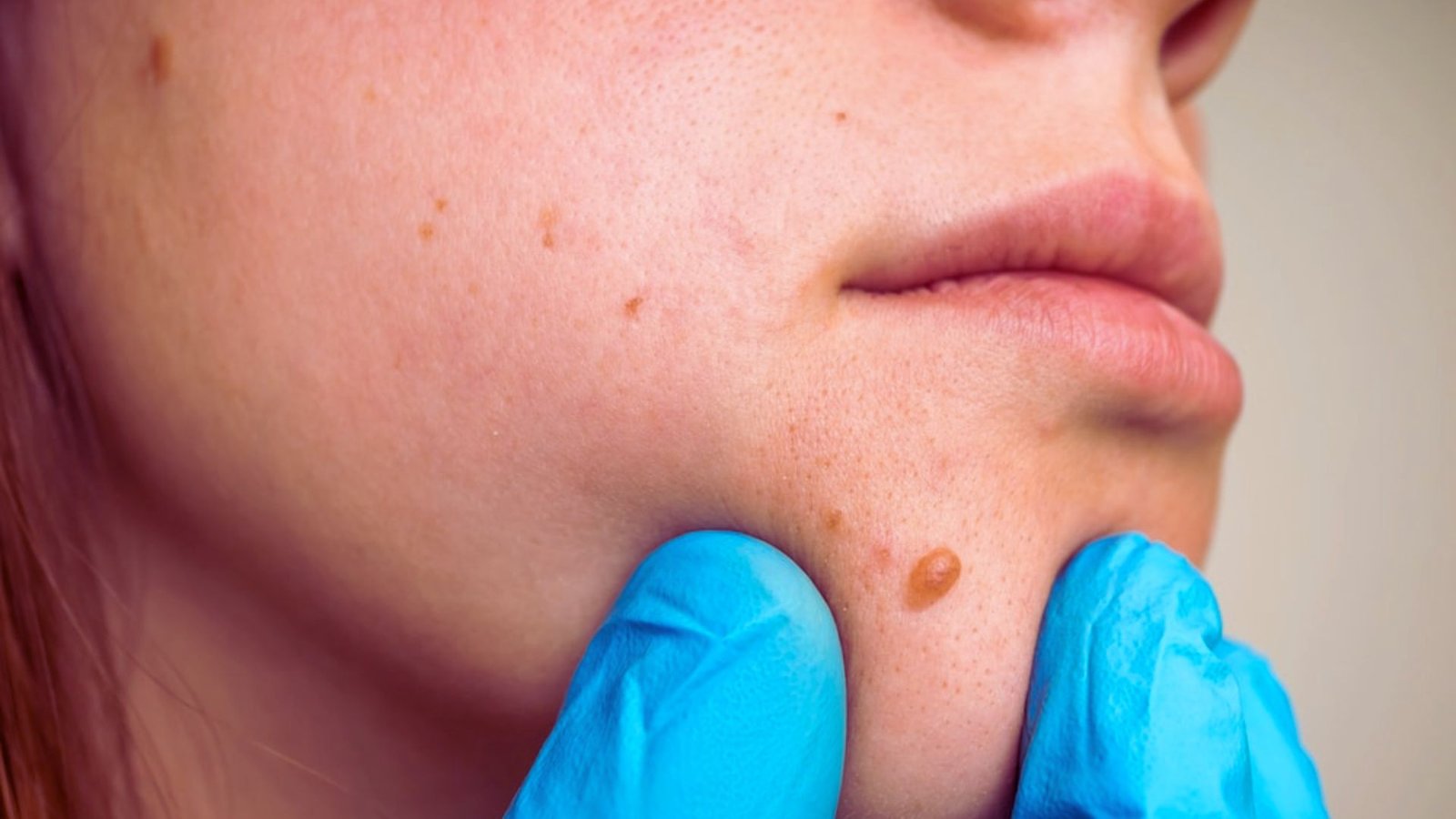
Does skin cancer have pus? I get why this question comes up. A bump appears on your skin, it looks like a pimple, maybe it oozes a little, and suddenly you are not sure what you are dealing with.
I have spent time researching this topic, and I want to give you a clear, honest answer.
In this blog, you will learn: The difference between skin cancer and a pimple Why cancer rarely produces pus on its own Warning signs to watch for When to see a doctor
Let us sort this out together.
Does Skin Cancer Have Pus?

Skin cancer does not directly cause pus, but that does not mean pus never appears on a cancerous lesion.
Skin cancer grows from abnormal cell division, not bacterial infection, so it does not trigger the immune response that creates pus. Instead, the bump may bleed, crust, or ooze a clear or slightly bloody fluid.
However, if a lesion becomes open or wounded, bacteria can enter and cause a secondary infection, which then produces pus.
So the pus comes from the infection, not the cancer itself. This means pus alone does not rule out cancer, and it does not confirm it either.
Understanding the Basics: Pus, Pimples, and Skin Cancer
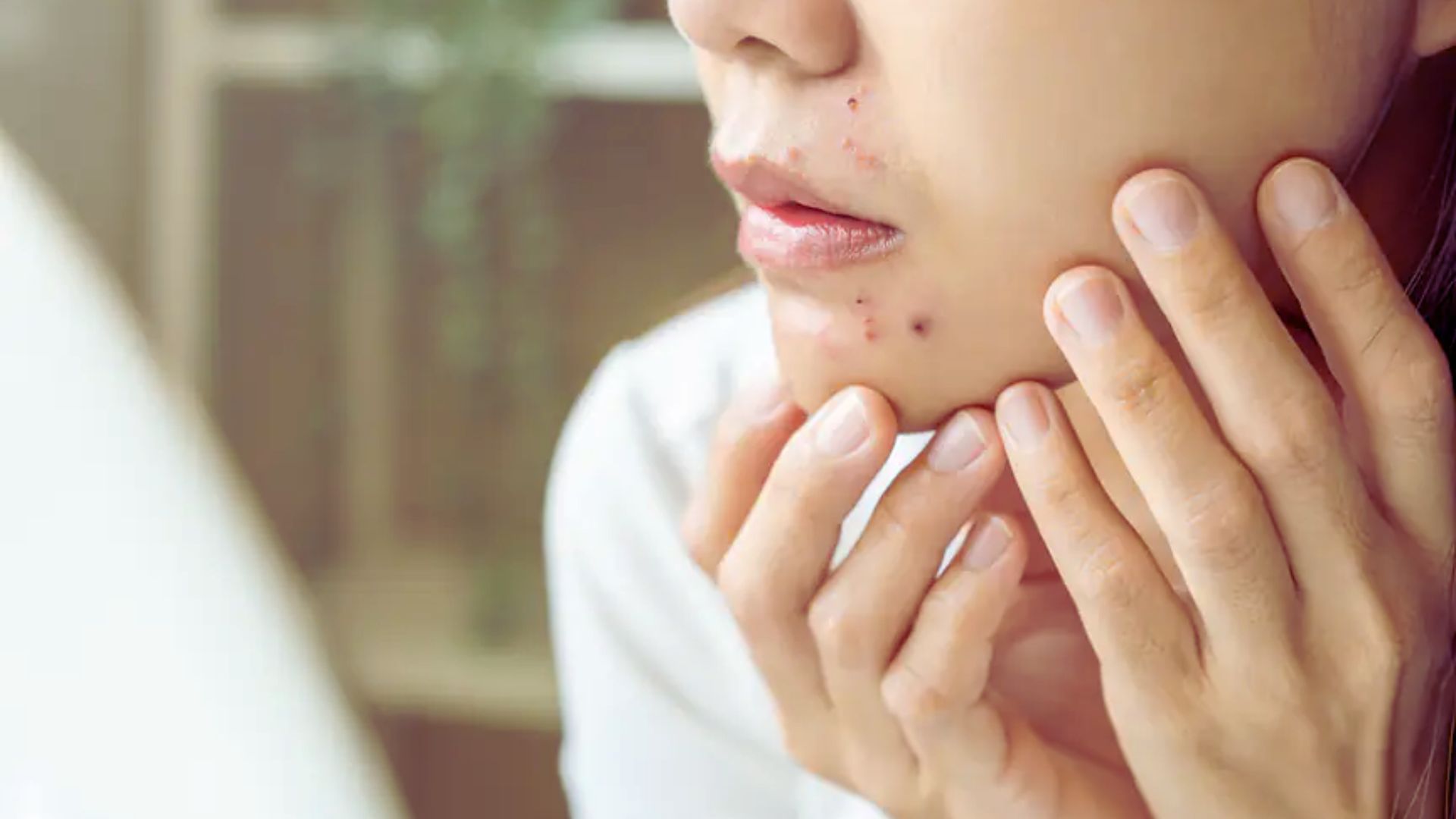
Knowing how pus and cancer form helps you spot the difference between a harmless pimple and something more serious.
What Is Pus and Why It Forms
Pus is a thick fluid made up of dead white blood cells, bacteria, and tissue debris. It forms when your immune system fights an infection. It is your body doing its job.
How Pimples Develop (Clogged Pores and Bacteria)
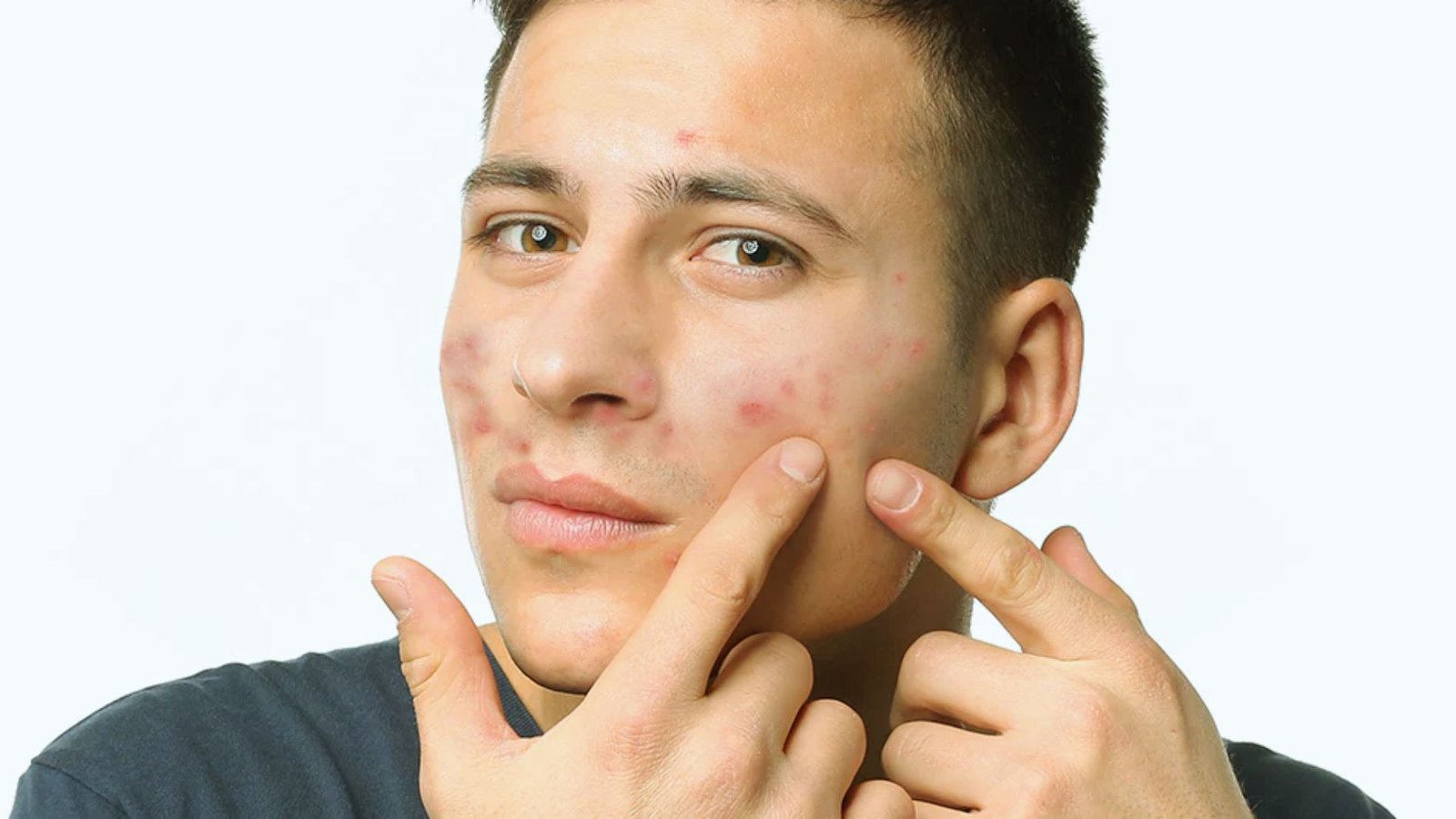
A pimple starts when a pore gets clogged with oil and dead skin cells. Bacteria called C. acnes thrive in this environment.
Your immune system responds, causing redness, swelling, and eventually pus. Most pimples heal within a week or two.
How Skin Cancer Develops Differently
Skin cancer starts when the DNA inside skin cells gets damaged, usually from UV radiation. The cells start growing out of control.
There is no infection involved at the start. No bacteria. No pus. Just abnormal cells multiplying over time.
Skin Cancer vs Pimple: Key Differences You Should Know
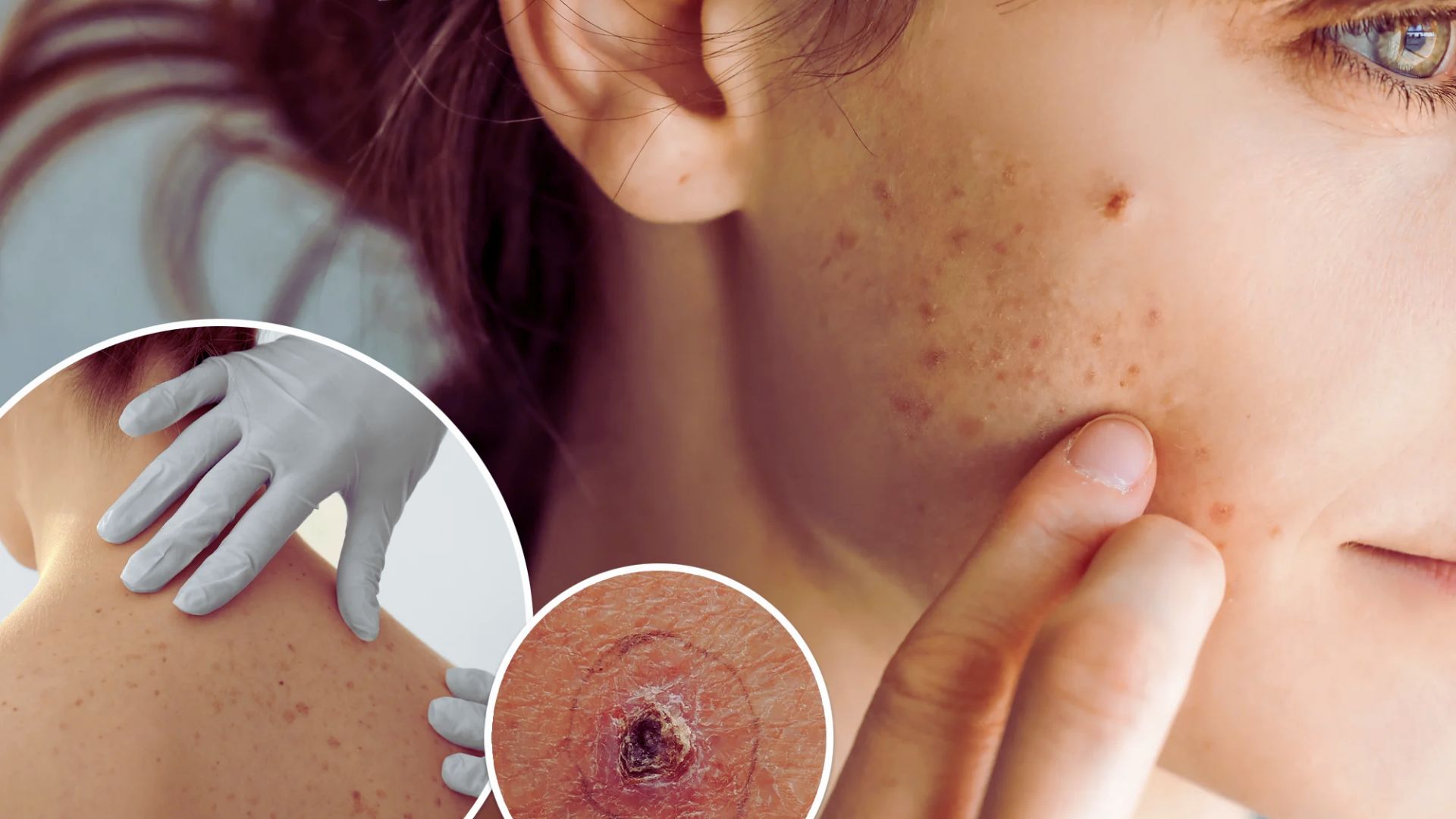
A side-by-side look at pimples and skin cancer can help you catch early warning signs.
| Feature | Pimple | Skin Cancer |
| Healing Time | 1 to 2 weeks | Does not heal |
| Pus Present | Yes, common | Rarely, only if infected |
| Pain | Mild tenderness | Often painless |
| Bleeding | No | Possible |
| Recurrence | Same pore area | Same exact spot |
| Response to Acne Treatment | Improves | No improvement |
| Borders | Smooth, round | Irregular or defined |
| Color | Red, skin-tone | Pink, pearly, dark, or varied |
If a bump does not heal, does not respond to treatment, and keeps coming back, do not ignore it.
Warning Signs Your “Pimple” Might Be Skin Cancer
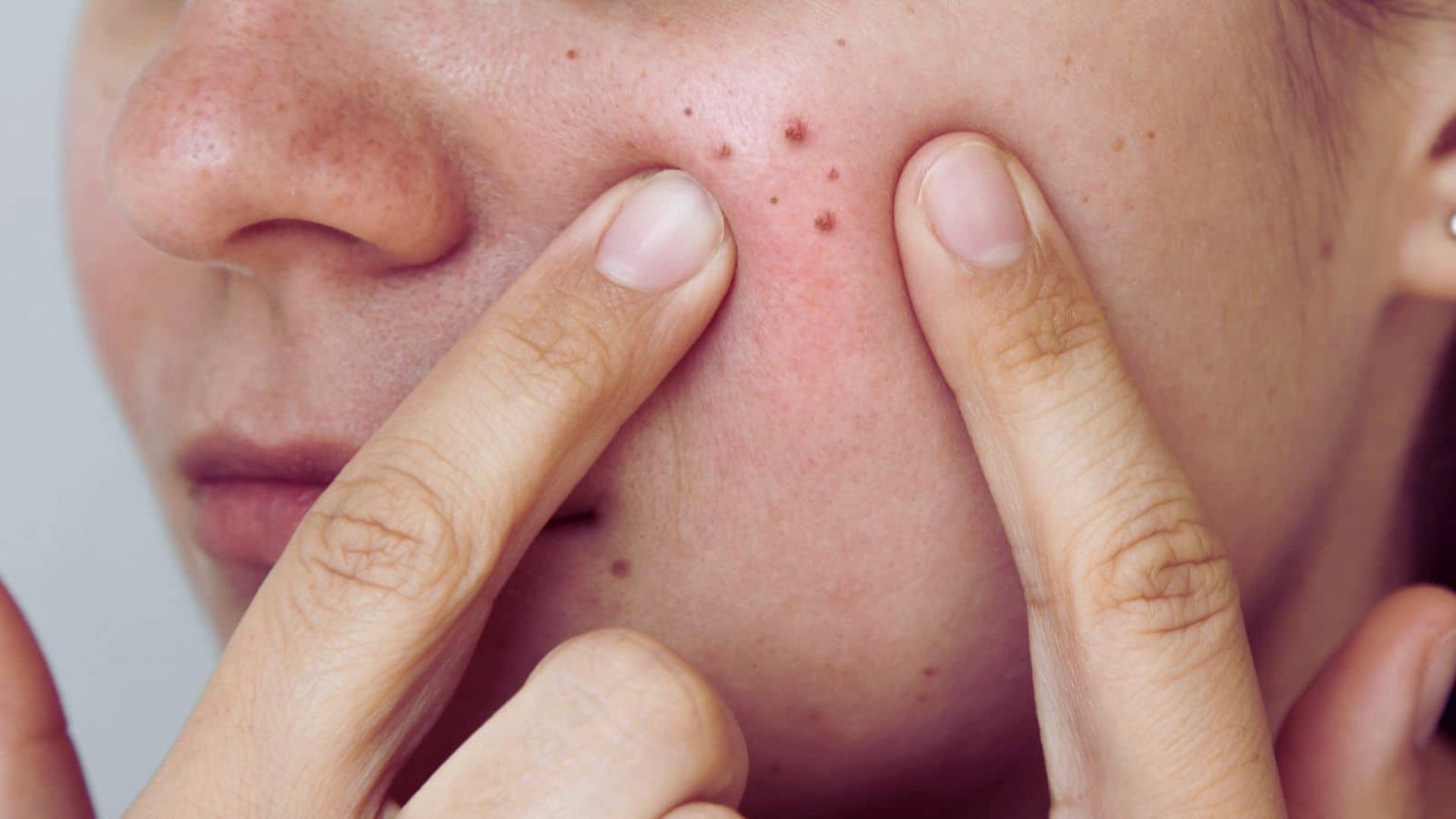
Some signs go beyond a normal breakout. Learn which ones need a closer look.
A Bump That Won’t Heal
This is the biggest warning sign. Any bump that stays for more than 4 to 6 weeks without healing should be checked by a doctor.
Do not wait to see if it clears up on its own.
Bleeding, Crusting, or Oozing Lesion
A normal pimple might release pus once and then heal. A cancer lesion may bleed with no clear cause, form a crust, and then bleed again.
This cycle of bleeding and crusting is a major warning sign.
Recurring Spot in the Same Area
If a bump keeps coming back in the exact same spot, it is not a pimple. Pimples shift around based on oil and bacteria.
A lesion that reappears in one fixed place may be something more serious.
Changes in Size, Shape, or Color
Watch for any spot that slowly gets bigger, changes shape, or shifts in color. A mole that becomes uneven or a bump that grows over weeks is worth getting evaluated.
Types of Skin Cancer That Can Look Like Pimples
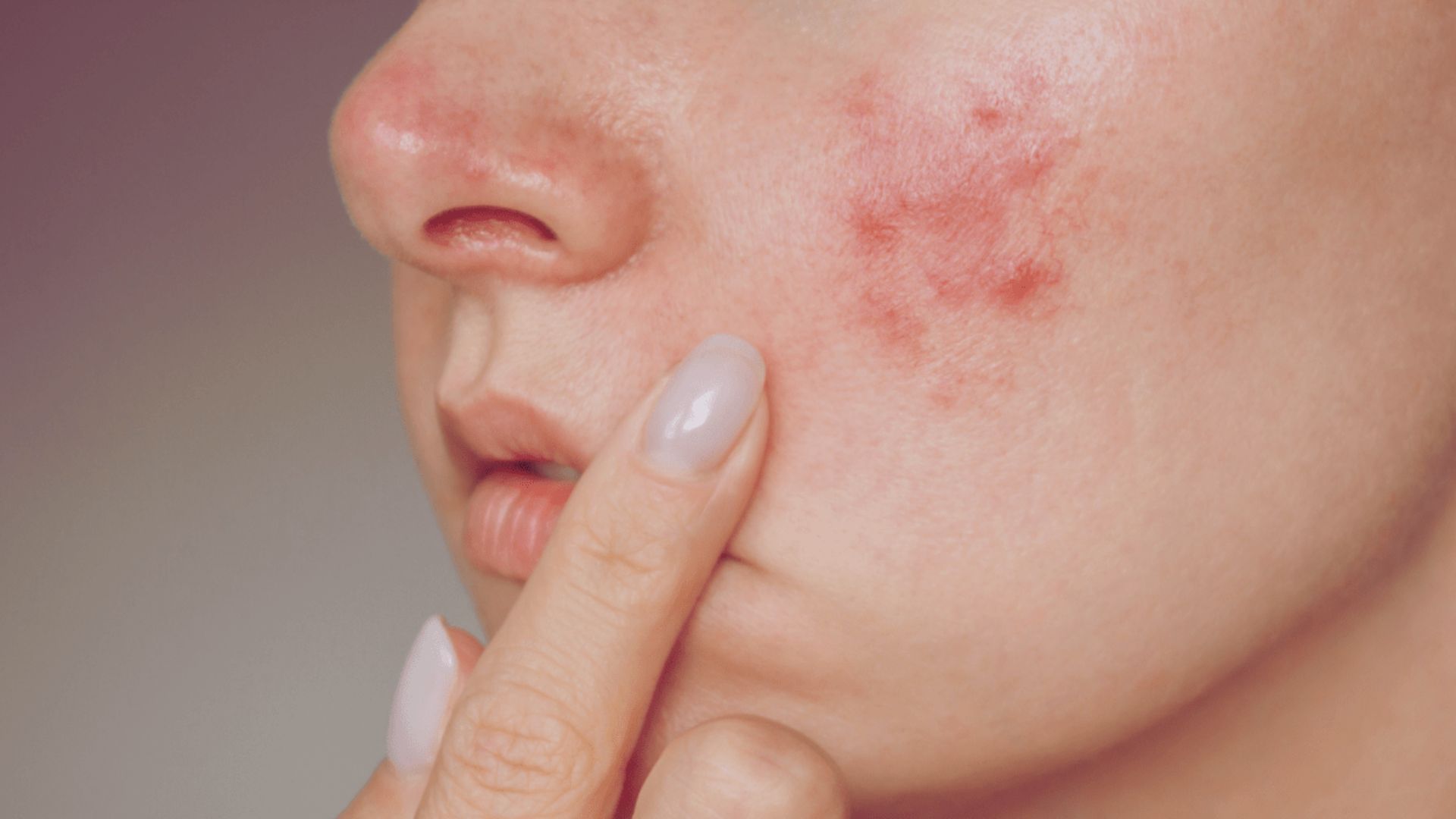
Not all skin cancers look the same. Some closely resemble everyday acne bumps.
Basal Cell Carcinoma (Pimple-Like Bump)
Basal cell carcinoma is the most common type of skin cancer. It often appears as a small, shiny, or pearly bump with a rolled border.
It can look a lot like a pimple, especially in the early stages. It is most common on the face, neck, and hands.
Squamous Cell Carcinoma (Scaly or Crusty Lesion)
This type often shows up as a rough, scaly patch or a raised bump with a crusty surface. It may bleed when scratched.
It tends to appear on areas exposed to the sun, like the ears, lips, or scalp.
Melanoma (Irregular Spot or Mole)
Melanoma is the most serious type. It often looks like a mole that changes over time. It may be dark brown, black, or even pink.
Use the ABCDE rule: Asymmetry, Border, Color, Diameter, and Evolving. Any mole that changes in any of these ways needs a doctor’s attention fast.
When to See a Doctor for a Persistent or Pus-Filled Bump
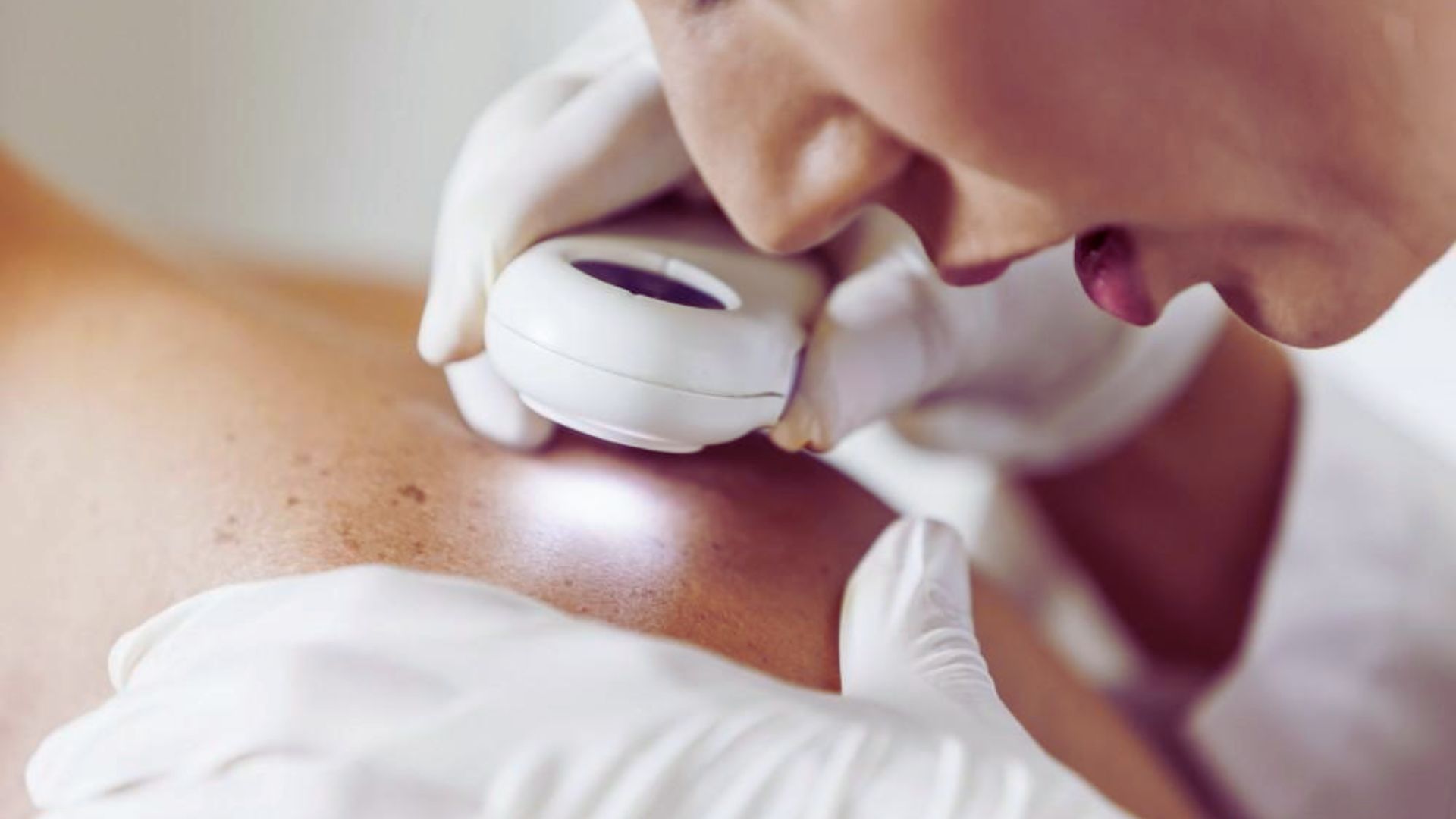
Do not wait too long. Knowing when to get help can make a real difference in outcomes.
How Long Is Too Long for a Pimple
A regular pimple should clear up in 1 to 2 weeks. If a bump is still there after 4 to 6 weeks, see a dermatologist. That timeline is a good general rule.
Symptoms That Need Immediate Attention
See a doctor right away if you notice:
A bump that bleeds without being touched A spot that grows rapidly within weeks A lesion with uneven borders or multiple colors Any sore that keeps reopening after healing
Why Early Diagnosis Matters
Skin cancer caught early is highly treatable. Basal cell carcinoma and squamous cell carcinoma have very high survival rates when found early.
Melanoma is more aggressive, but early detection still makes a major difference. Do not let fear stop you from getting checked.
Tips to Protect Your Skin and Catch Problems Early
Simple daily habits can lower your risk and help you spot changes before they become serious.
- Check your entire body for new or changing spots every month
- Apply broad-spectrum SPF 30 or higher every day and reapply every 2 hours outdoors
- Wear protective clothing, hats, and sunglasses and avoid tanning beds
- Never ignore a bump or spot that looks or feels different from the rest of your skin
- Visit a dermatologist once a year for a full skin check, especially if you have fair skin or a family history of skin cancer
Conclusion
So, does skin cancer have pus? The short answer is no, not directly. Cancer does not produce pus on its own. If pus appears on a skin lesion, it usually means there is a secondary infection involved.
I know finding a bump that will not go away can feel unsettling. I have been there too. The best thing you can do is stop second-guessing and get it checked by a doctor. Early action truly saves lives.
If this blog helped you, share it with someone who needs it, or drop a comment below.
Frequently Asked Questions
Can skin cancer look like a pimple with pus?
Yes, some skin cancers, especially basal cell carcinoma, can look like a pimple. If the lesion gets infected, pus may appear, but the pus comes from the infection, not the cancer itself.
Is pus a sign of skin cancer or infection?
Pus is typically a sign of infection. If a skin lesion produces pus, it often means bacteria have entered the area. However, this does not rule out an underlying cancer. Get any persistent lesion checked.
What if a pimple doesn’t go away for weeks?
If a pimple does not heal within 4 to 6 weeks, it is time to see a dermatologist. A persistent bump may not be a pimple at all. It could be a skin cancer lesion that needs evaluation.
Should you pop a suspicious bump?
No. Never pop a bump you are unsure about. Popping it can cause infection, scarring, or spread bacteria. If the bump is unusual or persistent, leave it alone and book a dermatologist appointment.
What does early skin cancer feel like?
Early skin cancer is often painless. It may feel like a smooth, firm bump or a rough, scaly patch. Some people describe a mild itch or tenderness. Do not rely on pain alone to decide if something needs attention.