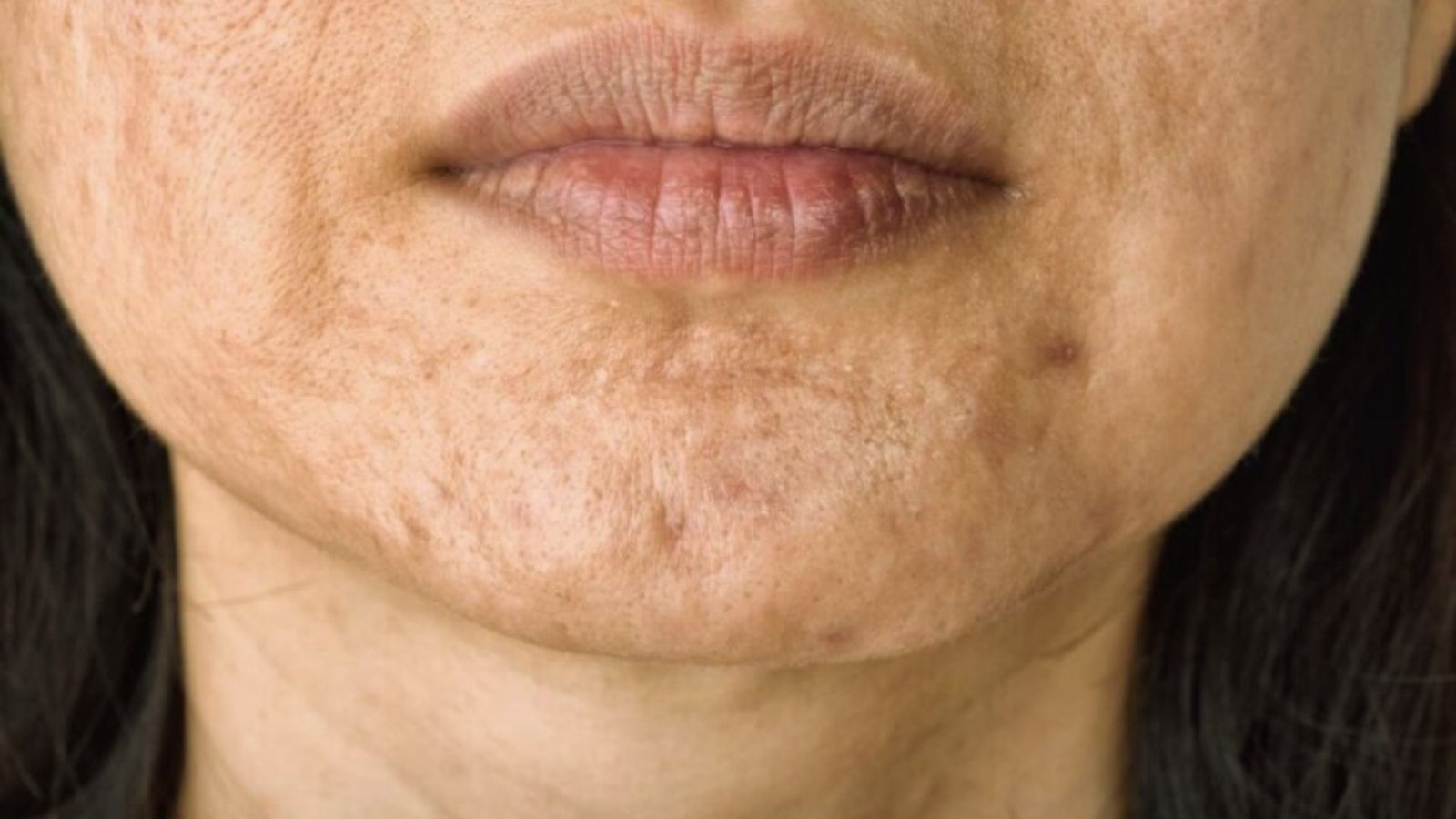
Sun damage builds up quietly. By the time you notice it, it can already feel like a lot to deal with.
This blog covers everything you need. I’ll walk you through what sun damage actually is, which treatments work best, and how to build a routine your skin will respond to.
We cover the face, arms, at-home care, and professional options.
I’ve spent hours going through dermatologist-backed research so you don’t have to. This guide is built on real expert advice, not guesswork.
Dark spots, rough texture, and fine lines don’t have to be permanent. Real solutions exist, and this blog lays them all out.
Understanding Sun Damage: Causes and Risk Factors
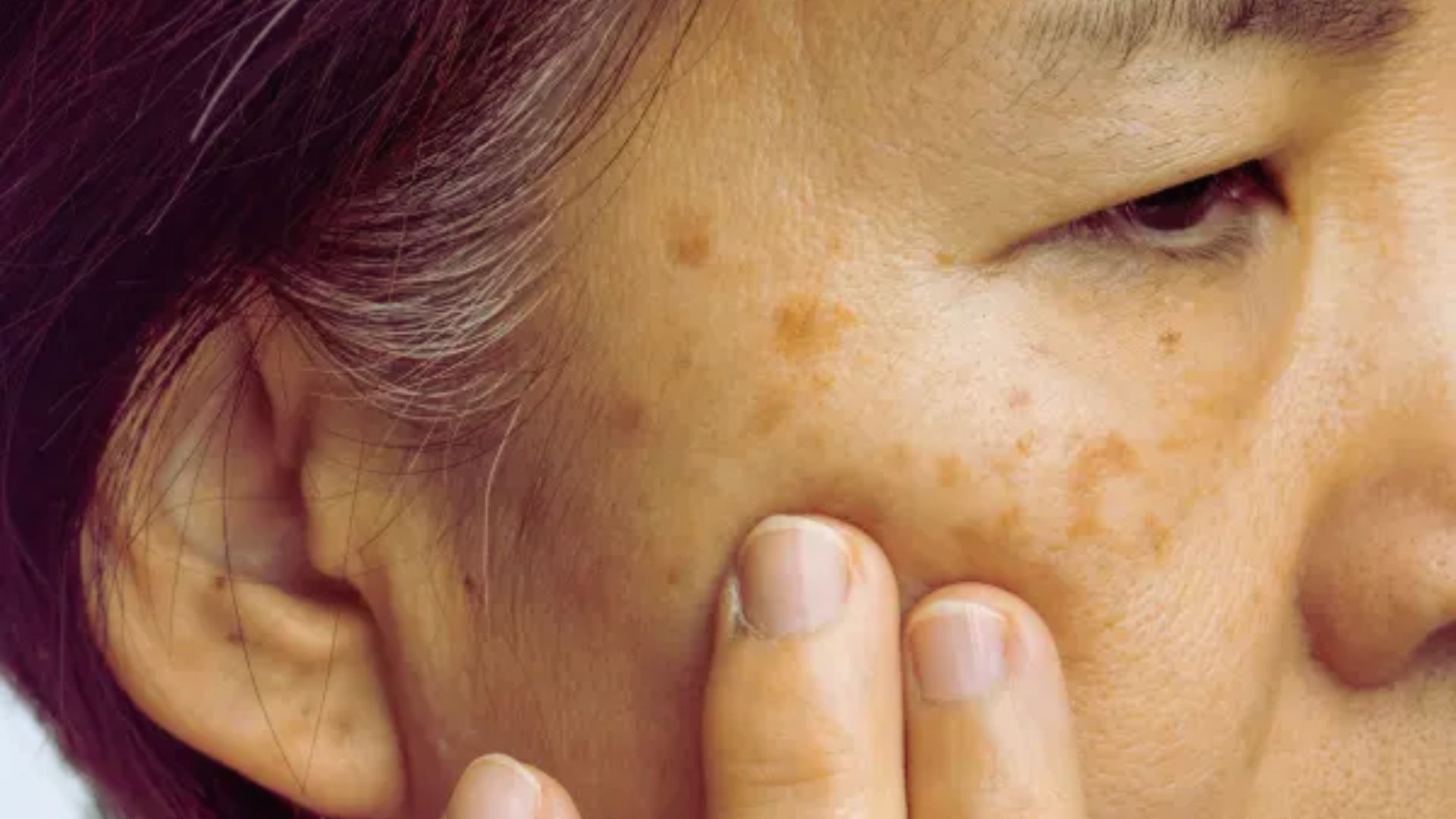
Sun damage builds up over years of unprotected exposure. UVA rays break down collagen deep in the skin.
UVB rays burn the surface and cause DNA damage. Fair skin shows damage earlier, but no skin tone is fully protected.
People who spend long hours outdoors, live in sunny climates, or use tanning beds face higher risk.
Habits like skipping sunscreen, smoking, and a poor diet also speed up damage. Pollution weakens the skin barrier further, making it harder for skin to defend and repair itself.
Can You Really Fix Sun Damaged Skin?
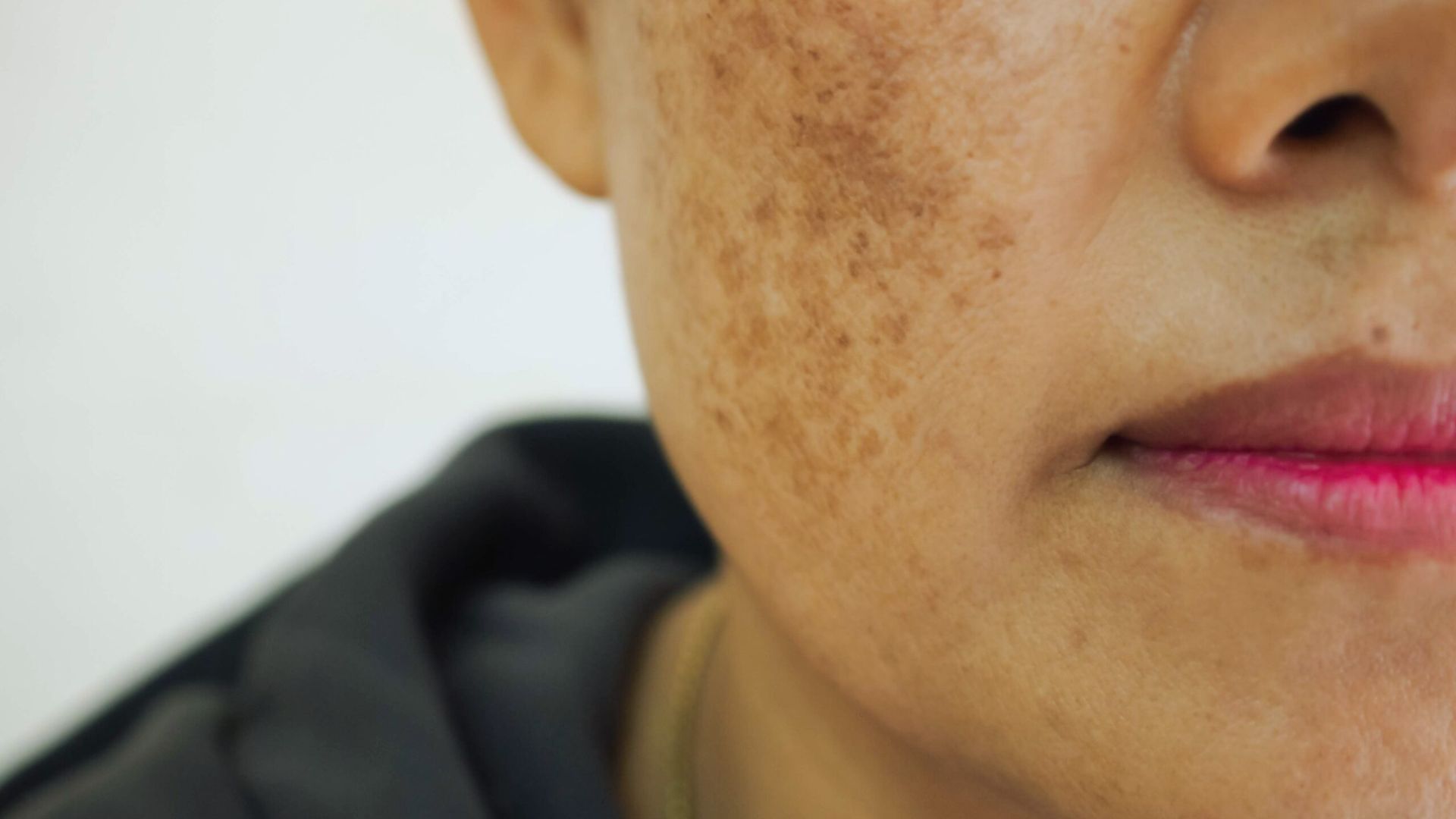
Yes, and how much you improve depends largely on how early you start treatment.
What Can Be Reversed vs What Is Permanent
Dark spots, rough texture, and early fine lines can all be reduced with the right care. Severe collagen loss and significant sagging are harder to fully correct.
Precancerous spots called actinic keratoses need immediate medical treatment, not cosmetic products.
Why Early Treatment Gives Better Results
The skin’s natural repair ability slows down with age, so earlier action gives better outcomes. A few dark spots caught early are far easier to treat than widespread pigmentation.
Starting sunscreen and a basic repair routine now can make a measurable difference over the coming months.
How to Treat Sun Damaged Skin Effectively
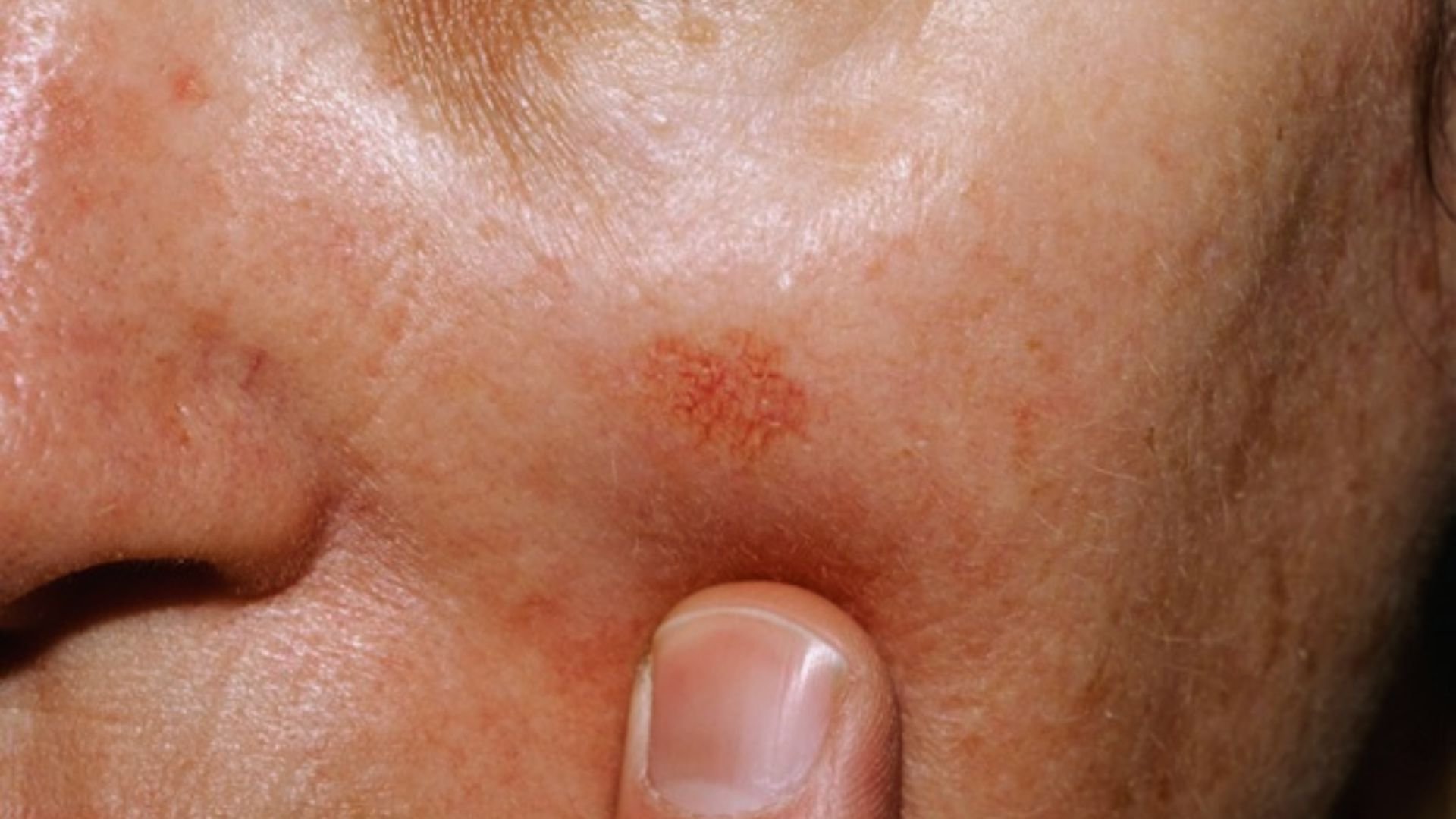
These are the treatments dermatologists actually recommend, backed by research and real clinical results.
Retinoids for Skin Repair and Collagen Boost
Retinoids are vitamin A derivatives and among the most well-researched ingredients in skincare.
They speed up cell turnover, reduce dark spots, and stimulate collagen production. Prescription retinoids like tretinoin are stronger than over-the-counter retinol, so start slowly to avoid irritation.
Laser Treatments for Deep Skin Renewal
Lasers use focused light energy to treat dark spots, uneven tone, and surface wrinkles. Ablative lasers remove the outer skin layer while non-ablative ones stimulate collagen with less downtime.
Fractional lasers like Fraxel are widely used for sun damage and may need multiple sessions for full results.
Chemical Peels for Brightening and Texture Improvement
Chemical peels use acids to remove the top skin layers, revealing fresher skin underneath. Light peels address mild damage while TCA peels go deeper for more visible pigmentation.
They work best when done by a trained professional, as improper use can worsen pigmentation.
How to Fix Sun Damaged Skin on Face
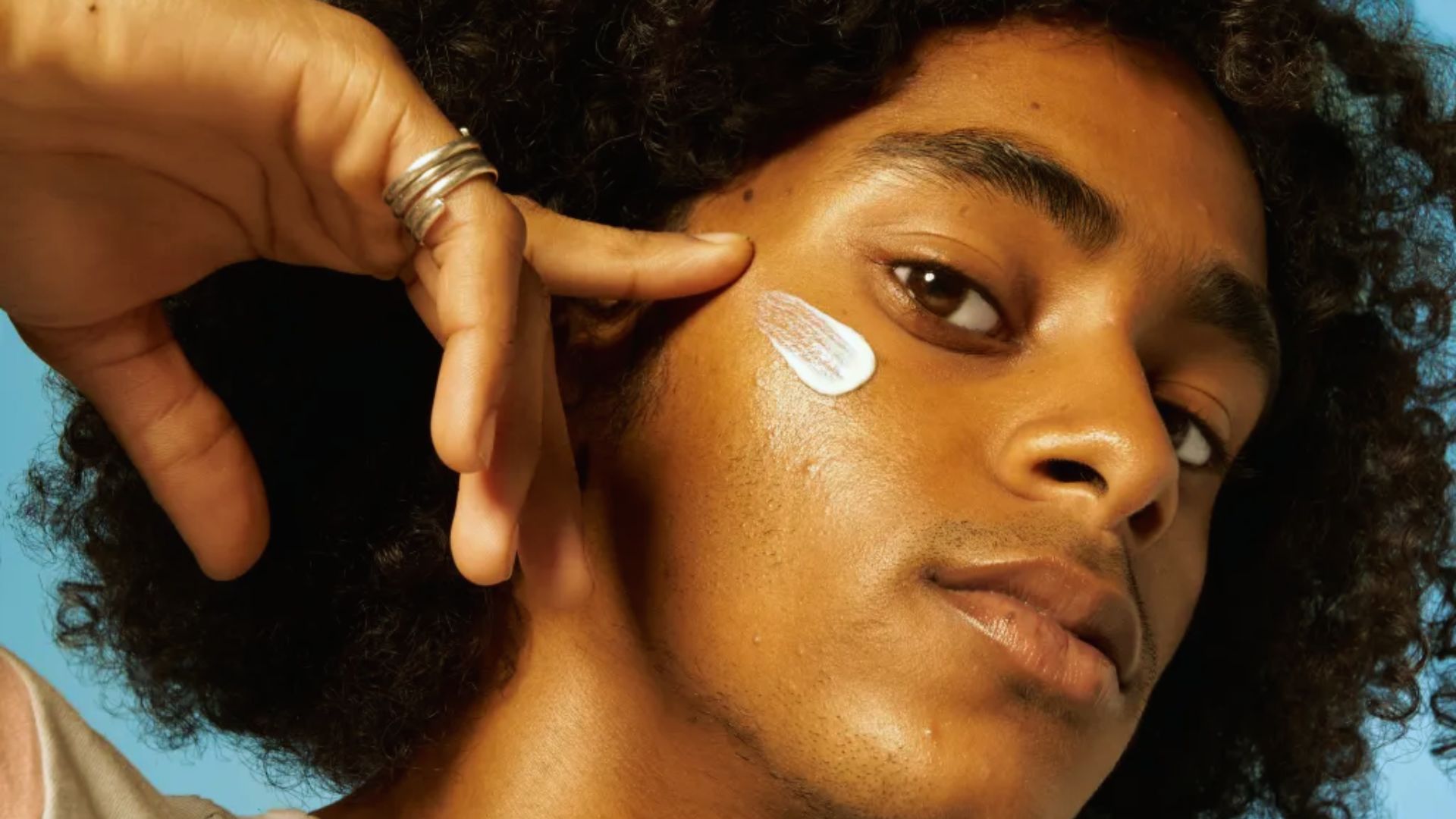
The face gets the most UV exposure daily, so it often needs both professional care and a solid at-home routine.
Best Treatments for Facial Sun Damage
Laser treatments and IPL are highly effective for targeting dark spots, redness, and fine lines on the face.
Chemical peels work well for improving overall tone and texture. Retinoids remain one of the strongest long-term options and produce clear results with consistent use.
Skincare Routine for Repairing Facial Skin
You don’t need many products, just the right ones used every day without skipping. In the morning, layer a vitamin C serum, a light moisturizer, and a broad-spectrum SPF 30 or higher.
At night, use a gentle cleanser, a retinol or retinoid, and a nourishing moisturizer with a dark spot treatment if needed.
Ingredients That Work Best (Retinol, Vitamin C, Niacinamide)
Retinol speeds up cell renewal and is one of the most effective over-the-counter ingredients for pigmentation and aging.
Vitamin C brightens skin and protects against further oxidative damage when used under sunscreen. Niacinamide calms redness, evens skin tone, and works well alongside most other repair ingredients.
Best Ingredients to Fix Sun Damaged Skin
The right ingredients make all the difference, and knowing what each one does helps you build a routine that actually works.
Retinol vs Prescription Retinoids

Retinol is milder and widely available over the counter, while prescription retinoids like tretinoin work faster but cause more irritation early on.
Start with retinol and move to prescription strength with a dermatologist’s guidance.
Vitamin C for Brightening and Protection

Vitamin C fades dark spots, reduces melanin production, and neutralizes free radicals from UV exposure.
Use L-ascorbic acid at 10% to 20% in the morning before your sunscreen for best results.
AHAs for Exfoliation and Glow
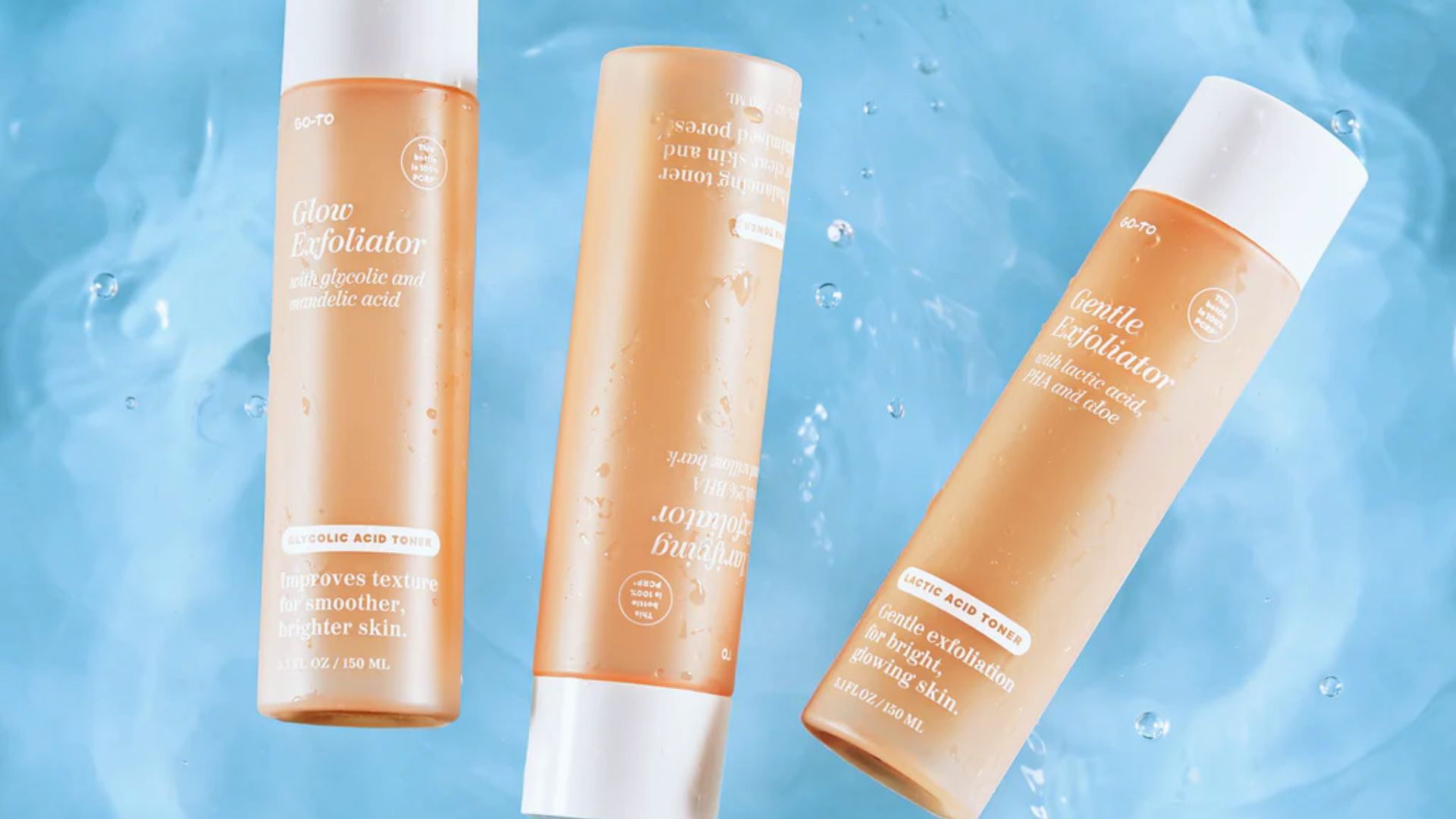
AHAs like glycolic and lactic acid shed dead skin cells to reveal smoother, brighter skin underneath.
Use them at night and always apply sunscreen the next morning as they increase UV sensitivity.
Ceramides for Skin Barrier Repair
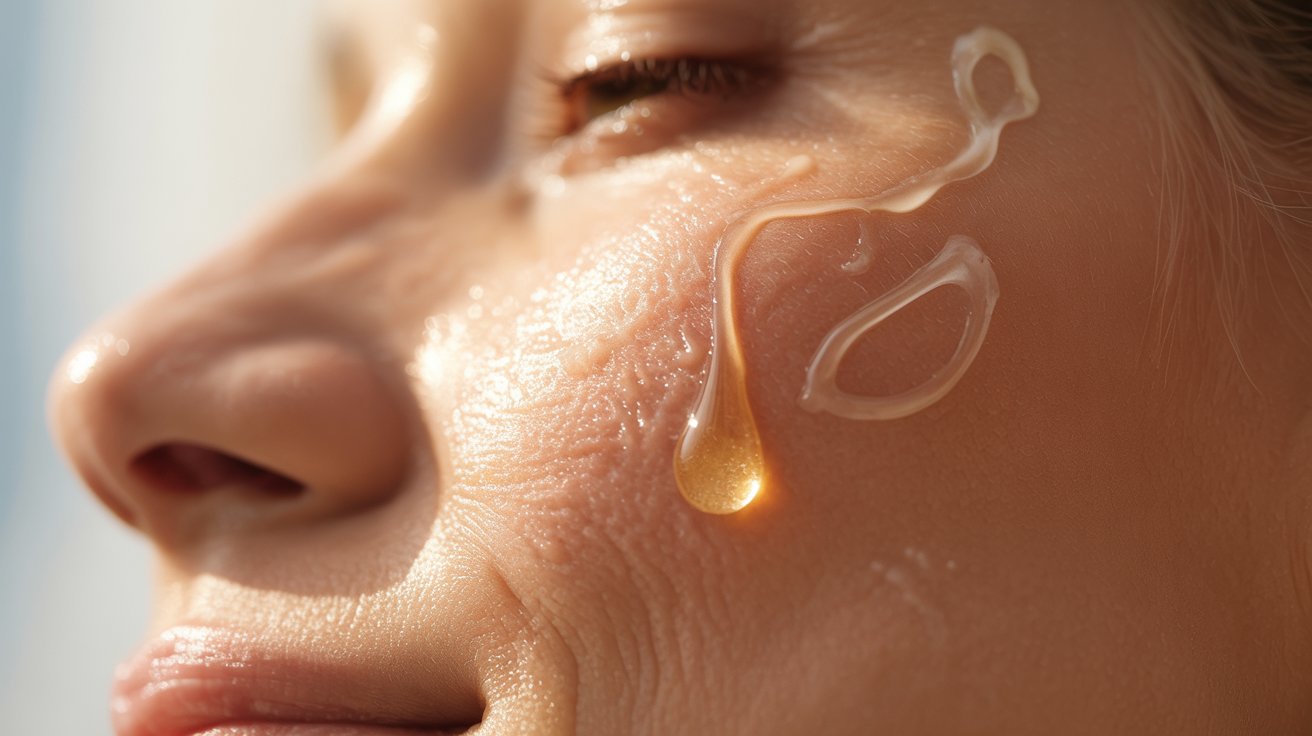
Sun damage weakens the skin barrier, letting moisture escape and making skin reactive. Ceramide-rich moisturizers reinforce the outer skin layer and work well for dry or sensitive skin.
When to See a Dermatologist
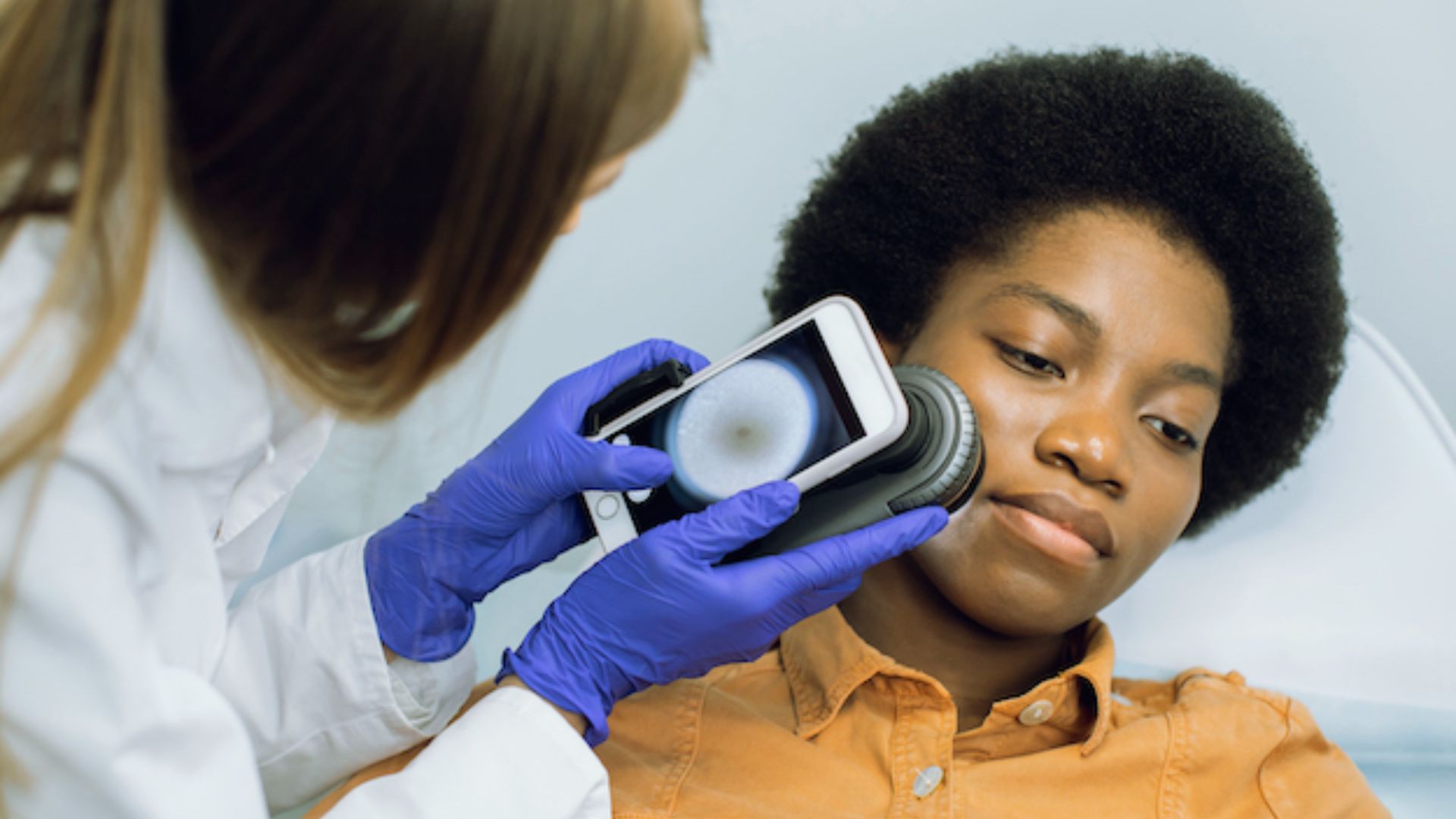
Some signs of sun damage go beyond skincare and need a professional’s assessment to rule out something more serious.
Signs You Need Professional Treatment
See a dermatologist if spots change in shape or color, or if a sore does not heal within a few weeks. Rough, scaly patches that persist could be precancerous and need prompt care.
Why Expert Care Gives Better Results
A dermatologist can assess your damage and recommend the right treatments for your skin type. Professional options like lasers and prescription retinoids go deeper and work faster than over-the-counter products.
Tips to Prevent Further Sun Damage
Repairing sun damage takes time, so protecting your skin every day keeps all that progress from going to waste.
- Apply broad-spectrum sunscreen with SPF 30 or higher every morning, even on cloudy days.
- Wear long sleeves, wide-brimmed hats, and UPF-rated fabrics when spending time outdoors.
- Avoid direct sun exposure between 10 a.m. and 4 p.m. when UV rays are strongest.
- Reapply sunscreen every two hours outdoors and right after swimming or sweating.
- Skip tanning beds completely as they age skin faster and raise the risk of long-term damage.
Conclusion
Sun damage takes time to build up, but it also takes time to repair. It does repair.
Combine the right treatments with a consistent routine and add professional care when needed. That approach works.
I started noticing rough patches on my own forearms a few years ago. Adding a daily SPF and retinol lotion made a real difference within months.
Start where you are. Even one good habit counts. For faster results, book a dermatologist visit. Found this helpful? Share it or explore our related skincare guides.
Frequently Asked Questions
How to fix sun damaged skin naturally?
Use a vitamin C serum and aloe vera gel daily to soothe and brighten. Consistent sunscreen use stops further damage while your skin repairs at its own pace.
How to fix sun damaged skin on face quickly?
Pair a retinoid with vitamin C at home to speed up cell renewal and fade dark spots. For faster results, consider professional treatments like IPL, laser therapy, or a chemical peel.
How to fix sun damaged skin on arms effectively?
Apply a body lotion with glycolic acid or retinol a few times each week. For more visible spots, IPL or laser treatments can show clear results in just a few sessions.
Can sunscreen reverse sun damage?
Sunscreen does not reverse existing damage, but it stops new damage from forming. It protects your skin while active repair ingredients do their work.
How long does it take to repair sun-damaged skin?
Most people see improvements in texture and tone within six to eight weeks of consistent treatment. Significant fading of dark spots takes three to six months, though professional treatments can speed that up.