
I have used mascara almost every day for years. And yes, I started noticing more lashes on my makeup remover pad than I was comfortable with. So I had to ask, is mascara bad for your eyelashes?
This blog covers everything you need to know. We will look at real causes of lash damage, harmful ingredients, safe removal, and how to keep your lashes strong.
The information here is backed by research and real experience. By the end, you will know exactly what to do and what to avoid.
Understanding Mascara and Lash Health
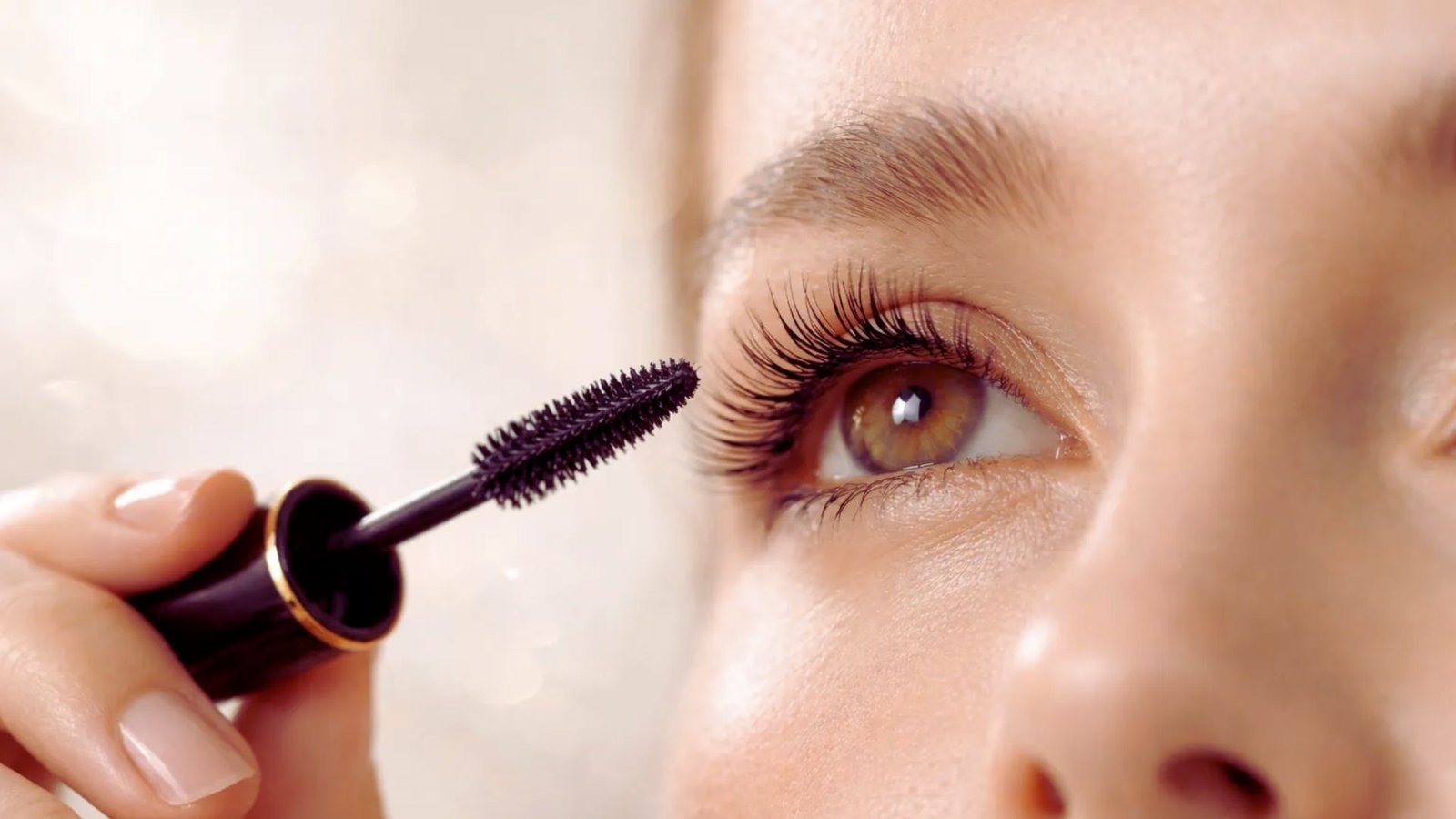
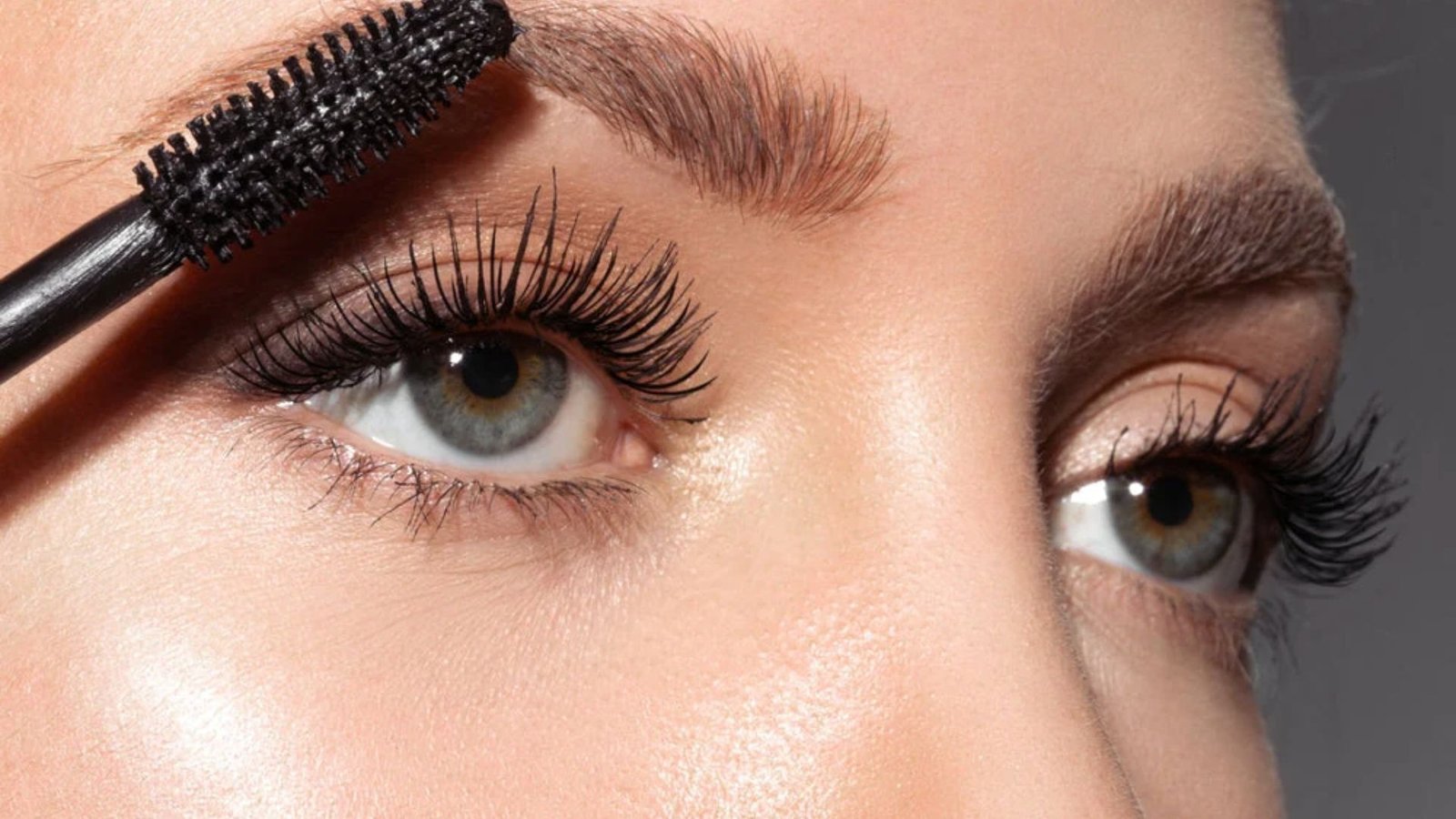
Mascara is a cosmetic applied to lashes to make them appear longer, fuller, or more curled, and comes in two main types; regular and waterproof.
Regular formulas are easier to remove, while waterproof versions require an oil-based remover for a clean takeoff.
Many people assume mascara itself is the culprit behind lash damage, but that’s not entirely accurate. Most damage stems from improper application, harsh removal, and overuse rather than the product itself.
Simply put, mascara isn’t the enemy, bad habits are.
Why Is Mascara Bad for Your Eyelashes? (Causes)
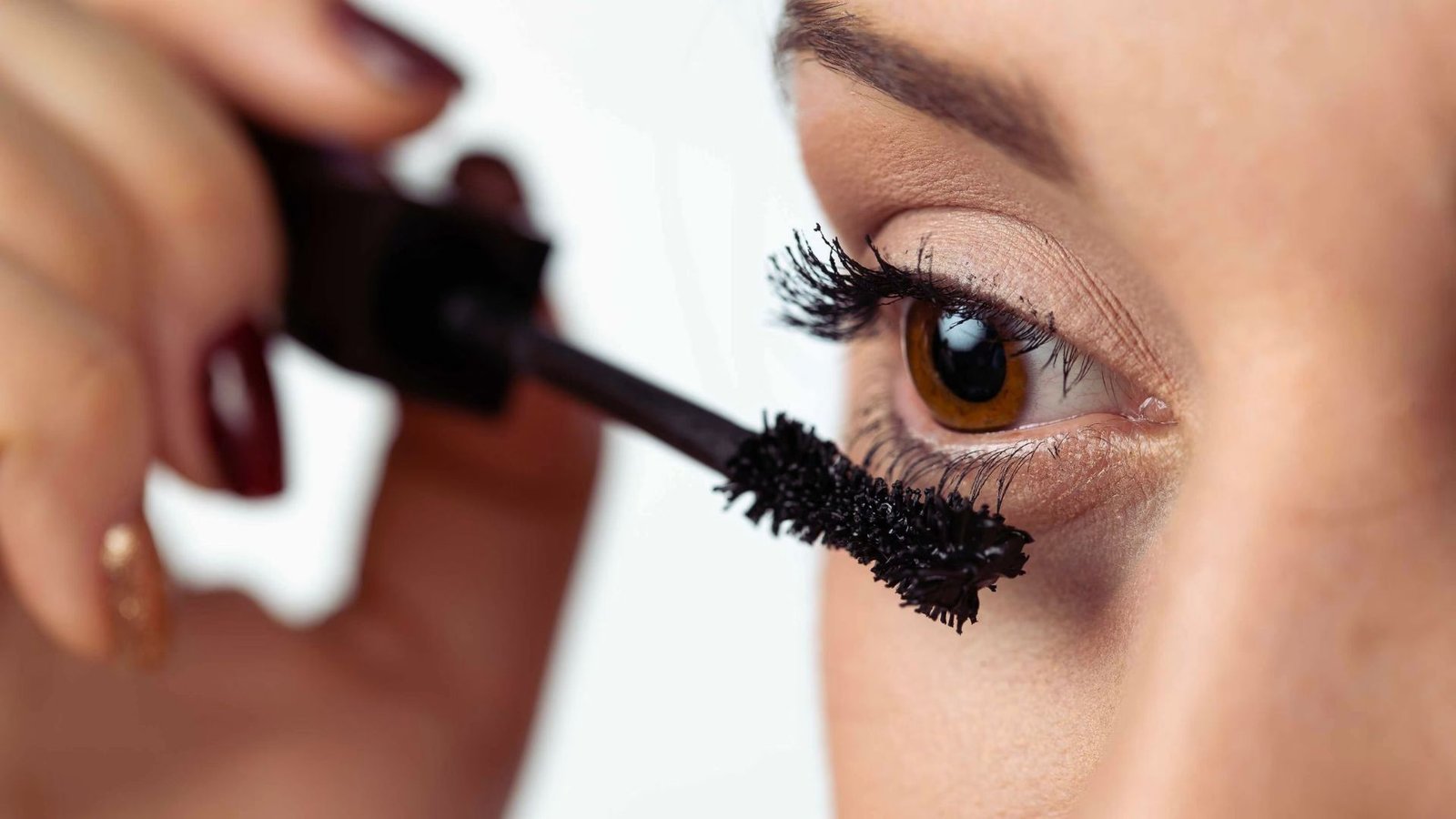
These are the actual habits and mistakes that put your lashes at risk every day.
Incorrect Removal Techniques
Rubbing your eyes to remove mascara is one of the most damaging things you can do. The skin around your eyes is thin and your lashes are fragile.
Using only water to remove waterproof mascara makes it worse. It forces you to rub harder, which pulls out lashes at the root.
Overuse and Heavy Application
Applying multiple coats every single day can make lashes stiff and brittle. When lashes lose flexibility, they break more easily.
Pumping the wand in and out of the tube pushes air inside. This dries out the formula and increases the chance of bacterial growth.
Sleeping with Mascara On
This is a habit many people admit to, especially after a long day. But leaving mascara overnight weakens lashes and causes breakage.
Mascara flakes while you sleep. Those flakes can fall into your eyes and cause irritation or infection over time.
Allergic Reactions and Irritation
Some mascaras contain fragrances, preservatives, or petroleum-based ingredients that irritate sensitive eyes. Redness, itching, and swelling are common signs.
Using expired or old mascara raises this risk even more. Old mascara carries bacteria that can harm both your eyes and your lashes.
Improper Use of Tools
Using a lash curler after mascara has already dried is a common mistake. Dried mascara makes lashes stick to the curler, and pressing down snaps them off.
Poorly fitted curlers or too much pressure cause the same damage.
Ingredients That Affect Lash Health

What is in your mascara tube matters just as much as how you use it.
Harmful Ingredients to Avoid
Look at the label before buying. Some ingredients do more harm than good.
Parabens and formaldehyde-releasing preservatives have been linked to irritation. Stiff waxes make lashes rigid and more likely to break.
Synthetic fragrances and dyes are common causes of allergic reactions.
Lash-Friendly Ingredients
Some mascaras are actually good for your lashes. Look for formulas that contain vitamin E, natural oils like argan or castor oil, and conditioning agents.
Flexible formulas do not stiffen the lash. They move with it, which means less breakage.
How to Protect Your Eyelashes While Using Mascara

Small changes in your routine can make a real difference in how your lashes look and feel.
Application Tips
Less is more when it comes to mascara. A mindful application goes a long way in keeping your lashes healthy.
- Apply one to two coats only
- Use a light hand and avoid pressing the wand too hard
- Do not pump the wand in the tube
- Let each coat dry before applying the next
Using Curlers Safely
Always curl your lashes before applying mascara, not after. This keeps the lashes flexible and reduces breakage.
Heated lash curlers are a gentler option. They shape lashes without gripping and pulling like a traditional clamp.
Choosing the Best Mascara
Hypoallergenic mascaras are made for sensitive eyes and are less likely to cause reactions. Clean beauty mascaras skip the harsh preservatives and synthetic fragrances.
Tubing mascaras form small tubes around each lash. They come off easily with warm water and do not require rubbing.
How to Remove Mascara Without Damaging Lashes

The way you take off your mascara matters just as much as how you put it on.
Oil-Based and Gentle Makeup Removers
Oil-based removers break down even waterproof mascara without needing force. Micellar water and cleansing balms also work well.
Less friction means less stress on the lash follicle. That is how you prevent long-term thinning.
Safe Removal
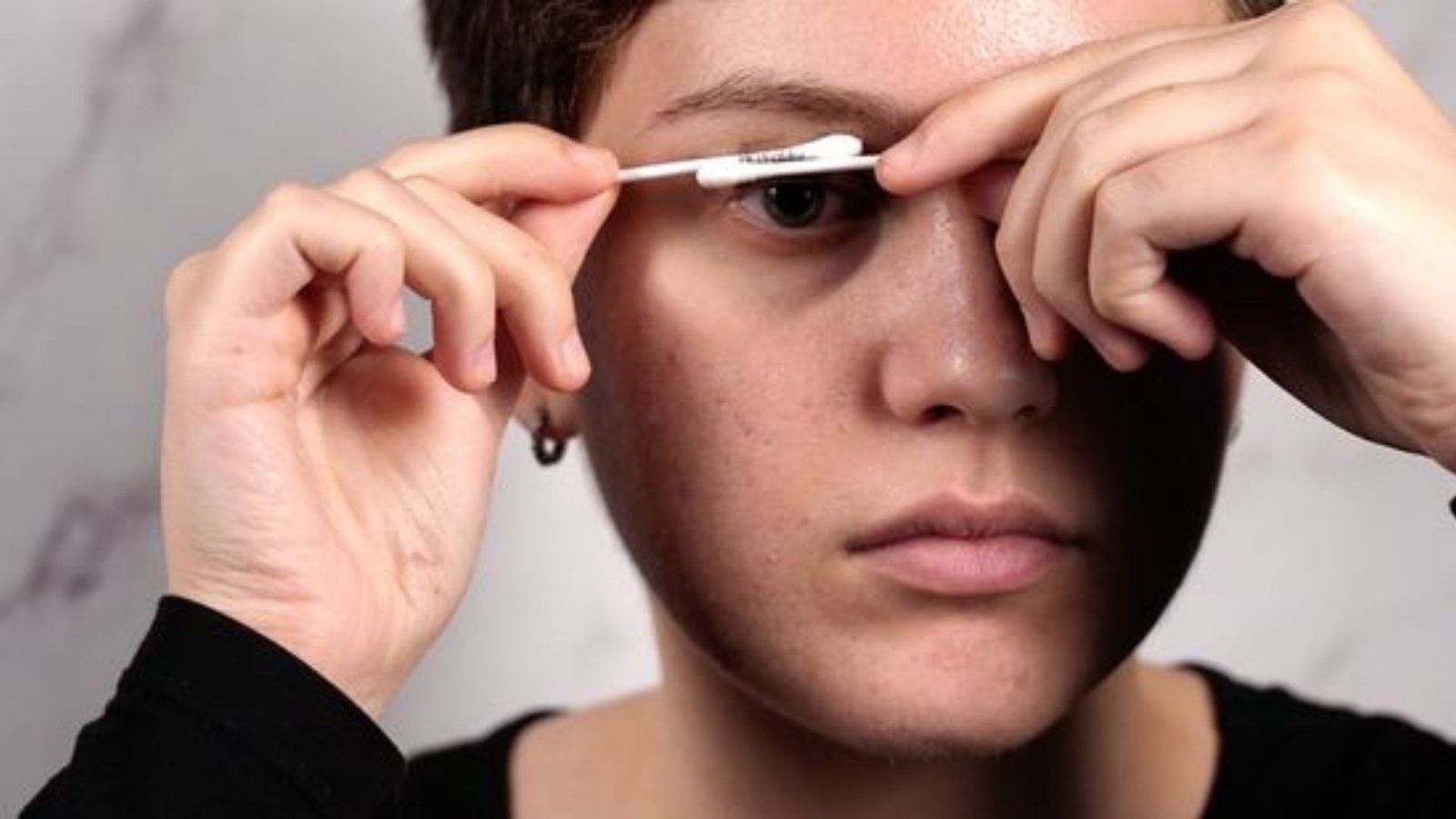
Soak a cotton pad in your remover. Hold it gently over your closed eye for 15 to 30 seconds. Let the remover do the work.
Then wipe softly in a downward motion. Never rub back and forth. If any mascara remains, repeat the process instead of scrubbing.
Common Mistakes That Damage Your Eyelashes

These everyday habits seem harmless but they are quietly weakening your lashes over time.
Rubbing Your Eyes to Remove Mascara
Many people wipe or rub their eyes at the end of the day to take off mascara quickly. This puts direct pressure on the lash follicle and pulls lashes out before they naturally shed.
Over time, this habit leads to noticeable thinning and sparse spots along the lash line.
Using Mascara Past Its Expiry Date
Old mascara is one of the most overlooked causes of lash and eye problems. Once a tube crosses three to four months, the formula breaks down and bacteria builds up inside.
Applying expired mascara can cause irritation, infection, and weakened lashes that fall out more easily.
Extra Tips for Healthy, Strong Lashes
Your lashes need care beyond mascara, just like the rest of your skin and hair.
- Apply castor oil or a lash serum at night to strengthen lashes from the root
- Take one to two no-makeup days each week to let your lashes recover
- Replace your mascara every three to four months to avoid bacteria buildup
- Always remove mascara fully before bed to prevent breakage and irritation
- Eat a diet rich in biotin, protein, and vitamins to support natural lash growth
Conclusion
Honestly, mascara is not the villain here. I used to think my lashes were just weak until I changed how I removed my makeup. That one shift made a visible difference.
Is mascara bad for your eyelashes? Not if you use it the right way. Choose a clean formula, apply it gently, remove it properly, and give your lashes rest days.
Small habits protect your lashes better than any product switch. If this helped you, share it with a friend who loves mascara as much as we do.
Frequently Asked Questions
Does mascara cause permanent lash loss?
No, mascara does not cause permanent lash loss on its own. Most damage comes from improper removal or overuse, both of which are fixable habits.
How often should I wear mascara to protect my lashes?
Wearing mascara three to five days a week with no-makeup days in between gives your lashes time to recover and stay healthy.
Is waterproof mascara worse for lashes than regular mascara?
Waterproof mascara requires stronger removers and more effort to take off, which can cause more friction and lash breakage over time.
Can I apply a lash serum while using mascara regularly?
Yes, you can apply a lash serum at night even if you wear mascara during the day. Just make sure your lashes are fully clean before applying.
What is the safest type of mascara for sensitive eyes?
Hypoallergenic and tubing mascaras are the safest options. They skip common irritants and come off with minimal rubbing, which reduces stress on both lashes and eyes.