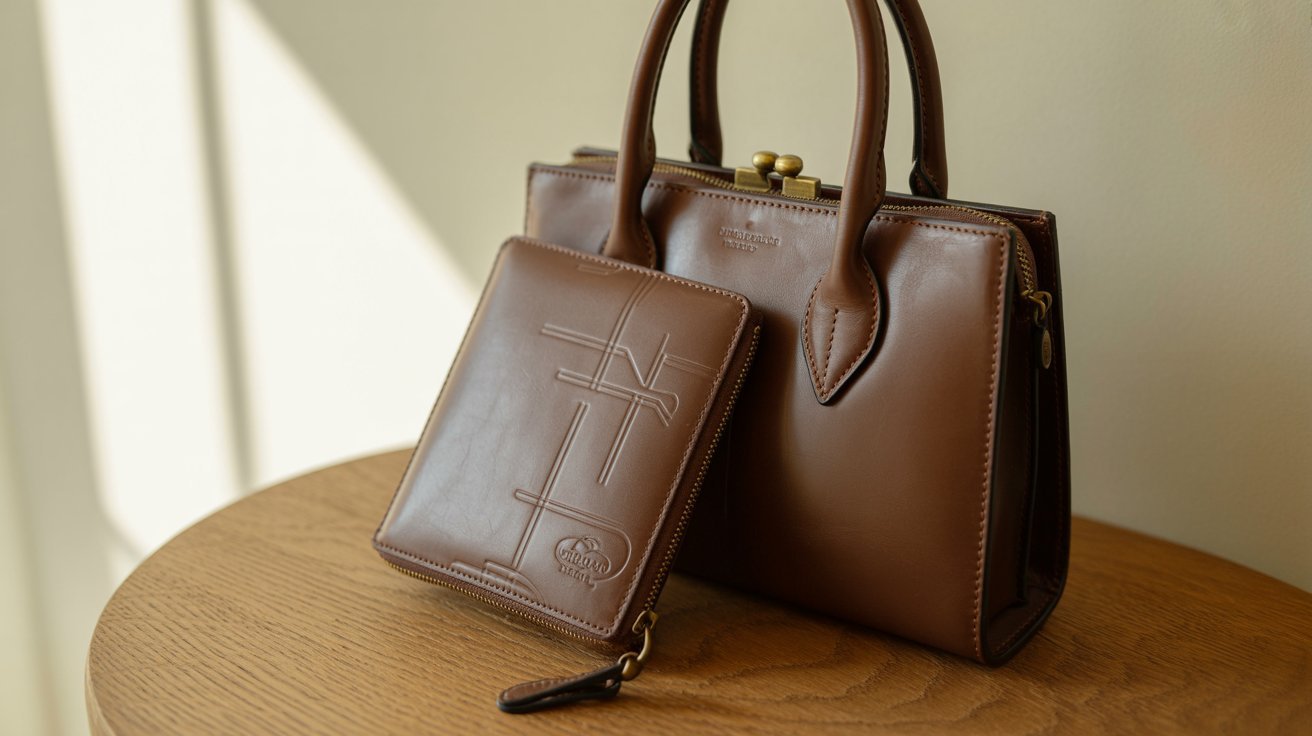
Vegan leather is everywhere right now. Bags, sofas, jackets, car seats.
But the big question is: does it actually last? Nobody wants to spend money on something that peels apart after a year.
I get that concern completely. In this article, I cover how durable vegan leather really is, how long it lasts based on quality, and simple ways to make it last longer.
I have spent time researching different types so you can shop smarter and get real value from every purchase.
What Is Vegan Leather?
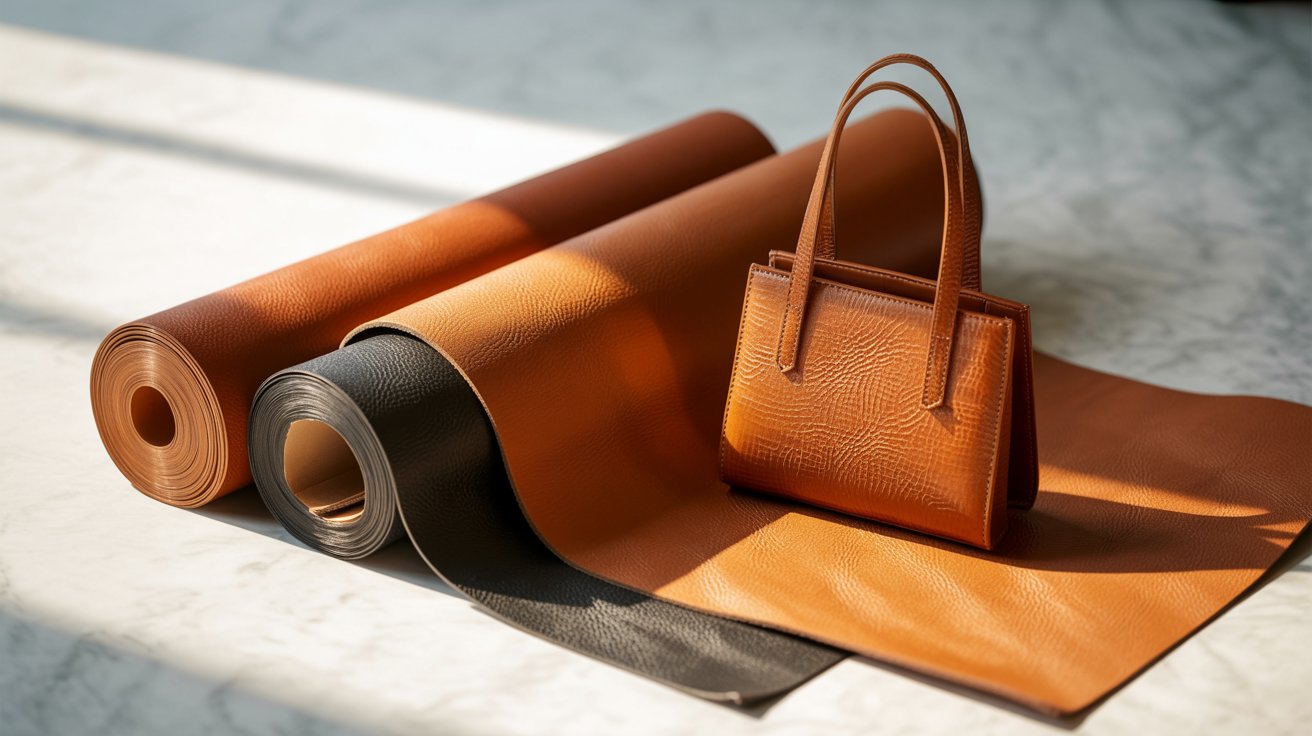
Vegan leather looks and feels like animal leather but uses no animal products at all.
Vegan leather is made from man-made or plant-based materials. The most common types are PU (polyurethane) and PVC (polyvinyl chloride).
PU is softer and more flexible, while PVC is stiffer and more budget-friendly. Both are widely used in bags, furniture, and clothing.
Plant-based options like apple, mushroom, and pineapple leather are also growing in popularity. These newer materials are made from agricultural waste and offer a more natural alternative.
Quality varies greatly across all types, depending on how the material is made, what it is layered with, and how thick the coating is.
Is Vegan Leather Durable?
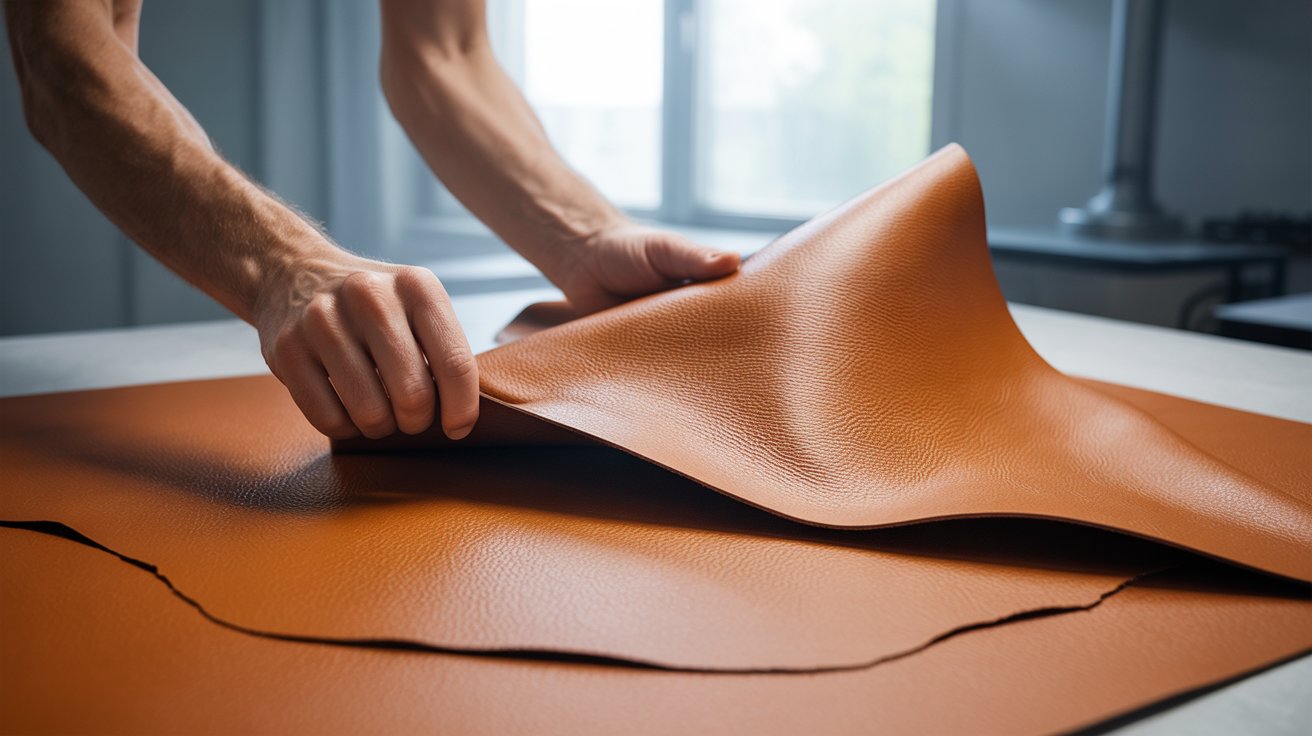
Yes, vegan leather can be durable, but the quality of the material decides everything.
Short Answer: Yes, With the Right Quality
Well-made vegan leather holds up well in daily use, resists water, and keeps its shape for years. Choosing the right product from the start makes all the difference.
What Determines Durability
PU tends to last longer than PVC, and coating thickness along with fabric backing adds real strength. Poor craftsmanship and weak seams will reduce the life of any product, no matter the material.
How Long Does Vegan Leather Last
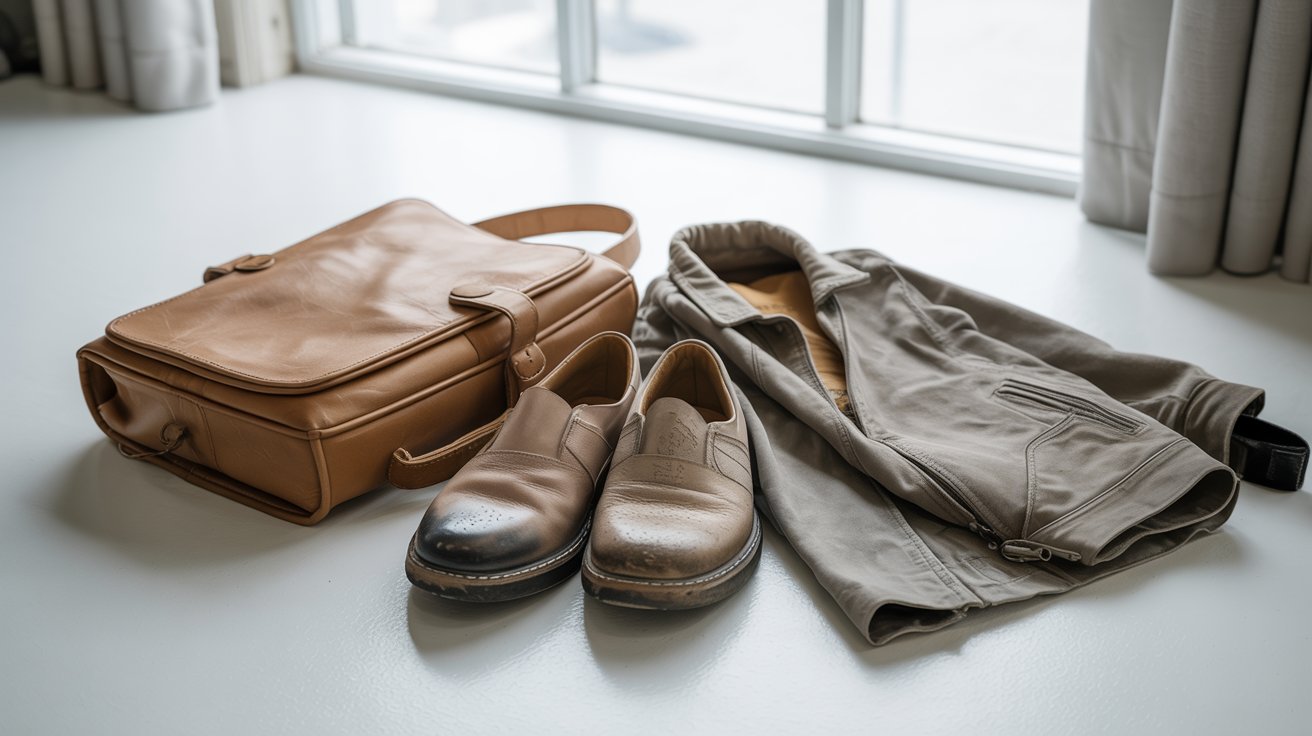
The lifespan of vegan leather depends on quality, care, and how often you use it.
Average Lifespan by Quality
Low-quality vegan leather lasts 1 to 2 years, mid-range options last 2 to 5 years, and high-quality pieces hold up 5 years or more. Some well-made products last close to a decade with proper care.
Factors That Affect Lifespan
Daily use speeds up wear, and sun exposure along with heat dries out the surface coating over time. Regular cleaning and proper storage extend the life of any vegan leather item by a lot.
Does Vegan Leather Withstand Wear and Tear

Daily use puts real pressure on any material, and vegan leather handles it reasonably well.
Tensile Strength and Flexibility
Vegan leather resists pulling and stretching under normal conditions, and PU handles bending better than PVC. Some plant-based leathers stay flexible well, while others crack under repeated bending.
Abrasion Resistance and Daily Use
Everyday contact does not cause visible damage quickly, but rough surfaces and repeated friction wear the coating down over time. The quality of the top coating decides how long the surface stays looking good.
Common Problems Over Time
Cracking happens when the surface coating dries out, peeling occurs when the coating separates from the backing fabric, and fading sets in with long sun exposure. Low-quality products show all three problems much faster than high-quality ones.
Vegan Leather vs Real Leather Durability

Real leather and vegan leather age very differently, and both come with real pros and cons.
Which Material Lasts Longer
Real leather lasts 20 to 30 years, while high-quality vegan leather reaches 5 to 10 years. Vegan leather costs far less though, making it a reasonable pick for budget-conscious buyers.
Key Differences in Aging
Vegan leather tends to crack or peel with age, while real leather develops a patina that actually improves its look over time. Real leather also softens and molds to the user, which vegan leather does not do.
Maintenance and Practical Use Comparison
Real leather needs regular conditioning with oil or cream, while vegan leather just needs a damp cloth for most spills. For everyday convenience, vegan leather is the simpler and more practical option.
Is Vegan Leather Durable for Furniture

Vegan leather furniture holds up well when you choose the right material and keep up with basic care.
Performance on Sofas and Chairs
Vegan leather sofas and chairs hold their shape and color well for several years in most home environments. The surface does not absorb spills, which makes it a practical pick for families.
Resistance to Scratches, Spills, and Daily Use
Most liquids wipe off cleanly without leaving marks, but sharp objects and heavy friction can damage the surface coating over time. PU leather handles scratches better than PVC and is the stronger pick for high-use furniture.
Best Vegan Leather Types for Furniture
PU leather is the top choice for furniture since it is soft, flexible, and resistant to cracking under daily use. Plant-based leathers are newer in this space but are showing good results in early durability tests.
Is Vegan Leather Durable for Pets
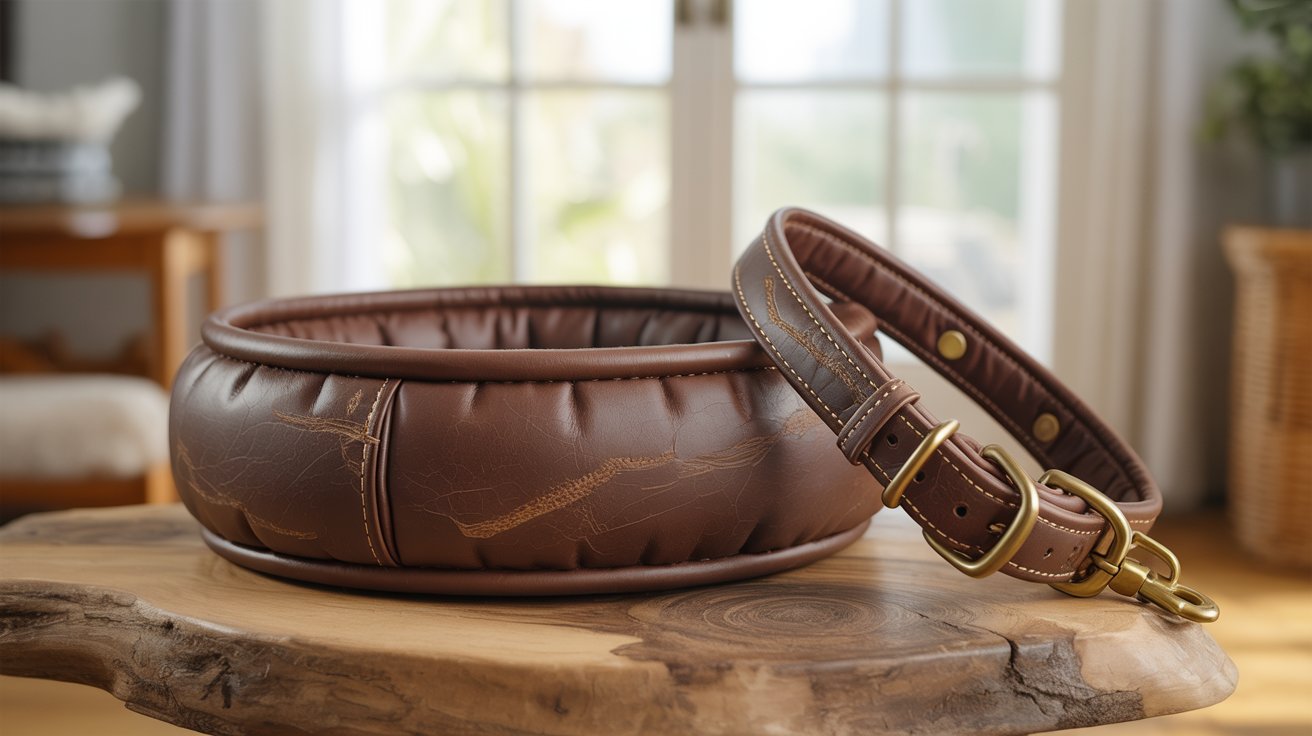
Vegan leather can work for pet owners, but picking the right type makes all the difference.
Scratch Resistance from Cats and Dogs
Cats are the biggest challenge since their claws can pierce surface coatings quickly, while dogs cause less damage overall. Thicker PU leather and microfiber-backed options handle pet scratches far better than thin or PVC-based materials.
Ease of Cleaning and Maintenance
Pet hair wipes off easily, and accidents clean up quickly with a damp cloth and mild soap. There is no deep absorption the way fabric sofas have, which makes cleanup much faster.
Tips to Make Vegan Leather Last Longer
Small habits make a big difference in how long your vegan leather holds up.
- Wipe down vegan leather weekly with a damp cloth and mild soap, then dry it right away to stop moisture from sitting on the surface
- Keep vegan leather away from direct sunlight and heat sources since UV rays and high temperatures are the top causes of cracking and fading
- Store bags and accessories in a cool, dry place and stuff them with paper to hold their shape when not in use
- Do not overload bags or stretch vegan leather beyond its normal use, as constant stress on seams and surface areas speeds up wear
- Apply a light water-repellent spray occasionally to add extra protection against moisture, minor scratches, and everyday surface damage
Conclusion
Vegan leather can absolutely last, and I say that from real experience.
I own a vegan leather bag I bought three years ago, and it still looks great because I clean it often and keep it out of the sun. The key is buying quality and caring for it properly.
If you want an affordable, low-maintenance style, vegan leather is a solid pick.
Drop a comment below and tell me how your vegan leather pieces are holding up. I would love to hear what has worked for you.
Frequently Asked Questions
Is vegan leather durable?
Yes, vegan leather is durable when you choose mid to high-quality options. Material type, thickness, and manufacturing quality all decide how well it holds up over time.
How long does vegan leather last?
Low-quality vegan leather lasts 1 to 2 years, while mid-range options last 2 to 5 years. High-quality vegan leather can last 5 years or more with proper care.
Is vegan leather durable for pets?
Vegan leather can work well for pet owners, but cats and dogs may scratch the surface over time. Thicker PU leather handles pet damage better and cleans up very easily.
Is vegan leather durable for furniture?
Yes, vegan leather furniture holds up well for daily home use with basic cleaning habits. PU-based furniture resists spills and maintains its shape for several years.
Does vegan leather crack or peel over time?
It can, and cracking and peeling are the most common long-term problems with vegan leather. They happen faster with low-quality materials, heat exposure, and lack of regular care.