
Finding a new bump, lump, or spot on your face can feel unsettling.
I’ve been there too, standing in front of the mirror, wondering if it’s something serious or just another harmless growth.
Most of the time, it’s nothing to panic about. This guide covers the most common types of skin growths on the face, what causes them, how to tell if they’re benign, and what treatments actually work.
With years of research and firsthand experience in skincare, I’ll help you make sense of it all.
What Are Skin Growths on Face?

Not every bump or spot on your face is a problem. Here’s what you need to know first.
Skin growths on the face are tissue formations that develop on or just beneath the skin’s surface. They can be raised or flat, smooth or rough, and range in color from white to dark brown.
Most are benign and completely harmless. They vary by type, cause, and appearance.
Knowing what a growth is helps you decide whether to monitor it at home or get it professionally checked.
Symptoms of Skin Growths on Face
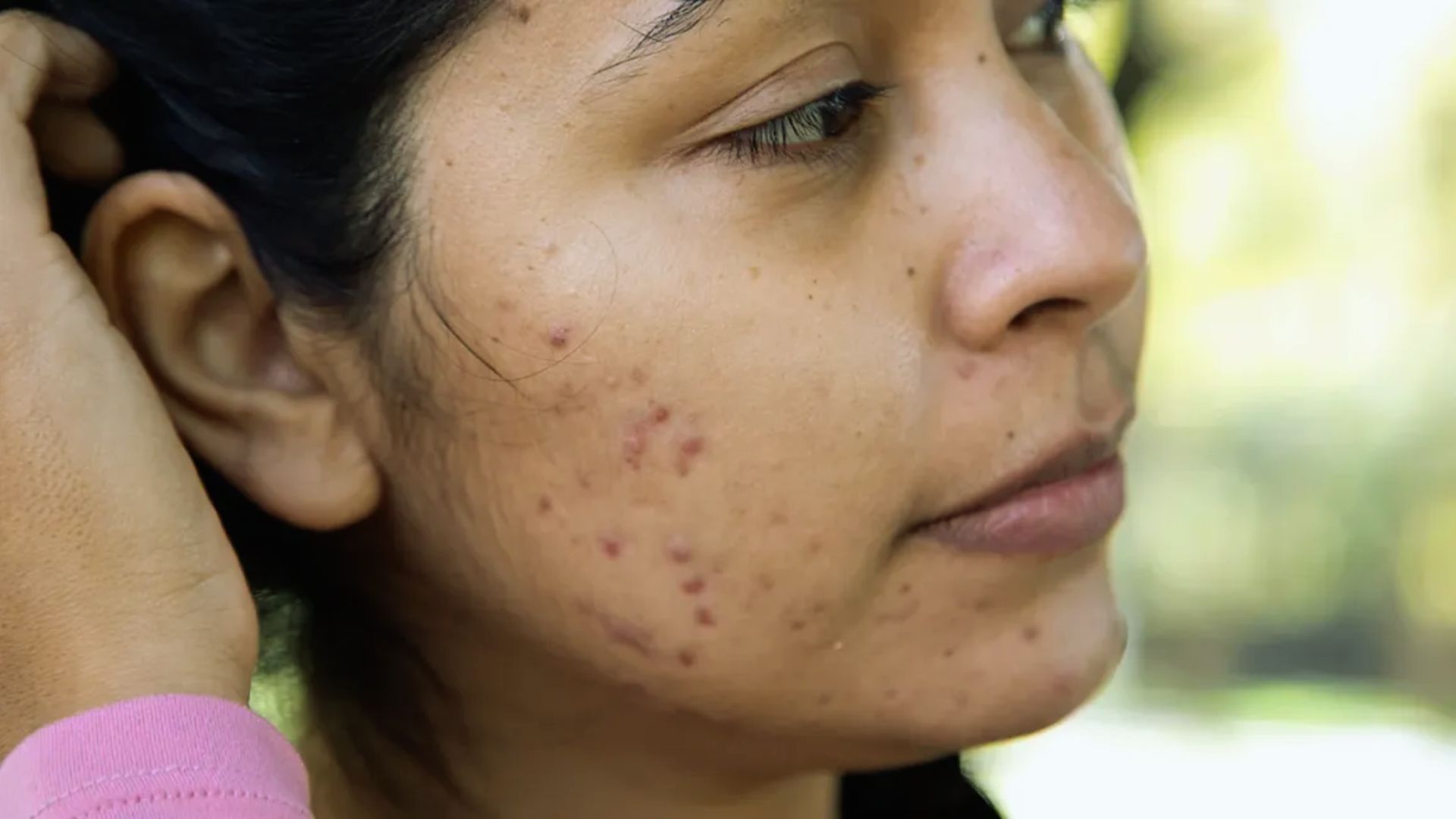
Symptoms vary widely depending on the type of growth and how your skin reacts.
Common Signs to Look For
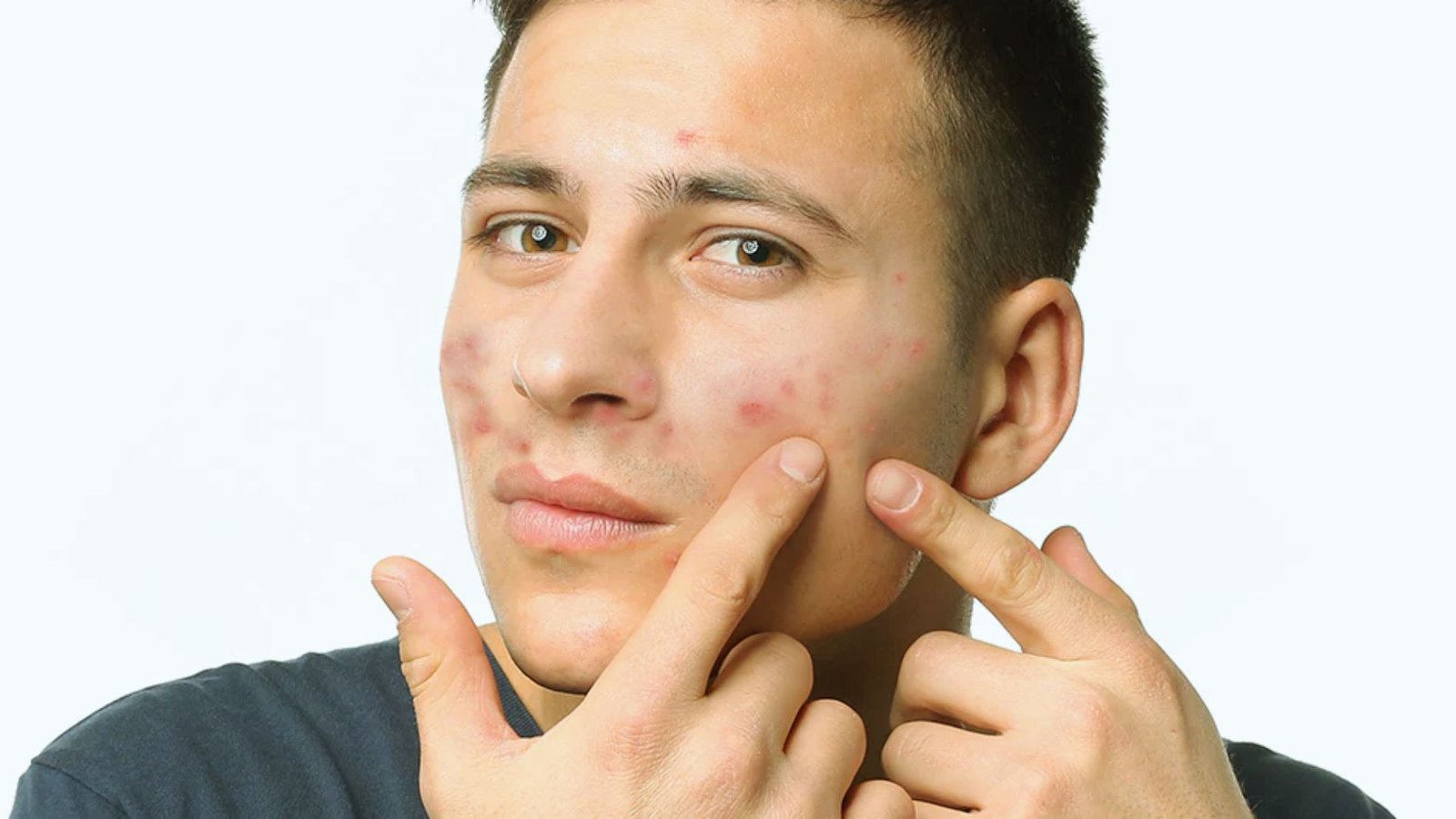
Skin growths on the face can appear as small bumps, flat patches, or raised lumps.
They vary in color from white to black and in texture from smooth to rough. Size and feel depend entirely on the type of growth.
Symptoms Based on Type
White skin growths on the face are usually milia, tiny cysts just under the skin.
Raised types like skin tags and seborrheic keratosis sit above the surface. Flat growths like freckles stay at skin level, while wart-like growths feel rough and uneven.
When Symptoms May Be Concerning
Bleeding, itching, or irritation that does not settle on its own needs attention.
A noticeable change in size or shape over a short period is a red flag. Pain or sensitivity when touching a growth should never be ignored.
Types of Skin Growths on Face
There are several distinct types, and each one looks and behaves differently.
Moles (Nevi)
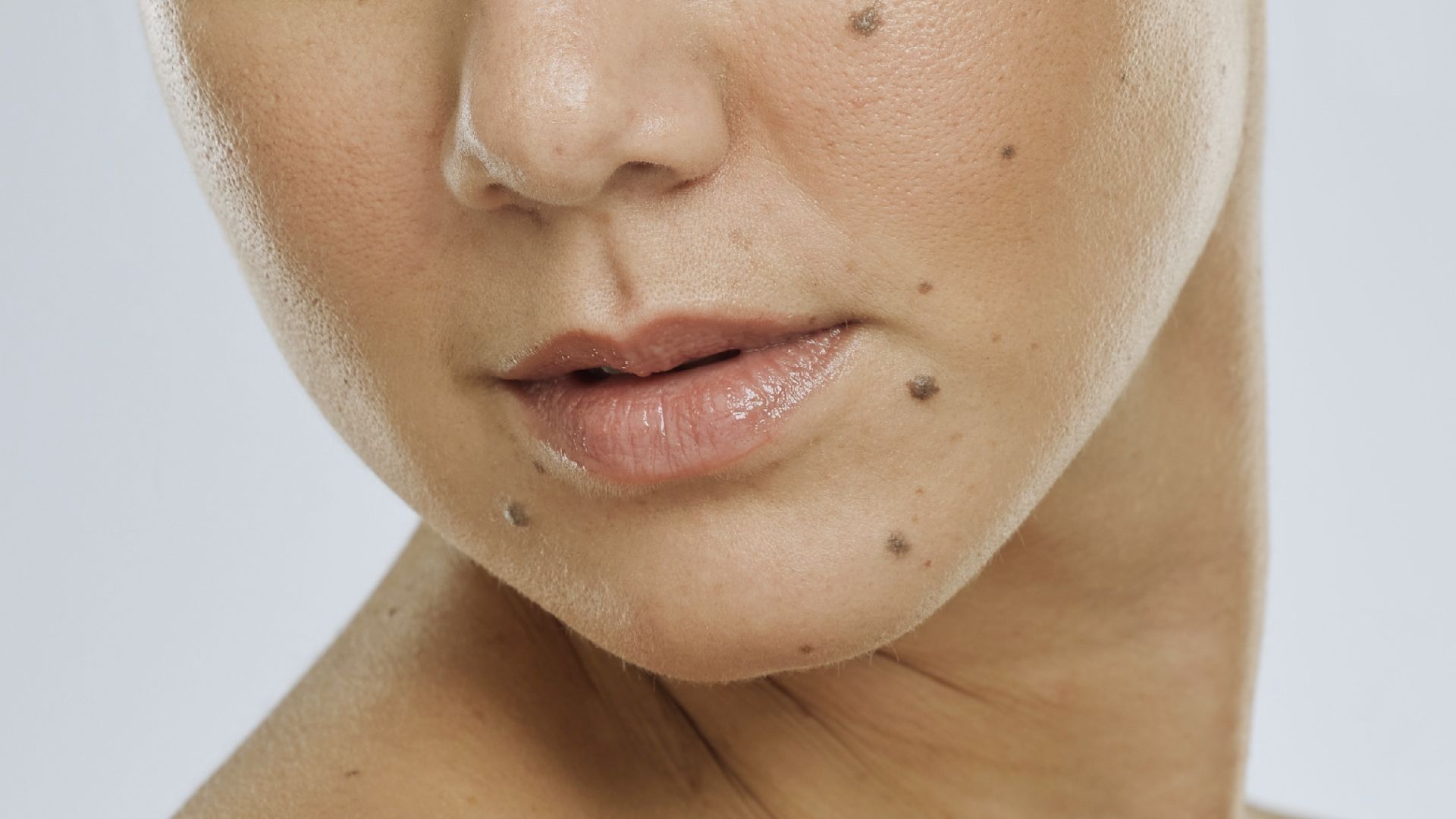
Moles appear as round or oval spots in brown, black, or skin tones.
Most are benign and stay stable for years without changing. See a dermatologist if a mole shifts in size, shape, or color.
Skin Tags (Small Skin Growths on Face)
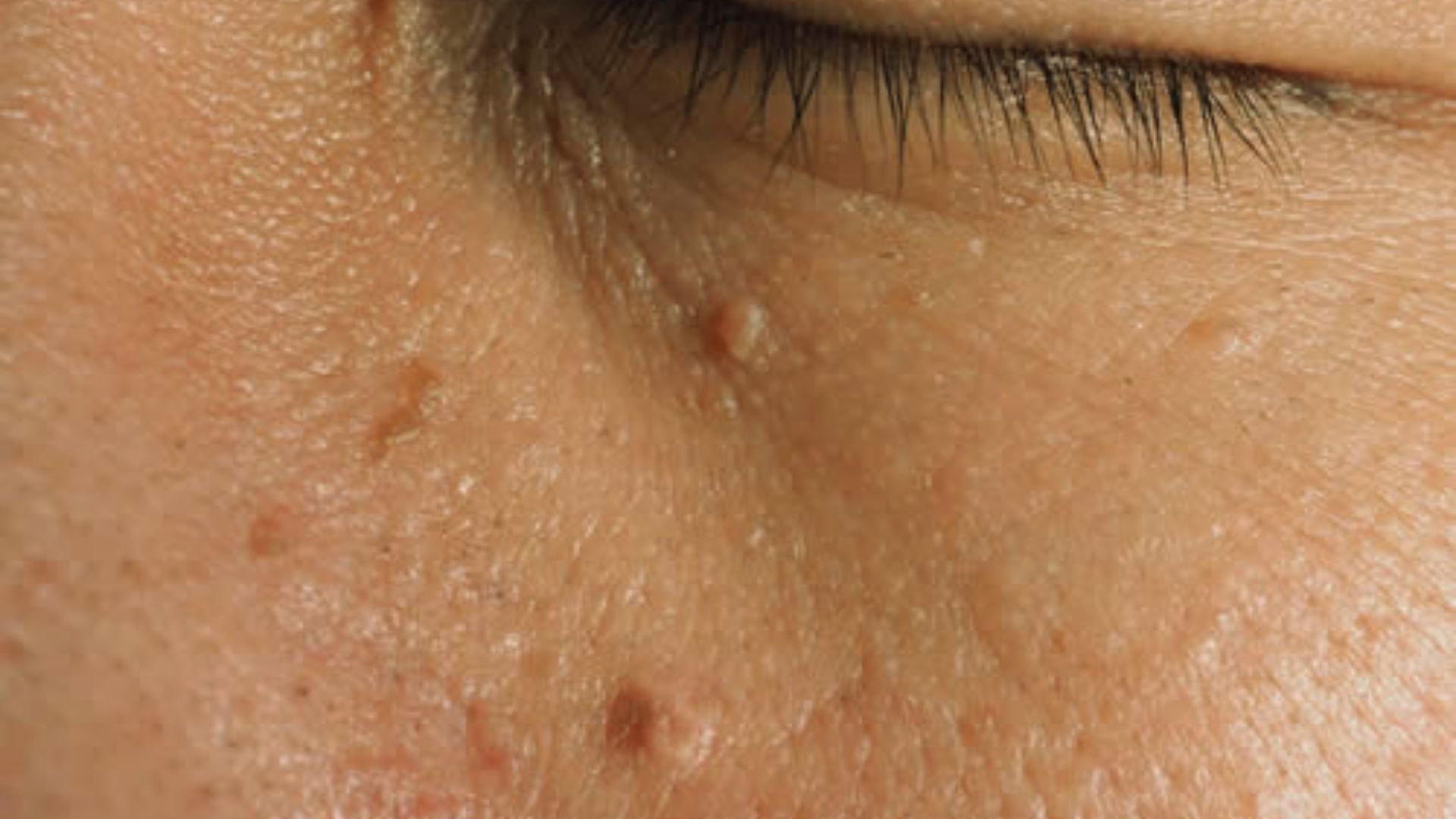
Skin tags are soft, small growths that hang off the skin on a thin stalk.
They are harmless and painless and tend to form where skin rubs together. Many people choose removal for cosmetic reasons.
Seborrheic Keratosis (Raised Skin Growths on Face)
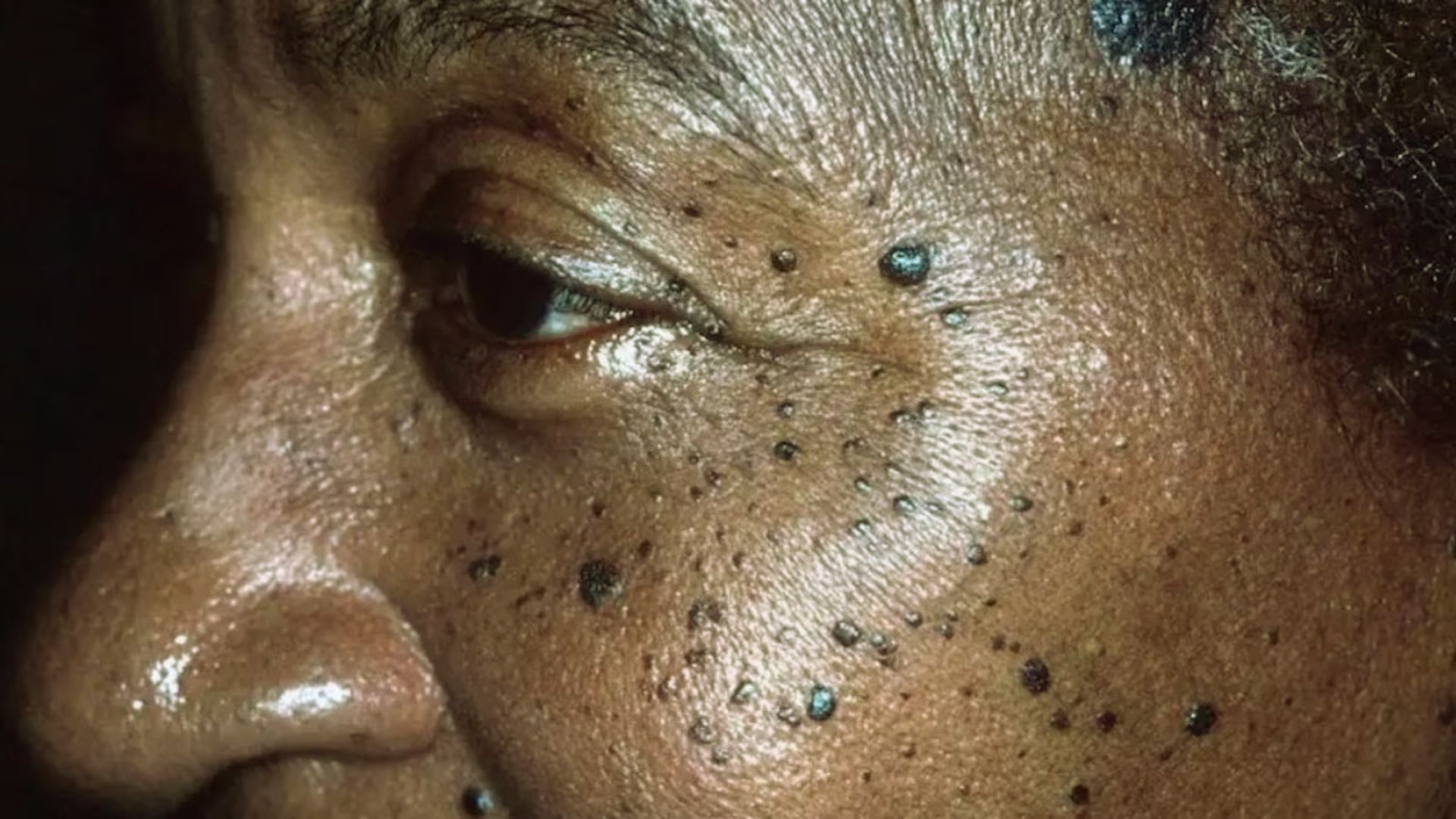
These are raised, waxy growths ranging from light tan to dark brown.
They are non-cancerous and become more common with age. No treatment is needed unless they cause irritation or discomfort.
Milia (White Skin Growths on Face)
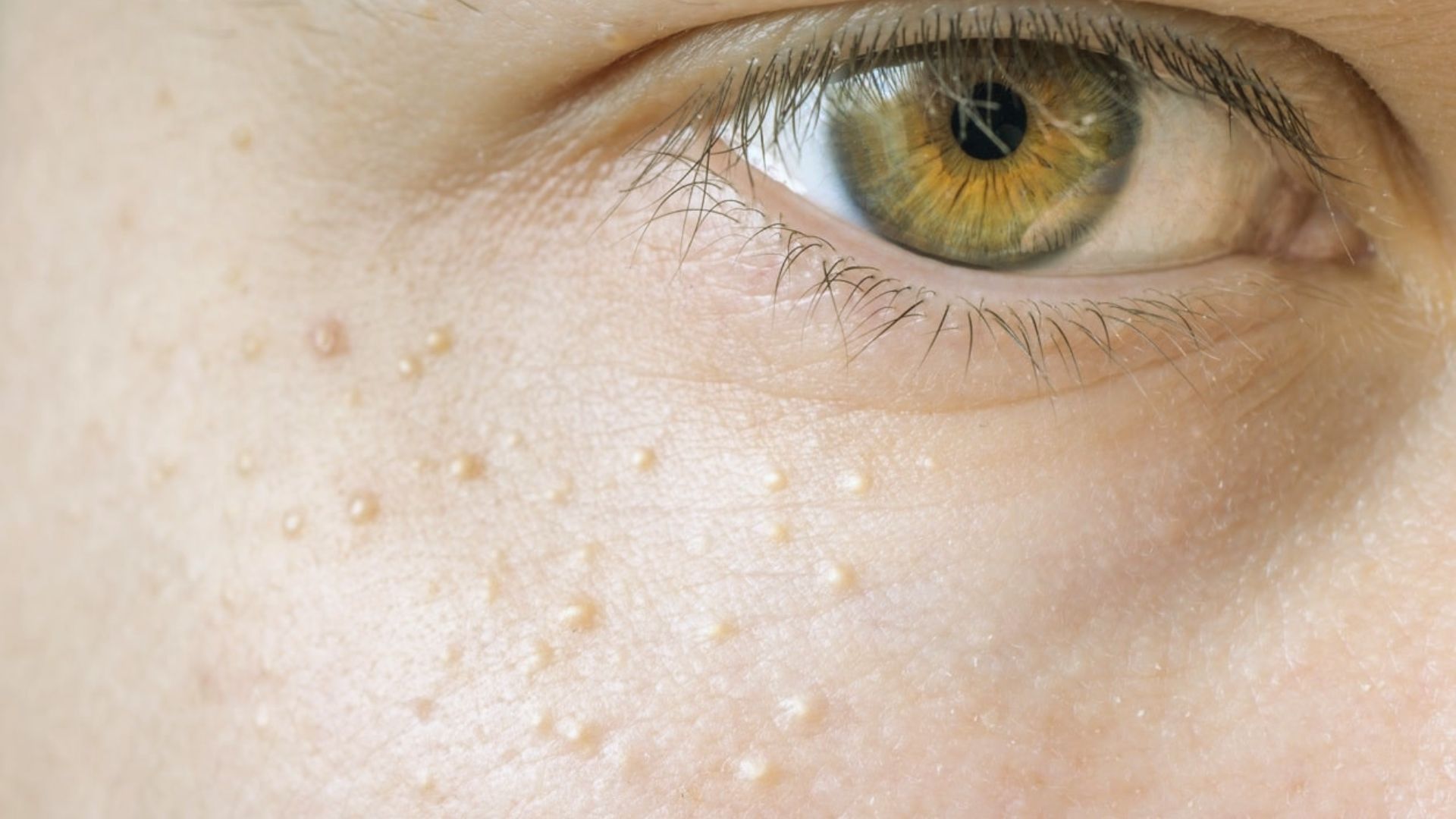
Milia are tiny white cysts formed when dead skin cells get trapped under the surface.
They are common in both adults and newborns. Many clear up on their own, though professional extraction is also an option.
Cherry Angiomas (Red Growths)
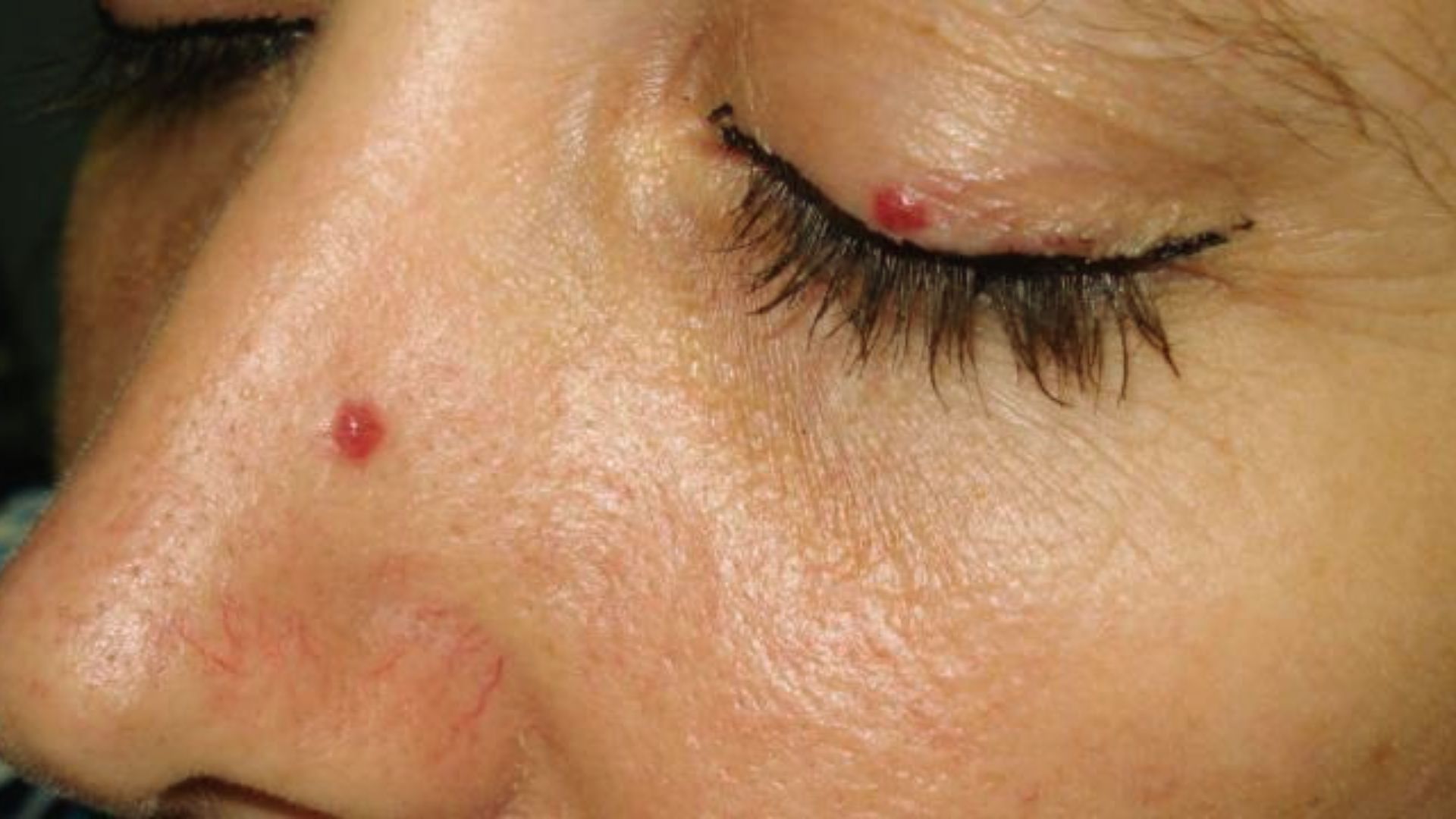
Cherry angiomas are bright red, dome-shaped growths made of small blood vessels.
They are completely harmless and do not turn cancerous. Laser treatment or electrocautery can remove them if needed.
Skin Growths on Face That Look Like Warts
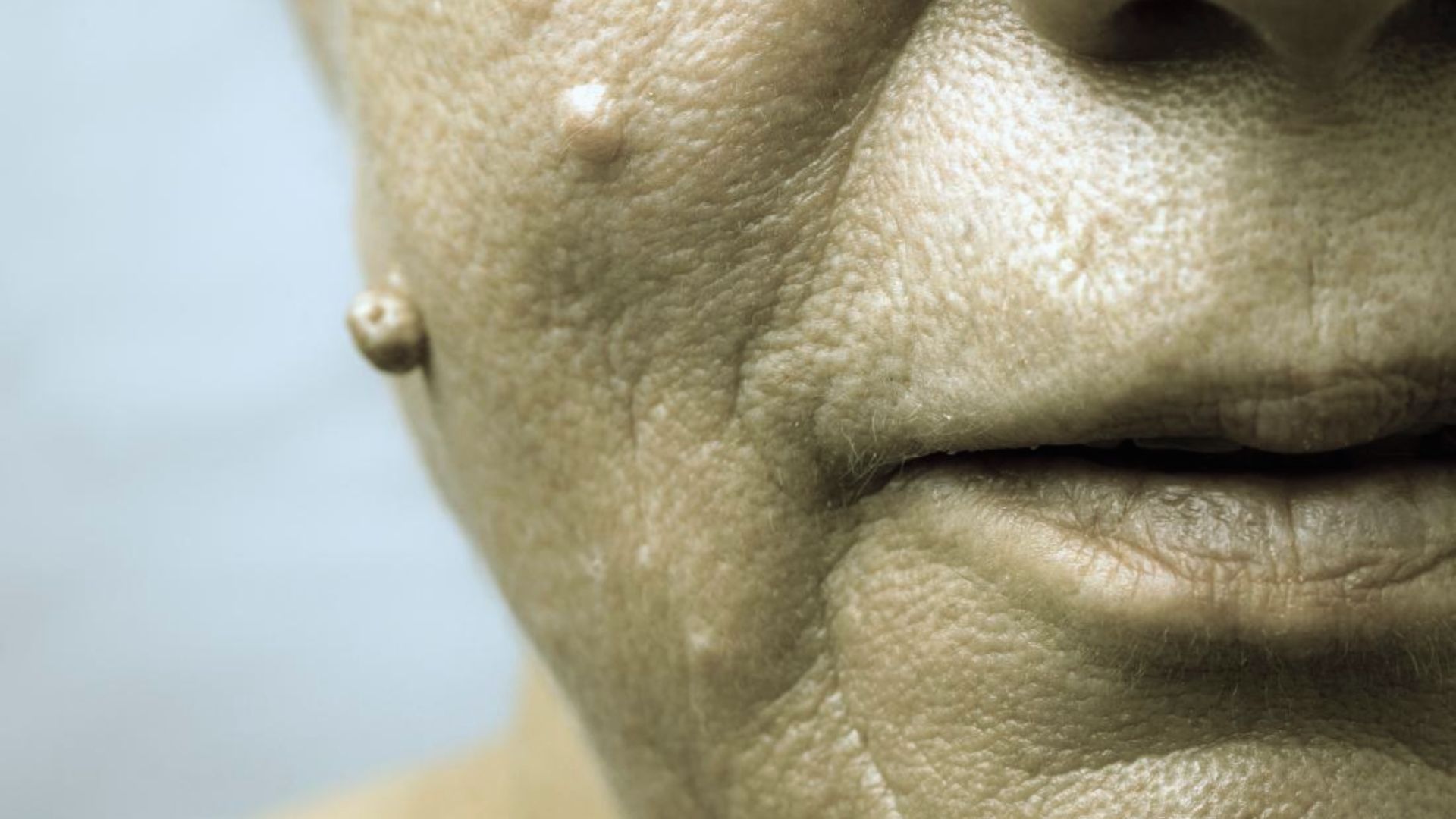
Wart-like growths are caused by HPV and have a rough, irregular surface.
They spread through direct skin contact and are contagious. Treatment includes cryotherapy, topical medications, or laser removal.
What Causes Skin Growths on the Face?
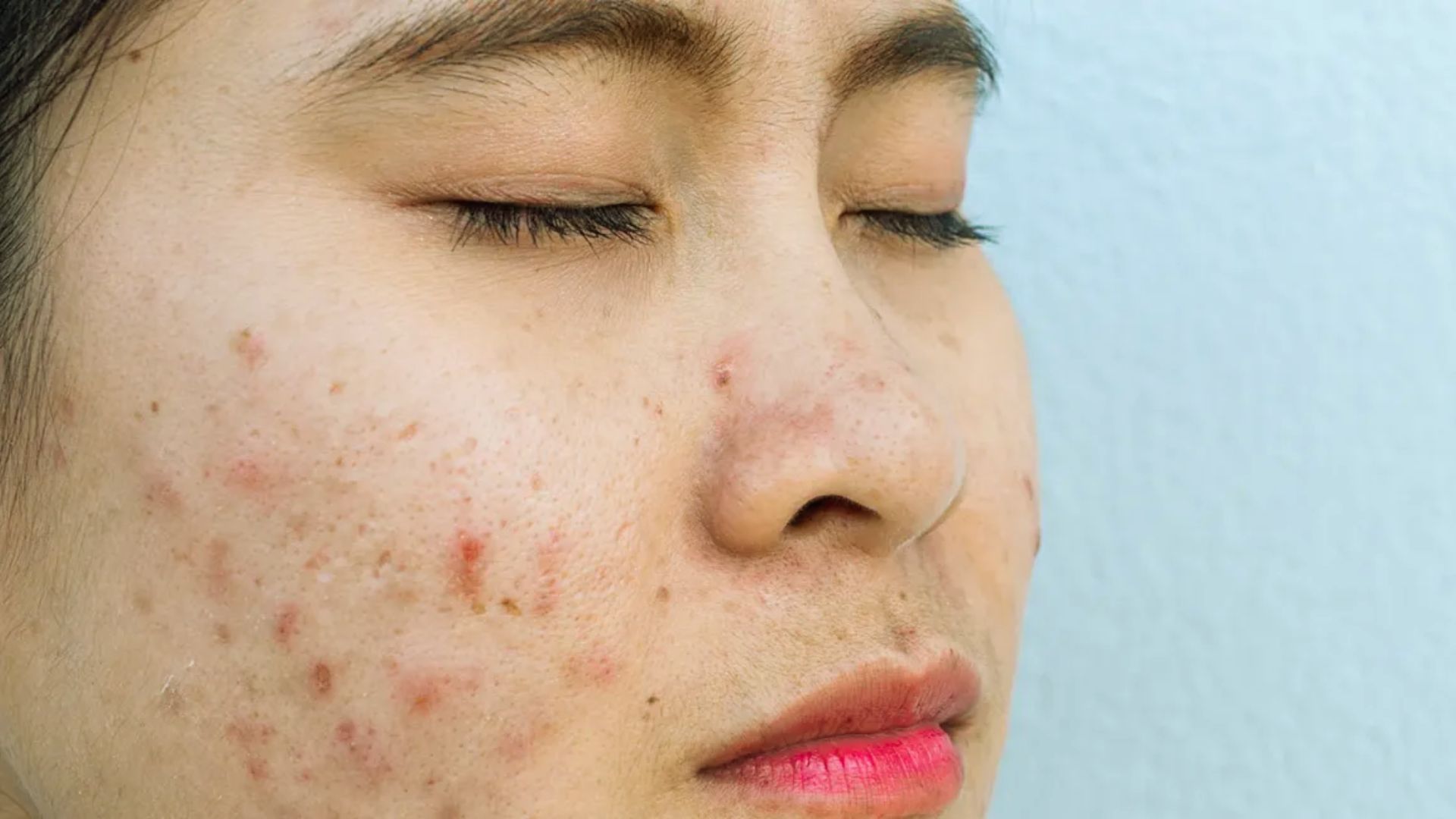
Understanding the cause helps you manage and prevent future growths more effectively.
Aging and Natural Skin Changes
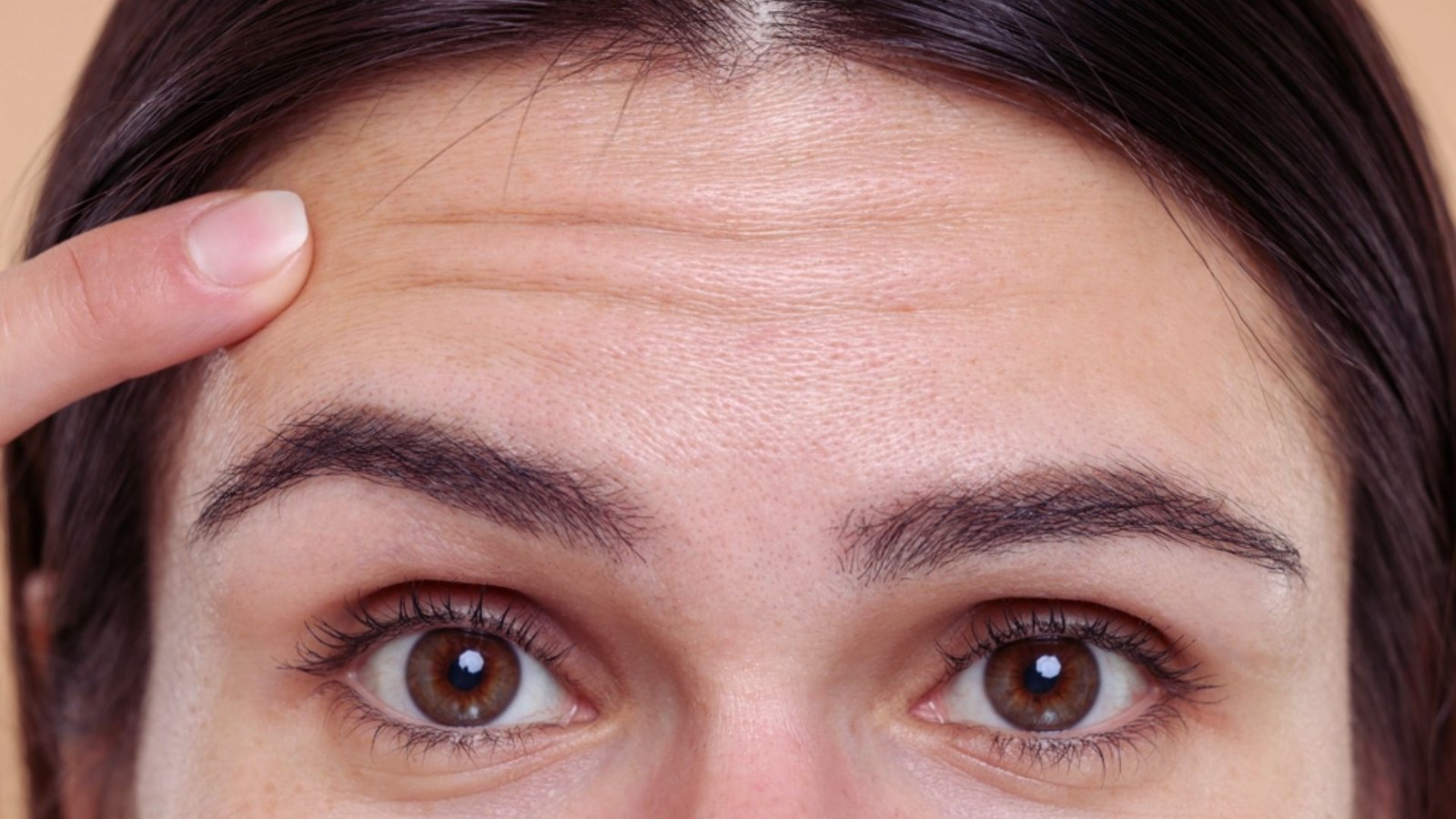
As skin ages, cell turnover slows and tissue changes become more frequent.
Skin tags, cherry angiomas, and seborrheic keratosis grow more common after 40. Aging skin is also more prone to oil gland irregularities.
Sun Exposure and UV Damage
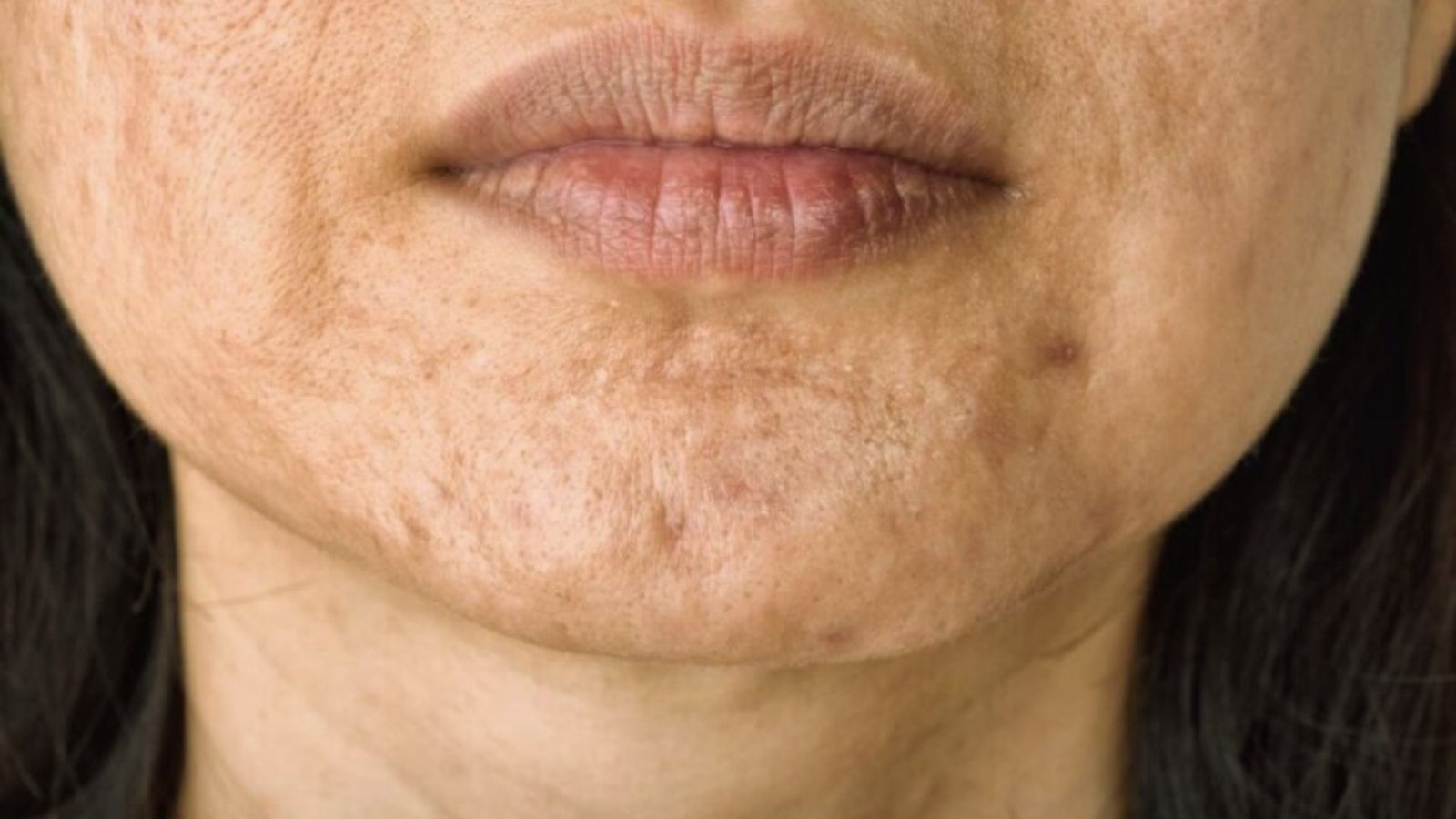
UV radiation speeds up melanin production, leading to freckles and dark spots.
Long-term sun damage can trigger abnormal cell growth over time. Daily sunscreen use significantly lowers this risk.
Genetics and Skin Type
Your genetic makeup largely determines what types of growths you develop.
If your parents had moles or skin tags, you are more likely to get them too. Fair-skinned people tend to be more prone to sun-related skin changes.
Hormonal Changes
Hormonal shifts during pregnancy or menopause can trigger new skin growths.
Skin tags in particular tend to appear during pregnancy due to friction and hormonal activity. These shifts can also affect oil gland function.
How to Identify Non-Cancerous Skin Growths on Face
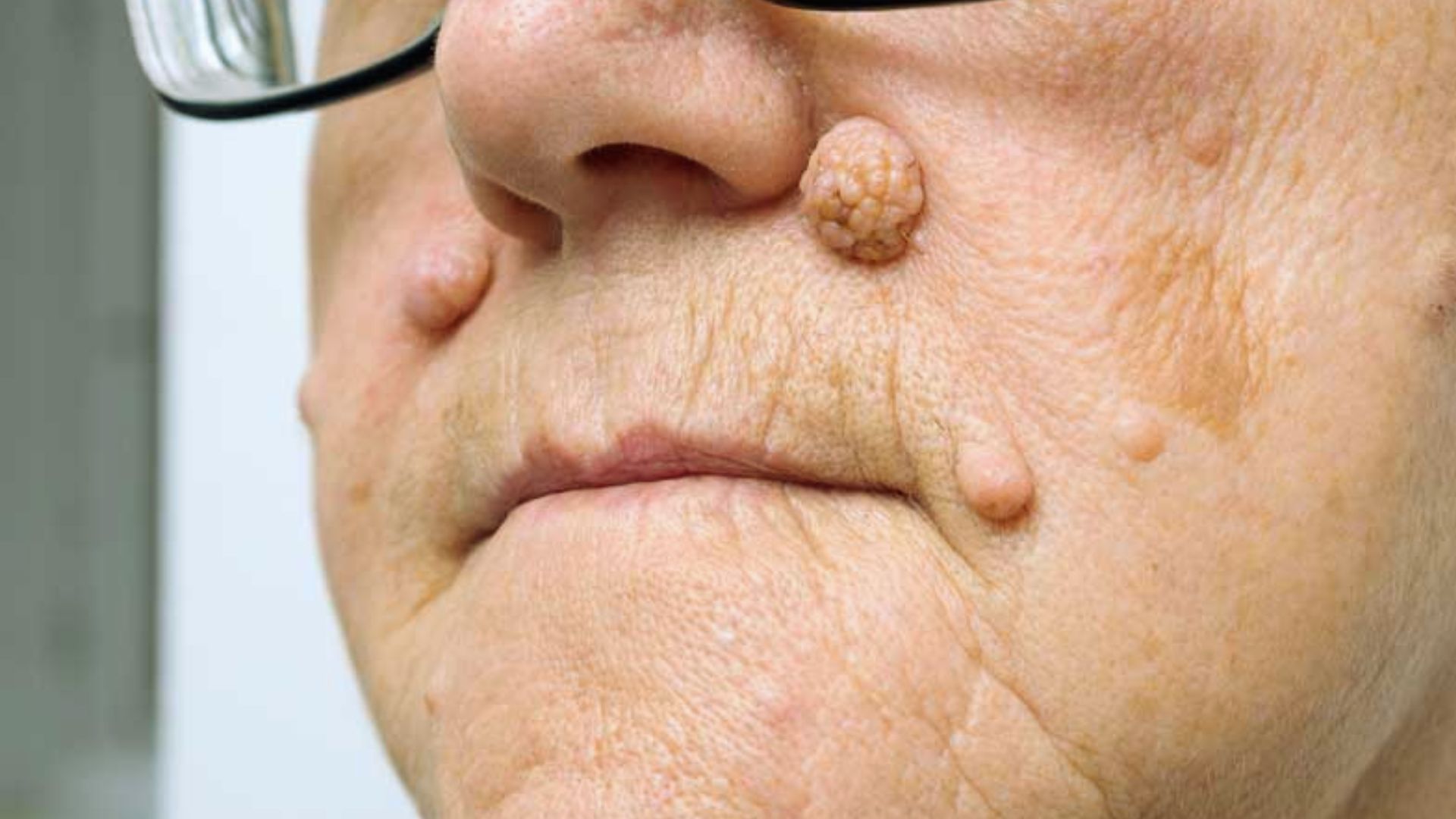
Knowing the signs of a benign growth helps you stay calm and make informed decisions.
Signs of Benign Skin Growths on Face
Benign growths have a uniform color, consistent texture, and stable size over time.
They do not bleed on their own or cause ongoing pain. Most stay the same for years with no noticeable change.
Differences Between Benign and Concerning Growths
Benign growths have well-defined borders, even coloring, and no symptoms.
Concerning growths often show irregular edges, multiple colors, and an uneven surface. Any growth that changes quickly or causes discomfort needs professional review.
The ABCDE Rule for Moles
A is for Asymmetry, where one half does not match the other. B is for Border, meaning edges are ragged or blurred. C is for Color, with uneven shades of brown, black, or red.
D is for a diameter larger than 6 millimeters. E is for Evolving, meaning the mole is actively changing. See a dermatologist right away if any of these apply.
Treatment Options for Skin Growths on Face
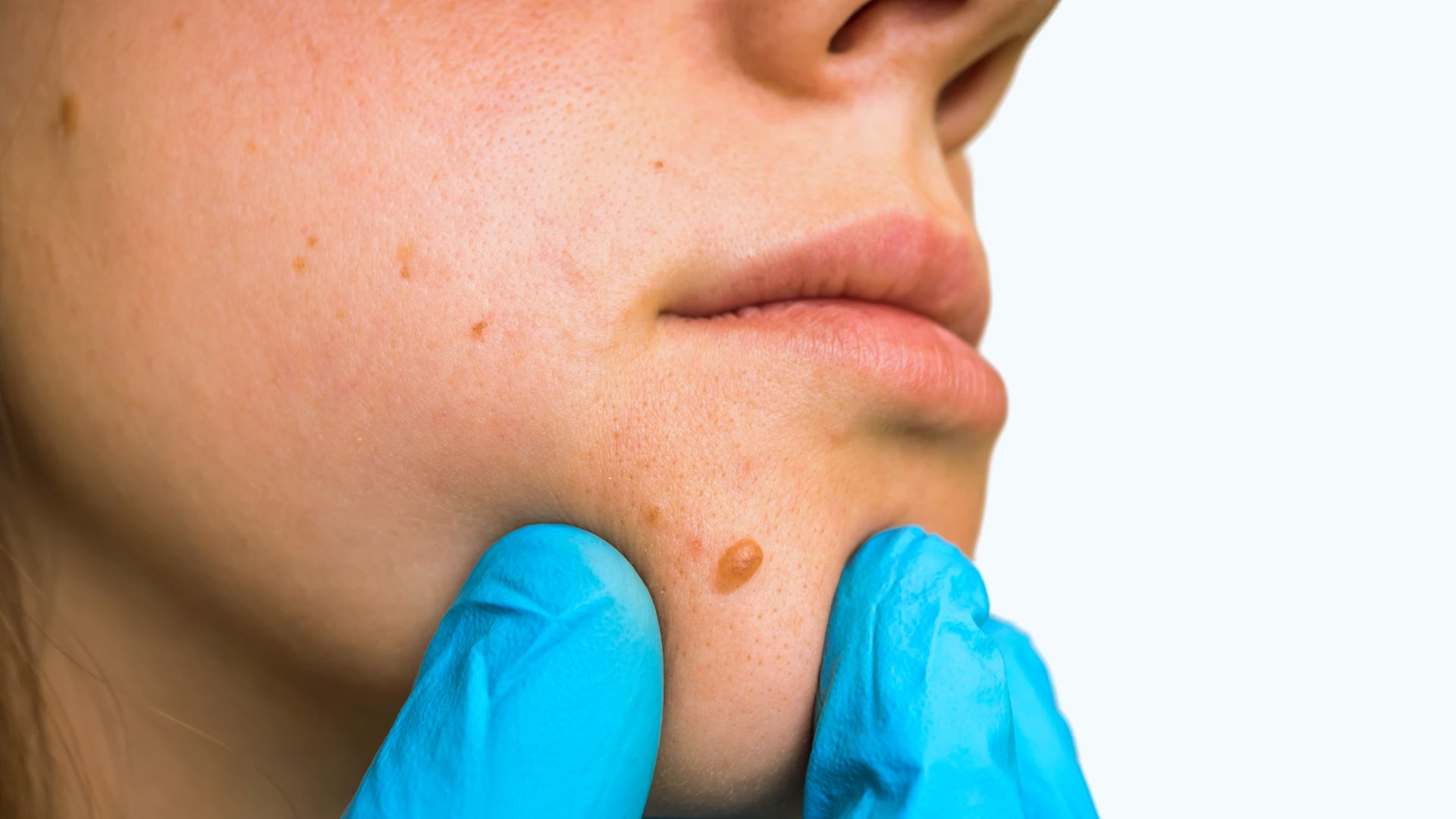
The right treatment depends on the type of growth, its size, and your skin’s needs.
Over-the-Counter Options
Some mild growths can be managed with products available at pharmacies.
Salicylic acid is commonly used for wart-like growths and helps break down the tissue gradually. These products work slowly and should be used only as directed, especially on facial skin.
Professional In-Office Procedures
A dermatologist can remove most growths safely in a single visit.
Common procedures include cryotherapy, laser therapy, electrocautery, and surgical excision. The right procedure depends on the growth type, depth, and location on the face.
Recovery and Aftercare
After any removal procedure, keeping the area clean and protected is key.
Avoid sun exposure on treated skin and apply a gentle moisturizer as directed by your doctor. Most treated areas heal within one to two weeks with minimal scarring.
Tips to Manage and Prevent Skin Growths on Face
Simple daily habits can reduce the risk of new growths and keep existing ones in check.
- Apply broad-spectrum SPF 30 or higher every morning, even on cloudy days.
- Avoid touching or picking at any existing growth to prevent irritation or infection.
- Keep your skin clean and use non-comedogenic products to reduce oil buildup.
- Wear protective clothing or hats when spending long hours in direct sunlight.
- Maintain a balanced diet rich in antioxidants to support overall skin health
Conclusion
I know how unsettling it can feel to notice something new on your face.
I’ve spent hours researching small bumps on my own skin before finally seeing a dermatologist who cleared everything up in minutes.
Most skin growths on the face are benign, manageable, and nothing to fear. Understanding what you’re looking at makes all the difference.
If something feels off or changes quickly, always get it checked.
Have you dealt with skin growths on your face before? Share your experience in the comments below or pass this along to someone who needs it.
Frequently asked questions
What are the most common skin growths on the face?
The most common types include moles, skin tags, milia, seborrheic keratosis, and cherry angiomas. Most are benign and require no treatment unless they cause discomfort or cosmetic concern.
What causes skin growths on the face suddenly?
Sudden growths are often triggered by hormonal changes, viral infections like HPV, or skin trauma. Rapid changes in an existing growth should always be evaluated by a dermatologist.
How to remove skin growths on the face safely?
Safe removal requires a professional. Options include cryotherapy, laser removal, electrocautery, and surgical excision depending on the type and size of the growth.
Are all skin growths on the face non-cancerous?
No, not all growths are harmless. Most are benign, but some can be cancerous or precancerous. Regular skin checks and the ABCDE rule help catch any concerns early.
Can small skin growths on the face go away on their own?
Some can. Milia often resolve without treatment, and certain warts clear up over time. However, skin tags and seborrheic keratosis do not disappear without treatment.