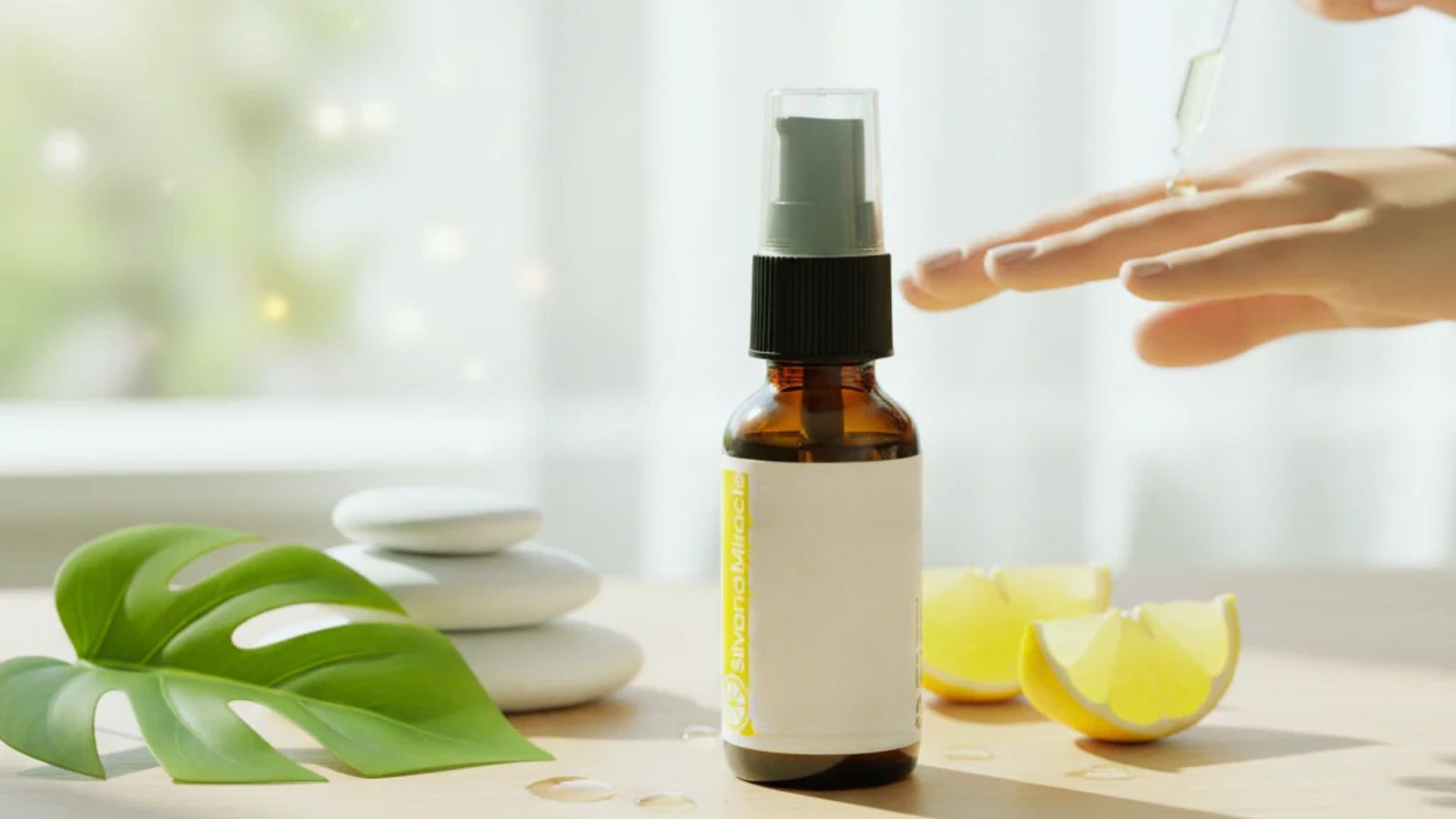
You have probably seen vegan vitamin C serums everywhere lately, but what makes them different and do they actually work?
In this blog, I will walk you through what vegan vitamin C serums are, why people are switching, and how to pick the right one for your skin.
I will cover key ingredients, how to use it correctly, and whether it works for sensitive skin.
I have spent a good amount of time researching clean beauty, and I want to make this as simple as possible for you.
Why Choose a Vegan Vitamin C Serum?
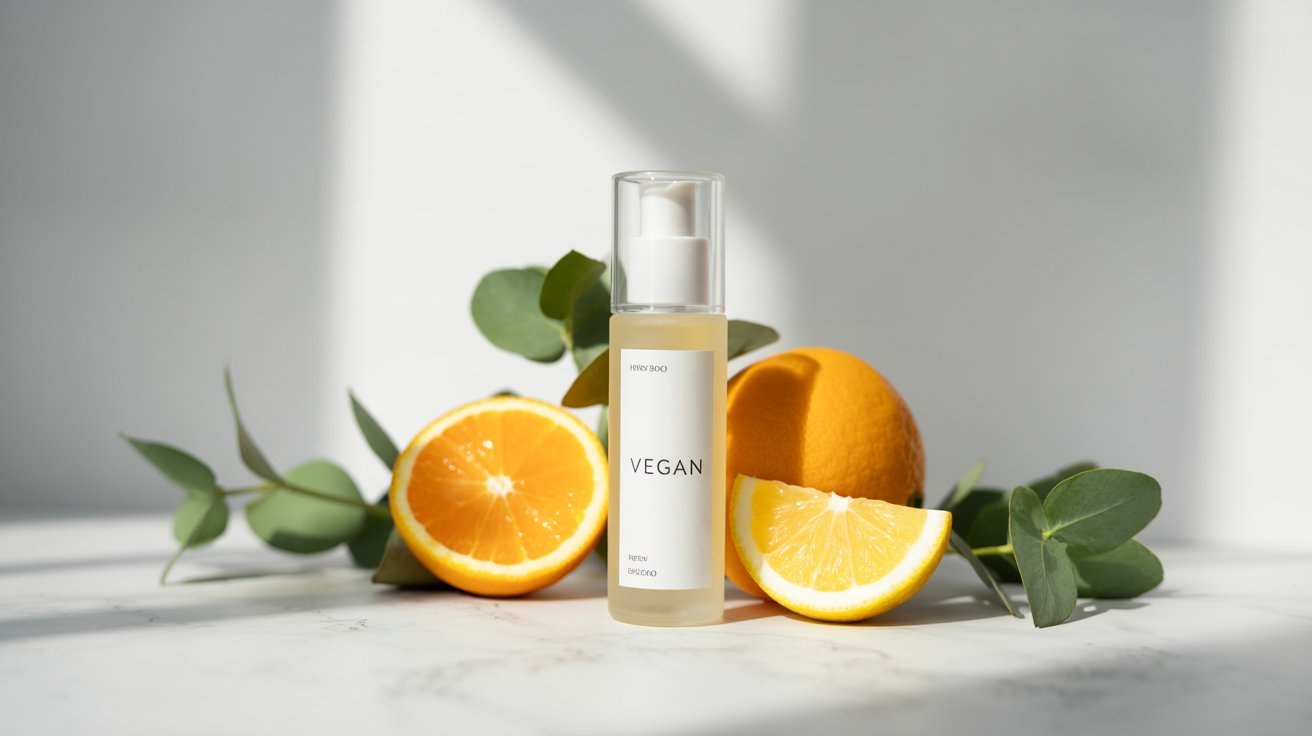
Vegan vitamin C serums skip animal-derived ingredients entirely and are never tested on animals.
That alone makes them a better fit for anyone who wants their skincare to reflect their values. But the benefits go beyond ethics.
Plant-based formulas tend to be gentler on sensitive skin, with fewer irritants and cleaner ingredient lists.
Many are also packaged with sustainability in mind. You get the same brightening and antioxidant results you expect from vitamin C, without the ingredients or practices you want to avoid.
What Is a Vegan Vitamin C Serum?
A vegan vitamin C serum is exactly what it sounds like, but there is more to it than the label suggests.
What Makes a Vitamin C Serum Vegan?
A serum is vegan when it contains no animal-derived ingredients at any stage.
This includes no collagen, lanolin, carmine, or beeswax. Every ingredient must come from plant-based or synthetic sources.
Difference Between Vegan and Regular Vitamin C Serums
Regular serums may hide animal-derived ingredients like fish collagen or animal-sourced glycerin.
Vegan serums swap these for plant-based alternatives. The function stays the same, but the sourcing is very different.
Are All Vitamin C Serums Naturally Vegan?
No, many brands do not clearly disclose every ingredient source.
A serum can look clean but still contain animal byproducts. Always check for a certified vegan label or read the full ingredient list.
Benefits of Using a Vegan Vitamin C Serum
The right vegan vitamin C serum can do a lot for your skin without any unnecessary ingredients.
Brightens Skin and Improves Glow
Vitamin C slows down melanin production, which causes dullness and uneven tone.
With consistent use, skin looks more radiant and awake. Most people see a visible difference within a few weeks.
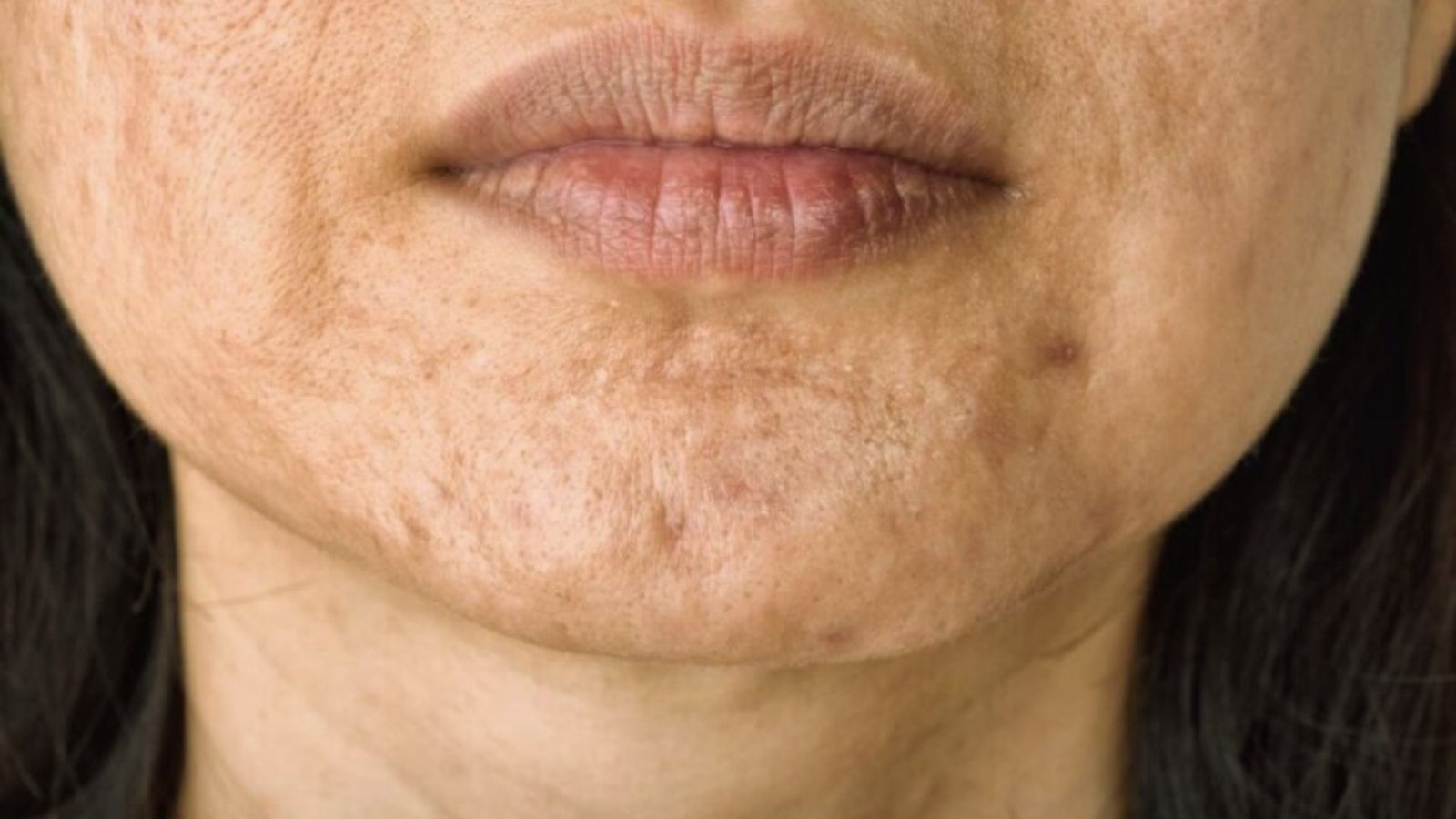
Reduces Hyperpigmentation and Dark Spots
Vitamin C targets areas of excess pigment and lightens them gradually.
It works on spots from acne, sun, and hormonal changes. Results take time but are visible with regular use.
Boosts Collagen Production and Anti-Aging
Vitamin C supports collagen synthesis, keeping skin firm and smooth.
Collagen production slows as we age, making this especially helpful. Regular use can visibly reduce fine lines over time.
Protects Against Environmental Damage
Pollution and UV rays create free radicals that break down skin cells.
Vitamin C neutralizes these before they cause lasting harm. This makes it especially effective as part of a morning routine.
Gentle and Suitable for Sensitive Skin
Milder vitamin C derivatives like sodium ascorbyl phosphate are less likely to irritate.
Vegan formulas often pair these with plant-based soothing ingredients. This makes them a solid option for reactive or sensitive skin.
Key Ingredients in the Best Vegan Vitamin C Serum
Knowing what to look for on the label makes a real difference in choosing a serum that actually works.
Types of Vitamin C (L-Ascorbic Acid vs THD Ascorbate)
L-Ascorbic Acid is potent but can irritate sensitive skin due to its low pH.
THD Ascorbate is gentler, more stable, and oil-soluble. It suits all skin types, including dry and sensitive.
Plant-Based Antioxidants (Kakadu Plum, Rosehip, etc.)

Kakadu plum is one of the richest plant sources of vitamin C available.
Rosehip adds fatty acids and antioxidant support alongside it. Amla, sea buckthorn, and acerola cherry are also common in clean formulas.
Supporting Ingredients (Vitamin E, Hyaluronic Acid)
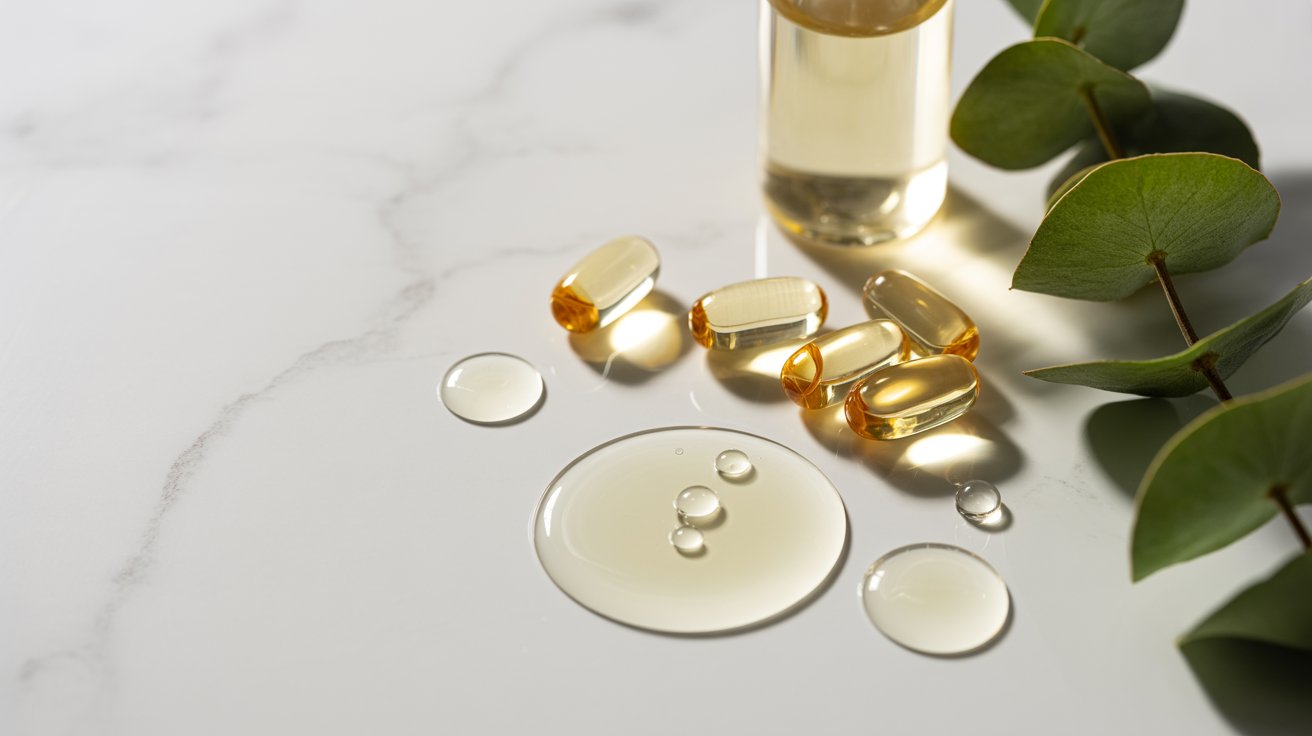
Vitamin E stabilizes vitamin C and improves its effectiveness on the skin.
Hyaluronic acid adds hydration and helps the serum absorb properly. Niacinamide supports tone and texture without interfering with vitamin C.
Ingredients to Avoid in Non-Vegan Formulas
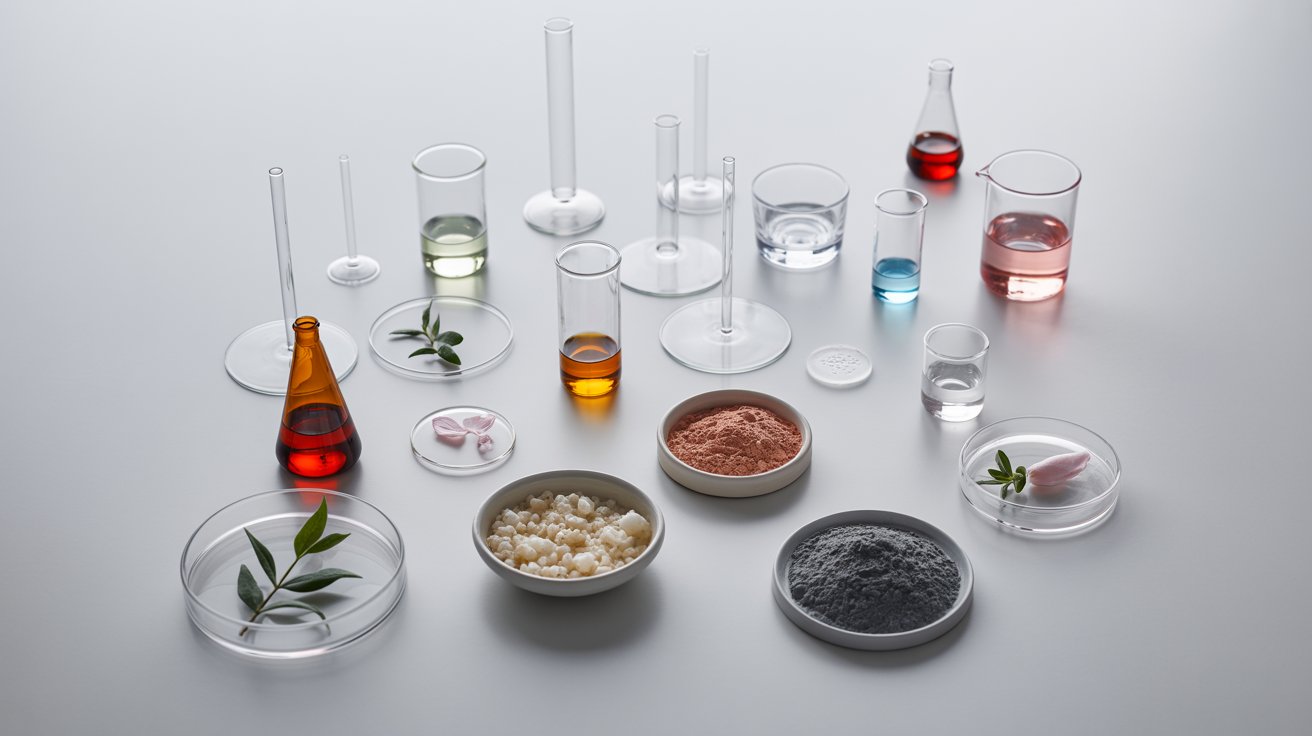
Watch out for animal collagen, unlabeled glycerin, shark squalane, keratin, and carmine.
These are common in skincare but not always easy to identify. A certified vegan label removes most of the guesswork.
Common Mistakes to Avoid When Using Vitamin C Serums
Small errors in your routine can stop your serum from working the way it should.
- If your serum has turned yellow, orange, or brown, toss it.
- Start at 10% concentration and move up only after your skin adjusts.
- Vitamin C increases sun sensitivity, so never skip SPF in the morning.
- Keep vitamin C and AHAs or BHAs separated between morning and evening routines.
- Store your serum in a cool, dark spot with the cap tightly sealed.
How Vegan Vitamin C Serums Compare to Regular Serums
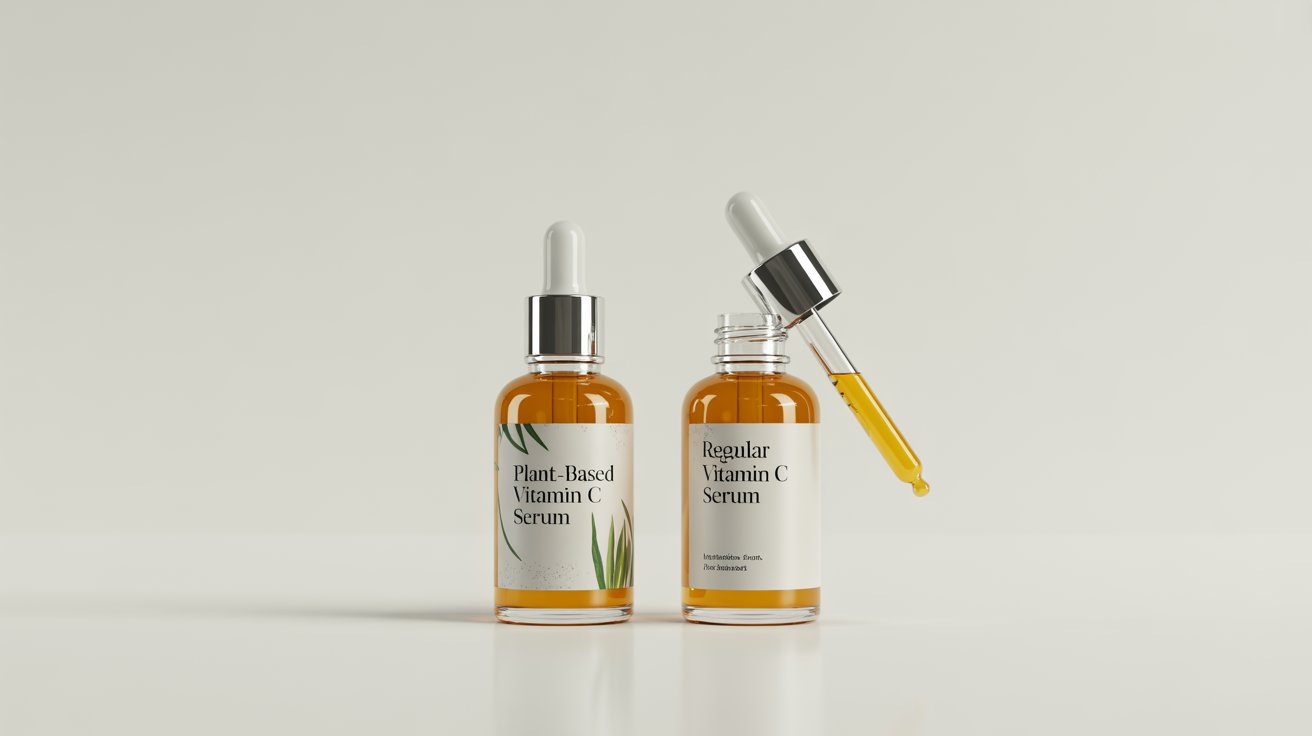
Vegan and conventional serums have more similarities than differences, but the distinctions matter.
Effectiveness and Results
Vegan serums perform just as well as conventional ones when the right form and concentration are used.
The vegan label does not affect results. Some even outperform regular serums thanks to added plant antioxidants.
Ingredient Sourcing and Ethics
Vegan serums use only plant-based and synthetic ingredients with no animal harm involved.
For shoppers who care about how products are made, this is a real difference. Ethical sourcing is part of the formula from day one.
Environmental and Sustainability Impact
Plant-based ingredients generally carry a lower environmental footprint than animal-derived ones.
Many vegan brands also focus on sustainable packaging and responsible sourcing. It is a small but meaningful step toward more conscious choices.
Tips for Getting the Best Results from Your Serum
Small consistent habits will get you much further than any expensive product alone.
- Use your serum at the same time every day to build a lasting habit and see real results.
- Give the product at least six to eight weeks before judging whether it is working for you.
- Store your serum in a cool, dark place with the cap tightly sealed after every use to prevent oxidation.
- Pair your vitamin C serum with a gentle cleanser, moisturizer, and SPF for a routine that actually works.
- Avoid overloading your routine with too many activities at once, as less is often more for healthy skin.
Conclusion
Honestly, yes. I started paying attention to vegan skincare a while back, and switching to a clean vitamin C serum was one of the better decisions I made.
My skin felt less irritated, and I knew exactly what I was putting on it.
If you are looking for brighter, healthier skin without compromising on your values, a vegan vitamin C serum is worth trying.
Try one that fits your skin type, be consistent, and give it time. Got questions or a favorite you love? Drop it in the comments.
Frequently Asked Questions
What is the best vegan vitamin C serum?
The best vegan vitamin C serum depends on your skin type and concerns. Look for stable vitamin C derivatives, certified vegan labels, and good packaging to ensure effectiveness and ethical sourcing.
Is vitamin C serum always vegan?
No, not all vitamin C serums are vegan. Some contain animal-derived ingredients like collagen or glycerin from animal fat. Always check for a certified vegan label or review the full ingredient list.
Can I use vegan vitamin C serum every day?
Yes, most people can use it daily once their skin has adjusted. Start every other day if you are new to vitamin C serums, and increase frequency gradually based on how your skin responds.
Which vegan vitamin C serum is best for beginners?
Beginners should look for a serum with 10% concentration and a gentle vitamin C derivative like sodium ascorbyl phosphate. Simpler formulas are easier to tolerate when starting out.
Can vegan vitamin C serum help with acne scars?
Yes, vitamin C can help fade post-acne marks over time by reducing pigmentation. It will not remove deep scars, but it does visibly lighten dark spots left behind by breakouts with consistent use.