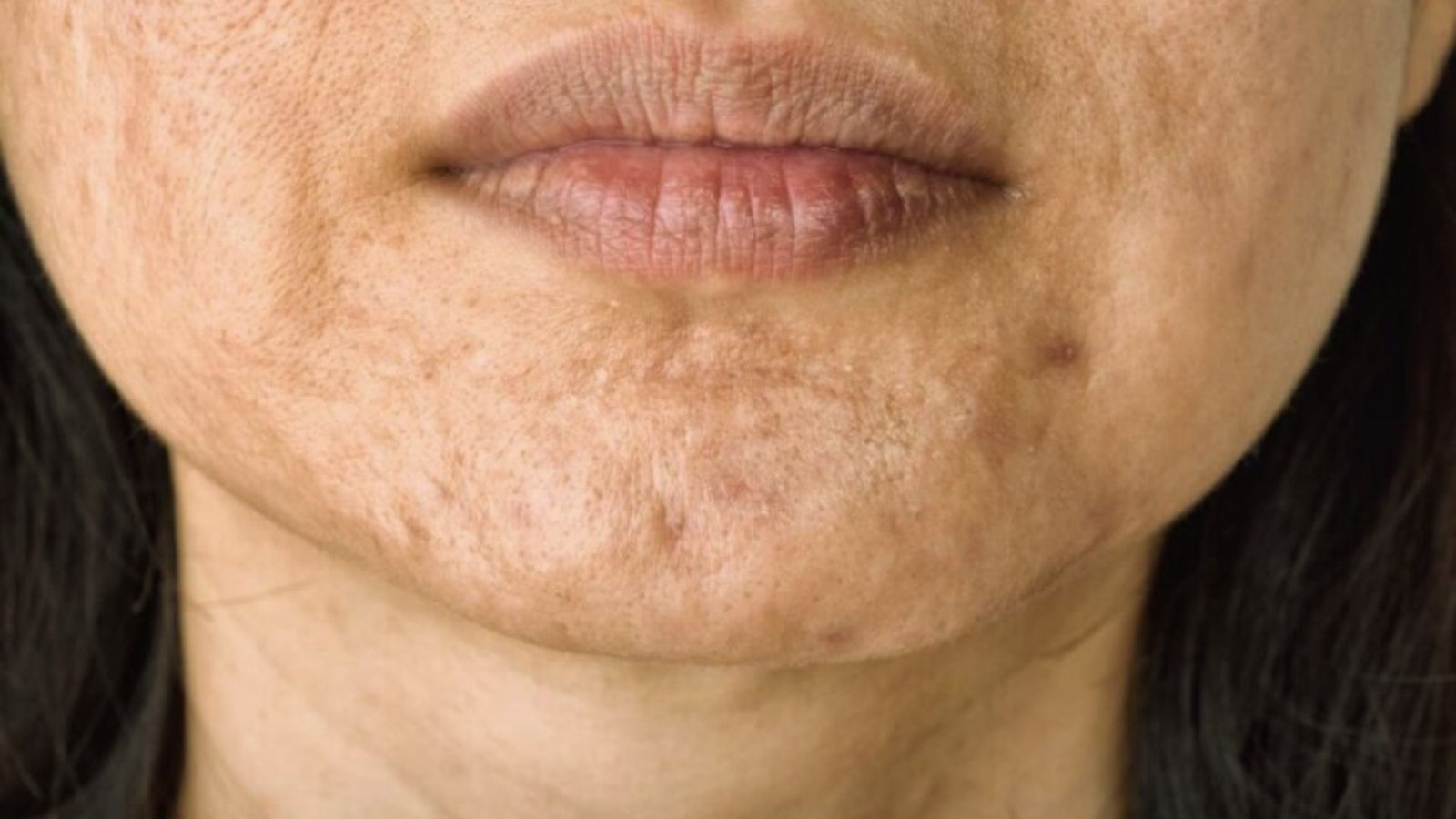

Vitamin C vs Retinol, two of the most talked-about skincare ingredients right now. But which one should you use?
I asked myself the same question when my skin felt dull and started showing fine lines. In this blog, I will break down exactly what each ingredient does, how they differ, and which one suits your skin goals.
I have used both and will share what actually works. By the end, you will know exactly what to pick and how to use it safely.
What is Vitamin C?

Vitamin C is an antioxidant that protects your skin from sun damage, pollution, and free radicals. It brightens your skin tone, fades dark spots, and supports collagen production.
It is one of the safest active ingredients for daily use. Most people can add it to their routine without any major side effects.
It works on the surface of the skin and gives visible glow results within a few weeks of regular use.
If your skin looks dull, tired, or uneven, Vitamin C is a good place to start. It is simple to use and works well for almost every skin type.
What is Retinol?
Retinol is a form of Vitamin A and one of the most proven anti-ageing ingredients available. It speeds up skin cell turnover, which means your skin sheds old cells faster and builds new ones.
This reduces fine lines, smooths texture, and treats acne over time. Retinol works deeper in the skin compared to Vitamin C.
It takes more time to show results but the long-term improvements in skin texture and firmness are very noticeable with consistent use.
If your skin concerns include wrinkles, rough patches, or recurring acne, retinol can make a real difference with regular and careful use.
Vitamin C vs Retinol: Quick Comparison

A side-by-side look at both ingredients to help you decide fast.
| Factor | Vitamin C | Retinol |
|---|---|---|
| Brightening vs Anti-Aging | Focuses on brightness and glow | Focuses on reducing signs of ageing |
| Morning vs Night Use | Works best in the morning | Should be used at night |
| Gentle vs Strong | Gentler, suits most skin types | Stronger, needs careful use |
| Skin Type Suitability | Dry, dull, and sensitive skin | Oily, acne-prone, and mature skin |
| Results and Effectiveness | Faster glow results | Takes more time but deeply repairs skin |
Now that you can see the key differences, let us look at what each ingredient actually does for your skin.
Vitamin C vs Retinol: Key Differences Explained

Understanding how they work helps you use them the right way.
How They Work
Vitamin C protects your skin by fighting damage from outside sources like the sun and pollution. Retinol repairs your skin from within by speeding up cell renewal.
A simple way to think about it is that Vitamin C is your morning shield and Retinol is your nighttime repair tool. One prevents damage. The other fixes it.
When to Use
Vitamin C works best in the morning, applied under your sunscreen. It adds a layer of antioxidant protection that keeps your skin guarded throughout the day.
Retinol should always be used at night. It makes your skin more sensitive to sunlight, so applying it before bed is the safest and most effective approach.
Skin Type Suitability
If you have sensitive skin, Vitamin C is the better starting point as it is less likely to cause redness or peeling.
Oily and acne-prone skin types respond well to retinol since it controls excess oil and clears pores over time.
For mature skin, retinol is the stronger choice when targeting wrinkles and loss of firmness.
Side Effects
Vitamin C can cause mild tingling or slight irritation in some people, but this usually fades quickly with regular use.
Retinol can cause dryness, peeling, and redness, especially in the beginning. Always introduce retinol slowly and give your skin time to adjust before increasing the amount you use.
Common Mistakes to Avoid
These simple slip-ups can slow down your results and irritate your skin, so make sure you avoid them.
- Do not overuse activities. More product does not mean faster results. Stick to the recommended amount.
- Never use retinol with AHAs or BHAs on the same night. It can over-sensitise your skin and cause irritation.
- Do not skip sunscreen. Both Vitamin C and Retinol make your skin more sensitive to the sun. SPF every morning is non-negotiable.
- Avoid applying both Vitamin C and Retinol in the same routine. Use one in the morning and the other at night.
- Do not start with a high concentration of retinol. Always begin low and increase slowly as your skin builds tolerance.
Vitamin C vs Retinol Skincare Benefits
Real benefits backed by science, here is what each ingredient actually does.
Benefits of Vitamin C for Skin
Brightens Skin Tone and Boosts Natural Glow Vitamin C works on dull and uneven skin to bring out a natural, healthy glow with regular use.
Fades Pigmentation, Dark Spots, and Uneven Patches It targets excess melanin in the skin and gradually reduces dark spots and pigmentation over time.
Protects Skin from UV Rays and Pollution As an antioxidant, Vitamin C shields your skin from daily damage caused by sun exposure and pollution.
Supports Collagen Production for Firmer Skin It helps your skin produce more collagen, which keeps it firm, plump, and youthful looking.
Benefits of Retinol for Skin
Reduces the Look of Fine Lines and Wrinkles Retinol speeds up cell turnover and smooths out fine lines and wrinkles with consistent long-term use.
Improves Skin Texture and Makes It Smoother It removes dead skin cells faster, leaving your skin noticeably softer and more even in texture.
Treats Acne and Clears Clogged Pores Retinol helps unclog pores and reduces acne breakouts by keeping skin cell turnover at a healthy pace.
Boosts Collagen and Improves Skin Firmness Like Vitamin C, retinol also supports collagen production, which improves skin elasticity and firmness over time.
Tips to Use Vitamin C and Retinol Safely
Small habits make a big difference when using active ingredients.
- Start retinol at a low concentration like 0.1% and use it only twice a week at first.
- Increase retinol use slowly as your skin adjusts to avoid peeling and redness.
- Always apply SPF 30 or higher every morning when using Vitamin C or Retinol.
- Never layer retinol with AHAs, BHAs, or exfoliating acids on the same night.
- Be consistent. Vitamin C takes 4 to 6 weeks and retinol takes 3 to 6 months to show real results.
Conclusion
I have tried both Vitamin C and Retinol, and the truth is, you do not have to pick just one. Vitamin C protects and brightens your skin every morning.
Retinol repairs and renews it every night. Together, they give your skin everything it needs. Start with what suits your skin goals right now and build from there.
If this guide helped you, drop a comment below. Share it with a friend who is still confused about which one to use.
Frequently Asked Questions
Can you use Vitamin C and Retinol together?
Yes, you can. Use Vitamin C in the morning and retinol at night to avoid irritation and get the best results from both.
Vitamin C vs Retinol: which is better for wrinkles?
Retinol is better for wrinkles. It goes deeper into the skin and boosts collagen production more effectively over time.
Vitamin C vs Retinol for skin brightening?
Vitamin C is the better choice for brightening. It targets dark spots, uneven tone, and dullness more directly than retinol.
Is Vitamin C or Retinol better for beginners?
Vitamin C is better for beginners. It is gentler, easy to use daily, and suits most skin types without a long adjustment period.
How long does it take to see results?
Vitamin C shows glow results in 4 to 6 weeks. Retinol needs at least 3 months of consistent use to show visible anti-ageing improvements.