Acne is frustrating. It affects your confidence and can leave behind stubborn scars. I’ve seen how much it impacts daily life, and I know how overwhelming it feels to find the right solution.
So, do chemical peels help with acne? Yes, they can. In this blog, I’ll break down exactly how they work, which types suit different skin concerns, and what results you can expect.
I’ve researched this topic in depth and consulted expert dermatologist insights to bring you clear, reliable information you can actually use.
What Are Chemical Peels and How Do They Work?
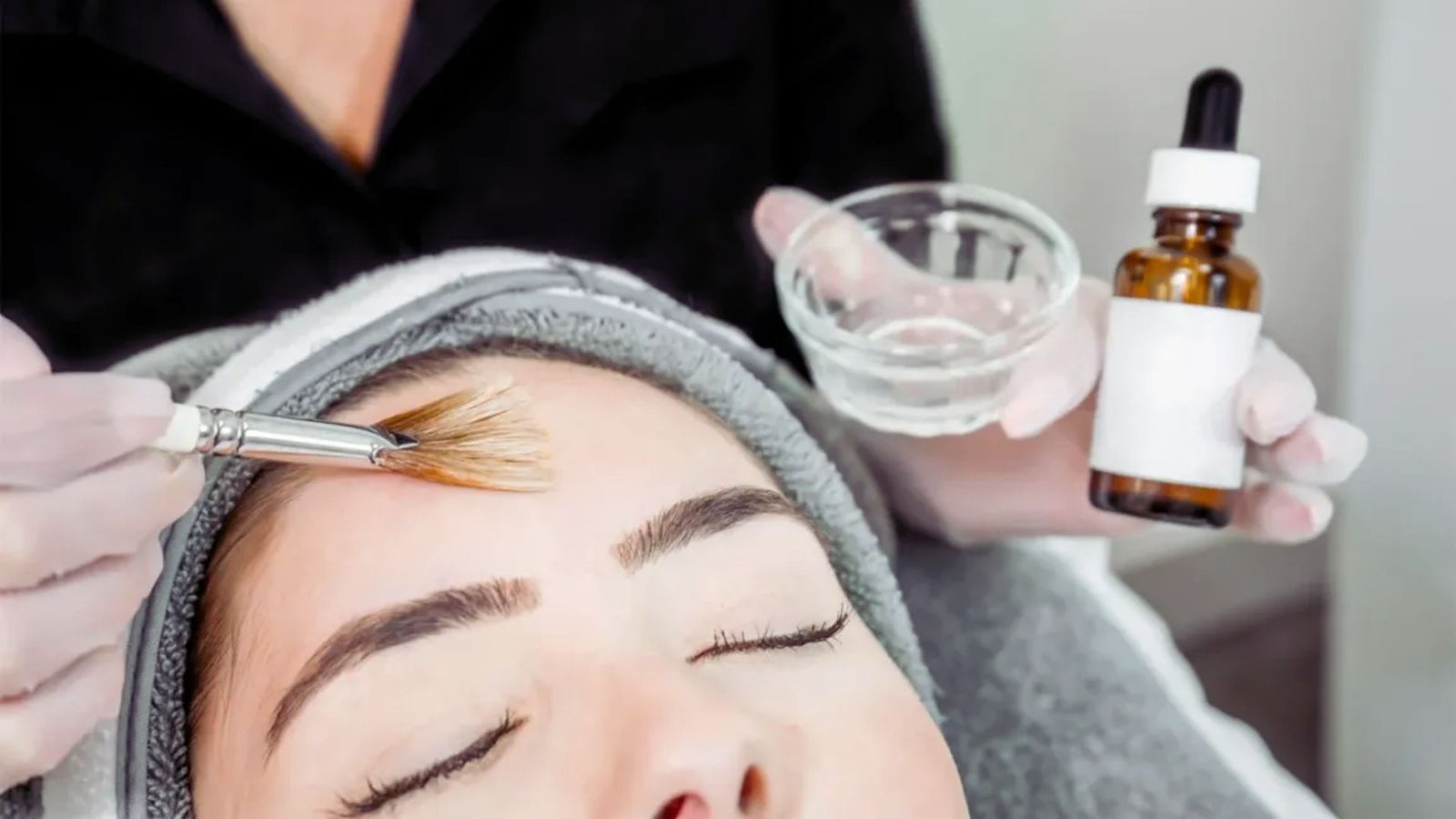
Chemical peels are skin treatments that use acid solutions to remove damaged outer layers of skin. Once the top layer peels away, fresher and clearer skin grows back in its place.
They come in three types: light, medium, and deep. Light peels work on the surface. Medium peels go a little deeper.
Deep peels target stubborn damage beneath the skin. Understanding how chemical peels help with acne starts here. Each type works differently depending on your skin concern and severity.
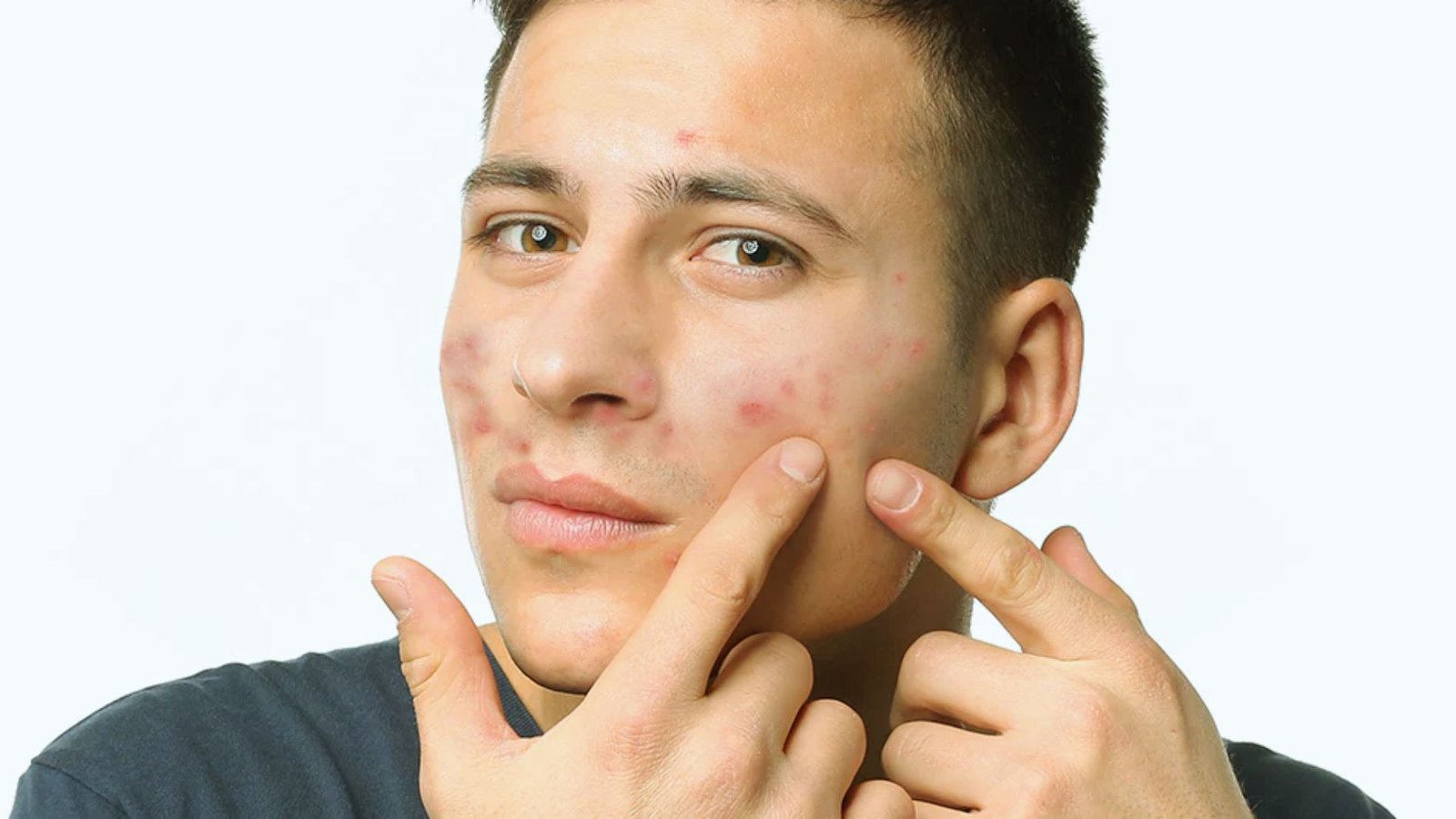
How Chemical Peels Help Treat Active Acne

Chemical peels can target active acne at the source by clearing pores and calming the skin.
Unclogging Pores and Removing Dead Skin
Dead skin cells pile up inside pores. This causes blockages that lead to pimples and blackheads.
Chemical peels speed up exfoliation. They clear out those clogged pores and stop new breakouts from forming. Regular treatments can keep your skin cleaner over time.
Controlling Oil and Bacteria
Excess oil is a major cause of acne. Peels that contain salicylic acid (a BHA) go inside the pore and dissolve oil buildup.
Salicylic acid also has antibacterial properties. It targets the bacteria responsible for inflamed pimples. Some peels also include benzoyl peroxide, which kills acne-causing bacteria on the skin’s surface.
Reducing Inflammation
Red, swollen pimples are a sign of inflammation. Certain chemical peels help calm this reaction.
Ingredients like salicylic acid and azelaic acid have anti-inflammatory effects. They reduce redness and help skin heal faster. Over time, your skin looks and feels much smoother.
Do Chemical Peels Help With Acne Scars?
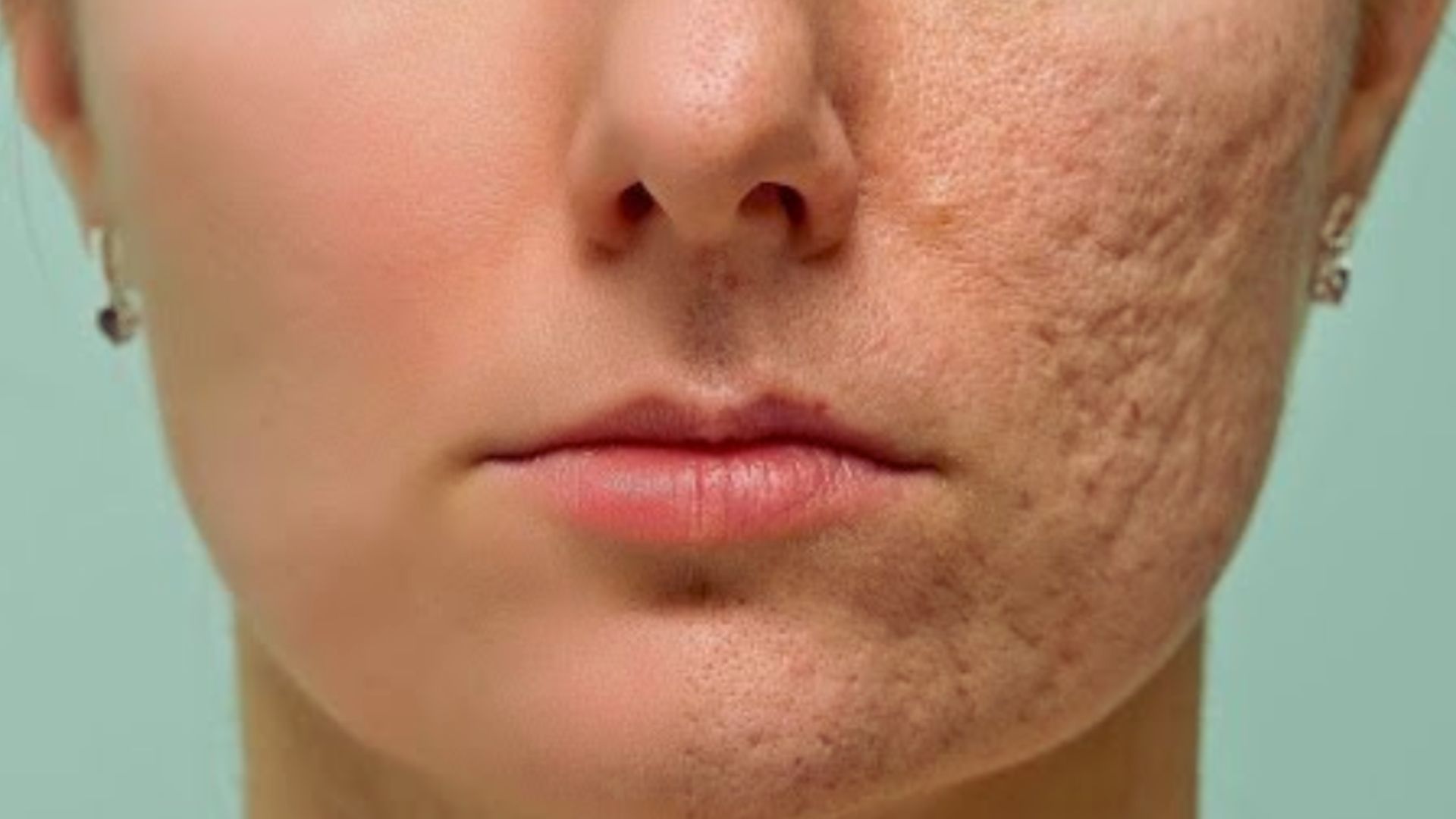
Find out how chemical peels target acne scars and work to even out skin texture and tone.
Acne scars are a different challenge from active breakouts. But chemical peels can address them too.
Stimulating Collagen for Scar Reduction
Medium and deep peels go beneath the skin’s surface. They trigger the skin’s natural healing process.
This healing response produces collagen, a protein that fills in depressed scars. Over several sessions, scars become shallower and less visible.
Smoothing Skin Texture and Tone
Acne scars often leave behind uneven, bumpy skin. Chemical peels remove damaged surface skin and encourage smooth regrowth.
After a few treatments, many people notice their skin feels softer and looks more even. Texture improves noticeably, especially with medium-depth peels.
Reducing Hyperpigmentation and Dark Spots
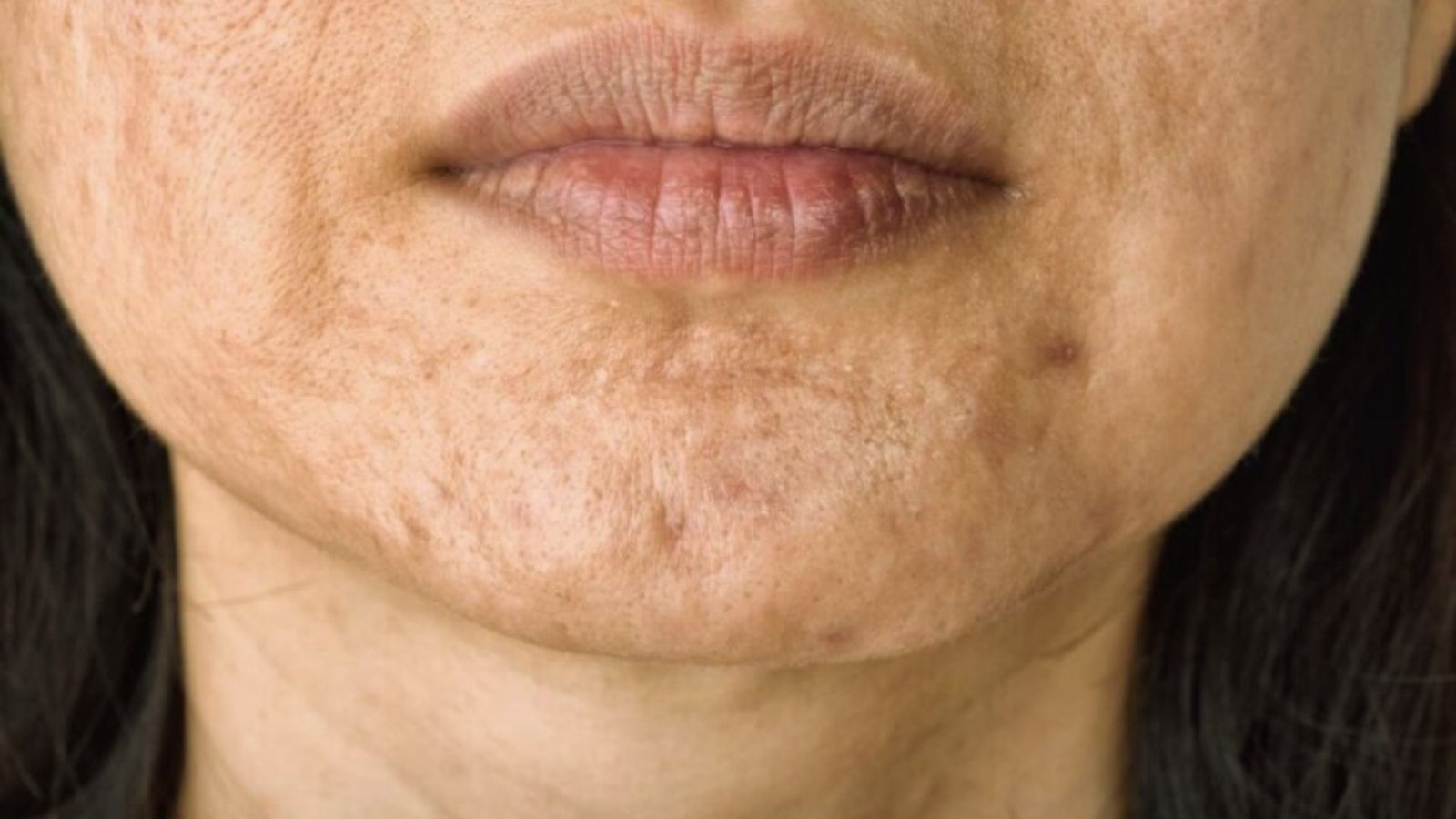
Post-acne dark spots are very common. They form when the skin produces too much melanin after a breakout heals.
Peels with ingredients like glycolic acid or kojic acid break down that extra pigment. This fades dark spots over time.
Do chemical peels help with acne scarring? Yes, especially when used consistently and paired with proper aftercare.
Choosing the Right Chemical Peel for Acne and Scars

Picking the right peel depends on your skin type, scar severity, and how much downtime you can manage.
Light peels work well for:
Mild acne or frequent breakouts. Minor discoloration or uneven skin tone. People with sensitive skin. Very little recovery time needed.
Medium and deep peels are better for:
Severe or persistent acne. Deep scars that haven’t responded to lighter treatments. People who can handle a few days of redness and peeling.
Key factors to consider before choosing:
Your skin type (oily, dry, combination, or sensitive). How severe your acne or scarring is. Your tolerance for side effects. Your daily schedule and ability to rest post-treatment.
Always talk to a dermatologist before deciding. They will assess your skin and recommend the safest, most effective option.
What to Expect During and After Treatment

Knowing what happens during and after a peel helps you prepare and get the best outcome.
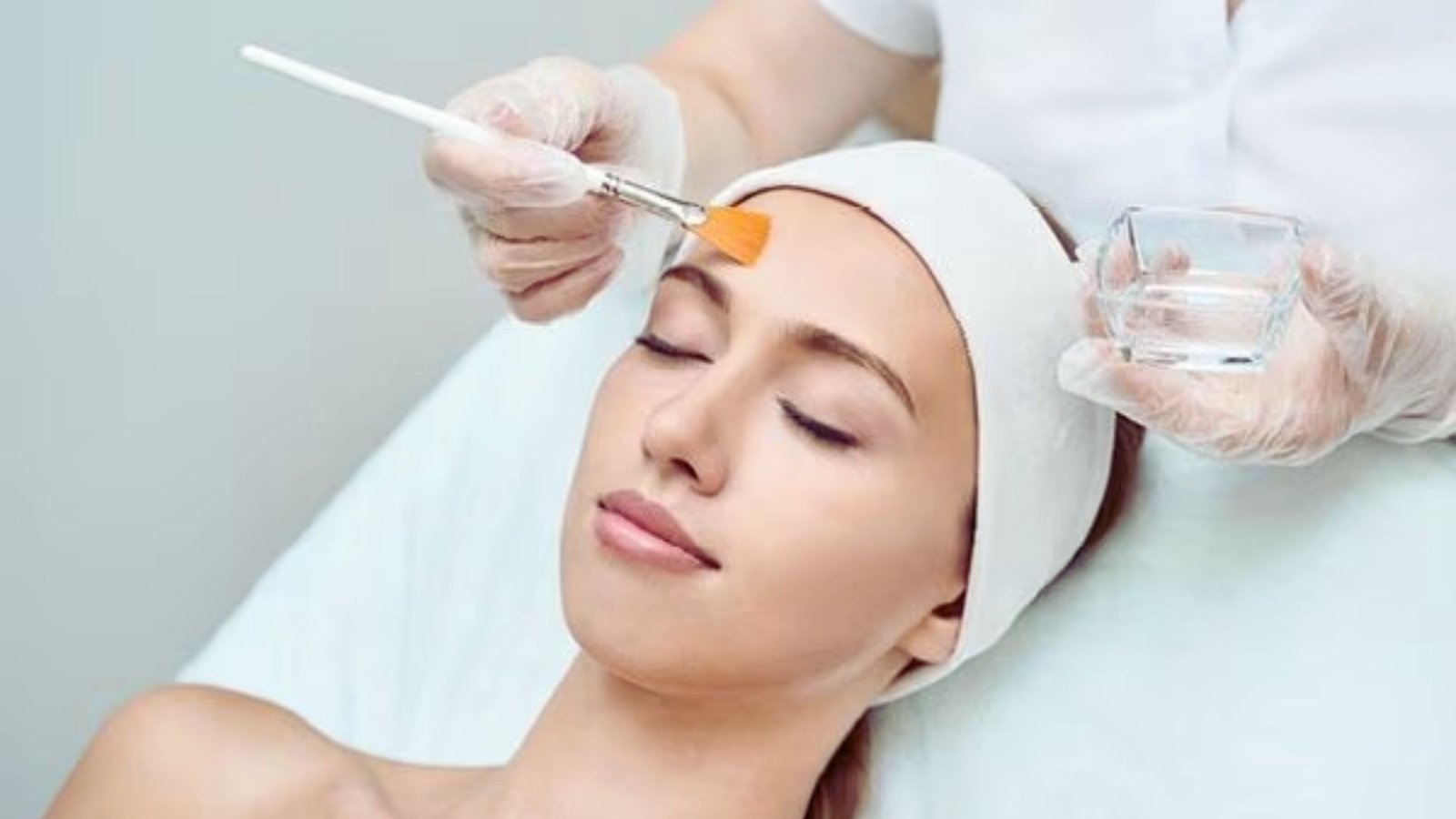
During the procedure:
The skin is cleaned first. The acid solution is applied evenly. You may feel a mild tingling or stinging. The peel is left on for a set time, then removed or neutralized.
The whole process usually takes 30 to 60 minutes depending on the type of peel.
After the treatment:
Redness and tightness are normal in the first day or two. Peeling usually begins within 3 to 5 days. Skin may look flaky or dry during this time. Sun protection is absolutely necessary. New skin is sensitive to UV rays.
How many sessions will you need?
Most people need 3 to 6 sessions spaced 2 to 4 weeks apart. Light peels require more sessions. Medium and deep peels may show faster results with fewer treatments.
What results can you expect?
Clearer skin with fewer active breakouts. Reduced appearance of acne scars. A more even skin tone overall.
Chemical Peels vs Other Acne Treatments

Not every acne treatment works the same way. Here’s how chemical peels compare to other common options available today.
Chemical Peels vs Topical Creams
Topical creams work on the surface and take weeks to show any visible results. Chemical peels go deeper and target the root cause of acne more directly.
Many people see faster and more noticeable improvement with peels than with creams alone.
Chemical Peels vs Laser Treatments
Laser treatments use light energy to target acne and scars beneath the skin. Chemical peels use acids and are generally more affordable and widely available.
Both can be effective but peels are often the first recommended option for mild to moderate acne.
Chemical Peels vs Oral Medications
Oral medications like antibiotics work from the inside to reduce bacteria and inflammation. Chemical peels work from the outside and directly treat the skin’s surface and texture.
In many cases, a dermatologist may recommend combining both for stronger and longer-lasting results.
Tips for Maximizing Results From Chemical Peels
Small changes in your routine can make a big difference in how well your peel results last.
- Use a gentle, fragrance-free moisturizer daily after treatment
- Apply broad-spectrum SPF 30 or higher every morning without fail
- Avoid picking or peeling skin manually during the recovery phase
- Stay away from harsh scrubs or active ingredients like retinol right after a peel
- Drink plenty of water to support skin healing from within
- Stick to your dermatologist’s post-care instructions for the best outcome
Conclusion
Dealing with acne and scars takes time, patience, and the right approach. I truly believe that the right treatment can make a real difference in how you feel about your skin.
Do chemical peels help with acne? They absolutely can, for both active breakouts and lingering scars. But every skin type is different.
The best next step is to speak with a dermatologist who can guide you based on your specific needs.
Ready to take that step? Book a consultation today and start your path toward clearer, healthier skin. Drop a comment below if you found this helpful!
Frequently Asked Questions
Are chemical peels safe for sensitive or acne-prone skin?
Yes, light peels are generally safe for sensitive and acne-prone skin. Always consult a dermatologist before starting any peel treatment to avoid irritation.
How long does it take to see results from chemical peels for acne?
Most people notice visible improvement after 2 to 3 sessions. Full results typically appear after completing a full course of 4 to 6 treatments.
Can I use chemical peels at home for acne?
At-home peel kits are available but contain weaker acids. Professional peels are stronger and more effective, especially for moderate to severe acne or scarring.
How often should I get a chemical peel for acne?
Light peels can be done every 2 to 4 weeks. Medium peels are usually spaced 1 to 3 months apart. Your dermatologist will create a schedule based on your skin.
Do chemical peels make acne worse before it gets better?
Some people experience a brief purging phase after their first peel. This is temporary. Skin usually clears up significantly within a few weeks after the initial reaction settles.