Redrawing eyeliner every morning gets old fast. I know that feeling well.
Permanent eye liner makeup is one of those procedures that sounds intimidating at first but makes complete sense once you understand how it works.
In this guide, I cover everything from the procedure itself to healing, costs, risks, and who it’s right for.
I have put together all the information you need to make a smart, informed decision.
By the end, you will know exactly what to expect and whether this is right for you.
How Permanent Eye Liner Makeup Works

Getting permanent eye liner starts with a consultation and ends with pigment placed precisely along your lash line or eyelid.
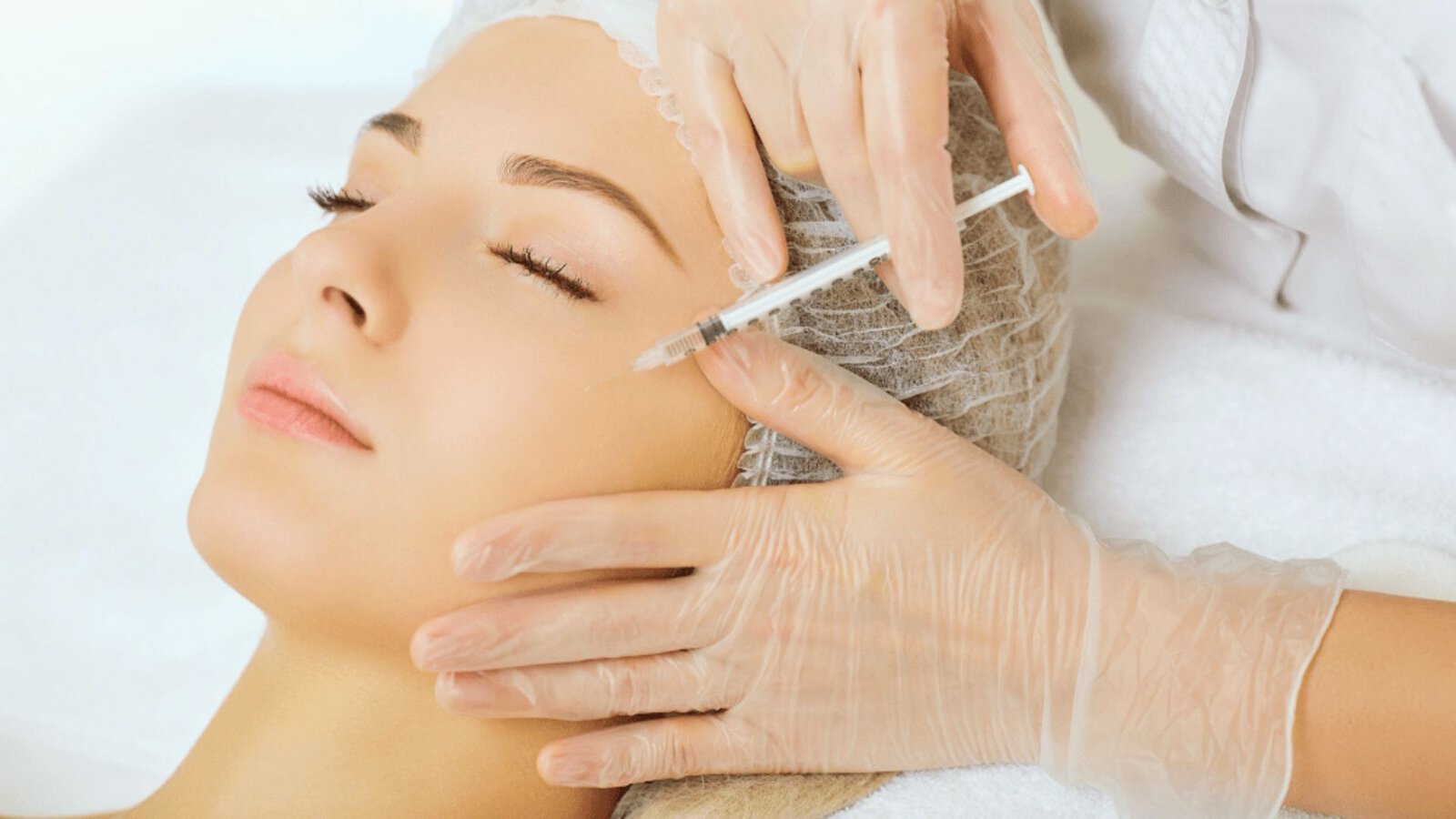
The process uses a small machine or hand tool to deposit color into the upper layers of the skin.
Numbing cream is applied first, and the full session usually runs one to two hours depending on the style chosen.
Your artist customizes the shape, thickness, and color before anything begins, so you know exactly what to expect going in.
Types of Permanent Eye Liner Makeup Styles
There are several style options to choose from depending on how natural or defined you want your result to be.
Lash Line Enhancement (Natural Look)
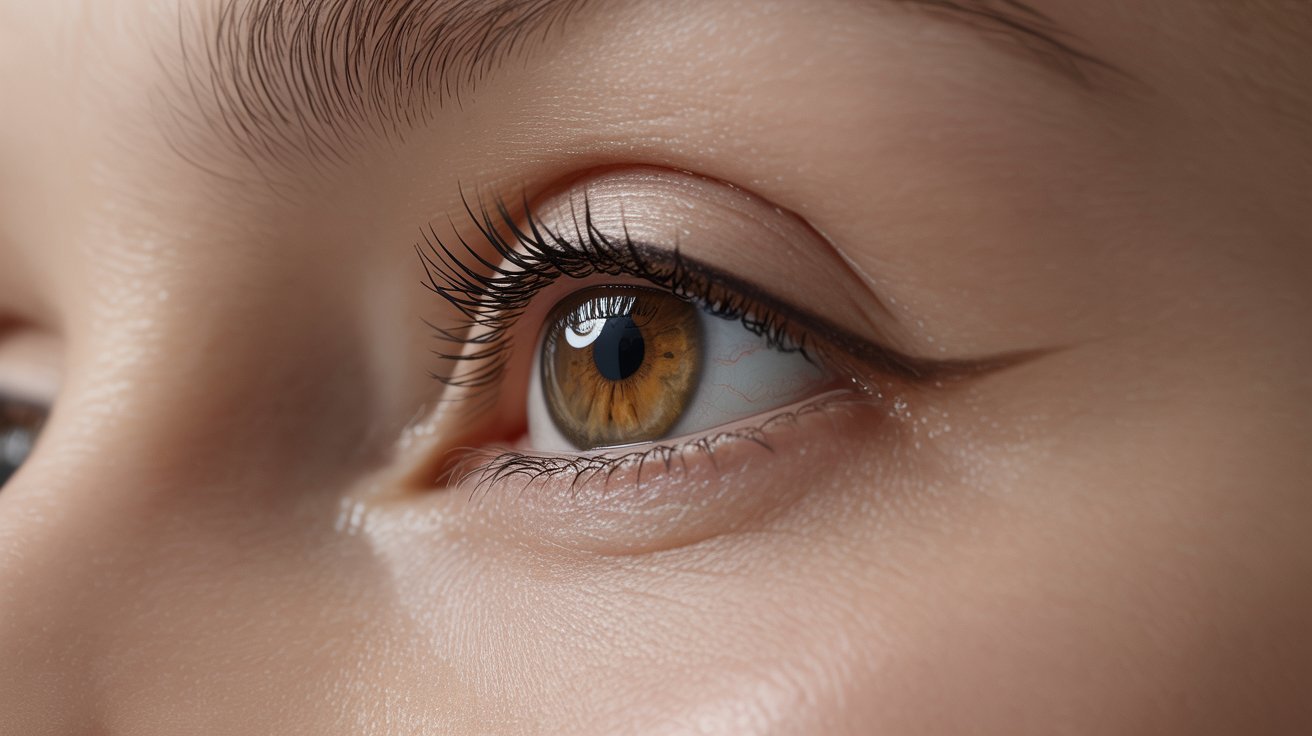
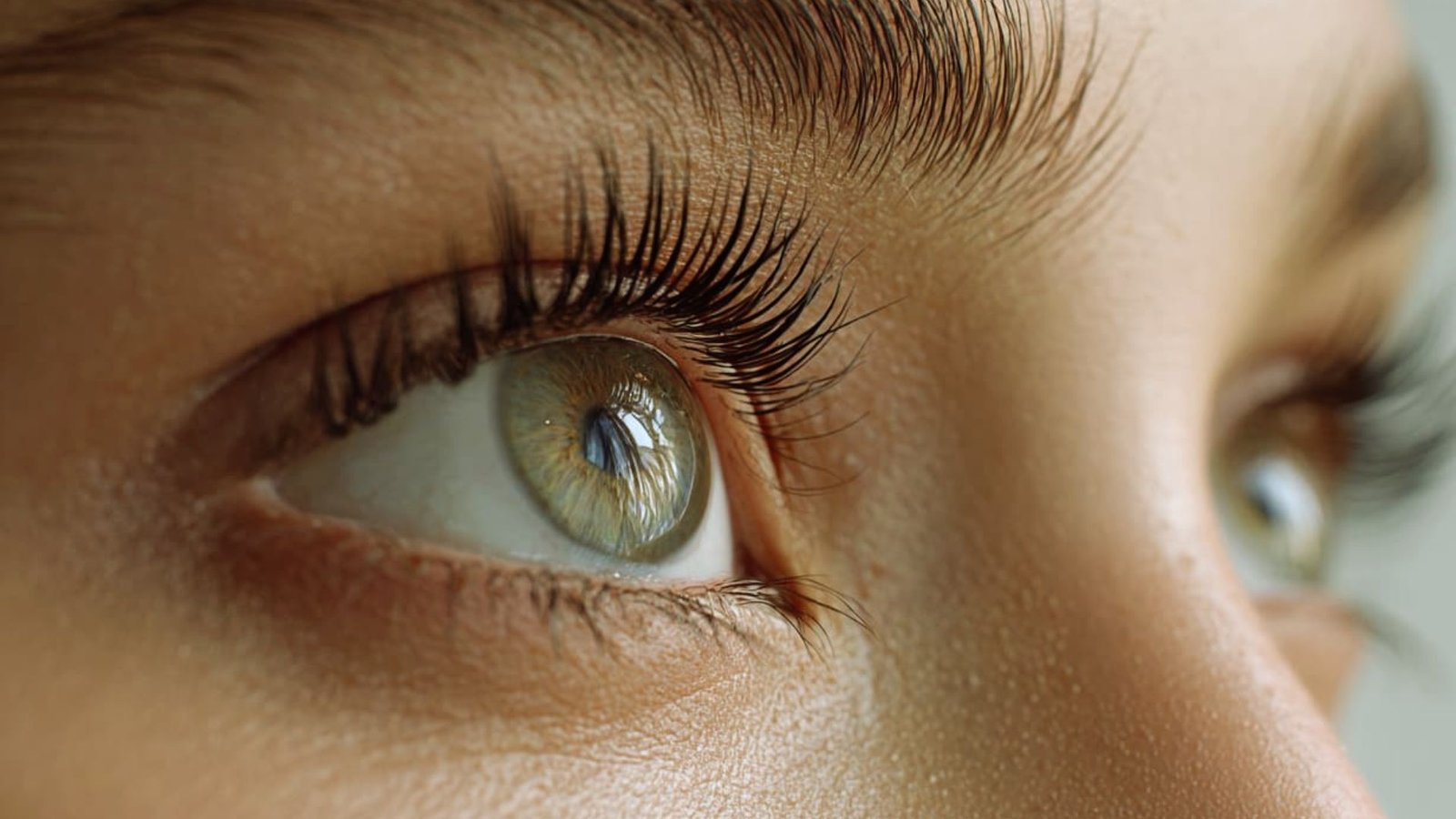
Pigment is placed between the lashes to create the look of fuller, darker lashes without obvious liner. It is the most subtle option and a great starting point for first-timers.
Classic Eyeliner
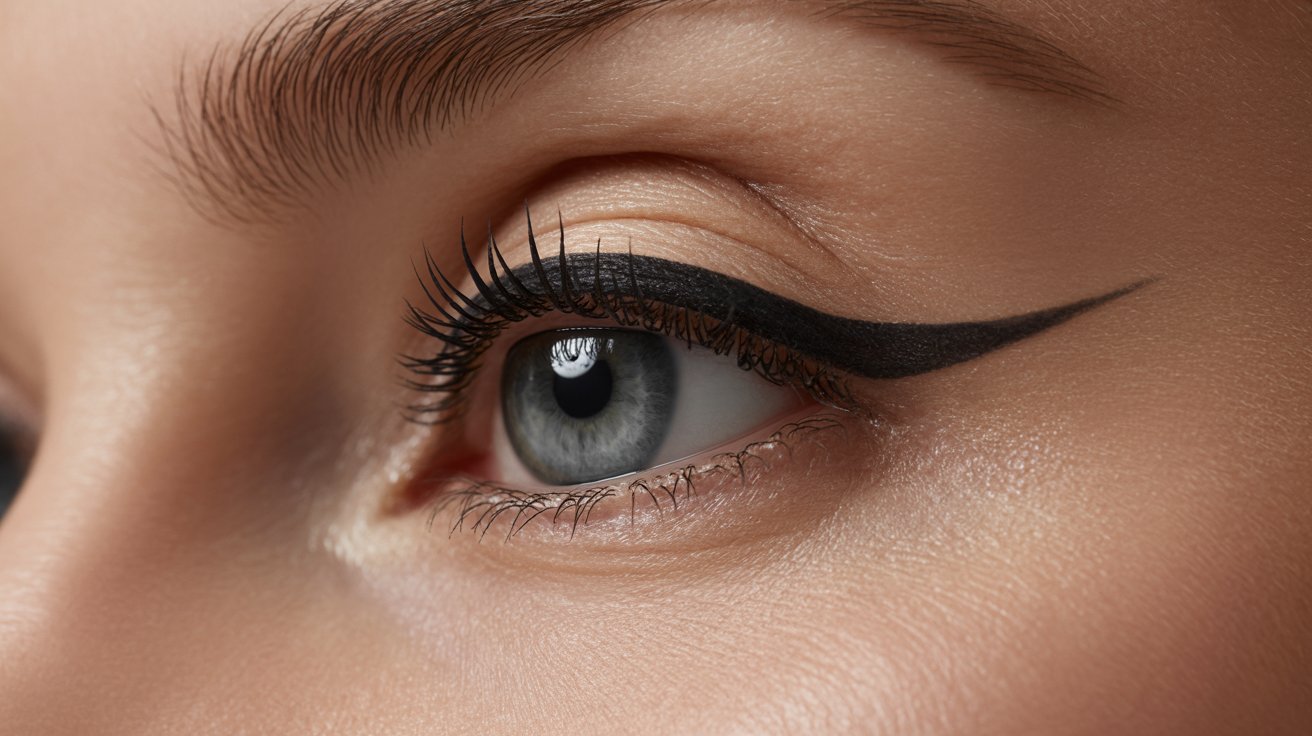
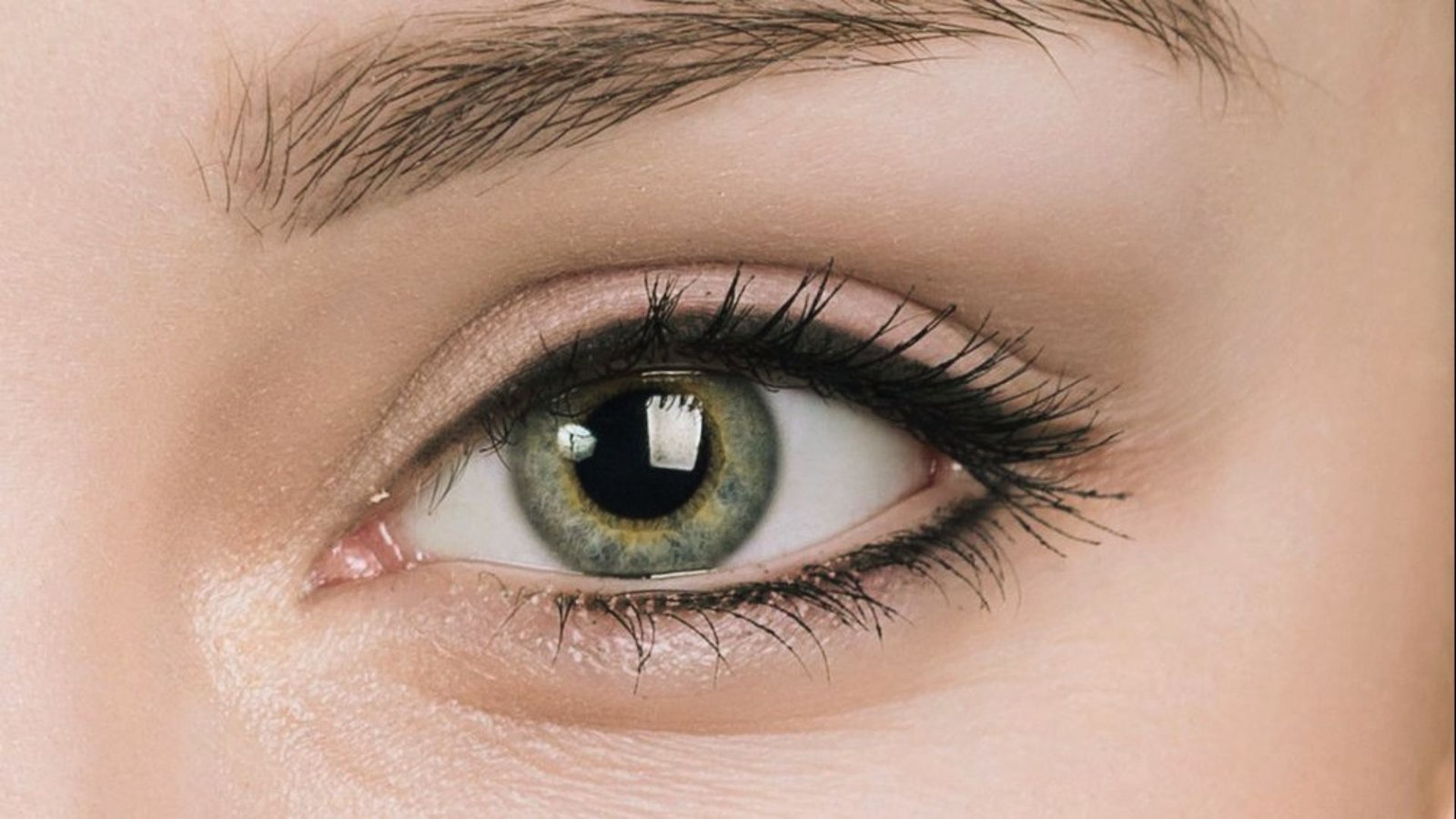
A clean, defined line sits just above the upper lash line for a polished everyday look. Thickness is adjusted during the consultation based on your preference.
Winged Eyeliner
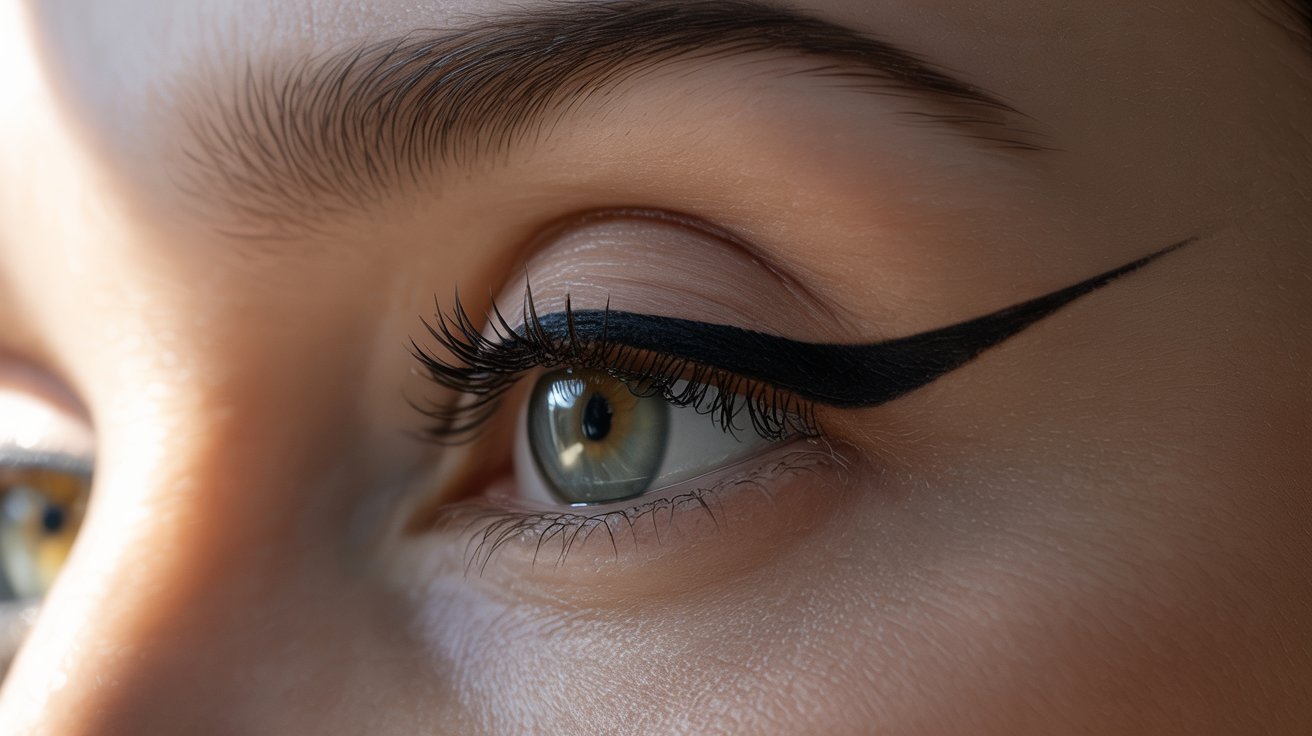
A small flick extends past the outer corner of the eye for a lifted, defined finish. The angle and length are customized to suit your face shape.
Smokey or Soft-Shaded Liner
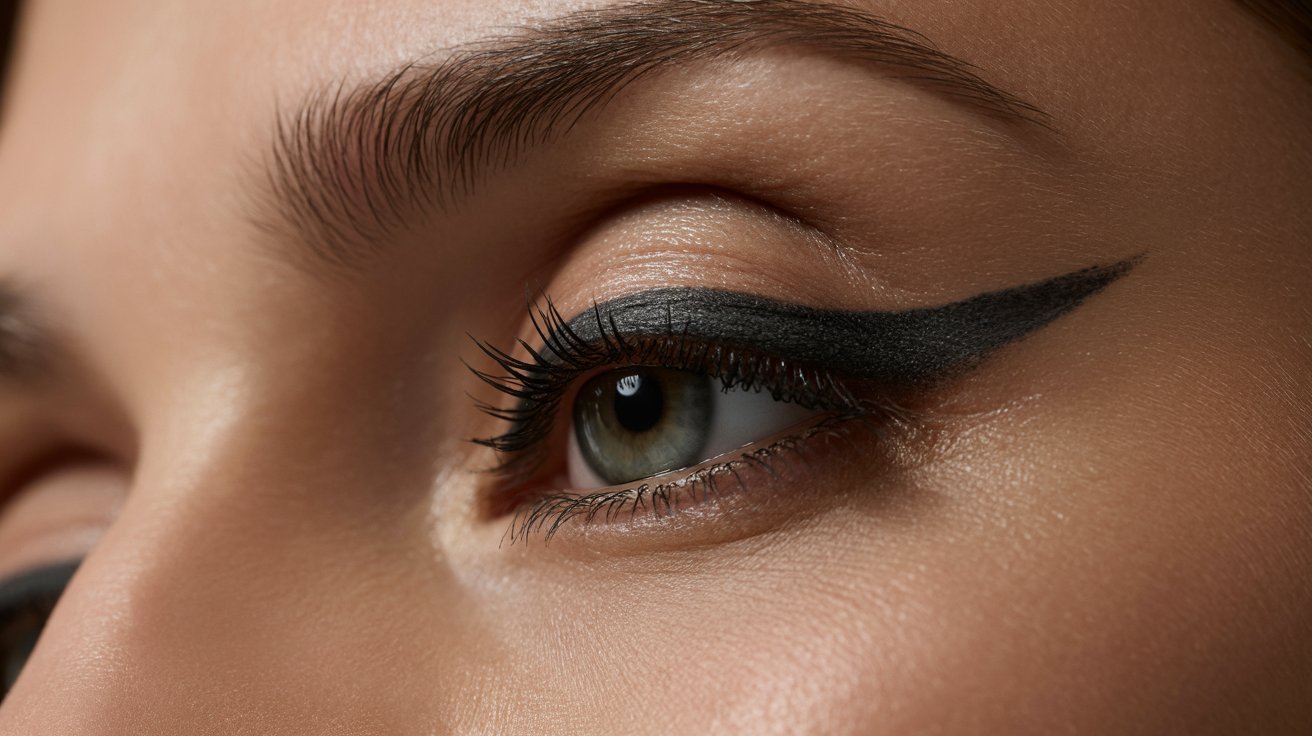
Pigment is shaded outward instead of applied as a hard line for a softer, blended effect. It suits people who prefer a more relaxed, lived-in eye look.
Benefits of Permanent Eye Liner Makeup
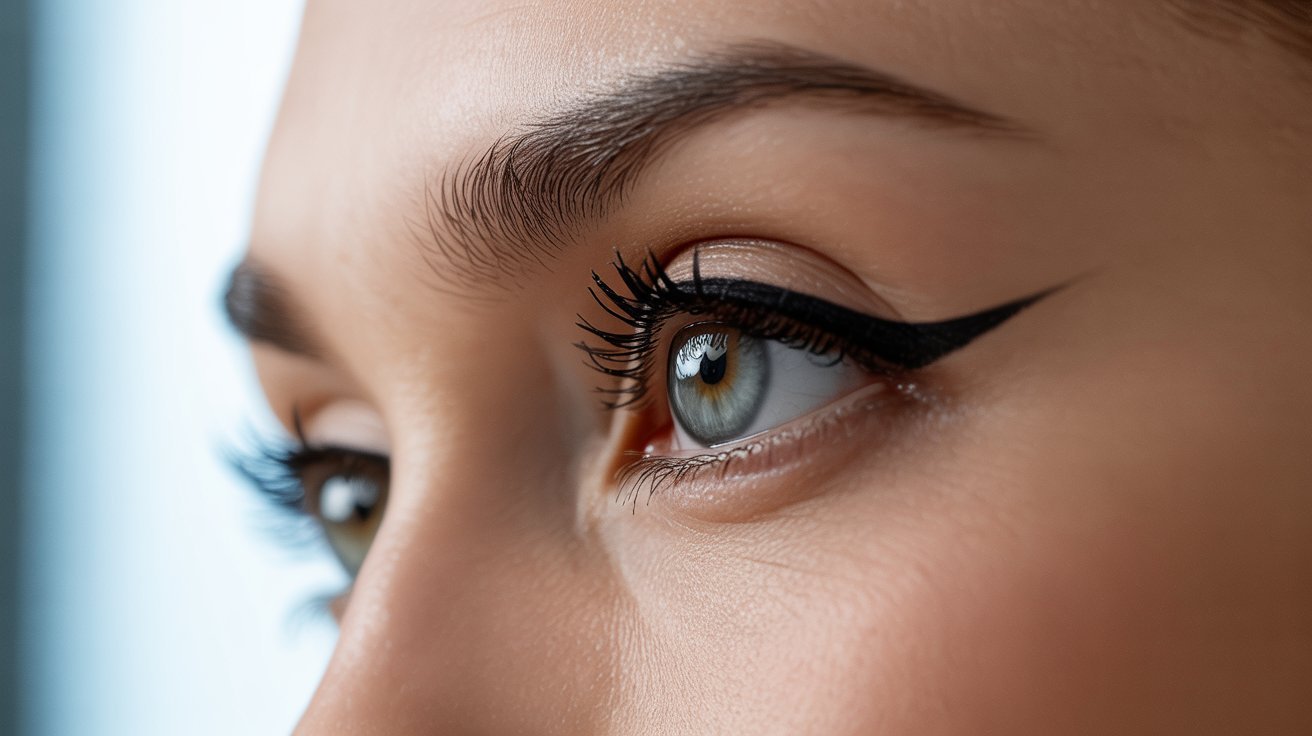
Waking up with defined eyes every day without any effort is one of the biggest reasons people go for this procedure.
Saves Time in Your Daily Routine
Skipping liner every morning adds up to real time saved across weeks and months. Your look is already done the moment you wake up.
Smudge-Proof, Waterproof Results
Permanent eye liner holds up through sweat, rain, and long days without any touch-up needed. It is especially reliable for people with oily skin or active schedules.
Improves Eye Definition Naturally
Even the most subtle style makes eyes look more awake and defined without heavy makeup. Most people find they need far less eye makeup overall after the procedure.
Ideal for Active Lifestyles or Sensitive Eyes
People who swim, work out often, or react to regular eye makeup find permanent liner to be a practical solution. It is also genuinely helpful for those with vision or dexterity challenges.
Healing Process and Aftercare
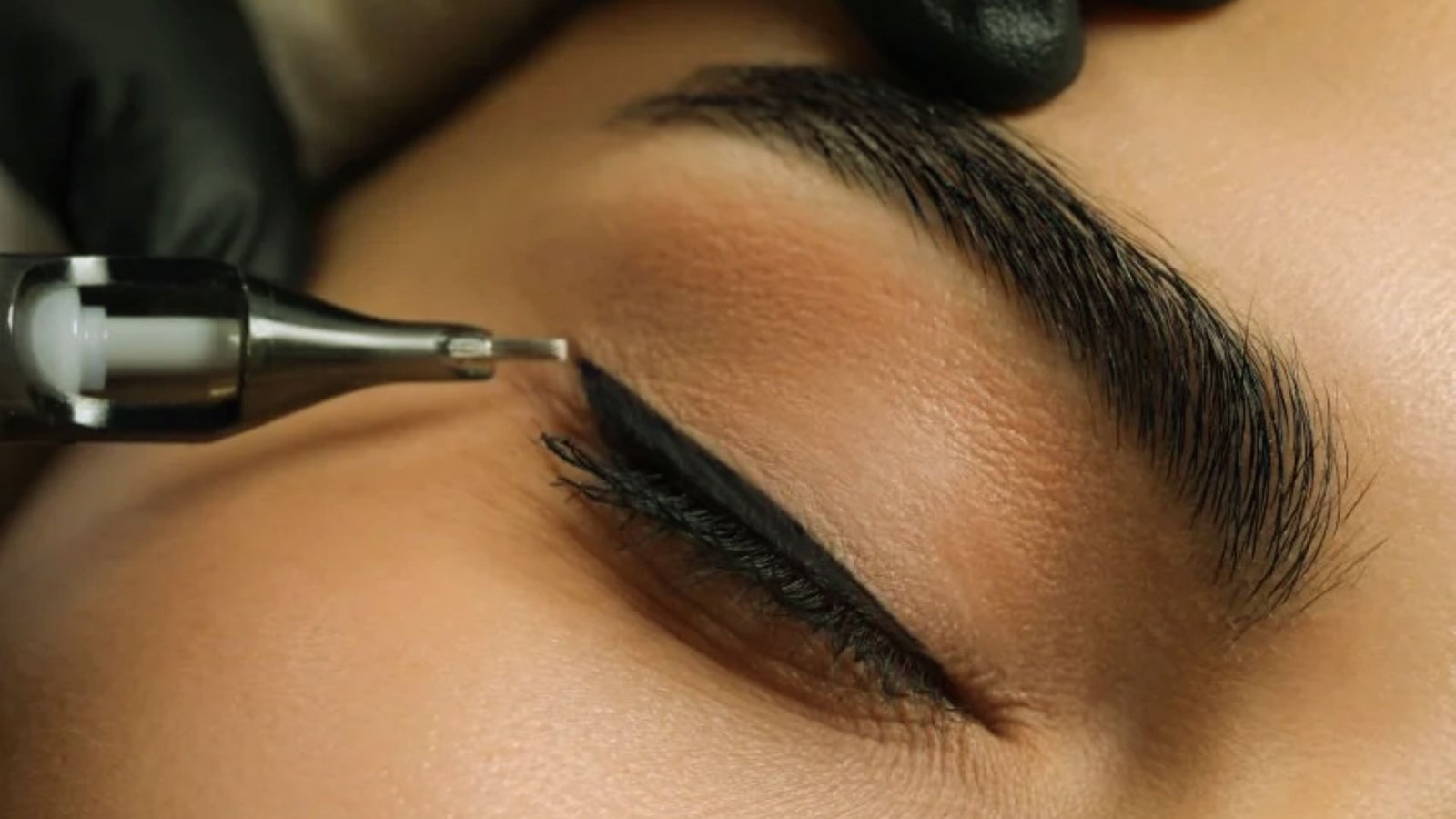
Knowing what to expect during healing makes the process far less stressful and helps protect your results.
Healing Timeline and Stages
Color looks much darker right after the session, then peeling begins around day three or four. Full healing takes four to six weeks before the true result becomes visible.
Common Side Effects (Swelling, Redness, Peeling)
Swelling, redness, and light bruising are common in the first 24 to 48 hours and settle on their own. Flaking is normal during healing and should never be picked at.
Aftercare Do’s and Don’ts
Keep the area clean with a fragrance-free cleanser and apply the ointment your artist recommends. Avoid swimming, saunas, sun exposure, and makeup directly on the liner until fully healed.
When You Can Resume Makeup and Normal Activities
Most people return to regular activities within one to two days with care around the eye area. Makeup directly on the liner should wait until around the four-week mark.
How Long Does Permanent Eye Liner Makeup Last?
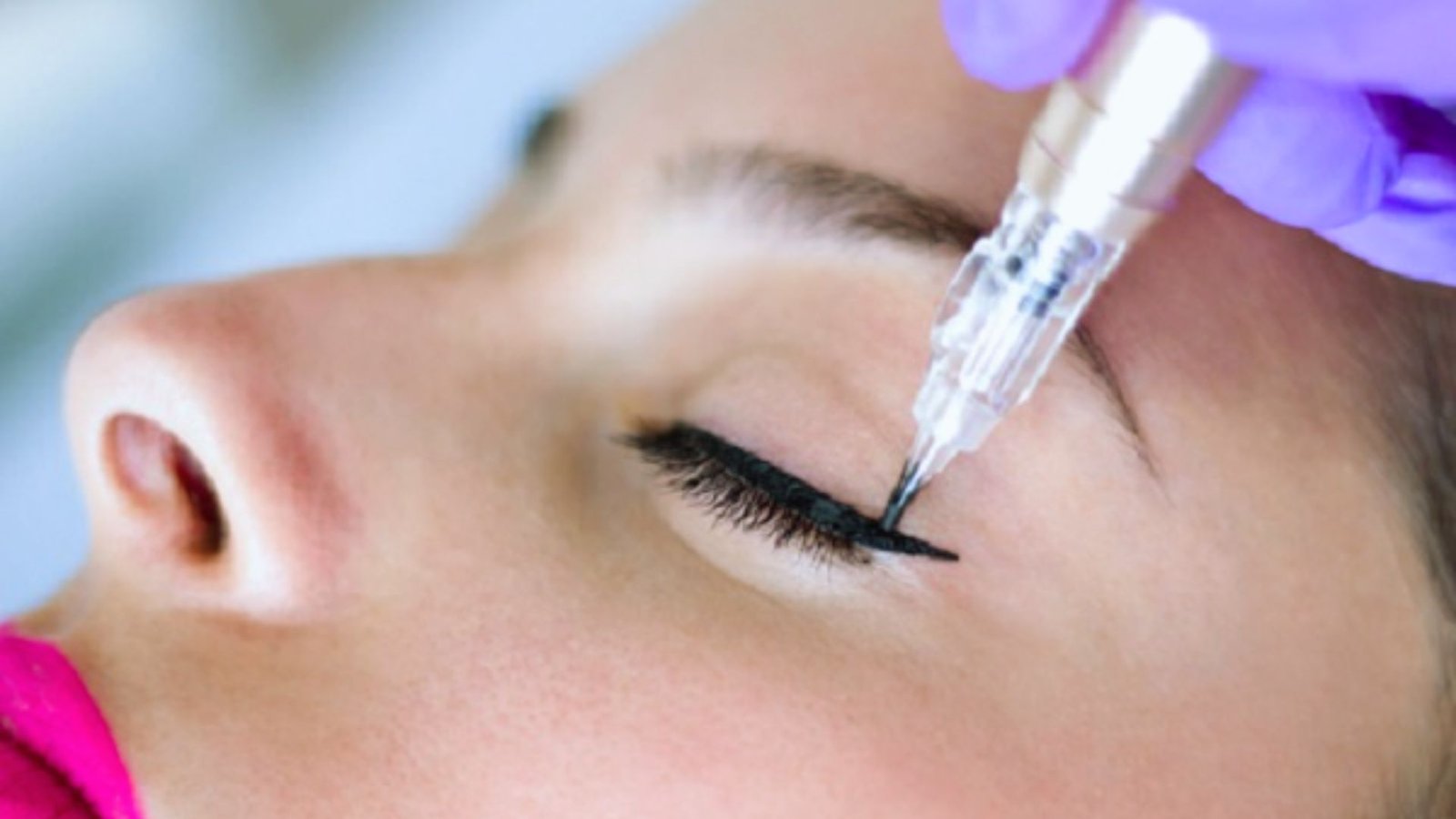
Permanent does not mean forever, but it does mean years of wear before any significant fading occurs.
Average Longevity (1-3 Years)
Most permanent eye liner holds well for one to three years before noticeable fading begins. A touch-up session helps maintain the look well beyond the initial period.
Factors That Affect Fading
Oily skin and regular sun exposure both speed up fading over time. Lighter styles like lash line enhancement tend to fade faster than bolder, thicker applications.
Importance of Touch-Ups
A touch-up six to eight weeks after the initial session fills in any areas where pigment did not fully settle. Maintenance sessions every one to two years keep the result looking fresh.
Safety and Risks to Consider
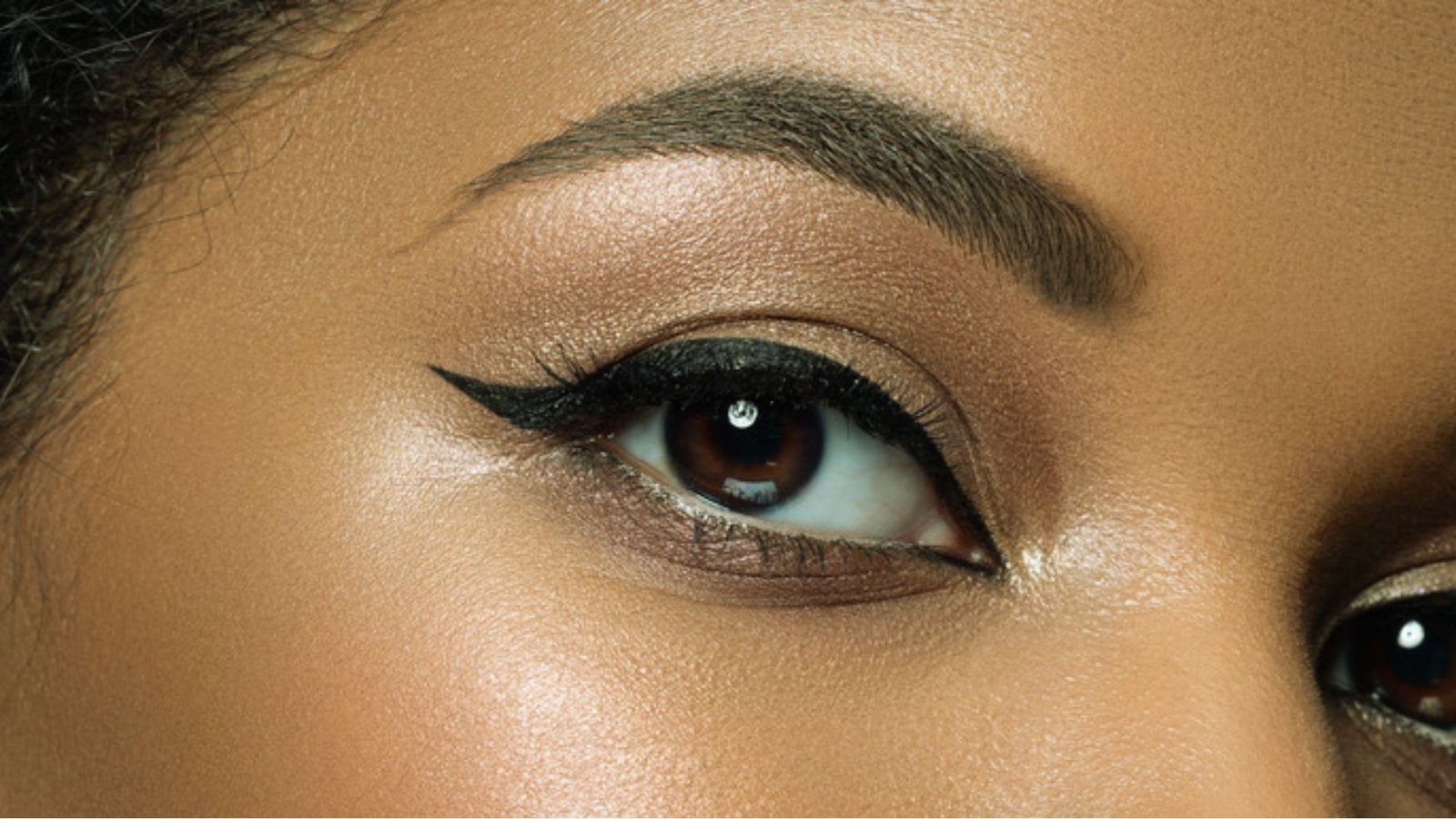
Going in with a clear understanding of the risks helps you make a safer, more confident decision about the procedure.
Is Permanent Eye Liner Makeup Safe?
When done by a certified artist using sterile tools and quality pigments, the procedure is considered safe. Choosing the right professional is the single most important step you can take.
Possible Risks and Side Effects
Risks include allergic reactions, infection, minor color migration, and uneven results from inexperienced artists. Most risks are significantly reduced when the procedure is done by a qualified professional.
Importance of Choosing a Certified Artist
Look for an artist certified in permanent makeup with a portfolio that includes eye liner work specifically. Client reviews and before-and-after photos are the most reliable way to assess skill.
Who Should and Shouldn’t Get Permanent Eye Liner Makeup
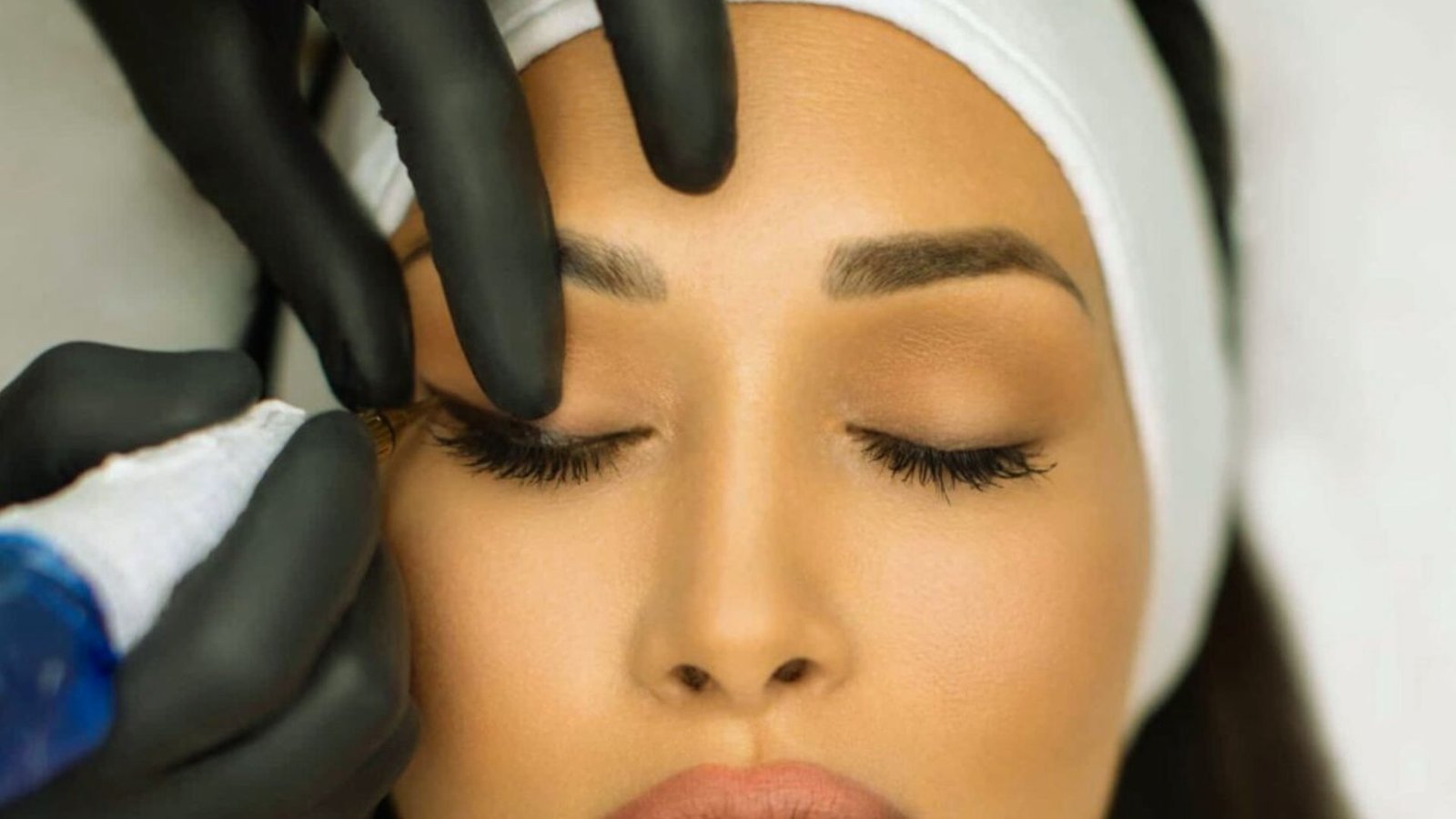
This procedure suits many people well, but knowing who it is not right for is just as important.
Ideal Candidates
People who wear liner daily, have busy routines, or struggle to apply it evenly tend to benefit most. Those with vision issues or limited dexterity also find it genuinely helpful.
Who Should Avoid the Procedure
People who are pregnant, breastfeeding, or have active skin conditions near the eye should wait. Anyone on blood thinners needs medical clearance before booking.
Medical Conditions and Precautions
Always share your full medical history with your artist before the session begins. Conditions like diabetes, autoimmune disorders, or a history of cosmetic allergies are all important to mention.
Tips Before Getting Permanent Eye Liner Makeup
- Avoid alcohol for at least 24 hours before your appointment to reduce bleeding and sensitivity.
- Stop taking blood-thinning supplements like fish oil and aspirin a few days prior if your doctor approves.
- Skip retinol and strong exfoliants around the eye area for at least one week before the session.
- Remove contact lenses before the appointment and bring glasses to wear instead.
- Come with clean eyes and no eye makeup on the day of the procedure.
Conclusion
If I lined my eyes every single day, I would seriously look into this. Waking up with your eyes already done is hard to argue with.
Permanent eye liner makeup saves real time, holds up through anything, and works well for the right person.
The key is finding an artist you actually trust and going in prepared.
If this guide helped you think it through, drop a comment below or share it with someone who has been on the fence. Check out our other beauty posts for more guides like this one.
Frequently Asked Questions
Is permanent eye liner makeup painful?
The eye area is numbed before the procedure, so most people feel mild discomfort rather than real pain. It is more of a light scratching sensation than anything sharp or intense.
How long does it take to heal?
The skin typically heals within four to six weeks. You will notice peeling and darkening in the first two weeks before the color settles into its final tone.
Can it look natural?
Yes, styles like lash line enhancement are designed to be subtle and mimic the look of fuller lashes rather than drawn-on liner. The result can be as natural or as defined as you prefer.
How often are touch-ups needed?
A touch-up is recommended six to eight weeks after the first session to refine the result. After that, maintenance every one to two years keeps the color looking fresh and even.
Can it be removed if needed?
Removal is possible through laser or saline removal methods, but neither option is simple or guaranteed to fully clear the pigment. Both require multiple sessions, so going in with clear expectations from the start is important.